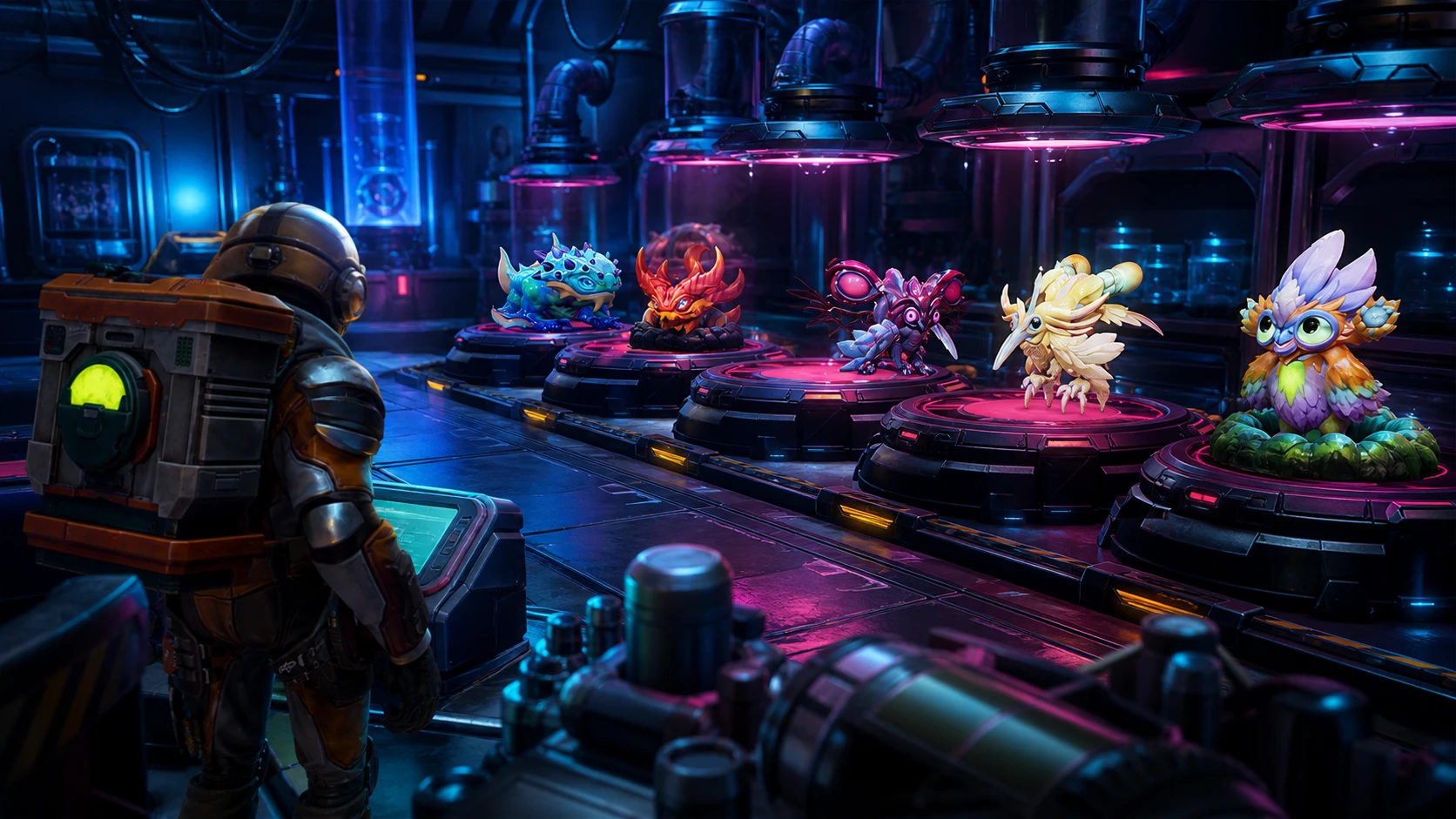
Voidling Bound gives you a roster of species to take into missions, and none of them are truly weak. The difference shows up once content gets harder, where a few species offer cleaner damage, safer survival, and stronger evolution paths than the rest. The ranking below covers the base species only, since how you evolve and mutate each one shifts the math later.
Quick answer: Nimiod, Ur-Sek, and Morfang are the S-tier picks. If you want one species to build first, work toward Nimiod for its mobility, pylon support, and forgiving aim.
Voidling Bound species tier list, ranked
Each species is judged on damage output, ability utility, survivability, boss performance, crowd control, and how much its evolutions add later. Species that stay effective across many situations rank higher than ones that only shine in a narrow role.
| Tier | Species | Core role |
|---|---|---|
| S | Nimiod | Battlefield control and mobility |
| S | Ur-Sek | Dual-form power and speed |
| S | Morfang | Aggressive melee brute force |
| A | Packuran | Damage over time and summons |
| A | Anami | Mobility and crowd control |
| A | Gwigoon | Clone summoner |
| B | Kwipek | Balanced starter |
| B | Kerapin | Slow ranged tank |
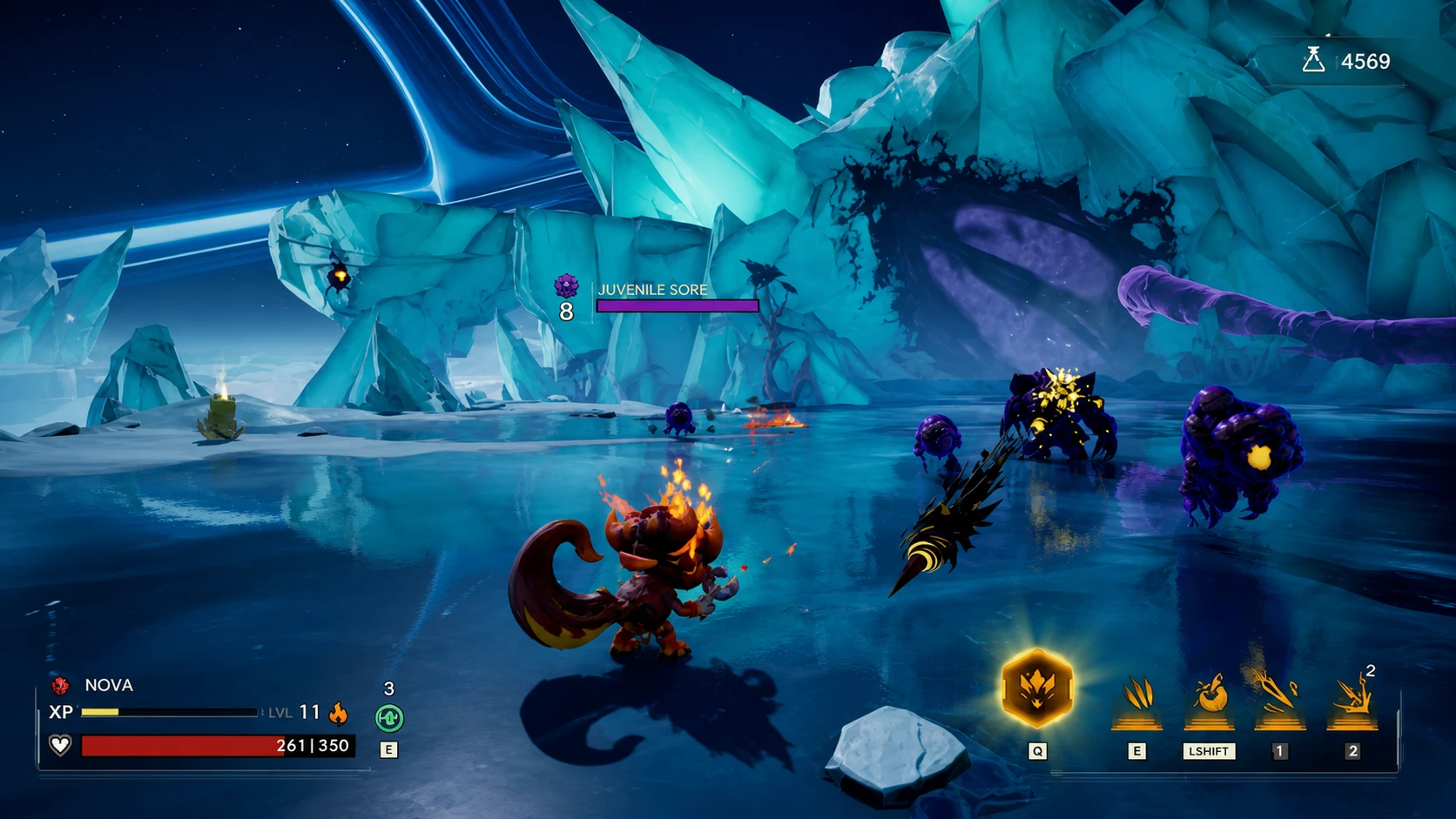
S-tier species: Nimiod, Ur-Sek, Morfang
S-tier species stay strong from early missions through endgame content. They combine reliable damage with either standout mobility, flexibility, or raw power.
Nimiod
Nimiod is the most complete species in the game. Its primary ability, Proximity Spark, automatically hits nearby enemies without needing precise aim, which makes fights far more forgiving. The secondary ability, Network Extender, drops pylons that attack alongside you and refill your stamina whenever you stand near them.
Mobility is what pushes it over the top. Nimiod can keep jumping by spending stamina, letting it stay airborne while its pylons clear groups below. Its defensive ability, Blink Protocol, is a short teleport that grants both invisibility and invulnerability, one of the best escape tools available. The ultimate, Instant Diffusion, floods the area with six network nodes at once and can take over an entire fight.
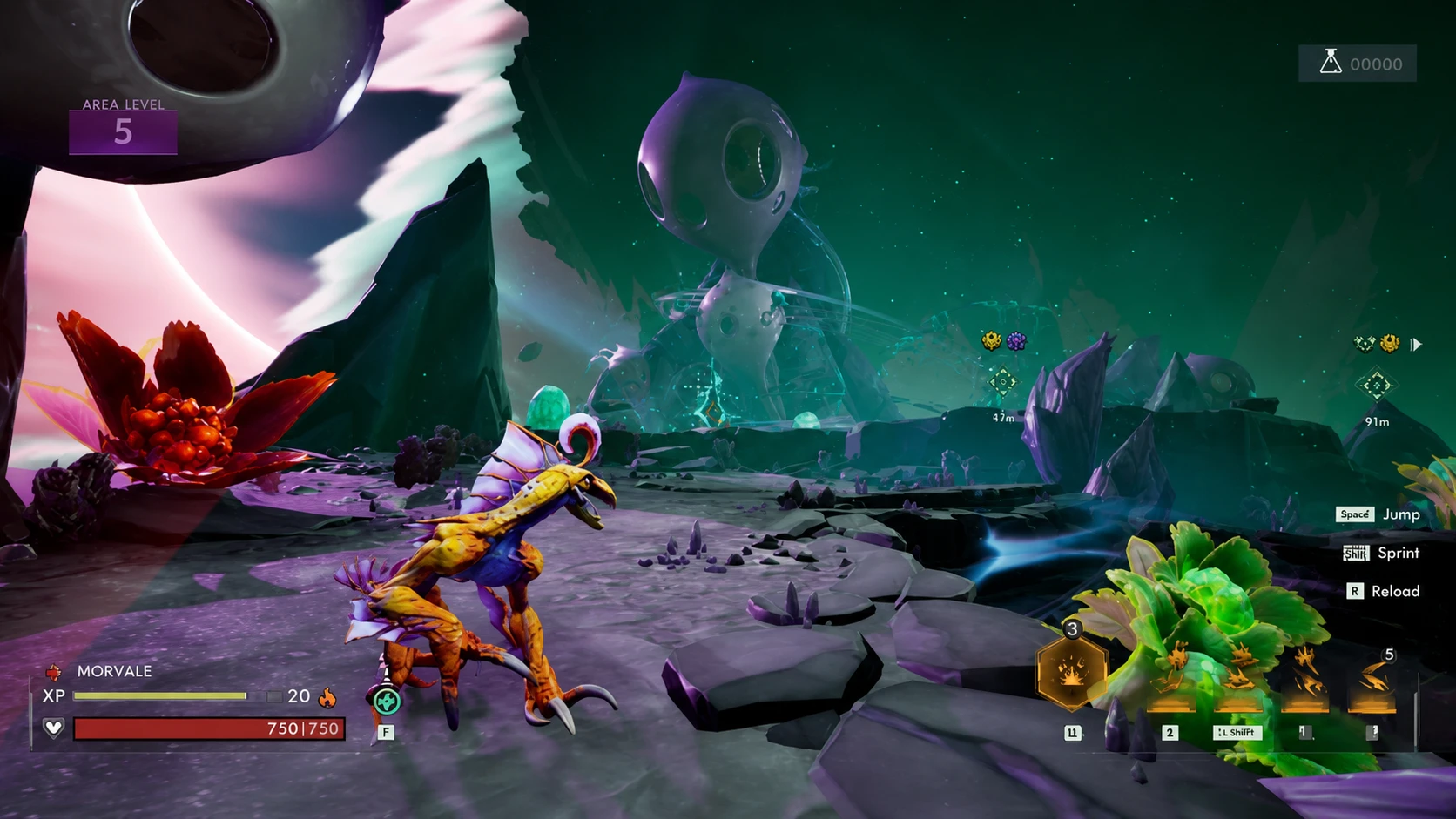
Ur-Sek
Ur-Sek effectively packs two playstyles into one species. The Ur form is larger and hits harder for overpowering enemies, while the Sek form trades that power for speed and mobility. Swapping between forms gives you flexibility most species lack, and the ultimate not only changes form but also heals you, adding strong sustain.
The learning curve is a bit higher because you need to read each fight and pick the right form. Once you master both halves, Ur-Sek becomes one of the most adaptable picks for missions and boss encounters alike.
Morfang
Morfang is built for pure aggression. There are no turrets or setup steps to manage. You close the gap, land melee hits, and tear through enemies before slower species finish positioning. The Pyro and Plasma mutation paths add powerful close-range upgrades, with Pyro standing out for clearing missions quickly.
The one drawback is that some encounters become harder when you are forced to fight up close. If you enjoy melee combat and fast kills, Morfang is the most satisfying brute-force option.
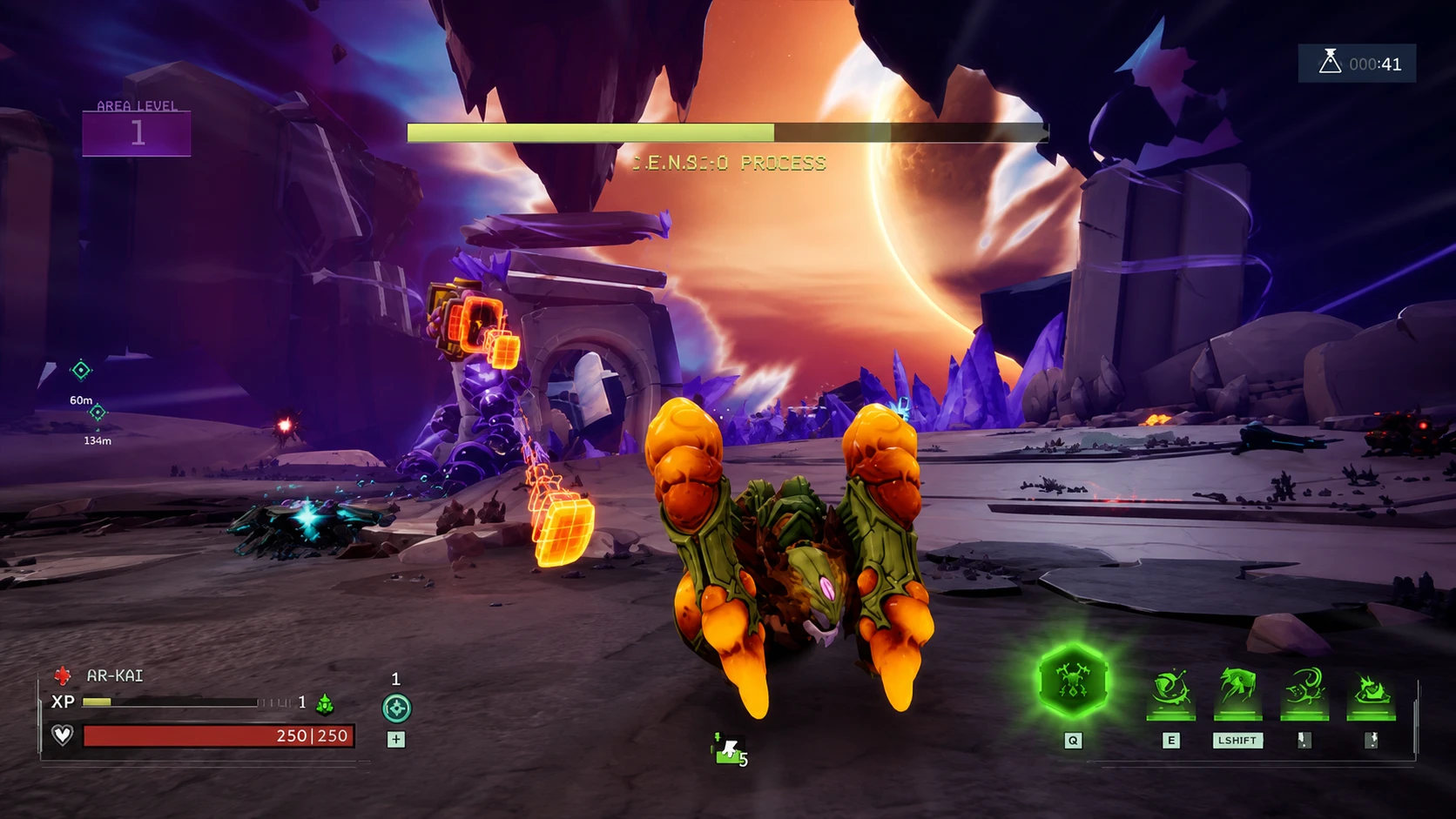
A-tier species: Packuran, Anami, Gwigoon
A-tier species are strong alternatives to the top picks, but they need more specialization or careful evolution choices to reach their full potential.
Packuran
Packuran wins fights through pressure rather than burst. Its basic attacks are on the weaker side, but it applies radiation that deals damage over time and can summon hatchlings to help. The kit also mixes in laser beams and wormhole abilities, so it can adapt to ranged or close-range situations. It performs best in longer fights where damage over time has room to build.
Anami
Anami rewards constant movement. You hit from range, reposition, and stay out of reach instead of trading blows. High movement speed and homing attacks make it a safe, agile pick with solid crowd control. It is one of the most fun species once you get the rhythm, though it is less forgiving for newer players who haven’t learned the maps.
Gwigoon
Gwigoon is the summoner of the roster. It creates copies of itself that distract enemies and soak incoming damage, giving you space to maneuver. The clones add useful utility, but the species deals low base damage, which keeps it out of the higher tiers. Leaning into damage-focused evolutions fixes much of that weakness, and the clones shine in longer fights.
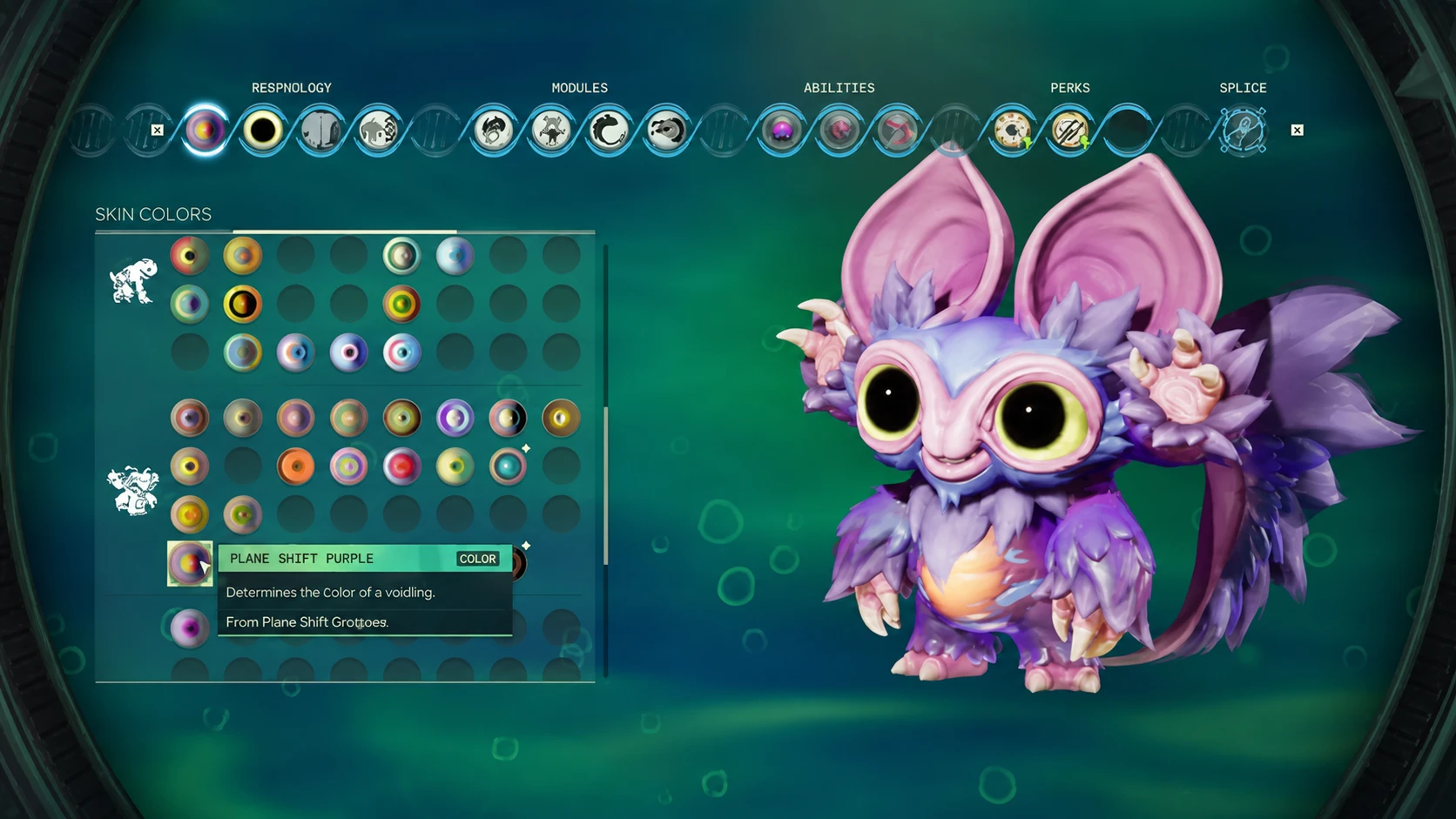
B-tier species: Kwipek and Kerapin
B-tier species are fully playable but usually have a stronger substitute in their role. They work, they just ask for more investment to keep pace.
Kwipek
Kwipek is the starter species, and it handles the opening missions without much trouble. Its rapid-fire primary is reliable, the rocket gives decent burst, and the dash stays useful throughout. The problem is scaling. Its damage and effectiveness drop off once stronger species and evolutions unlock, so if you stick with it, rush the evolutions early.
Kerapin
Kerapin sits awkwardly between roles. It plays like a tank but relies on ranged attacks, and it feels slow to move around the battlefield. Its kit is defense-first, with Burst Barf firing multiple projectiles, Explosive Fling tossing delayed explosives, and Stand Your Ground raising a shield that blocks incoming projectiles while you keep attacking. The Shellsplosion ultimate can deal surprising damage.
The catch is that harder content rewards killing enemies fast rather than simply outlasting them. Kerapin is one of the safest species in the game, but it lacks the impact of the higher picks. If you favor durable, defensive play, you may rate it higher than its tier suggests.
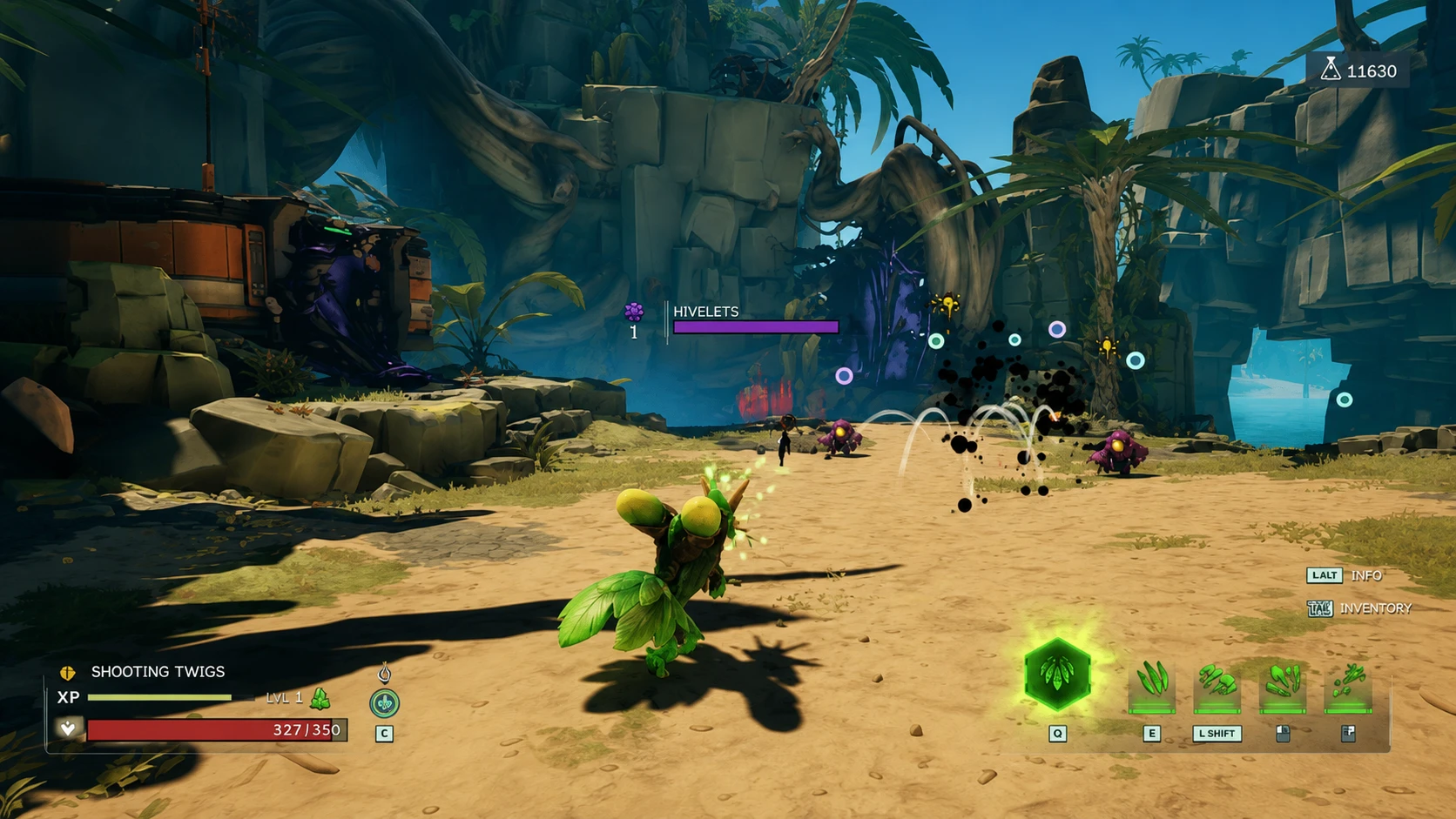
Best species for beginners and boss fights
New players should lean toward species that forgive mistakes. Nimiod, Ur-Sek, and Kwipek all let you learn the core systems without depending on highly specialized mechanics, and Nimiod offers the best balance of accessibility and long-term value.
For bosses, you want a mix of damage, survival, and utility. Nimiod, Ur-Sek, and Morfang are the strongest choices here. Nimiod’s defensive tools and pylons make hard fights manageable, while Morfang delivers heavy close-range damage when you can stay on the boss.
Species choice is only half the picture. Strong evolution and mutation paths can lift a lower-ranked species well above its base tier, so don’t drop one too early before seeing how its upgrades pay off. Nimiod is the safest first investment for most players, but the best Voidling is often the one that matches how you like to play.