Every run in 100 Days at Sea lives or dies on resource flow. Food drains faster than most players expect, crafting and base upgrades eat through materials, and coins decide whether you can afford better gear. The fix is to run passive collection alongside active gathering so supplies keep building even when you are busy fighting or exploring.
Quick answer: Farm food with crab hunting, crab traps, and a Crow or Seagull companion running together. Pull floating debris with the Harpoon and clear every island for materials. Open chests and complete milestone quests for coins and Pearls. Store everything in your old sack and return to base often to reinvest.
Farm food in 100 Days at Sea
Food is the pressure that ends most early runs. Starvation stops your health from regenerating and eventually kills you outright, so you want a supply working before day one turns into an emergency. Three methods cover you, and stacking all three is the most efficient setup.
Crab hunting is the cheapest early source. Islands across the map have crabs you can kill for food drops. When your food bar starts dipping, sail to a nearby island and clear the crabs there. The returns are small but steady, and it costs you no crafting materials to start.
Crab traps should be your first crafting target once the raft is set up. After you build one, it collects food on its own over time, so you keep gaining supplies while focusing elsewhere. Getting traps running early buys breathing room for the rest of the run, so build as many as your materials allow.
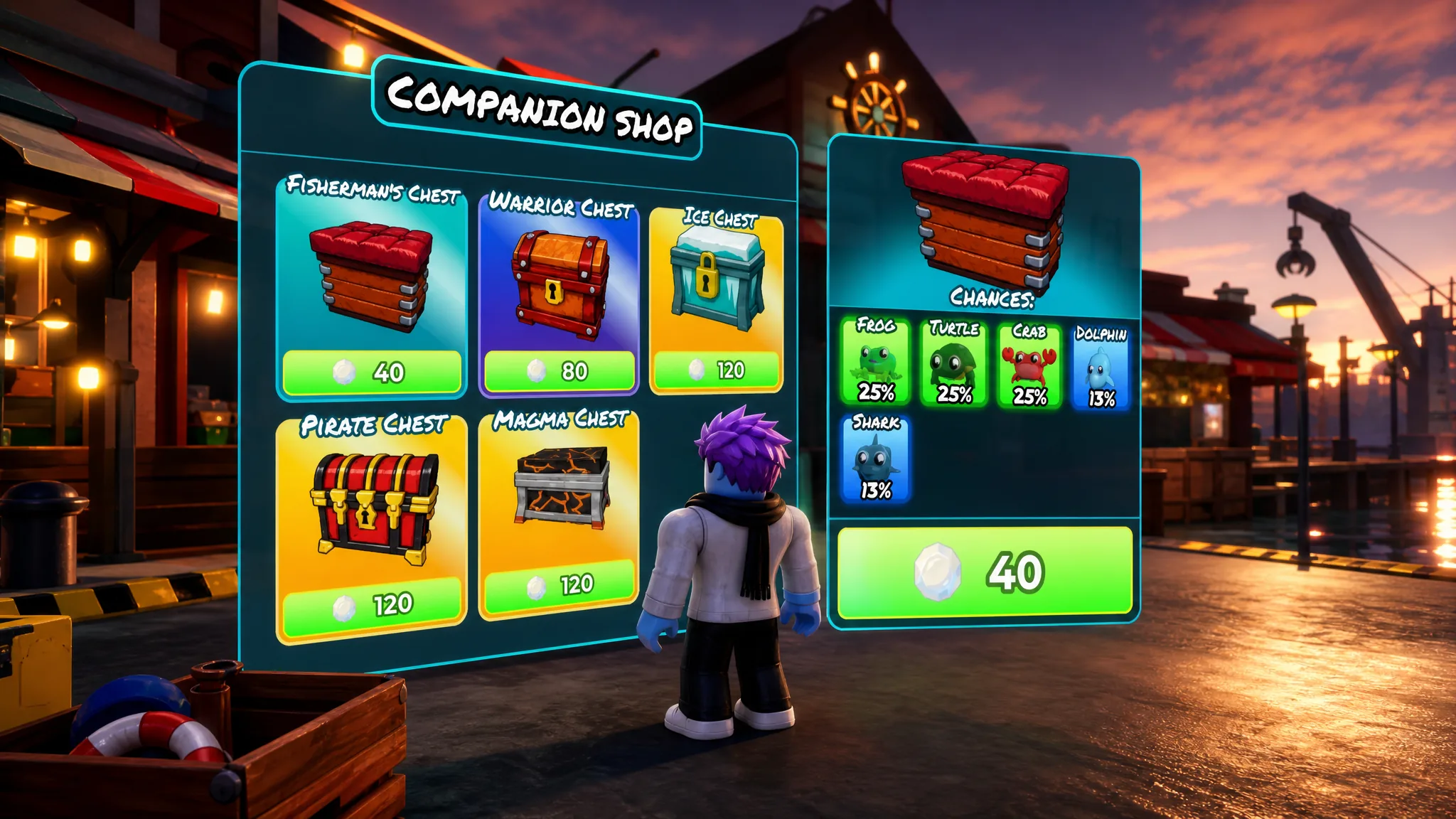
Food-gathering companions are the strongest passive option. The Crow comes from the Magma Chest and the Seagull from the Pirate Chest, and both automatically bring food from the surroundings roughly every 120 seconds. If you have Pearls to spend on companions, either one belongs near the top of your list because of how much it cuts down on food management over a full run.
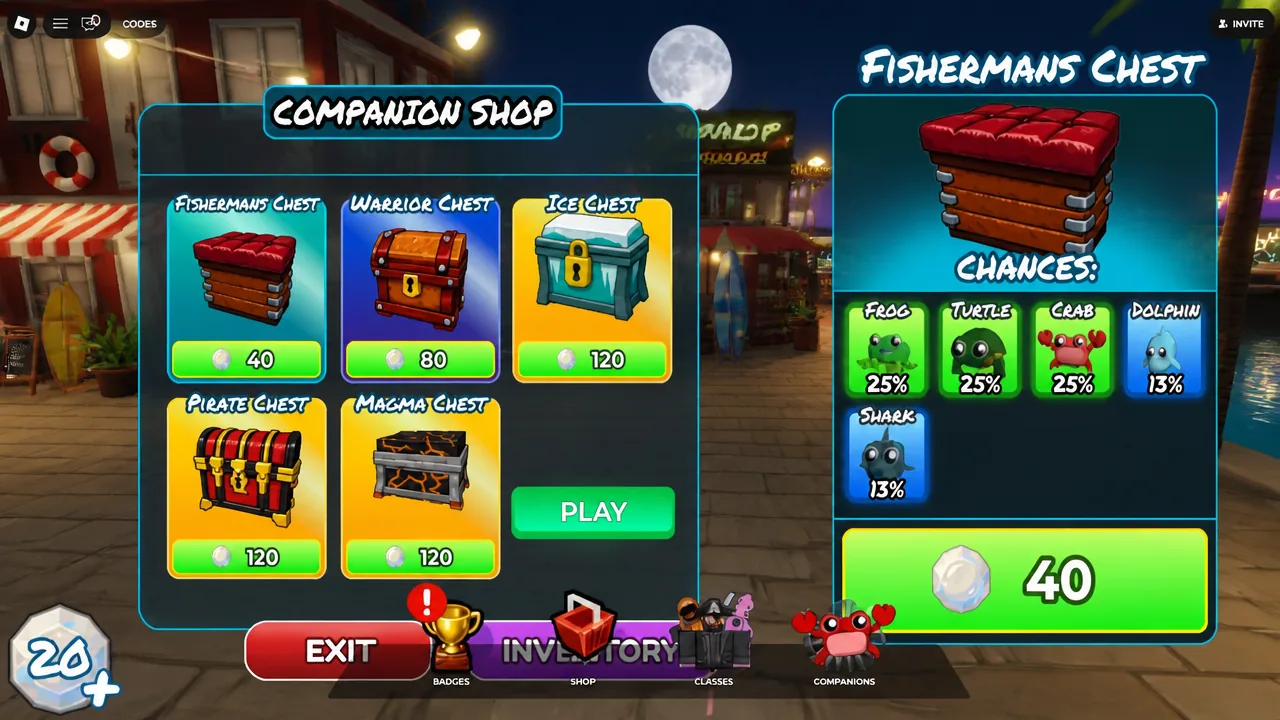
Pearls fuel these companions, and the reliable way to earn them for free is by completing badges and quests through normal play. That keeps a Crow or Seagull within reach even if you never spend real currency.
Farm building materials
Materials fund raft expansion, defenses, and equipment. The most consistent supply is the ocean around you. Sweep your current position regularly and grab any wood planks, metal scrap, or other debris drifting on the surface. Use the Harpoon to hook anything out of reach instead of swimming out to it, which wastes time and exposes you to danger.
Island exploration adds the biggest chunk to your material haul. Islands usually hold containers, crates, and breakable objects that convert into crafting components. Clear each island fully rather than grabbing food and leaving. Chests are especially worth opening, since they can hold rare materials alongside coins.
Farm coins in 100 Days at Sea
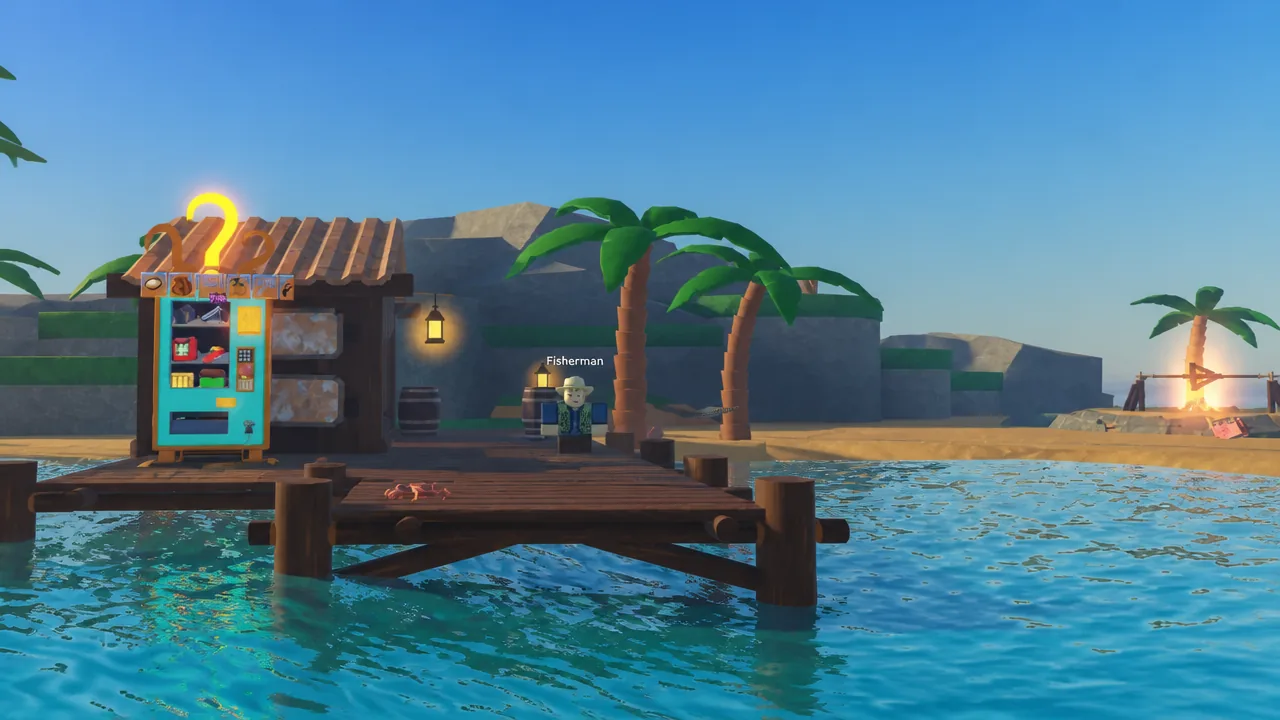
Coins pay for shop purchases and base upgrades, and the fastest steady source is chest hunting. Every chest you open, whether on an island or floating at sea, adds to your total. Keep moving to new islands instead of parking in one area, because chest spawns are tied to location.
Completing quests is the other dependable source of both coins and Pearls. Milestone quests reward progression targets you hit naturally through active play, so check your quest list often to claim each reward as it unlocks.
Farming methods compared
| Resource | Best source | Effort |
|---|---|---|
| Food (early) | Crab hunting on nearby islands | Active, no crafting cost |
| Food (passive) | Crab traps, Crow or Seagull companion | Passive after setup |
| Building materials | Harpooning debris, clearing islands | Active |
| Coins | Opening chests, milestone quests | Active, tied to exploration |
| Pearls | Badges and quest rewards | Earned through normal play |
Habits that make every farm faster
A few rules apply no matter which resource you are chasing. Drop items into your old sack as you collect them rather than carrying them by hand, since the sack holds far more. Sail back to base regularly to unload and reinvest into crafting instead of hoarding everything on your person.
Playing with other people speeds up every farming activity because you can split up and cover several areas at once. Solo runs still work, but expect to spend more of your time managing resources than a group would.