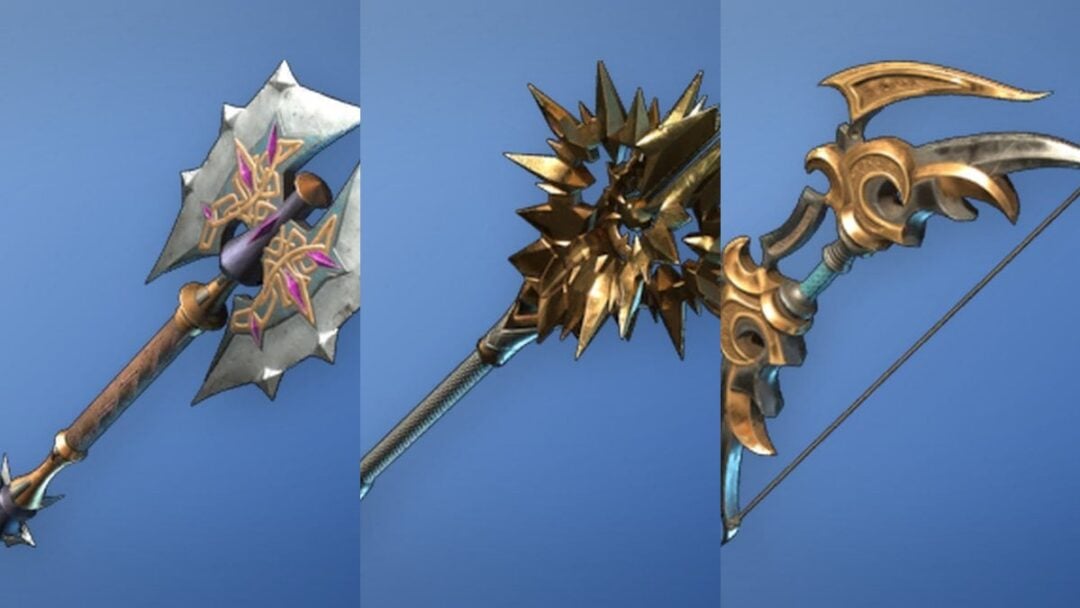
Your class choice in 99 Nights in the Forest decides how you fight, farm, and stay alive through escalating night waves. Some classes carry a run on their own, others need a full squad to matter, and a few cost diamonds you would be better off saving. The ranking below sorts every class by combat power, utility, resource output, and how much value you get for the diamonds you spend.
Quick answer: If you want the safest single pick, take Lumberjack at 70 diamonds for near-unlimited wood, or invest 600 diamonds in Cyborg, Necromancer, or Vampire for top-end combat. Fire Bandit at 200 is the best mid-price value.
Full class tier list (S to F)
| Tier | Classes |
|---|---|
| S | Lumberjack, Vampire, Cyborg, Necromancer, Witch, Gifting Elf, Fire Bandit |
| A | Fisherman, Blacksmith, Poison Master, Alien, Beastmaster |
| B | Pyromaniac, Zookeeper, Brawler, Chef, Assassin, Big Game Hunter |
| C | Cook, Ranger, Gambler, Grenadier, Nightcrawler, Gunslinger |
| D | Medic, Scavenger, Hunter, Support, Explorer |
| F | Camper, Base Defender, Snowman, Undead, Brute, Farmer, Berserker, Feaster |
Why the S-tier classes stand out
Lumberjack sits at the top for a reason that has nothing to do with combat. Trees are effectively unlimited, and doubling your wood output keeps walls, traps, and upgrades flowing from the first night to the last. At 70 diamonds it is also one of the cheapest classes in the game, which makes it the default recommendation for almost any player.
The three big 600-diamond combat picks each solve survival in a different way. Cyborg starts with a strong area-of-effect weapon plus one of the best armors available, making it dominant when clearing cultist strongholds. Necromancer is a slow-starting summoner that becomes overwhelming once its army of resurrected cultists is built. Vampire pairs a strong starting weapon with night buffs and lifesteal that forgives mistakes while kiting enemies.
Fire Bandit is the value standout at 200 diamonds. It opens with a ranged weapon that never runs out of ammo and can stockpile Wildfire potions, giving offensive players consistent output without the top-tier price tag. Witch and Gifting Elf round out S tier, but both are event-locked and cannot be bought with diamonds at all.
Event-exclusive classes to watch
Two S-tier classes cannot be unlocked through the normal diamond shop. They only appear during limited seasonal events, so plan around those windows if you want them.
| Class | Cost | Availability |
|---|---|---|
| Witch | 900 Candies | Halloween event only |
| Gifting Elf | 900 Candy Canes | Christmas event only |
Witch brings a strong starting weapon with infinite ammo and area damage that can also heal allies, including yourself. Gifting Elf generates near-infinite essentials such as ammo, fuel, and bandages, which makes it a rare resource engine for a team.
Mid-tier value picks (A and B)
The A-tier classes are the affordable alternatives to the expensive powerhouses. Fisherman at 50 diamonds turns fishing into an endless supply of food, healing items, and scrap, which is otherwise a finite resource. Alien at 100 gives a gun with infinite ammo and a conditional sprint boost for fast exploring or escaping. Blacksmith and Poison Master at 200 each cover base building and damage-over-time pressure, while Beastmaster ramps into a strong wolf-summoner once maxed.
B tier is where situational picks live. Chef supports a team’s food supply well but falls off in solo play. Brawler is a solid melee fighter that needs to loot a spear before it hits its stride. Pyromaniac has strong area damage but burns fuel far too quickly, and Assassin’s unreliable passives leave it outclassed by cheaper options.
Classes to skip (C, D, and F)
Several newer combat classes disappoint relative to their cost. Gunslinger is a 600-diamond class built around a special gun with limited ammo, which discourages the very kills its “upgrade on kill” effect needs. Grenadier and Nightcrawler share the same problem in different forms. Grenadier runs dry on grenades quickly, and Nightcrawler only works at night with a weak starting weapon.
D-tier options like Medic, Support, and Explorer offer buffs that are either team-only or negligible, and they collapse entirely in solo play. The F tier is where you should stop spending. Undead and Berserker both reward taking damage in a survival game, Base Defender relies on blueprints that break and cannot be reliably replaced, and Feaster costs 150 diamonds while burning through food faster than it returns value.
Diamond costs for key classes
| Class | Cost (Diamonds) | Tier |
|---|---|---|
| Lumberjack | 70 | S |
| Fire Bandit | 200 | S |
| Vampire | 600 | S |
| Cyborg | 600 | S |
| Necromancer | 600 | S |
| Fisherman | 50 | A |
| Alien | 100 | A |
| Blacksmith | 200 | A |
| Poison Master | 200 | A |
| Beastmaster | 400 | A |
| Chef | 150 | B |
| Grenadier | 100 | C |
| Nightcrawler | 200 | C |
| Gunslinger | 600 | C |
| Feaster | 150 | F |
How this ranking was decided
Placements weigh five things: raw combat power, utility and resource generation, how well a class scales into late nights, solo versus team viability, and cost efficiency in diamonds. A cheap class that stays useful across an entire run can outrank an expensive one with a gimmick, which is why Lumberjack sits above several 600-diamond combat classes.
This order reflects the meta following the early 2026 balance updates, when the Gunslinger, Grenadier, Nightcrawler, and Feaster classes were added and settled into their current spots. Tier lists shift with each patch, so recheck placements after any balance change before spending your diamonds on a long-term main.