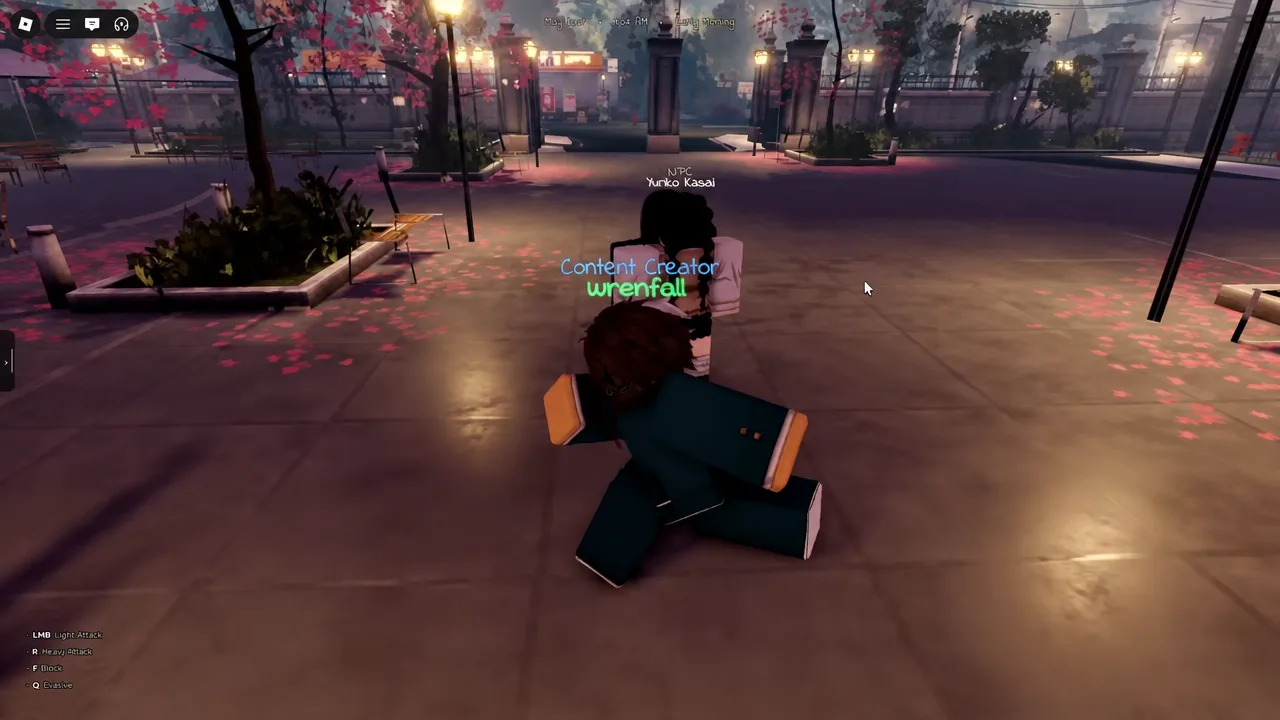
CQC is the newest fighting style in Gakuran and one of the hardest to land. It sits in the hidden 「 ??? 」 rarity bracket alongside Ali and WingChun, and it is built for one thing: staying glued to an opponent. The style leans on grappling, clinching, and bonus damage at close range, which makes it reward players who never let a fight breathe.
Quick answer: CQC has a 0.025% chance to appear, and the only way to get it is by rerolling your Fight Style in the Stats menu. You know it worked when the Fight Style entry reads CQC and the perk panel lists Killing Intent, Close Quarters, Upper Hand, Resilience III, and Boss Raid.
Where CQC sits in Gakuran’s rarity tiers
Every style in the game is grouped into a rarity band, and the bands are weighted heavily toward the common end. The 「 ??? 」 bracket is the rarest of the lot at 0.075% combined, split evenly between its three styles.
| Rarity band | Combined odds |
|---|---|
| Common | 59% |
| Uncommon | 30% |
| Epic | 10% |
| Legendary | 1% |
| ??? | 0.075% |
Inside that final band, the three styles each carry the same individual roll chance.
| Style | Odds | Focus |
|---|---|---|
| Ali | 0.025% | Footwork, rapid strikes, counterpunches |
| WingChun | 0.025% | Fast attacks with high posture resistance |
| CQC | 0.025% | Grappling, clinching, close-range damage |
For scale, that is one-fortieth the chance of rolling a Legendary style like Capoeira or Wrestling. Most players will never see it without a long reroll streak.
CQC perk list
Opening the perks panel on a CQC character shows five entries:
- Killing Intent
- Close Quarters
- Upper Hand
- Resilience III
- Boss Raid
Resilience III is the one perk shared with other styles in the roster, and it carries a 45% chance to turn a clash into a grapple. That single number explains a lot about how CQC wants to be played, because grapples are exactly where the style’s damage lives. The rest of the set pushes the same direction, scaling your output the closer you fight and rewarding pressure that never stops.
How CQC fights at point-blank range
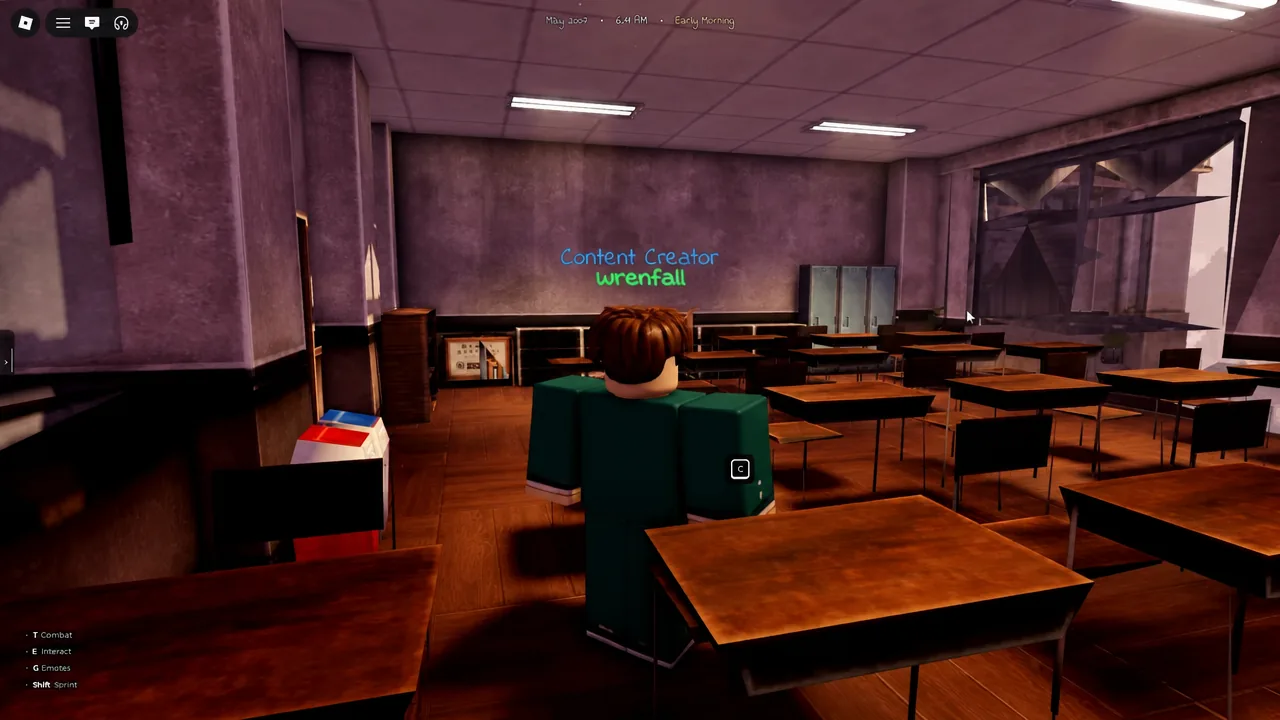
The M1 string is quick and short-ranged, so the style falls apart at spacing where a kicker like Capoeira or Muay Thai would still be landing hits. You have to close the gap first, then keep the opponent inside your reach for the whole exchange. The dojo is the cleanest place to learn the timing, since you can throw strings against a static target and get a feel for how far the light attacks actually travel.
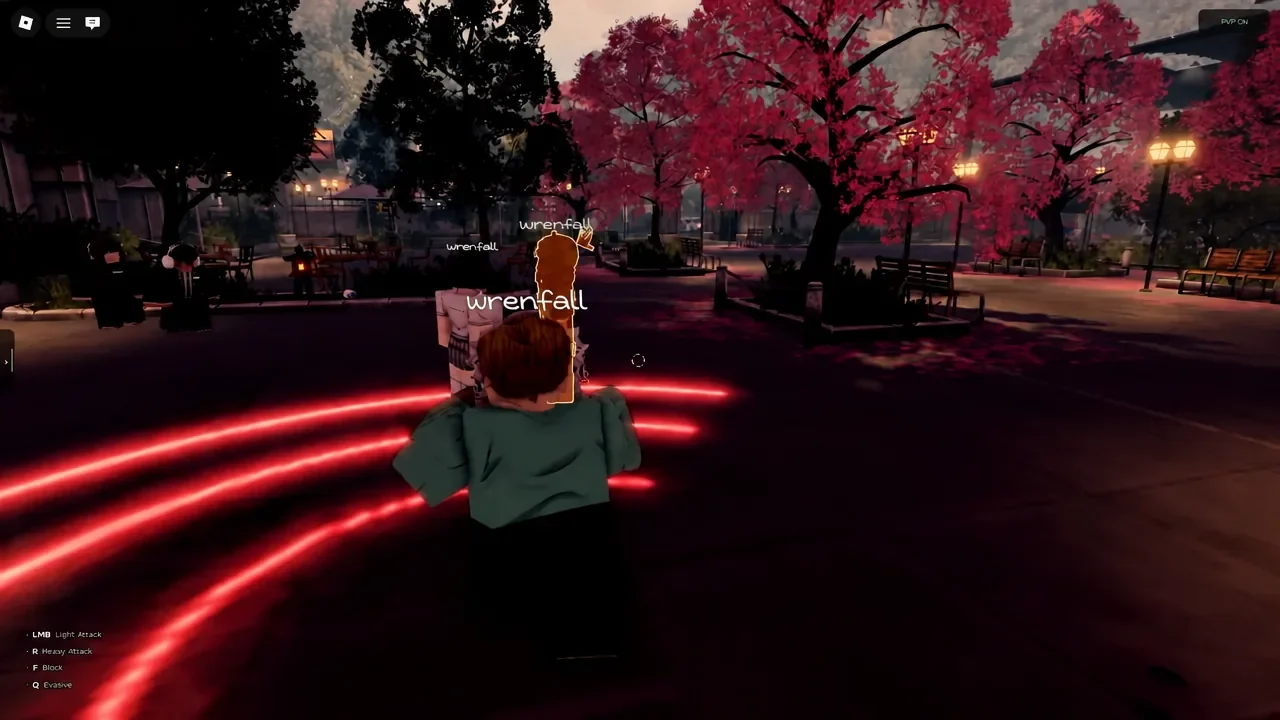
The heavy attack is the payoff. It has a lock-on that tracks a target inside its range, and when the critical version is ready, a red ring appears around your character as a visual tell. That crit heavy does the bulk of your damage, and because it tracks, it stays reliable in messy fights where opponents are shuffling around you.
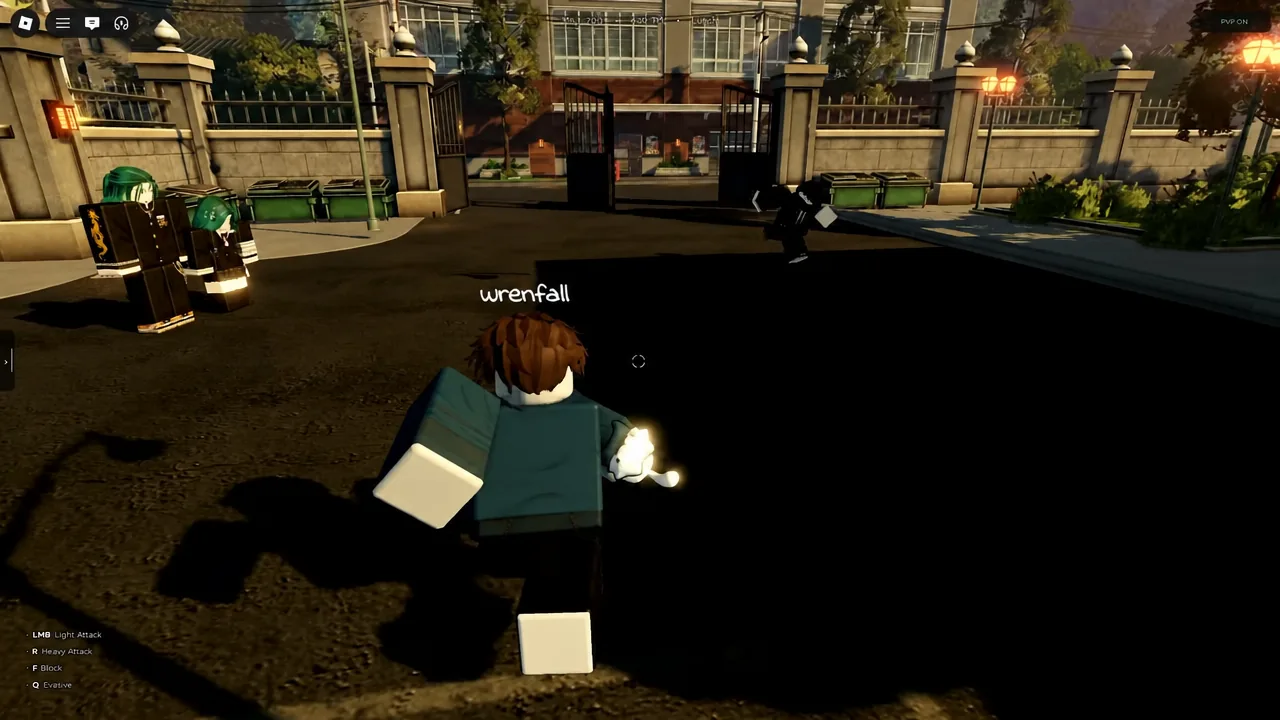
Where CQC separates itself is against groups. The style is designed to hold up when more than one person is on you, which makes it a practical answer to teaming in the street and parking areas. Grapple clashes and constant chip pressure let you cycle between targets instead of getting stalled by a single blocker.
Combat controls for testing CQC
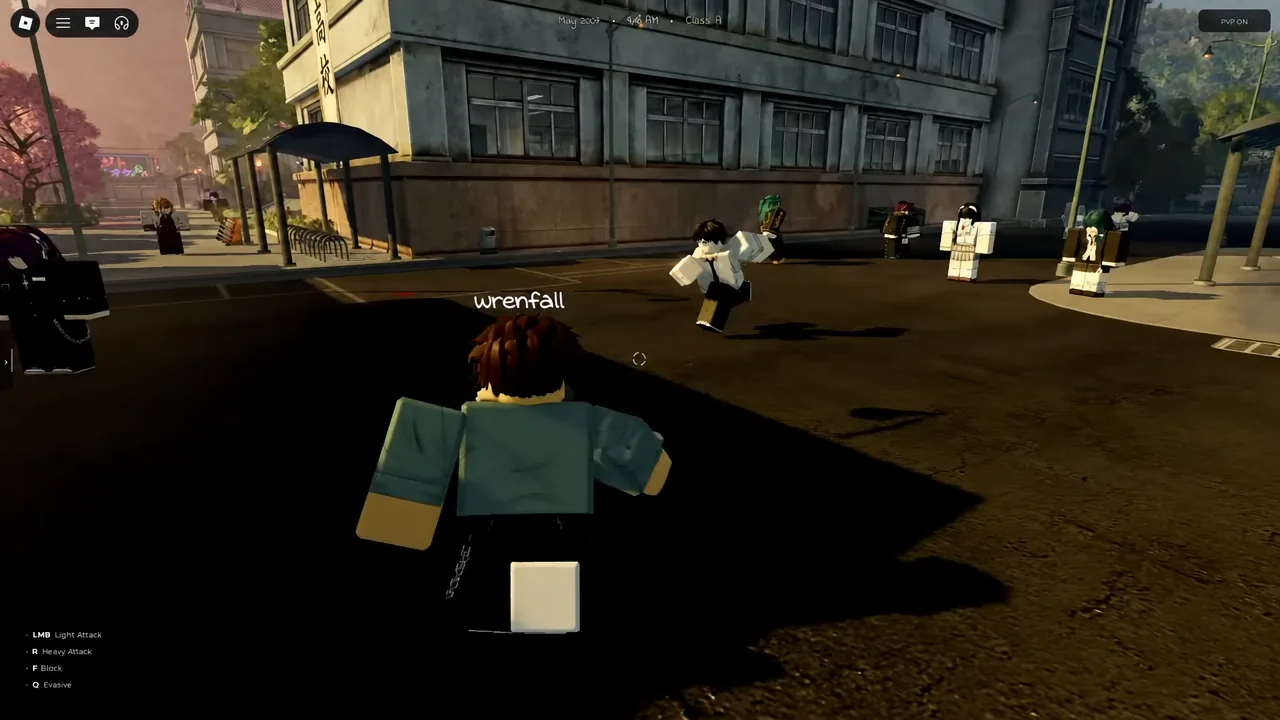
Nothing works until you enter your stance, which is the most common reason a style feels broken on a fresh roll. Press T first, then run the string.
| Input | Action |
|---|---|
T | Enter or exit fighting stance |
| M1 (left click) | Light attack string |
| M2 (right click) | Heavy attack / guard break |
F | Block and parry |
Q | Dash with brief i-frames |
Shift | Sprint |
Sprint and dash matter more for CQC than for most styles, since your damage only exists once you have closed the distance. Treat Q as an approach tool as much as an escape.
Best height and build for CQC
Height changes your stats in Gakuran, and it changes how CQC feels. A baseline character sits at 100 HP. Shorter builds trade damage, health, and reach for faster attacks and a smaller hitbox, while taller builds get more range, more HP, and more damage but swing slower and are easier to punish.
CQC pairs best with shorter builds. The style already gives you close-range damage, so the range you give up matters less than the attack speed and small hitbox you gain. That combination is what lets you sit inside an opponent’s guard long enough for the grapple perks and crit heavy to pay off.
Note: a tall CQC build is not unplayable, it just fights against the style’s design by making you a bigger, slower target in the exact range where trades happen fastest.
How to reroll for CQC
At 0.025%, expect a very long chase. If the reroll button does nothing at all, that is usually a server region issue rather than a problem with your account.
Countering CQC
Because CQC only works inside its own narrow range, distance is the counter. Dash out of the clinch rather than trading in it, and avoid feeding it grapple clashes when your posture is already low. WingChun is a strong matchup against it, since its fast strings and posture resistance let it contest the same close range without giving up ground.
Watch for the red ring, too. It is a plain warning that the crit heavy is loaded, and a parry on F or a dash on Q at that moment removes most of the style’s damage from the exchange.
CQC is a specialist rather than an all-rounder. Rolled onto a short, aggressive build and played by someone comfortable staying in an opponent’s face, it turns crowded street fights into its best-case scenario. Rolled onto a passive player who prefers to poke from range, most of its perk set simply never activates.