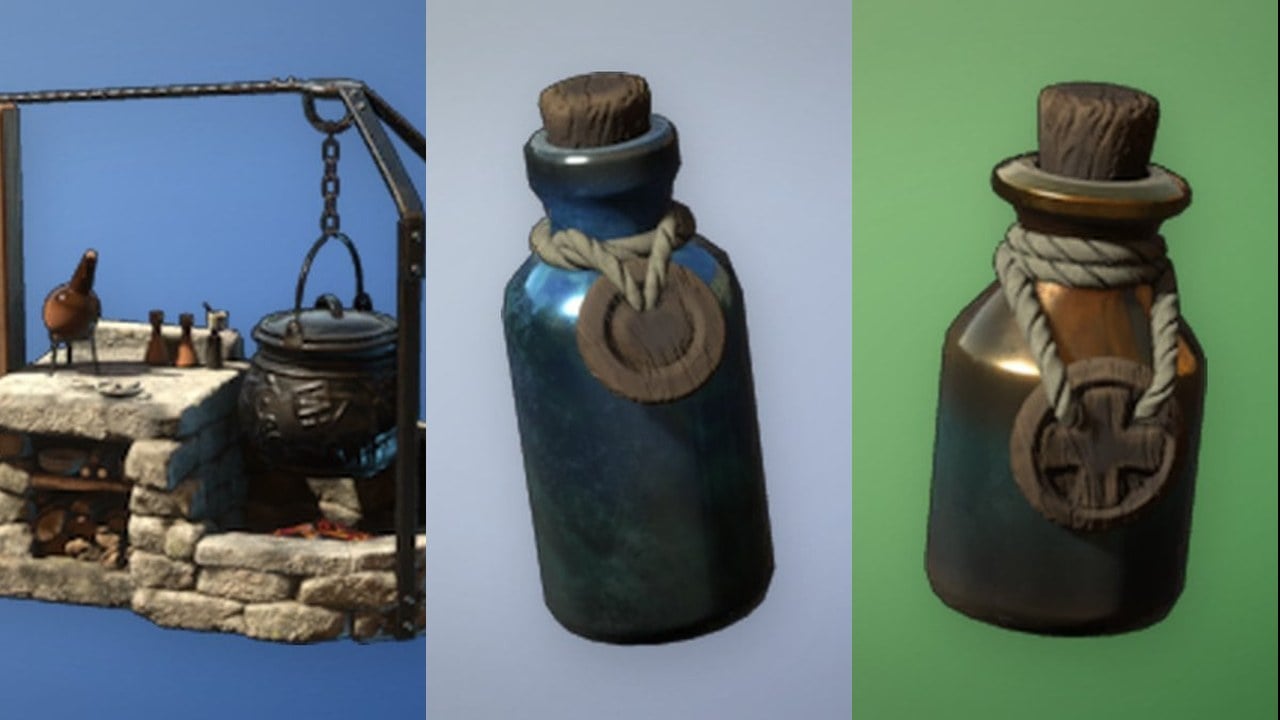
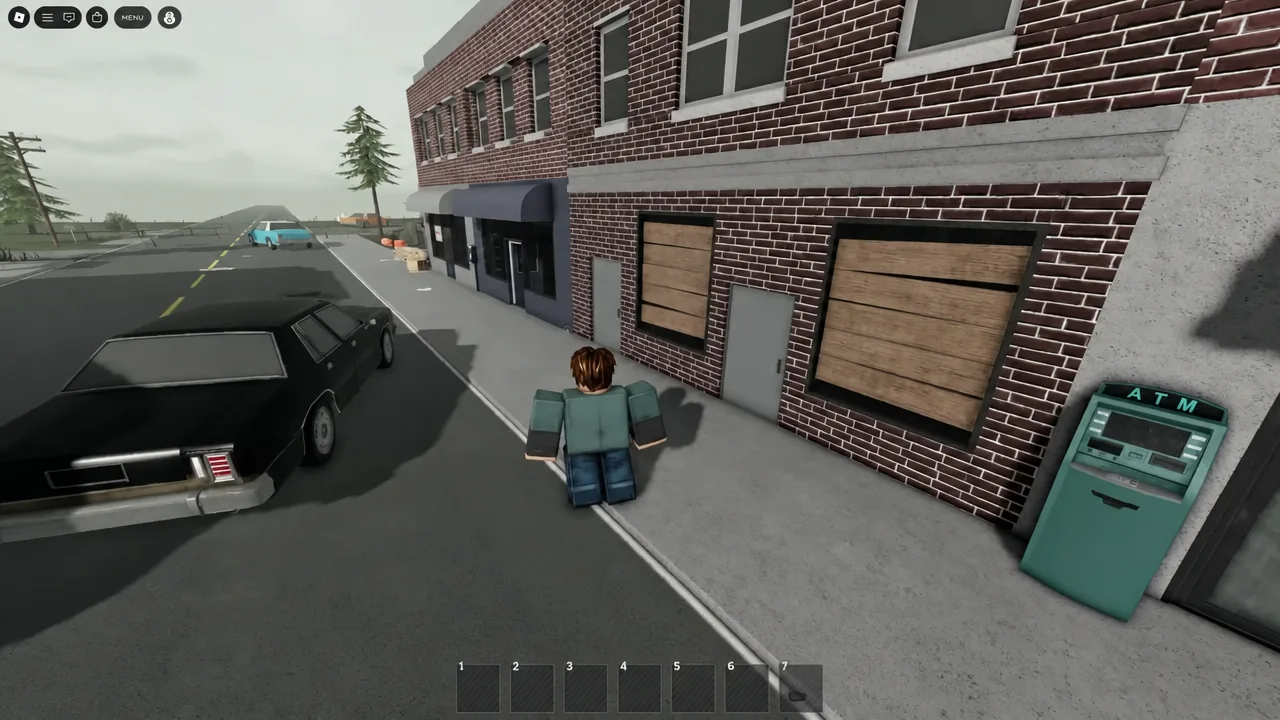
Infected Lands drops you into a quarantined stretch of Kentucky in 2001, two months after the InFl virus spread, with nothing but the clothes you picked in the menu. Servers hold up to 40 players, and most early deaths come from the same handful of mistakes — no food, no bandages, a gun with the wrong ammo, or a walk into a town before you had anything worth fighting for. The first twenty minutes decide whether the rest of the run happens at all.
Quick answer: Claim the free Emergency Supplies pack in the shop and equip it, pick Hunter or Scout if you are playing alone, then loot the houses and roadside cars nearest your spawn for food, drinks, and bandages before you move toward a town.
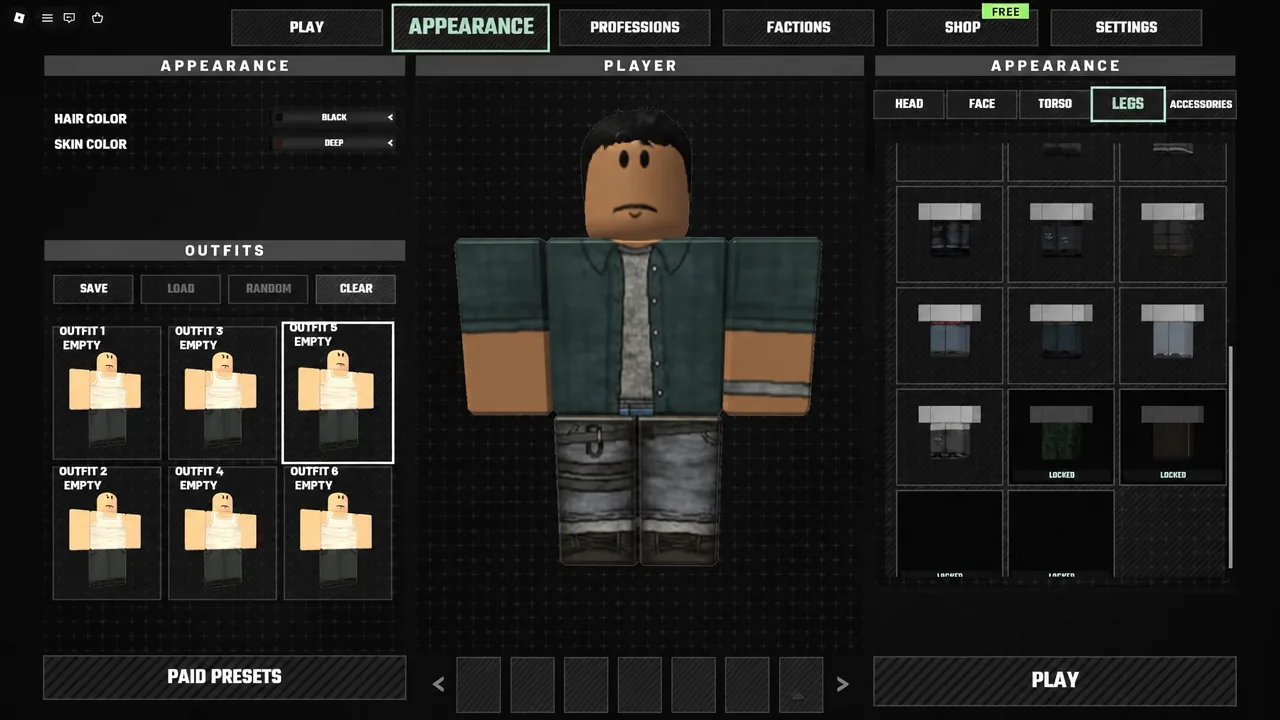
Character setup: appearance, professions, and the Emergency Supplies pack
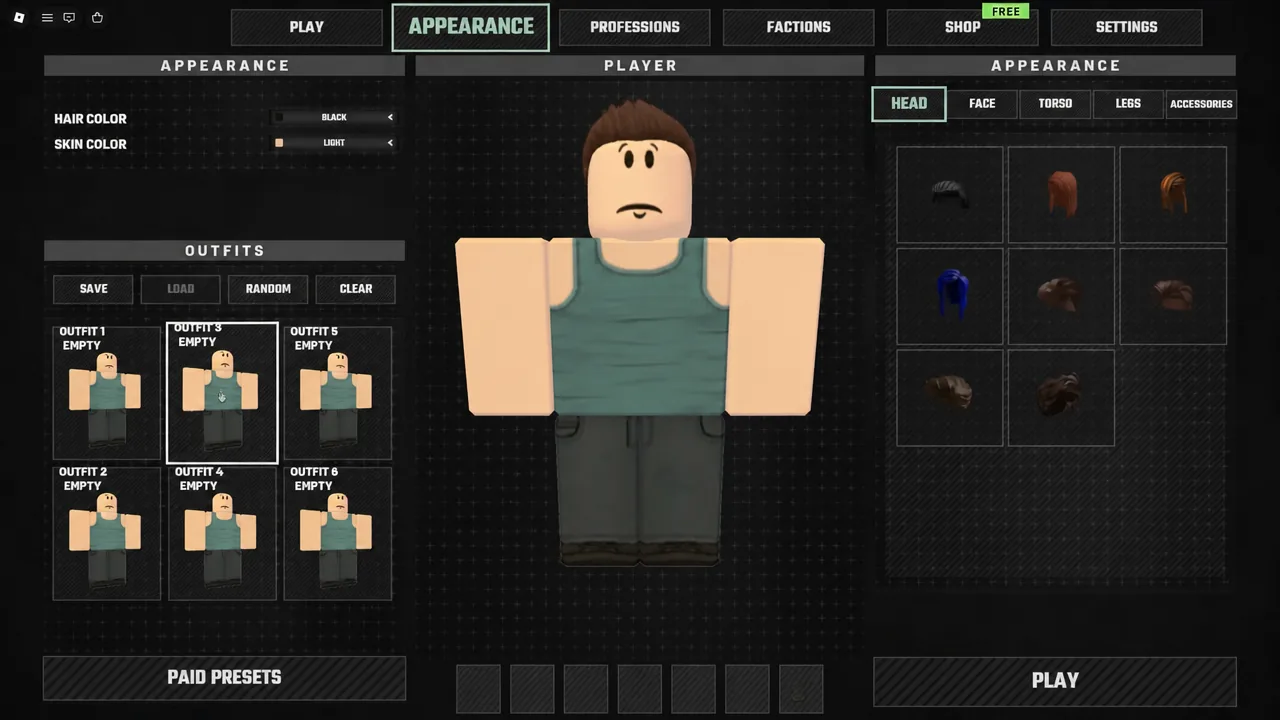
| Profession | Best for |
|---|---|
| Hunter | Solo play |
| Scout | Solo play |
| Medic | Team play, thanks to healing |
First loot run: what to grab before anything else
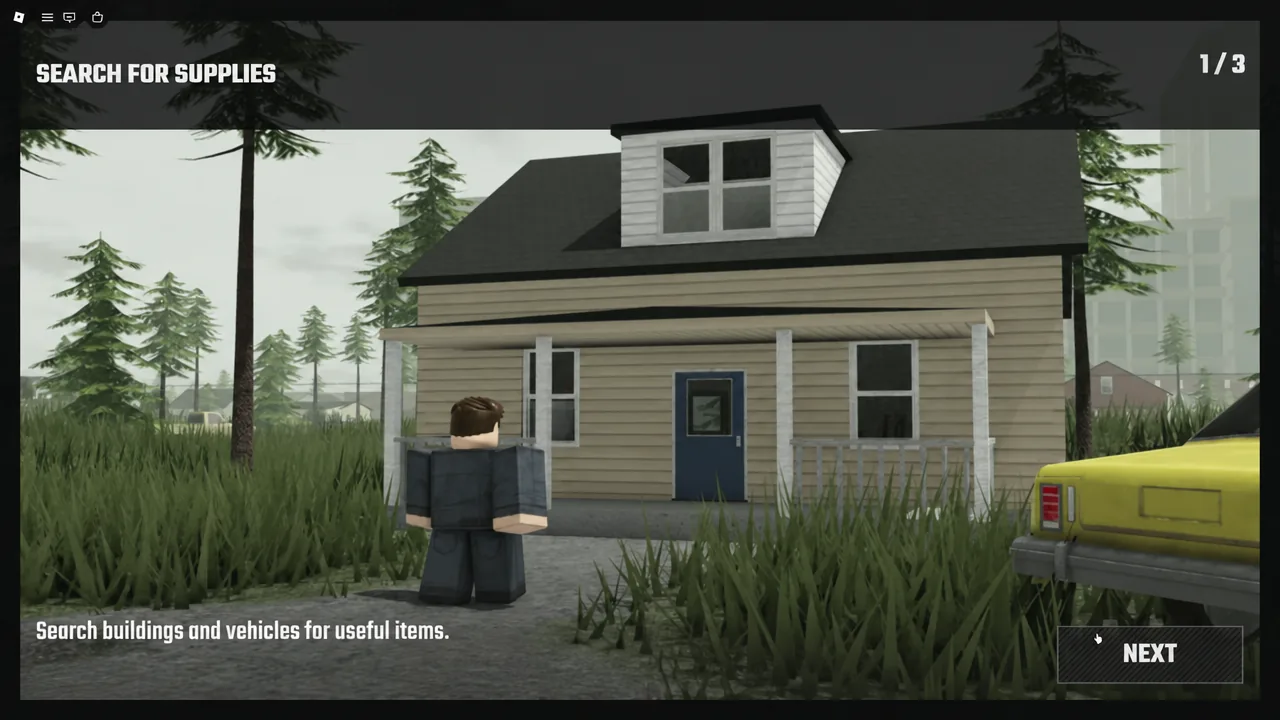
You spawn in the open world with no gear beyond your starter pack, so the nearest houses and small buildings are your first stop. Press E to interact with containers and objects, and clear rooms methodically rather than sprinting through — a kitchen you skipped is a meal you do not have an hour later.
Not everything you find is worth the inventory space. Four categories carry the early game, and everything else is optional until you have a backpack.
| Priority | Why it matters |
|---|---|
| Melee weapon with the highest damage | Damage varies by weapon, so compare before you commit a slot |
| Food | Keeps hunger down and stamina usable |
| Drinks | Stops thirst from bottoming out |
| Bandages | The basic way to heal damage you have already taken |
Tip: keep at least one bandage reserved rather than burning them on scratches. Getting hit is inevitable, and the run ends when you have nothing left to heal with.
Roadside cars, firearms, and matching ammunition
Cars parked along roads are some of the most reliable containers in the world, and most players run straight past them. Search them as you travel for pistols, drinks, and crafting materials — a G17 pulled out of a sedan changes what you can do with the rest of the session.
A firearm only works with ammunition that matches it, so pick up every round you see and check the type against what you are carrying. Among the documented options, the Makarov is the easy pick because pistol ammo is common, the M114 puts out sustained damage using assault-rifle ammo that stacks to 30, and the Desert Eagle carries the highest pistol damage. A rifle with no matching rounds is dead weight; leave it unless you expect to find ammo for it.
Some vehicles are drivable rather than just lootable. Look for a car with an intact windshield, interact with the driver door, and press T on PC to start the engine. Get out if the car catches fire, and avoid driving across open ground near hostile players — engine noise travels further than you think.
Crafting bandages and backpacks from scrap
Crafting is how you stop depending on lucky finds. Cloth, rope, duct tape, and military tarp all stack up quickly from houses and vehicles, and they turn into the two items that matter most early — bandages for healing and a backpack for carrying capacity.
The backpack is the bigger jump. More inventory space means you can hold food, water, spare ammo, and healing at the same time instead of choosing between them every time you open a container. Craft it as soon as you have the materials rather than saving them for later.
Police credential and keycard access to locked loot
The best weapons and ammunition sit behind locked doors, and no amount of searching gets you in without the right item. A police credential is what opens the police station, and it is worth grabbing the moment one appears in a container.
Access items are not interchangeable. Police-station cards, gun-store cards, and military base keycards are separate items, and a card is consumed when you use it — each locked building needs its own. Decide which door you actually want before spending one. The Free Militia base is the strongest documented spawn area for a military base keycard, with sinks, green chests, and military chests worth checking.
You know it worked when the door opens on interaction and the interior loot spawns become available. If the prompt refuses, you are carrying the wrong card type for that building.
| Location | What you get and what it costs |
|---|---|
| Farms | Basic supplies, but exposed open-world travel |
| Towns | Buildings and general loot with heavy player traffic |
| Checkpoints | Better loot and restricted areas, with zombie danger |
| Police stations | Weapons and ammunition, matching keycard required |
City runs: zombies, hostile players, and when to walk away
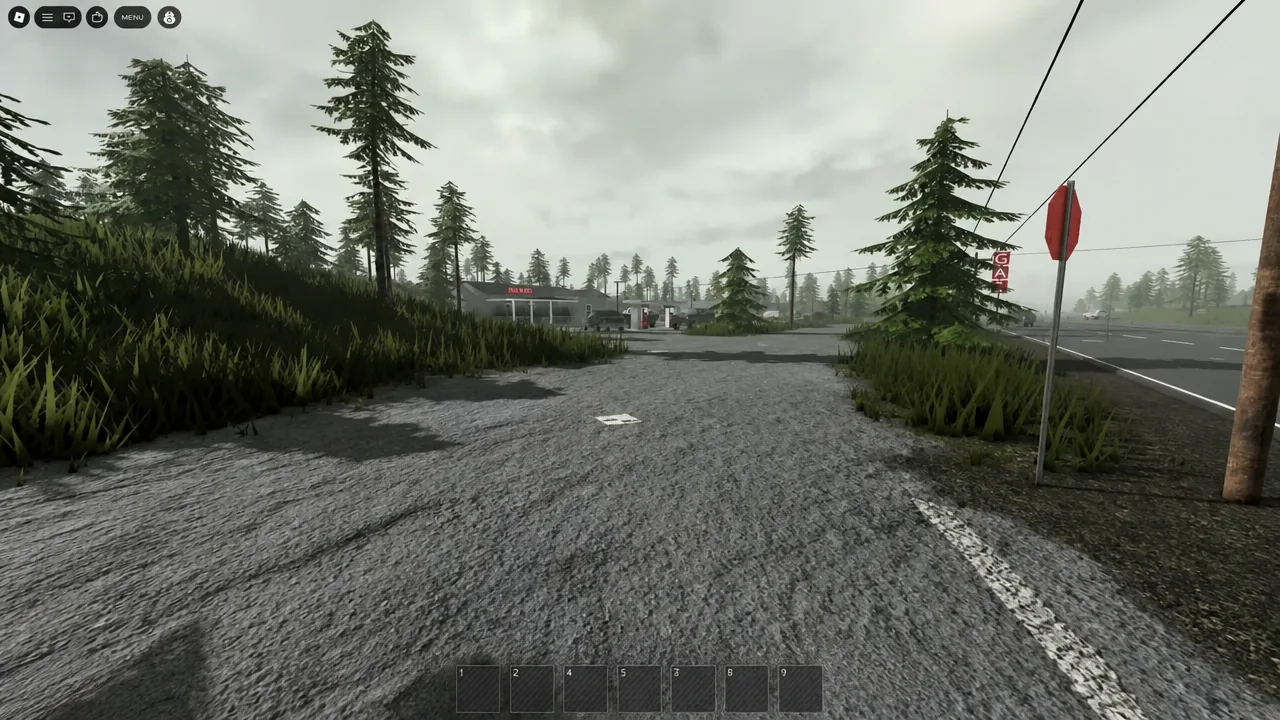
Cities hold the densest loot in the game and the highest concentration of things that kill you. Go in only after you have food, water, healing, and a weapon you trust, and plan an exit route that does not cross open ground. Hordes are the main environmental threat, and a fight you start in a street is a fight every nearby player hears.
Player encounters come down to three readings. If you have a weapon, ammunition, and a positional advantage, a fight is an option — but only when the reward justifies the exposure. If you are short on health, food, or ammo, break line of sight using buildings or terrain and leave. And if a stranger is not immediately hostile, keep your distance while staying ready, because cooperation works right up until it does not.
The rhythm that keeps new survivors alive is unglamorous — stay mobile, upgrade one piece of gear at a time, keep healing items in reserve, and refuse fights until your loadout is worth defending. Nothing about the quarantine zone rewards rushing, and the players who last longest are usually the ones who spent their first hour on food and bandages instead of a gun they had no ammunition for.