Onimusha: Way of the Sword is a linear, third-person character action game, not an open-world title. Director Satoru Nihei and the team at Capcom have been clear on that point, while still confirming that one large section of Kyoto works as a wider hub they call an “open-town.” So the game sits between a strictly stage-based structure and a fully open map, without becoming either.
Quick answer: No. Way of the Sword runs on largely linear stages, but it also includes a single “open-town” area of Kyoto with side paths, hidden spots, NPCs, vendors, side quests, and hidden bosses to find.
What the “open-town” Kyoto actually is
The bulk of Way of the Sword plays out through traditional, tightly designed stages. Alongside those stages, Capcom built a hub-like part of Kyoto that is bigger and less restricted than a normal level. This is the “open-town” the developers describe, and it is where the game loosens up.
Inside that town you can step off the main path to explore. There are side paths and hidden locations, items and secrets to collect, and NPCs you can talk to. You will also find vendors to buy from and side quests to pick up, plus hidden bosses tied to the game’s combat systems. It gives a scaled-down version of the “go and poke around” feeling players associate with open-world games, without a sprawling map full of checklist markers.
Nihei has said the town is meant to show off the character of Kyoto itself, using its history and folklore as the backdrop for optional missions. So the exploration is focused and purposeful rather than endless.
Why it isn’t a Soulslike either
A common assumption around modern samurai action games is that they must be Soulslikes. Way of the Sword is not one. Nihei describes it as a character action game, and the design choices back that up.
The clearest example is death. When Miyamoto Musashi dies, you do not drop resources that you then have to recover on your next run. The game is not built around the punishing die-and-retry loop or the treacherous exploration typical of the genre. Instead the focus is on mastering Musashi’s sword, reading enemy attacks, and using the environment to win fights. There are still tough boss fights and you will die, but the intent is a game that action-game newcomers can enjoy while still challenging experienced players.
How the structure breaks down
| Element | How it works in Way of the Sword |
|---|---|
| Overall structure | Largely linear stages |
| Open world? | No |
| Hub area | A wider “open-town” section of Kyoto |
| Genre | Third-person character action / action-adventure |
| Soulslike? | No; no resource loss on death |
| Town content | Side quests, NPCs, vendors, items, secrets, hidden bosses |
| Approximate length | Around 20 hours |
Combat and setting at a level that matters here
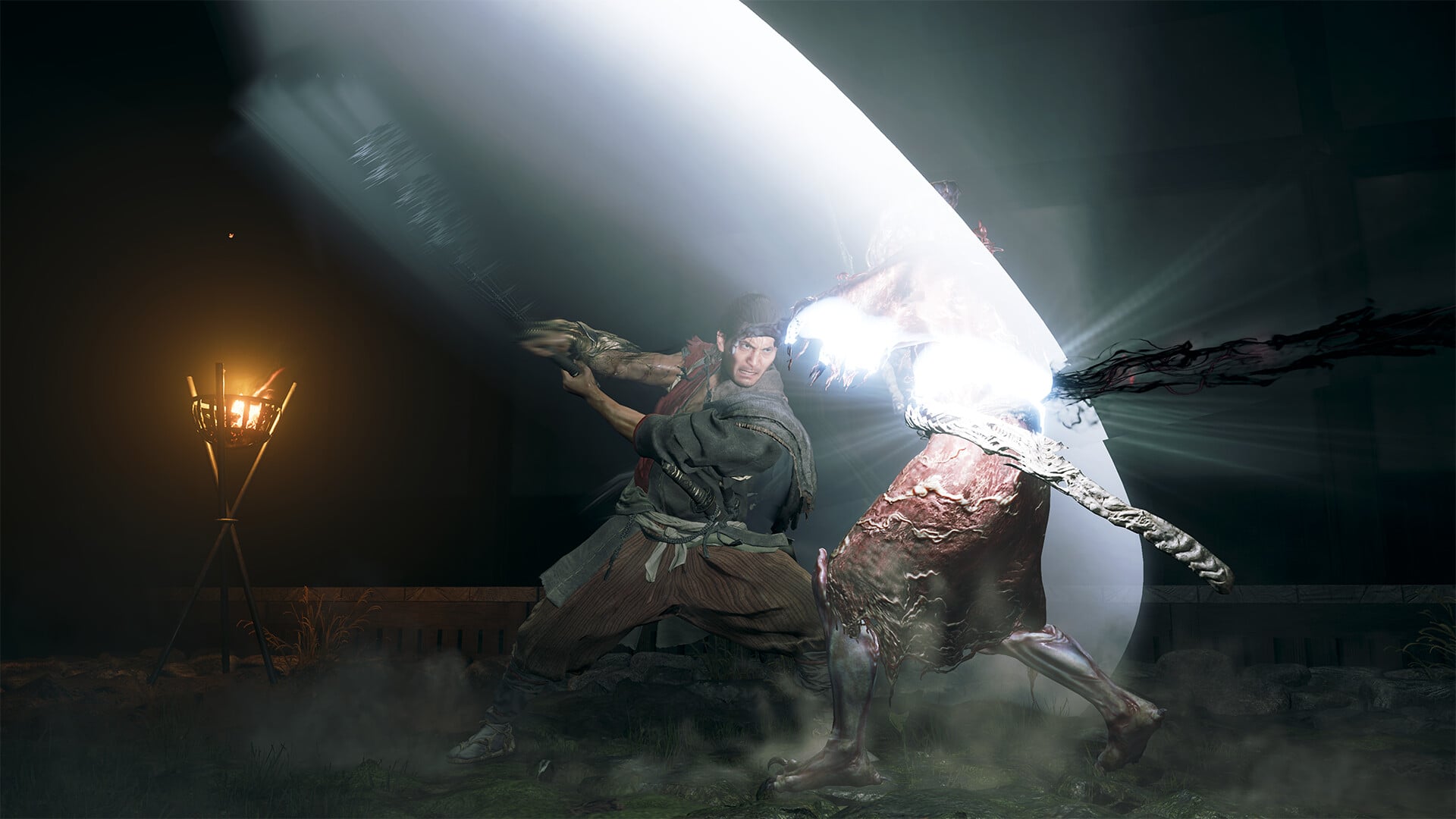
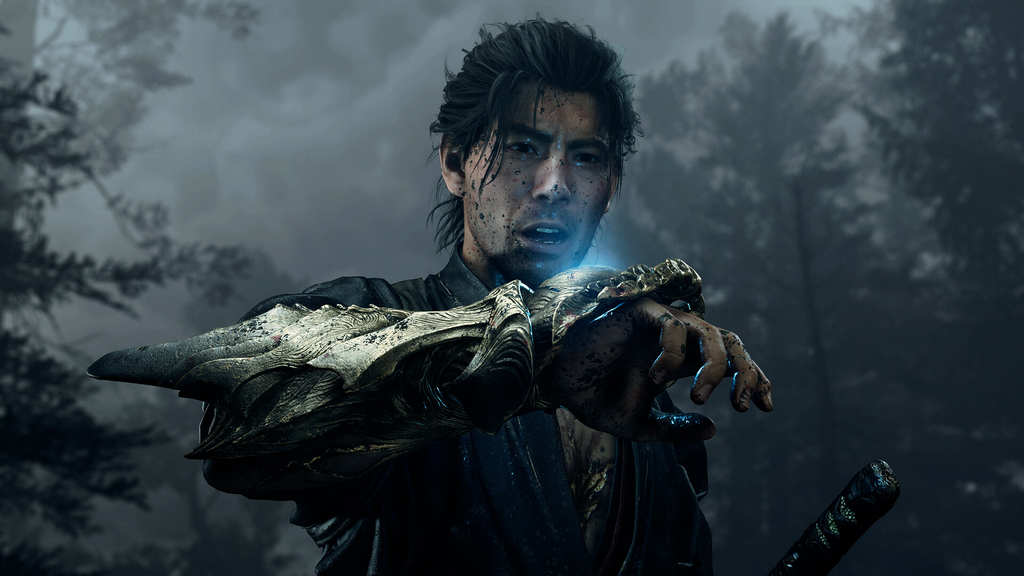
The game follows Musashi, a samurai modeled after actor Toshiro Mifune, through a dark fantasy version of Kyoto. His sword can strike, parry attacks, and deflect projectiles, and a prolonged parry lets him steer an enemy off balance. Striking and parrying drains an opponent’s stamina, which opens up “Break Issen,” a move that can instantly dismember standard enemies.
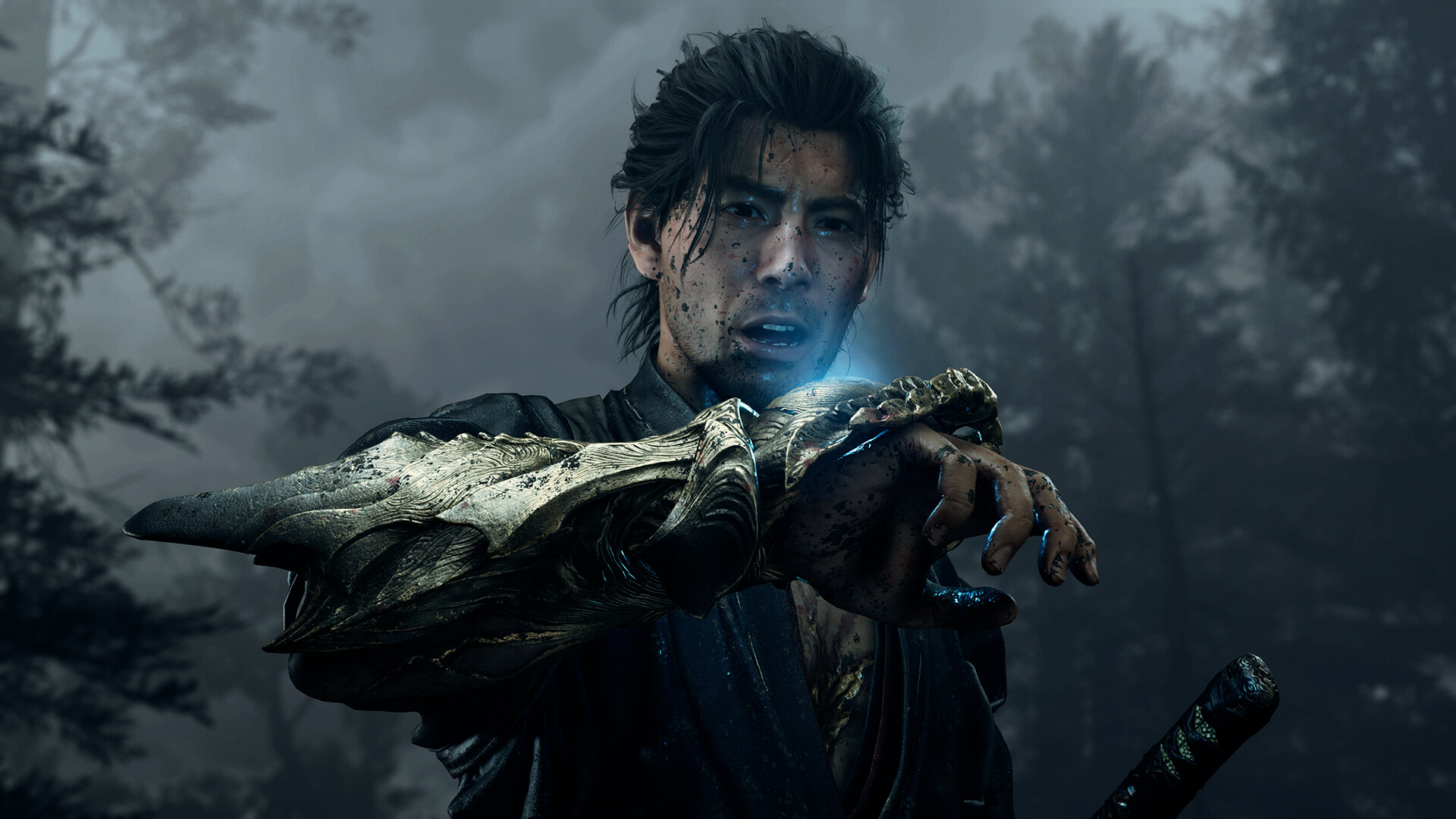
A sentient gauntlet absorbs the souls of defeated foes. Yellow souls restore health, red souls buy upgrades, and blue souls power “Oni Armaments,” special high-damage weapons. The gauntlet also enables “Oni Vision,” which reveals the location of enemies in an area. These systems are the core of the experience, which is why Capcom leans on the “character action” label rather than open-world or Soulslike framing.
Release, platforms, and the demo
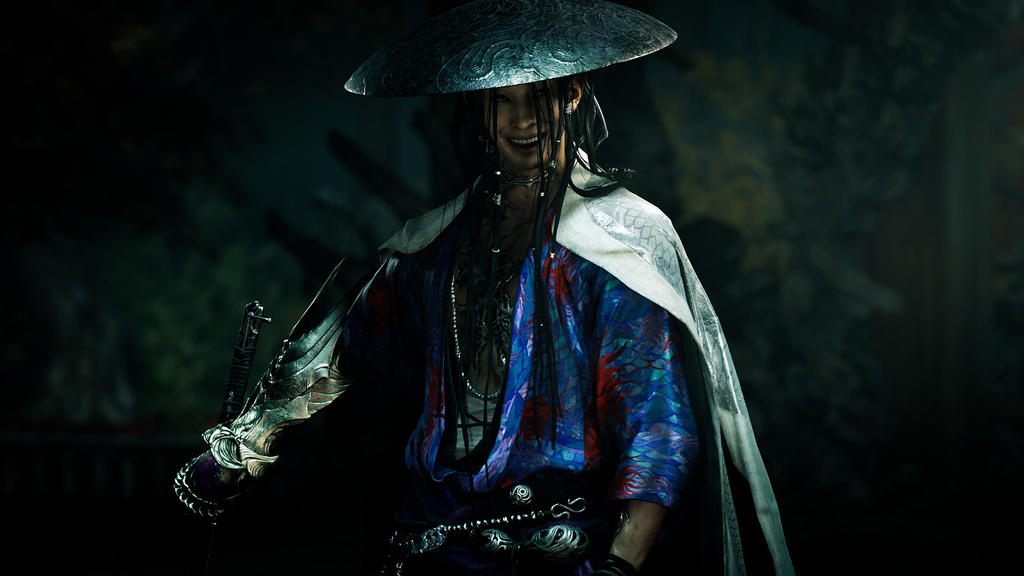
Onimusha: Way of the Sword releases on September 4, 2026, for Nintendo Switch 2, PlayStation 5, Xbox Series X/S, and PC via Steam. It is the first mainline Onimusha game since Onimusha: Dawn of Dreams in 2006, and its story is not connected to the earlier games, so newcomers can start here.
A playable demo is available on PlayStation 5, Xbox Series X/S, and PC. There is no demo on Switch 2, even though the full game launches on that platform as well. The demo showcases the tighter, linear stage design, so if you have only played that, you will not have seen the wider open-town portion of Kyoto yet.
The short version: stays the same across every platform. Way of the Sword keeps the classic, guided flow the series is known for, then opens one meaningful chunk of Kyoto for exploration, side content, and optional bosses. It is neither a checklist-heavy open world nor a punishing Soulslike, and that split is by design.