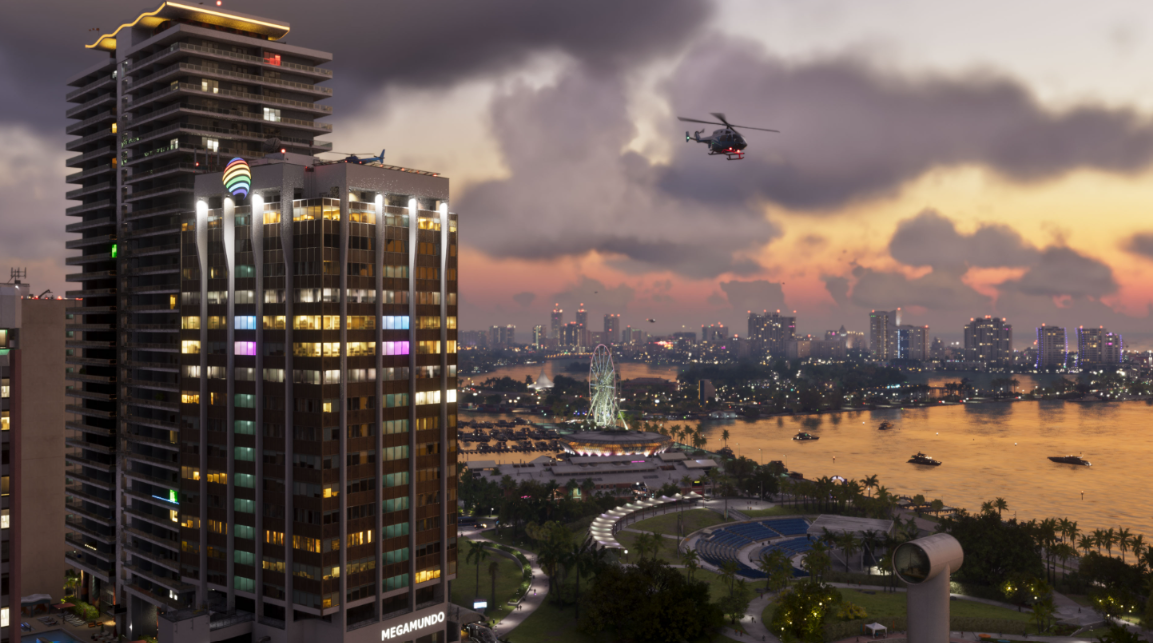
A large promotional push tied to Grand Theft Auto VI would have temporarily dressed parts of Miami-Dade County in Vice City branding, from the international airport to public transit. That plan is now on hold. Miami-Dade Sheriff Rosie Cordero-Stutz and Commissioner Juan Carlos Bermudez publicly opposed it, arguing the county should not put its name and public property behind a fictional world centered on crime.
Quick answer: Nothing has been formally agreed to or approved. County officials confirmed discussions with Rockstar Games, but the sheriff and commissioner want the idea dropped, so no Vice City rebrand is happening at this stage.
What the Vice City campaign would have changed
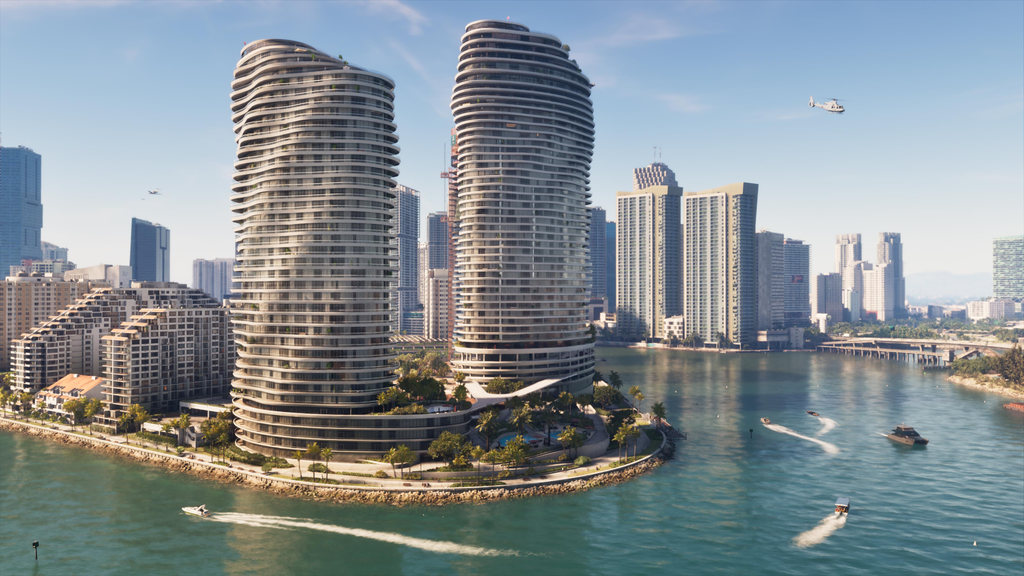
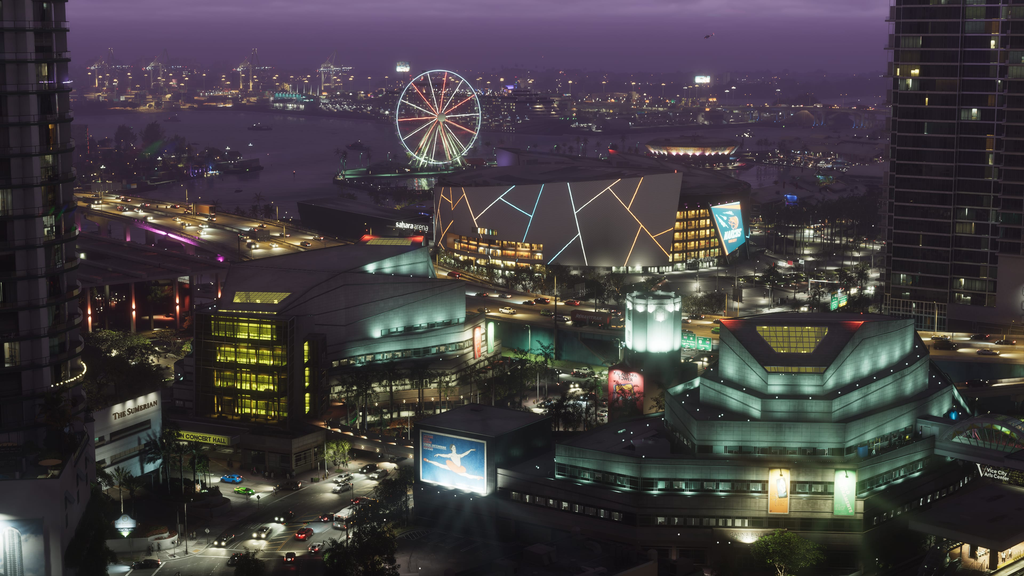
The concept centered on temporarily transforming county-owned facilities to match the look of Vice City, the fictional stand-in for Miami that anchors Grand Theft Auto VI. A presentation dated June 29, 2026 laid out preliminary ideas rather than a finalized deal, and every proposed activation was described as subject to feasibility checks, permits, property-owner sign-off, and formal approval.
| Location | Proposed activation |
|---|---|
| Miami International Airport | A wrapped display aircraft, themed baggage claim and carousels, column wraps, luggage carts, limited-edition luggage tags, and coordinated signage |
| Metromover and Metrorail | Vice City branding on trains, with select stations including Government Center, Brickell, and Bayfront Park; branding could extend to buses |
| PortMiami | A mural or installation inspired by the in-game Port Gellhorn, using shipping containers, cranes, and vessels |
| Downtown and Brickell | Themed manhole covers and utility-box wraps with recurring symbols and hidden details |
| Rickenbacker Beach | A public-art installation overlooking Biscayne Bay |
| Tropical Park | A car festival with classic cars, lowriders, motorcycles, music, and food |
| Main Library | A Vice City Radio studio for recording music, podcasts, and other media |
The financial logic on the county side is straightforward. Officials framed the tie-in as a tourism and revenue opportunity, betting that global attention around the game could pull visitors toward the real locations that inspired it.
Reporting on who initiated the pitch shifted over time. An early account said Rockstar approached the county, then was corrected to say Miami-Dade submitted the deck to Rockstar. Either way, the ideas remain proposals, not commitments.
Why the sheriff and commissioner pushed back
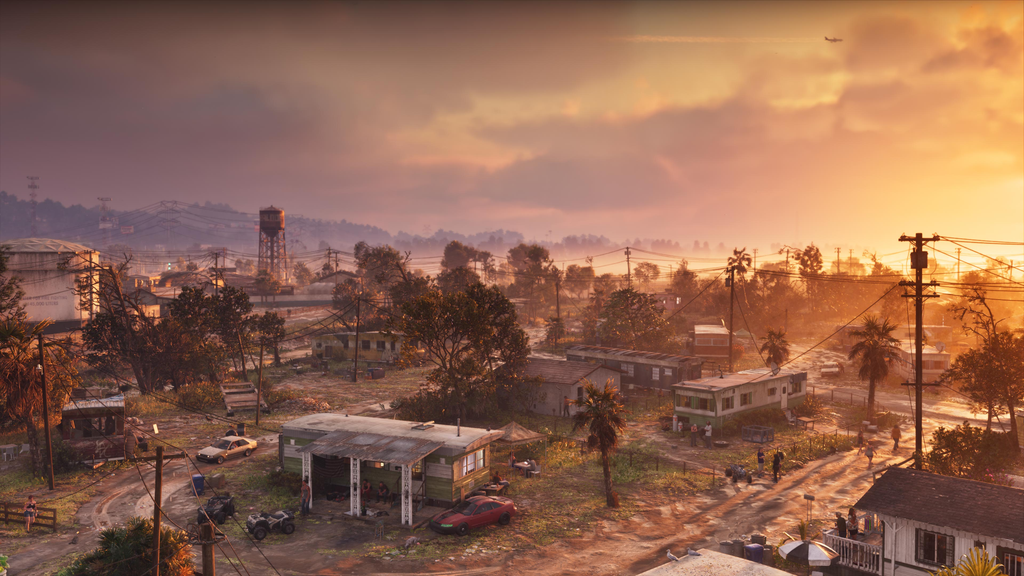
Cordero-Stutz and Bermudez issued a joint statement opposing the plans. Their core argument is not whether the game will draw attention to the region, but whether the county should use its public resources, facilities, and reputation to promote a version of Miami built around crime and lawlessness.
Grand Theft Auto is a video game franchise built around criminal activity. Its fictional world includes murder, robbery, drug trafficking, carjacking, violence against law enforcement, and other conduct that the men and women of the Miami-Dade Sheriff’s Office work every single day to prevent. Miami-Dade County is not Vice City.
Bermudez singled out the airport idea, saying he could not believe the county was considering a temporary rebrand of Miami International Airport as “Vice City Airport.” He said Miami-Dade has spent decades building a reputation as a destination for tourism, business, and investment, and should promote that identity rather than a fictional one defined by violence. He also called for transparency about any talks with Rockstar and a clear look at the costs and public benefits before anything moved forward.
The political backdrop
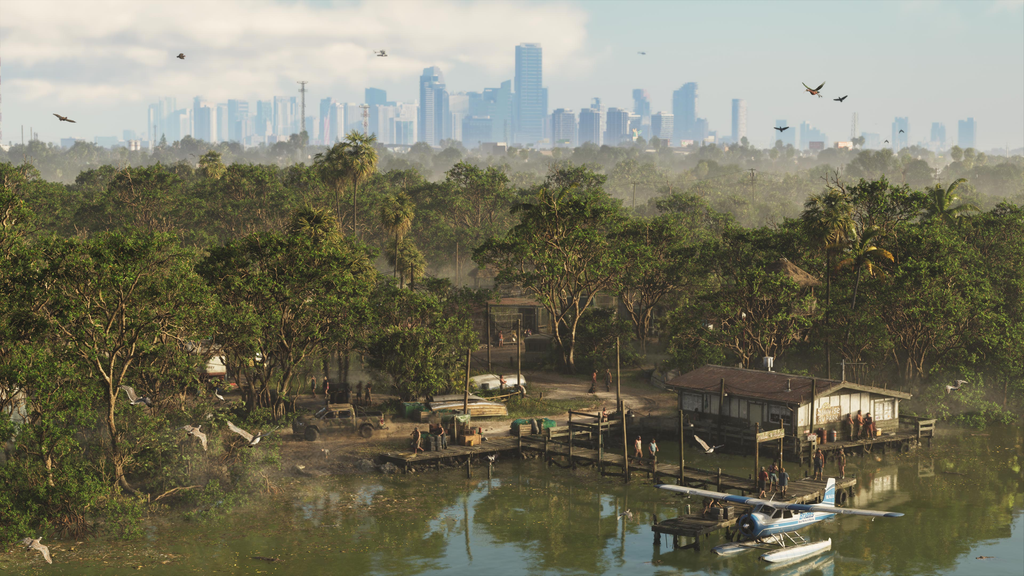
There is a partisan layer to the dispute. Mayor Daniella Levine Cava is a Democrat, while the commissioner and sheriff are Republicans, and there is friction over funding for the sheriff’s independent agency. That has fueled speculation that the opposition is partly a political maneuver rather than a straightforward objection to the game. The county’s official position, delivered through a spokesperson for the mayor, is that discussions happened but nothing has been approved, and that the tie-in could generate revenue while showcasing Miami-Dade to a huge audience.
Where the courts stand
Florida’s courts did not object to the broader proposals. The chief judge did ask, in a letter to the mayor, that all courthouses be excluded from any marketing, while noting respect for the creativity of the franchise and no intent to diminish the county’s plans. That leaves the courts on a more accommodating footing than the sheriff’s office, with a narrow carve-out rather than a blanket rejection.
Current status and what it means for the launch
As it stands, the Vice City takeover is a set of concepts, not a confirmed campaign. Any activation would still need to clear feasibility review, permitting, and formal county approval, and the public opposition from the sheriff and commissioner adds a significant political obstacle. Whether a scaled-back, in-person marketing stunt appears in Miami before the game’s release is unresolved.
Grand Theft Auto VI is set to launch on November 19, 2026 for PlayStation 5 and Xbox Series X/S, with Miami and South Florida serving as the direct inspiration for Vice City. That real-world connection is exactly what made the airport, transit, and port ideas attractive to county officials, and exactly what the sheriff’s office objected to.
For now, the outcome hinges on the approval process and the political standoff rather than on Rockstar’s marketing wishlist. Until the county signs off, the plan to blur the line between Miami and its fictional double stays on paper.