Money in Transport Fever 3 comes from one thing: delivering cargo or passengers to a point that actually wants them, inside the time the game allows. Everything else — loans, subsidies, vehicle choice — either feeds that flow or protects it. The payment rules changed from earlier games, so a few habits that used to work now just burn cash.
Quick answer: Build short cargo lines that drop finished goods where a town or industry demands them, finish the whole route before you assign vehicles, and deliver inside each cargo’s time limit. Payment depends on the cargo type and the straight-line gap between endpoints, not track length or vehicle speed.
How income is calculated
The game pays a fixed rate for each unit moved, measured against the distance between where it was picked up and where it was dropped off. The route your vehicle physically takes does not enter the sum.
| Type | Rate per metre | Per km | Multiplier applied |
|---|---|---|---|
| Cargo | 3.8 per unit | 3,800 per unit | Cargo income setting |
 Passengers Passengers | 3.6094 per passenger | 3,609.38 per passenger | Passenger income setting |
Distance is the straight line between pickup and delivery, with 8 metres added for every metre climbed. So a delivery that goes up a steep hill counts as slightly longer than one across flat ground. More complex goods are worth more because the chains that make them carry more units to the town.
Longer track, faster trains and spoilage do not pay more
Because payment is tied to the endpoints, a winding railway earns exactly the same as a direct one between the same two industries. In a controlled delivery, 8 units of oil paid $78,872 — about $9,859 per unit — and extending the track into a long detour did not raise that figure. All the detour did was add travel time and monthly upkeep.
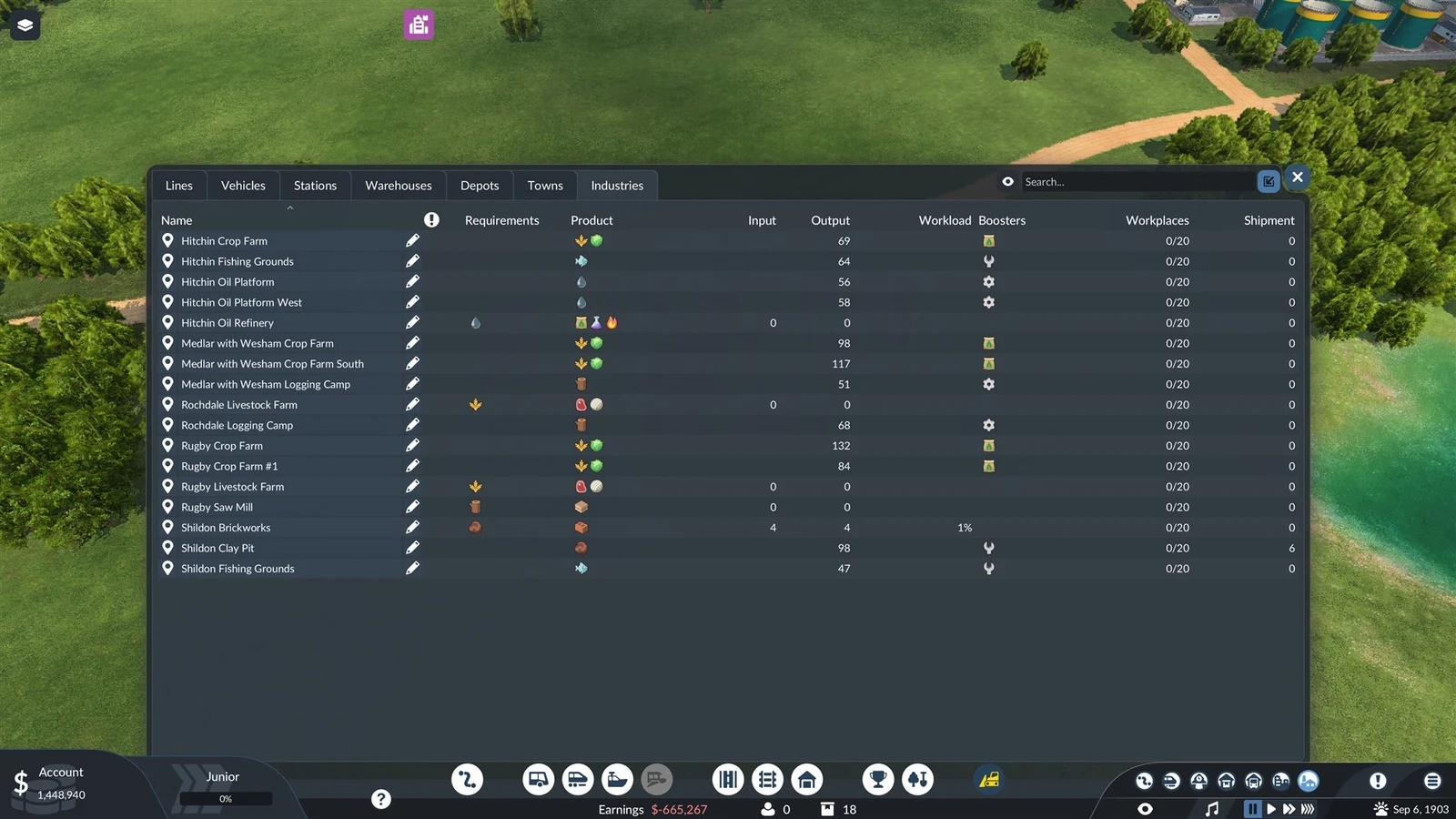
Speed behaves the same way. Swapping in a faster locomotive did not change the pay per unit. A faster wagon carrying 22 units earned $216,898, again around $9,859 a unit — the larger total came purely from carrying more, not from moving quicker. A fast vehicle is worth buying only when it replaces several slower ones or clearly lifts the amount delivered, because its running cost is usually higher.
Spoilage did not cut the payment in testing either. The same quantity delivered at 0% and at 83% spoilage both paid $78,872, so a completed shipment pays for what arrives regardless of the spoilage figure shown.
Freight is credited only when goods reach the destination that consumes them. If you route oil through a warehouse or transfer station, those intermediate legs show no income until the final leg delivers to the refinery, and then the payment is split across the legs that carried it.
Deliver cargo within its time limit
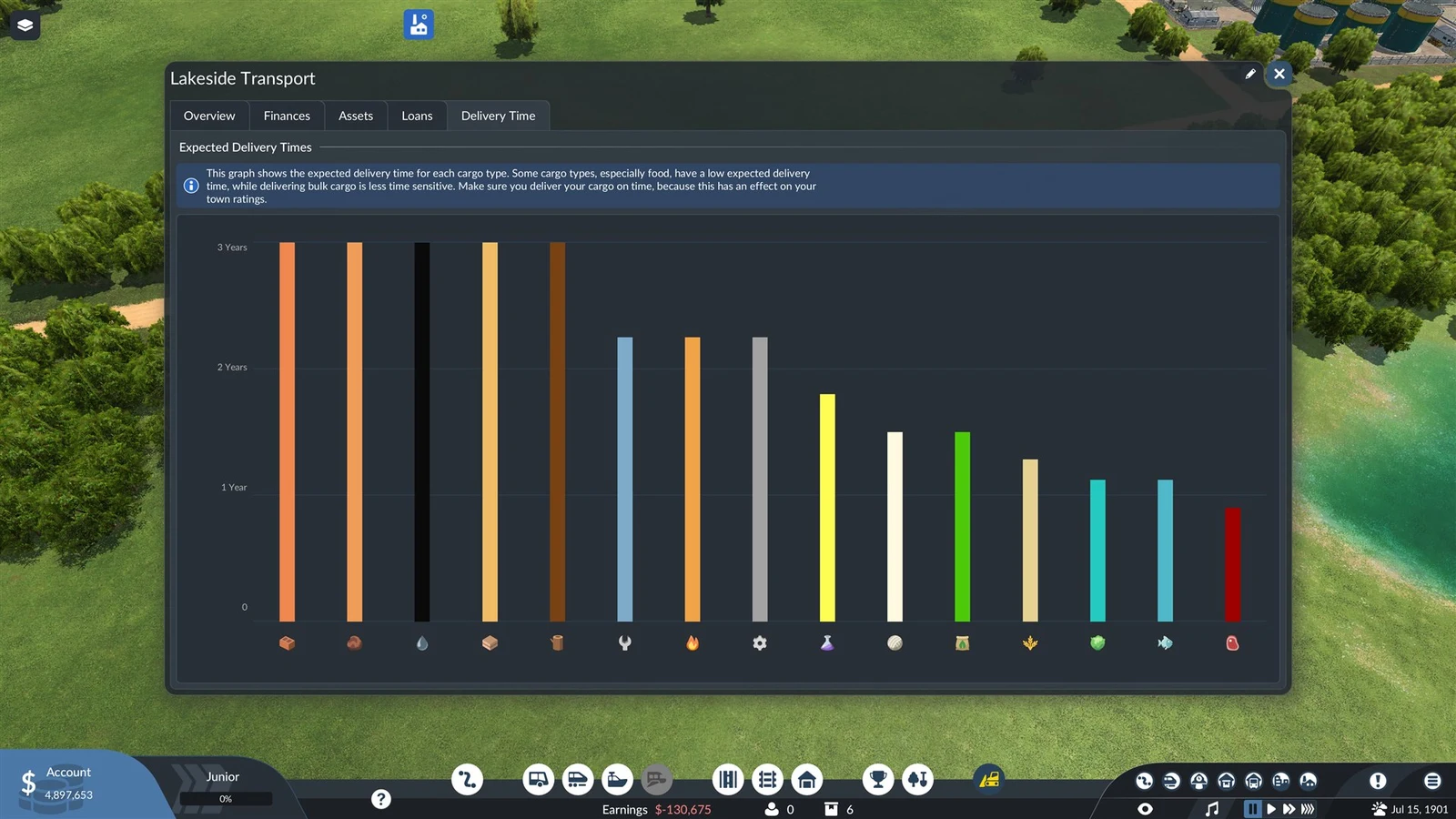
Every cargo type has a delivery window. Hit it and you get paid in full and keep the town’s delivery rating healthy; miss it and the town’s rating suffers. Treat on-time delivery as the target. The limit the game shows is the base time multiplied by a factor it applies itself (about 1.49 in 1901), and it shifts as the years pass.
| Cargo | Base days | Limit shown in 1901 |
|---|---|---|
 Fish Fish | 281.2 | 1 Year 1 Month 24 Days |
 Fertilizer Fertilizer | 375 | 1 Year 6 Months 12 Days |
 Vehicles Vehicles | 562.5 | 2 Years 3 Months 18 Days |
 Crude Oil Crude Oil | 750 | 3 Years 24 Days |
Perishable goods with a tight window want your faster vehicles. Slow, low-value bulk can sit behind cheaper ones.
Company rank and inflation shrink your income
As your company climbs through the ranks, the payment multiplier falls on a straight line from x1 at the first rank down to a floor at the top rank. That floor is set by the Inflation option you chose when creating the game.
| Inflation setting | Multiplier at top rank |
|---|---|
| None | x1 |
| Low | x0.9 |
| Normal | x0.75 |
| High | x0.6 |
| Very High | x0.5 |
Advanced settings contains separate Passenger Income and Cargo Income multipliers; vehicle and infrastructure costs and upkeep are adjusted under Finances. Changing any of these from standard values can disable achievements, so choose your settings before starting a run.
Finish the whole line before running vehicles
Pause the game while you set up. A vehicle costs money to run from the moment it enters service, whether or not it is carrying anything. If you build a fish route from the fishing grounds to the city but start the city leg first, your trucks patrol empty streets with no fish to collect while you pay their upkeep.
Put the complete chain in place, let a little cargo build up, then assign vehicles. Set the vehicle to Full Load (If Any) so it waits for a load rather than leaving empty. The same applies to passenger lines, which take time to gather their first riders and often run empty cycles if you crew them the instant they are drawn.
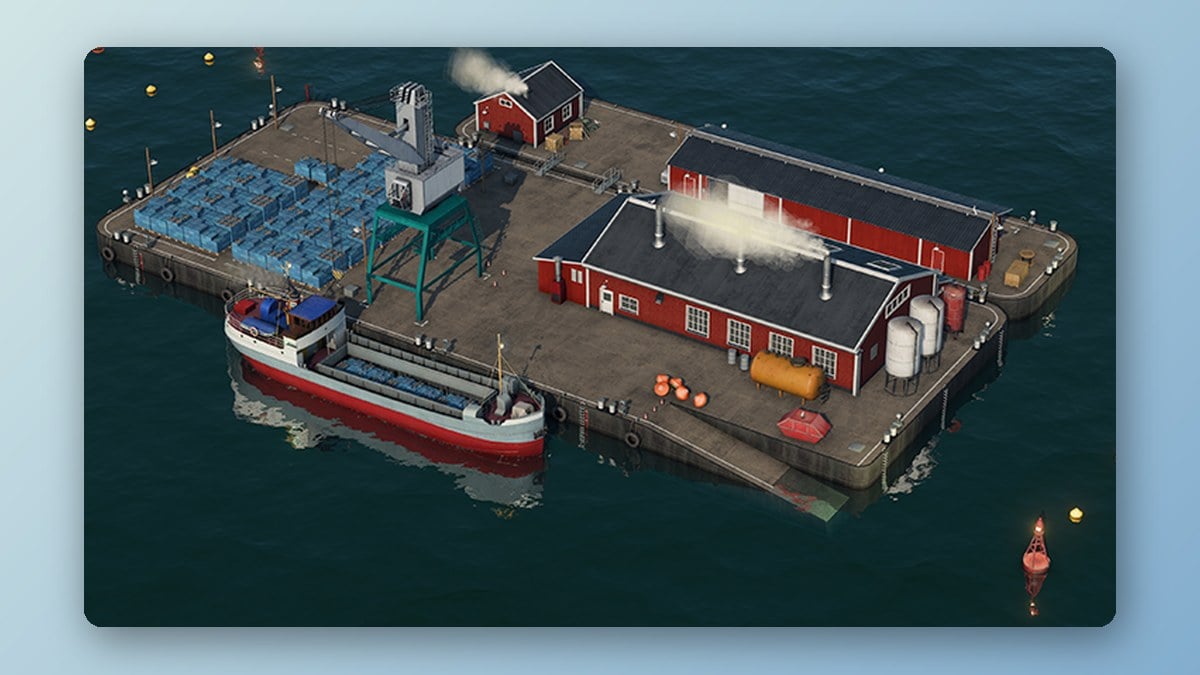
A Fishing Grounds produces 12 Fish with no input, so an early line that carries that fish to a town’s commercial district fills to capacity quickly and turns a profit faster than a passenger loop.
Time subsidies so the deadline starts late
Subsidies pay cash up front the moment you accept them, and their deadline clock starts at the same instant. A subsidy stays on offer for a fixed number of days — over five full months — before it auto-declines. Declining costs nothing.
Use that gap. Build everything the subsidy needs first — lines, depots, and any vehicle that has to sail or drive across the map to reach its route — then accept the subsidy on the last day it is available. By then your vehicle is already in position, so you start ahead of schedule instead of paying for weeks of travel against the clock.
Finishing a contract may award town XP, provide a bonus payment, or activate 2x income for a limited time. Failure takes back the up-front payment and may also bring a fine. A Supply Town offer in Falmouth paid $36,000,000 and added +2k income for 5 years; it came with a 1 Year 2 Months deadline and a $17,400,000 failure fine, so accept only contracts you can complete with time to spare. Available contract types are Supply Industry, Supply Town, Connect Towns, and Transport Workers.
Keep vehicle and road costs down
Running costs tick every year no matter how full a vehicle is, so match the vehicle to the job rather than buying the most expensive option. Start a line with one vehicle, watch how much it carries and how much it misses, then add a second only when demand justifies it.
| Vehicle | Price | Running cost / year | Capacity |
|---|---|---|---|
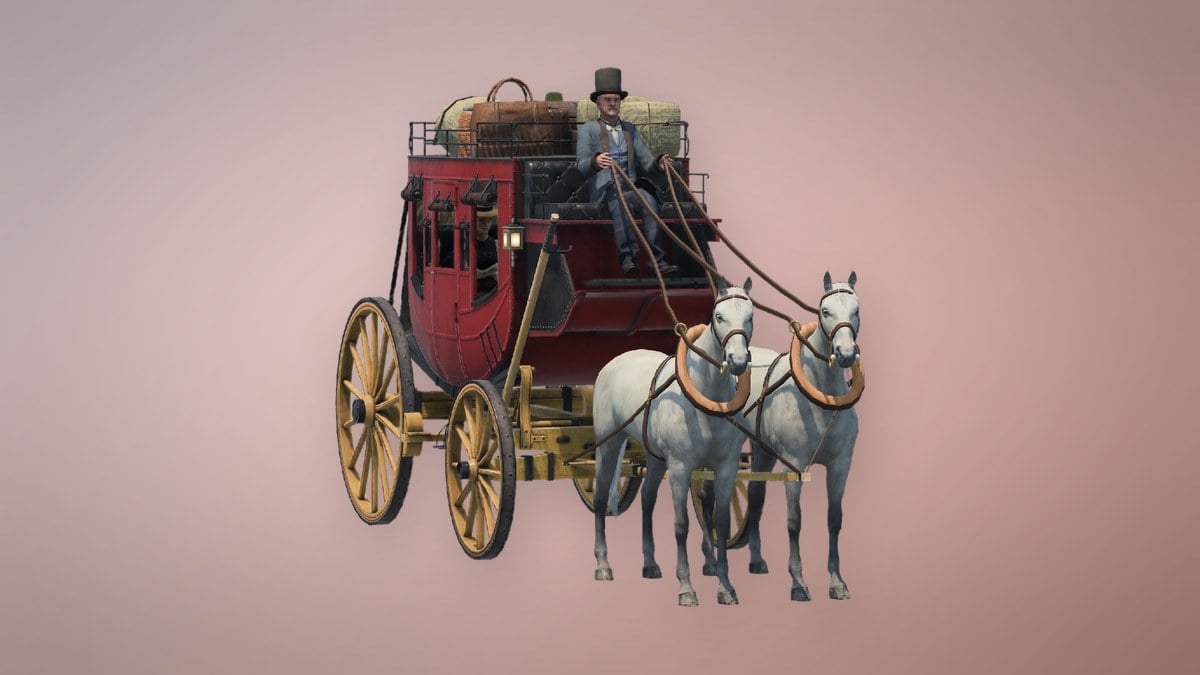
 Stagecoach Stagecoach | 96,882 | 16,147 | 6 passengers |
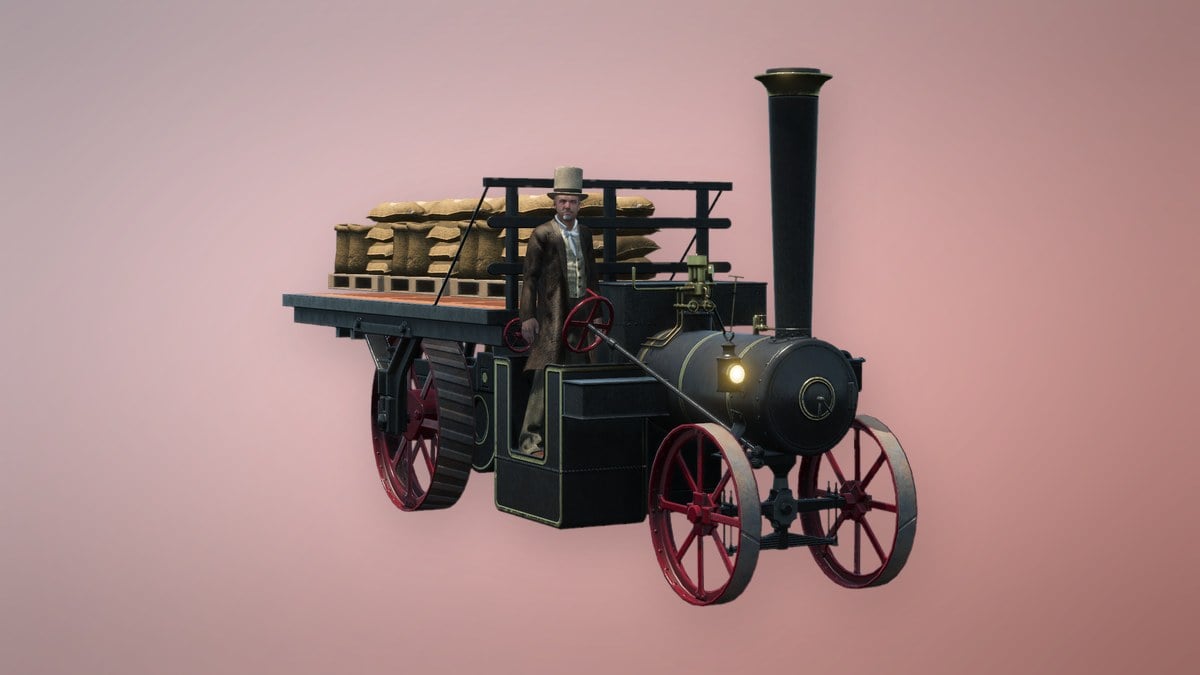
 Steam Truck Steam Truck | 183,594 | 30,599 | 10 (any cargo) |
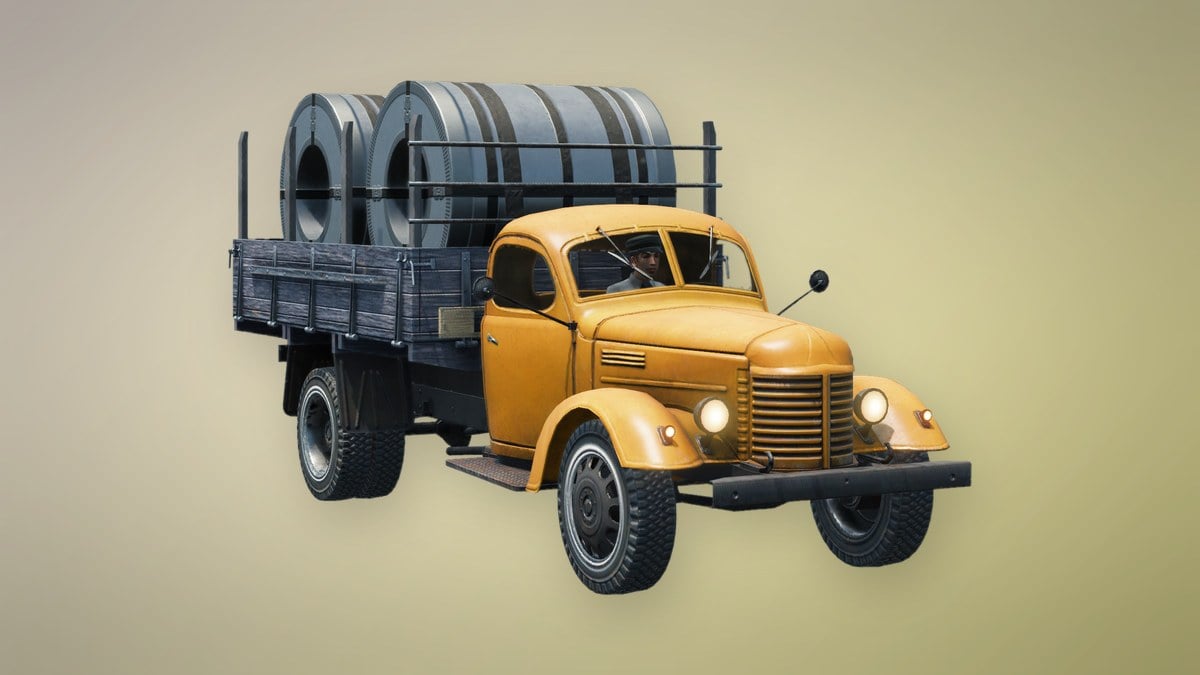
 ZIS-150 Stake ZIS-150 Stake | 718,533 | 99,796 | 15 (flatbed) |
The Stagecoach is a cheap early passenger option that moves 6 riders with a modest yearly cost.
The Steam Truck carries any cargo type at a low running cost, which makes it a safe first freight hauler.
The ZIS-150 Stake carries more on a flatbed but costs far more to run each year, so reach for it only when a line genuinely needs the extra capacity.
Roads cost real money, and crossing hills with tunnels and bridges costs more. Keep the Follow Terrain option on so a road hugs the ground and only builds a tunnel or bridge where one is unavoidable. Start with the cheapest road or track, too — the basic tier usually clears subsidy deadlines just fine.
Find the lines losing money
A line can show a negative balance for several reasons, and each calls for a different fix. A passenger service might not carry enough riders. Freight vehicles can travel without a load if their loading options are misconfigured. A distribution leg may appear to lose money because it serves a warehouse, where revenue is held until the goods complete their journey.
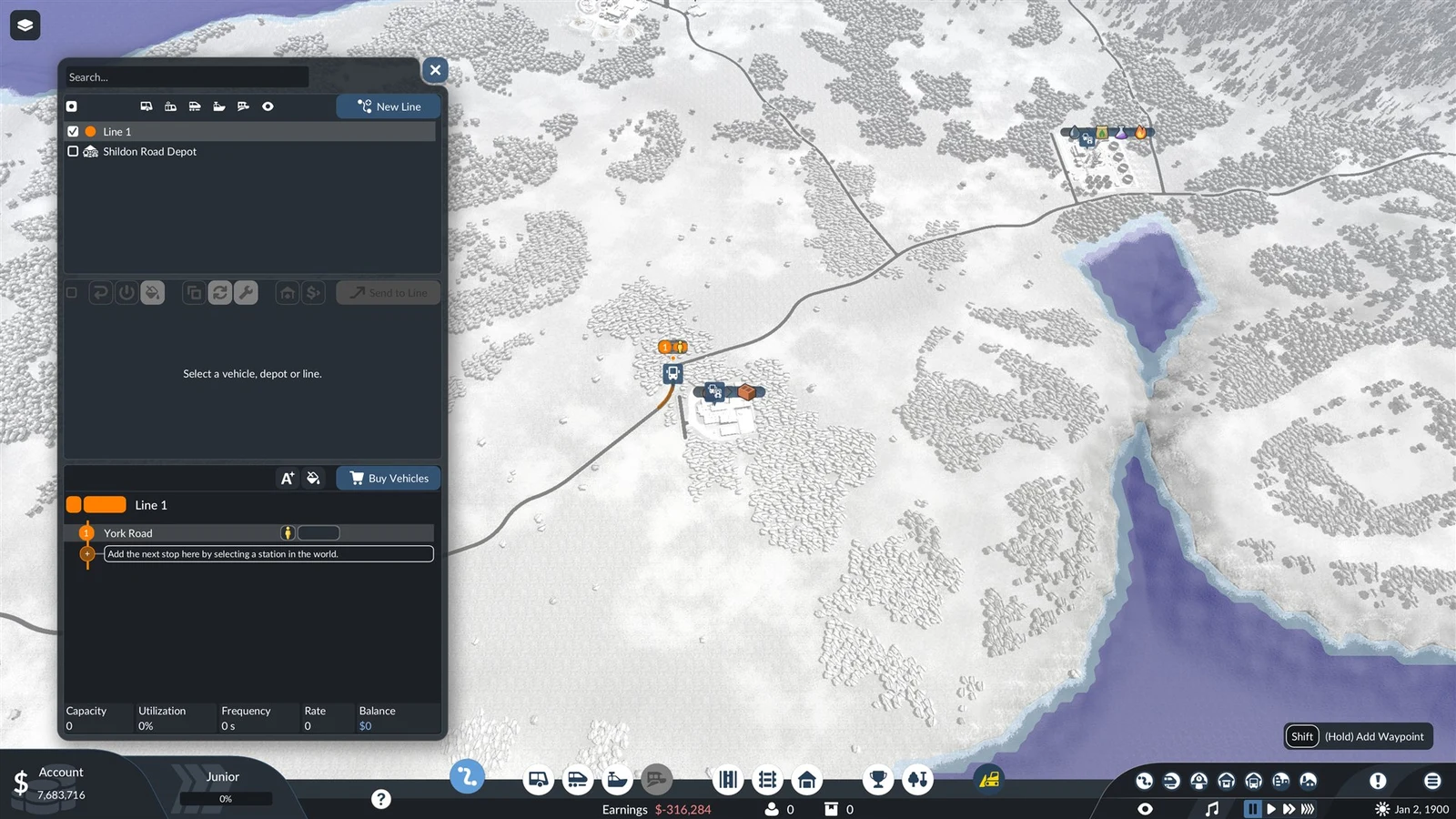
- Open the Line Statistics screen (F2) and rank lines by their Balance column.
- Open Vehicle Statistics (F3) to find the individual vehicles bleeding cash.
- In the Balance chart, check that the income line sits above the cost line.
- Add capacity only where passengers or cargo are visibly waiting, not to a service already running near empty.
When operating income can comfortably cover the company without more borrowing, clear loans early with the Repay button. Interest is charged monthly and repayments come out in 15-day intervals, so paying down debt once a few lines are reliably in the black frees up cash for the next complete route — which, in the end, is the only thing that pays.