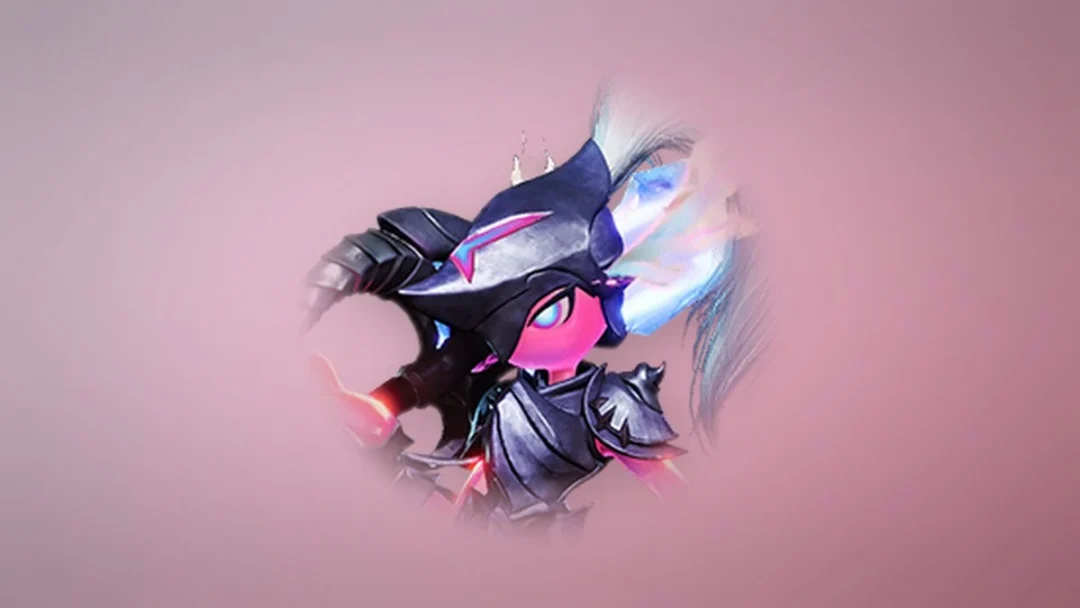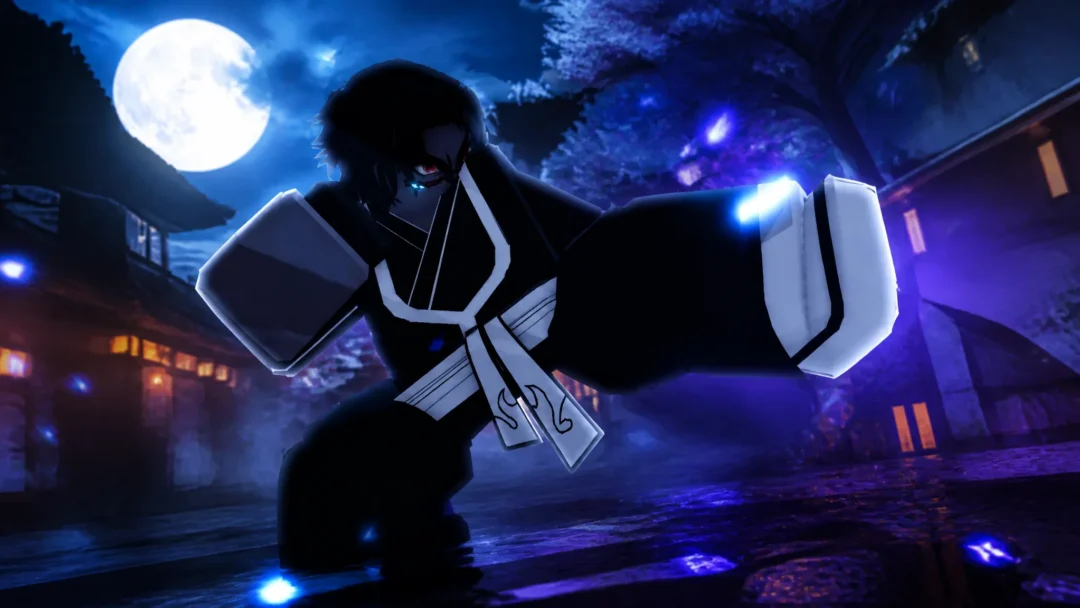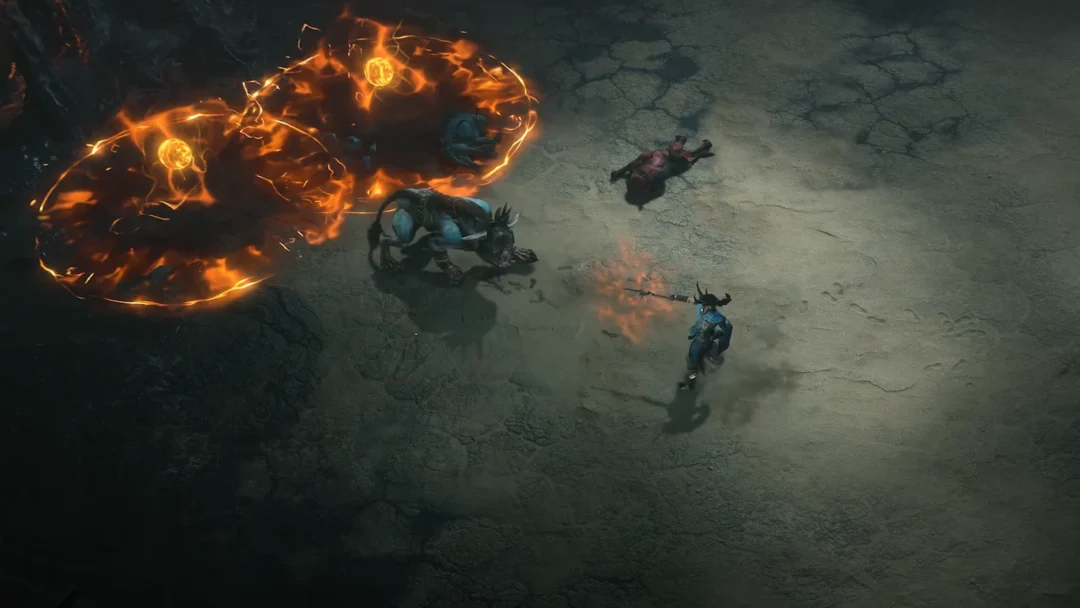
Meteor Goliath was the first adaptation added to Evolve, and it is still the clearest example of what an adaptation is meant to be. It keeps the Goliath silhouette, the same four abilities and the same brawler role, but every ability is rebuilt around residual fire damage, with blue flame effects, reworked audio and wider area coverage. Turtle Rock Studios shut the game’s dedicated servers down in September 2018, so anything below applies to the version people still play through community setups.
Quick answer: Meteor Goliath is Goliath’s adaptation variant, rebalanced around residual fire and longer ability range. Open with one point each in Fire Breath, Leap Smash and Charge, and leave Rock Throw empty at stage one.
What Meteor Goliath changes compared to Goliath
The kit is identical on paper. Rock Throw, Leap Smash, Fire Breath and Charge, plus a leap traversal and the same heavy and light melee attacks. The difference is in how the damage lands. Meteor Goliath’s abilities apply burning area damage that lingers, so hits that clip two or three hunters at once keep ticking on all of them instead of only on the one you focused. Increased range on its abilities means you can spread that burn across a whole hunter team rather than chasing one target.
Archetype-wise it sits with Goliath and Behemoth as a brawler, meaning close-range pressure and gap closers. Kraken is the ranged sorcerer, Wraith the assassin and Gorgon the summoner. Playing Meteor Goliath like a poke-from-distance monster fights the design, since its strength is landing overlapping fire on a grouped squad.
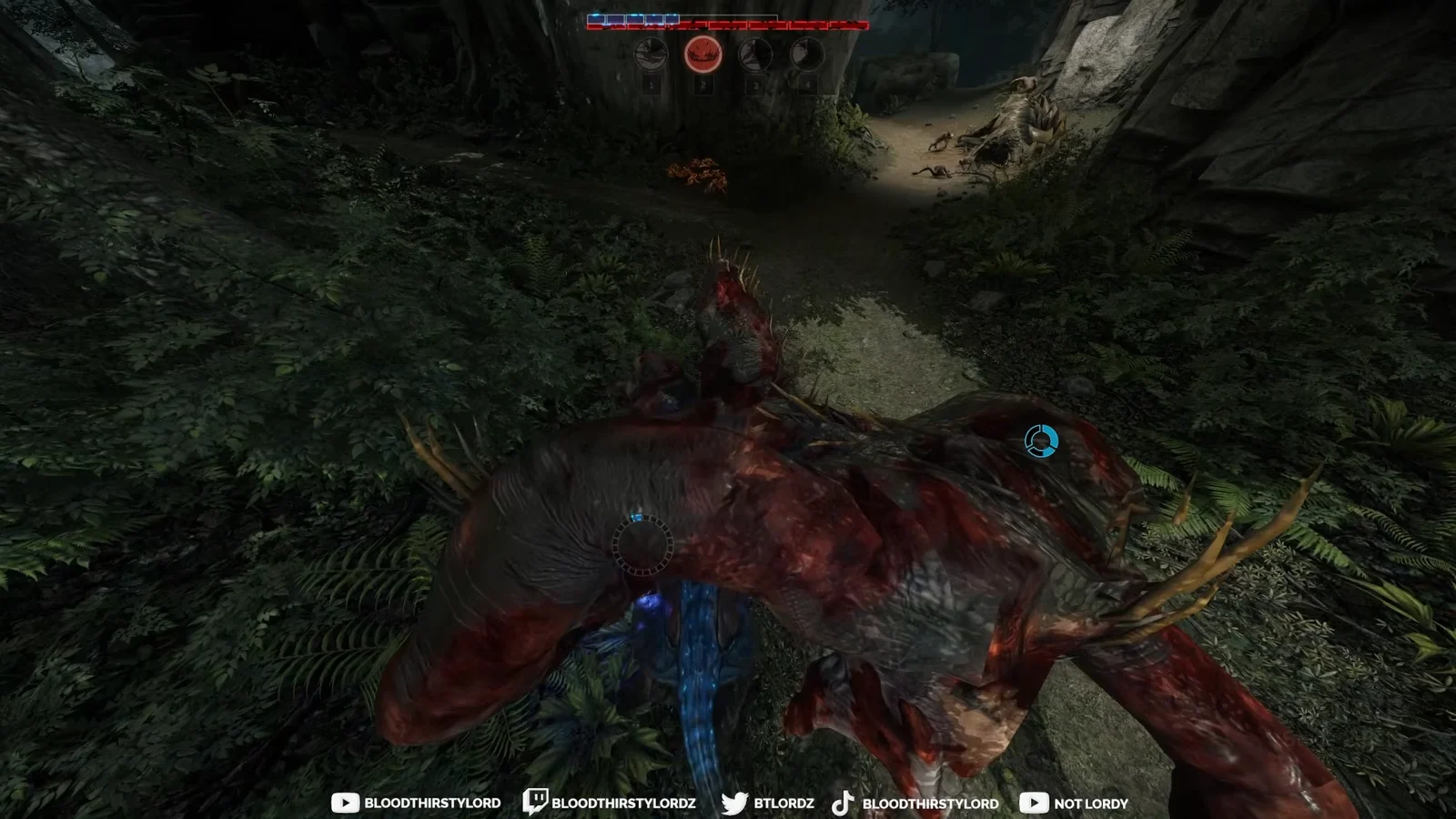
Stage 1 ability points: Skip Rock Throw
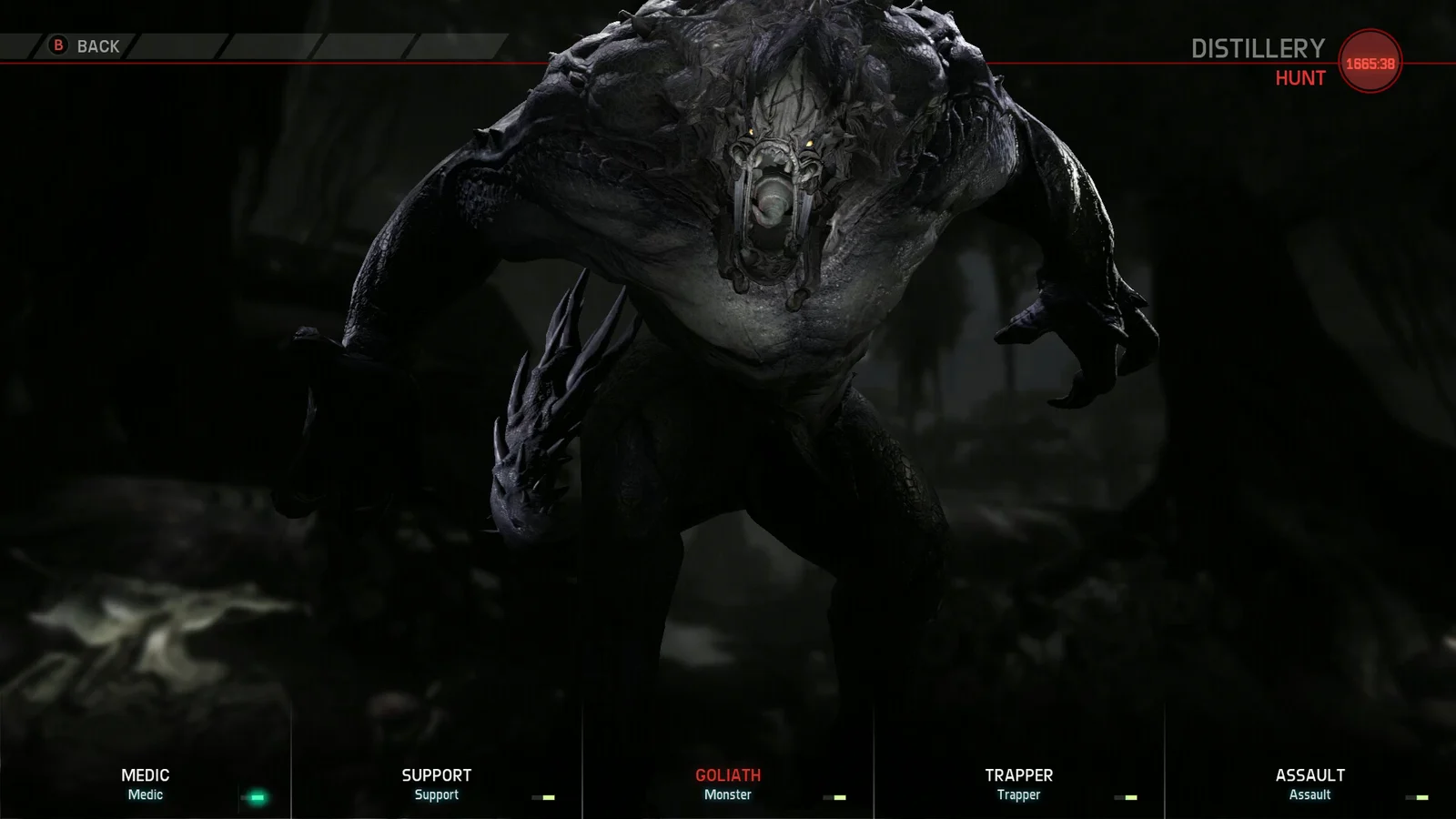
Pregame lasts up to two minutes and covers monster selection, ability points and perks. You get three points to spend before the match, and spreading them one-per-ability across three skills beats stacking them. Wraith is the exception to that rule, not Meteor Goliath.
Rock Throw is the ability to leave alone. At one point it travels slowly, has short range and a small blast radius, and the wind-up telegraphs it so clearly that competent hunters simply jetpack out of the way. The damage is real, but you cannot land it reliably enough to justify the point. Put one point each into Fire Breath, Leap Smash and Charge instead.
Fire Breath earns its slot twice over. It burns, it reveals cloaked hunters and it keeps them visible for as long as they are alight, which matters against a Support running cloak for the team. Leap Smash and Charge are your engage and disengage tools, and both double as movement when your traversals are on cooldown.
A misallocated point is not fatal. You receive three more points at stage 2 and two at stage 3, so early mistakes get corrected as the match goes on.
Perk selection: Five safe picks and two to avoid
You pick one perk from nine, and most of them scale across three levels.
| Perk | Level 1 | Level 2 | Level 3 |
|---|---|---|---|
| Cooldown reduction | 10% | 15% | 20% |
| Damage increase | +5% | +7.5% | +10% |
| Damage reduction | +5% | +7.5% | +10% |
| Movement speed | +15% | +20% | +25% |
| Traversal regeneration | +10% | +20% | +30% |
| Feeding speed | +33% | +55% | +75% |
| Climbing speed | +50% | — | — |
| Armour regeneration | +75% | +125% | +175% |
| Smell range | +37% | +55% | +75% |
The top five all pay off in every fight, so if you are unsure, take any of them. Feeding speed and climbing speed are situational rather than bad. The two to skip are armour regeneration and smell range. Armour regeneration does nothing for the armor you actually use, since eating wildlife grants 500 armor per bar consumed and that is not affected by the perk. Smell range contributes nothing during a chase or a fight.
Below your name is a Customise option for skins, and a ready switch that flips from red to green. Until everyone is readied, you can freely change monster, points and perk.
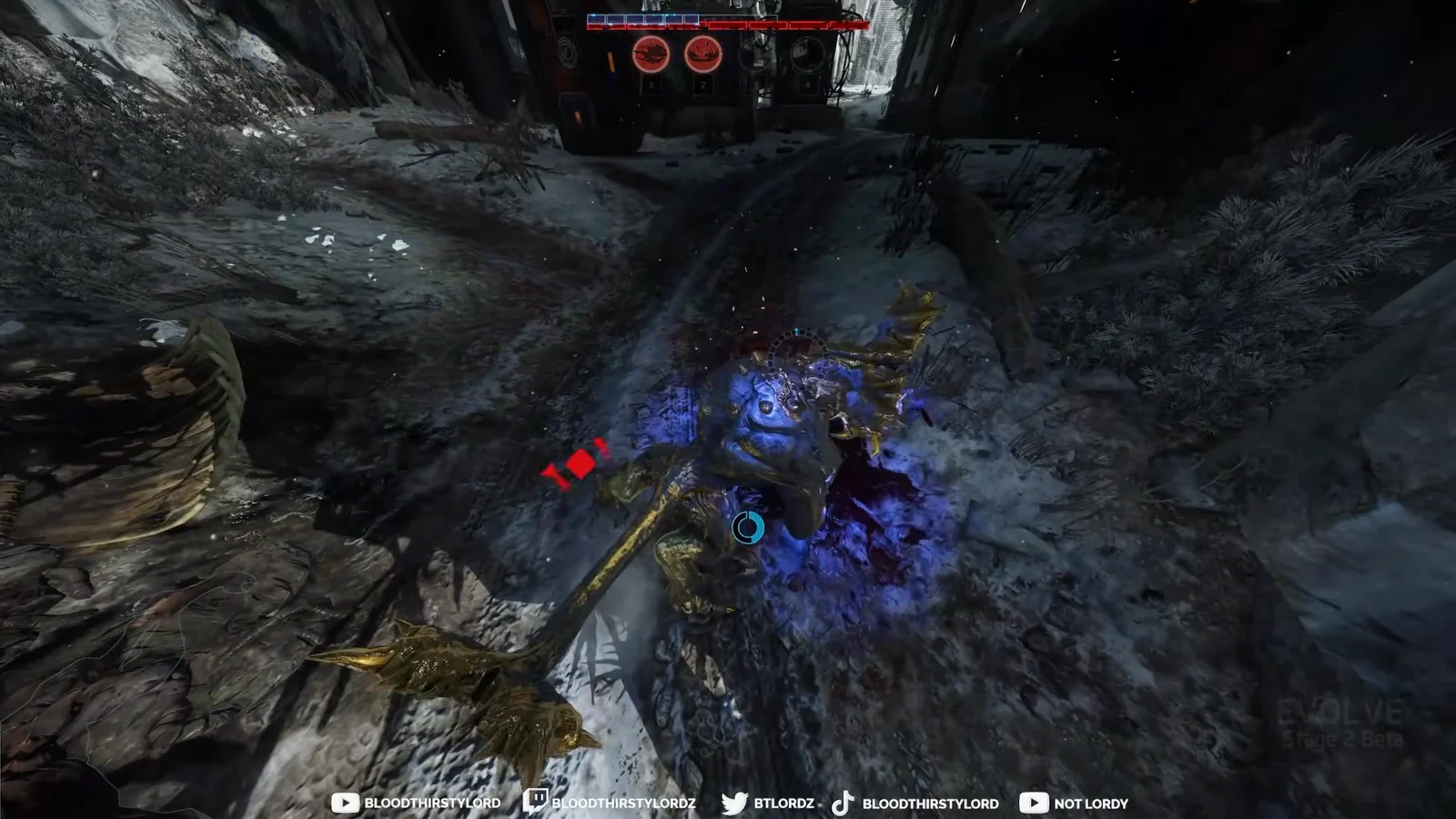
Feeding routes and the stage 2 rush
You spawn in and get control of the monster 10 seconds later. The hunters drop 30 seconds after that. Wildlife only begins spawning once 20 seconds have elapsed, which is 10 seconds after you take control, so sprinting straight down a route the moment you can move leaves you running past empty ground.
The timings use Goliath—the game’s quickest monster—as the benchmark. Meteor Goliath uses the same chassis, so they apply to it as well. Slower monsters, including Kraken and Behemoth, will fall behind on these paths.
Evolution stages and stat growth
Evolving means retreating into a chrysalis, which leaves you exposed for the duration and hands the hunters a free window if they find you. What you get back is a bigger body, a refilled and extended health bar, more armor and more ability points. The Goliath frame grows like this:
| Stage | Health | Armor | Height |
|---|---|---|---|
| 1 | 8,000 (5 bars) | 4,000 (8 bars) | 6.3m |
| 2 | 13,000 (8 bars) | 5,000 (10 bars) | 12.4m |
| 3 | 18,000 (10 bars) | 6,000 (12 bars) | 20.6m |
Leap height jumps from 31.1m at stage 1 to 54.7m at stages 2 and 3, and you carry three traversals that recharge every 17 seconds. Stage 3 is also the point at which destroying the Power Relay becomes a realistic win condition alongside wiping the squad.
Fighting inside the dome
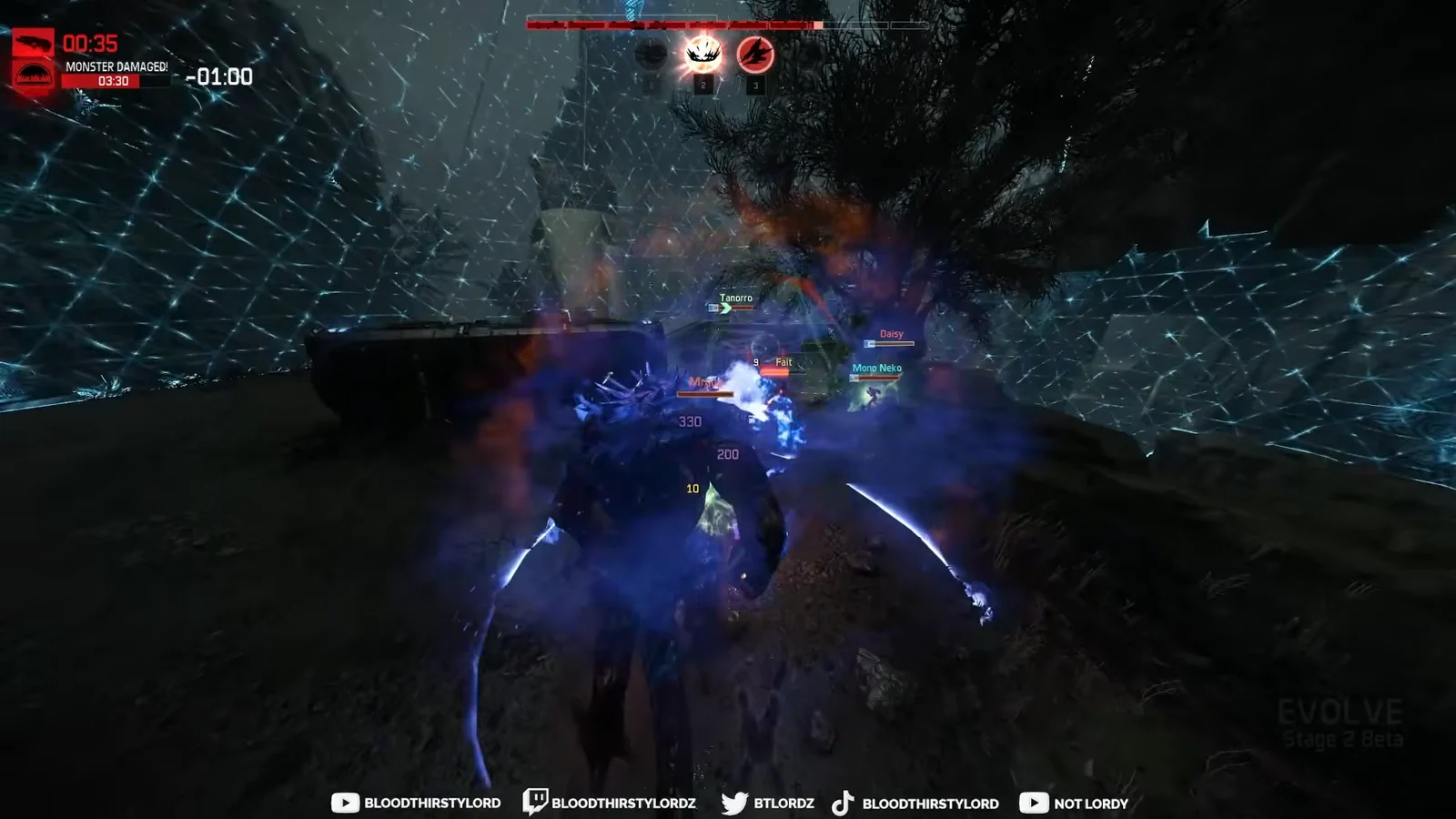
A standard squad is one hunter from each class — Medic, Support, Trapper and Assault. The Trapper’s mobile arena is what forces the fight, and once it drops your options are to kill someone or survive until it expires.
If you are domed at stage 1 with low armor, do not stand and trade. Keep moving, put terrain between you and the squad, and use leaps to break their firing lines until the dome drops or the Trapper goes down. Harpoons halve the range of Charge and Leap Smash, though other slows leave their range and speed alone.
When you do commit, the combos matter more than raw damage. Leap Smash briefly stuns, which opens a pounce or an immediate Charge, and Rock Throw finishes the sequence as the hunter tries to peel away. Fire Breath’s range is longer than it looks and works well for cutting off a runner. Knockback from Leap Smash, Charge and Rock Throw is also a positioning tool, shoving hunters off high ground and splitting their formation.
Target selection decides most fights. Dropping the Medic first removes the squad’s healing and revives, after which the Support and Assault fall much faster. Baiting a rescue works too — let a downed hunter sit, look distracted, then Leap Smash back onto both the body and whoever came to pick it up. That is how you catch a Lazarus before the glove comes out.
How to confirm an evolve or a win registered
An evolve has gone through when the chrysalis animation completes and the upgrade screen opens with your new points available. After you allocate them, the model is visibly larger, the health bar has more segments and both health and armor are full again. If hunters interrupt the chrysalis, the process is disrupted and you do not get the stage.
The match itself ends on an explicit screen. Downing the last hunter triggers the Monster Wins! result, while losing your final health bar produces the Hunters Win screen, followed by the post-game character overview with your stats and rewards. There is no ambiguity about who took the round.
None of this makes Meteor Goliath a different monster to learn from scratch. It is the same feeding rhythm, the same three-stage curve and the same close-quarters gameplan as Goliath, with fire that keeps burning after you have already moved on to the next target.