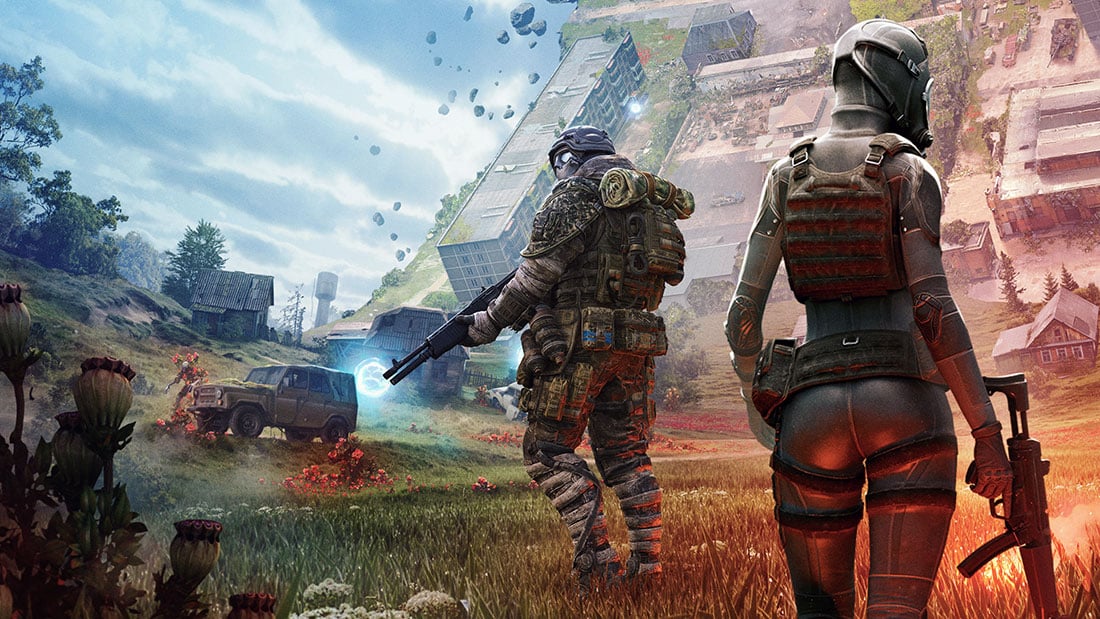
Active Matter is a sci-fi tactical extraction shooter where you raid anomaly-warped locations, fight mutated monsters, gather loot, and try to reach an extraction portal before you die. What sets it apart from most hardcore extraction games is that it does not force you into shared lobbies. Alongside the usual player-versus-player-versus-environment raids, it ships with a dedicated solo mode built entirely around fighting the environment.
Quick answer: Isolated Raid is the game’s solo PvE mode. No other players can enter, so you can learn map layouts, complete contracts, and collect gear against monsters only, then extract to keep what you found.
The three raid types in Active Matter
Every deployment falls into one of three formats. You pick the format and the map at the mission terminal before launching, and each one changes who else is in the zone with you.
| Mode | Who is in the zone | Goal |
|---|---|---|
| Isolated Raid | You only, plus monsters (solo PvE) | Complete contracts, loot, and extract with no player threat |
| Open Raid | Monsters and hostile online players (PvPvE) | Loot and extract while other operators hunt the same gear |
| Unstable Zone | Players and monsters in a shrinking arena | Survive as an anomaly wall collapses toward a final circle |
Isolated Raid is marked directly as PvE and uses solo-only matchmaking, which makes it the safest place to master mechanics without another operator getting the drop on you. Open Raid keeps the full extraction tension by adding live players. Unstable Zone plays closer to a battle royale, with a blue anomaly boundary that closes inward in stages until survivors are pushed into one small extraction area.
The Shelter hub and Body Sleeves
Everything starts in the Shelter, a walkable personal base. Inside it you switch operators, build loadouts, refine loot, and launch raids. The appearance terminal lets you select a Body Sleeve, which is the game’s version of a character class. Each Sleeve has fixed passive stats and slots for chronogene implants that you install back at the Shelter.
The passives change how you carry and use gear rather than just cosmetics. Two examples show the range:
| Body Sleeve | Inventory volume | Key passives |
|---|---|---|
| Breach | 200 | +30% item recognition speed, +50% handgun storage |
| Reaper | 500 | +20% reload/heal speed, +50% melee, -25% shock time |
Other Sleeves include Rhino, Mermaid, Bulwark, Paladin, Phantom, Angel, Avis, Mirage, Shadow, and more, each tied to a named operator identity. Once you pick one, you kit it out and save presets for fast deployment.
Building and saving a loadout
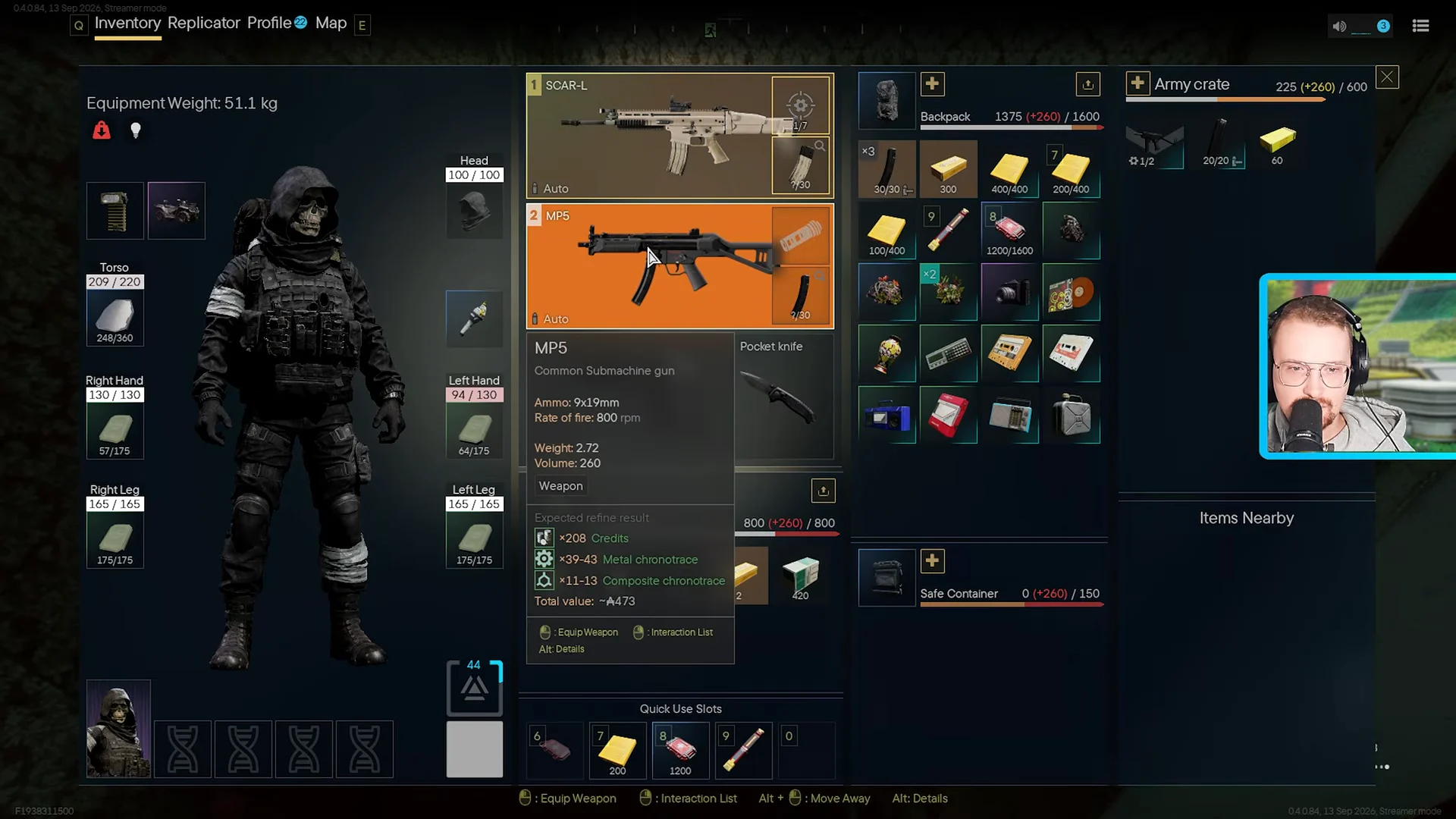
Assemble a complete kit in the Workshop and save it as a gear preset. Your loadout consists of a primary weapon, a sidearm, armor plates, a chest rig, a backpack, and a safe container. One example build uses a SCAR-L rifle (5.56x45mm, 30-round mag) fitted with a collimator optic, alongside an M9 pistol, a small rig, a backpack, and steel armor plates. Store the preset to put the entire kit back on with a single action before a raid.
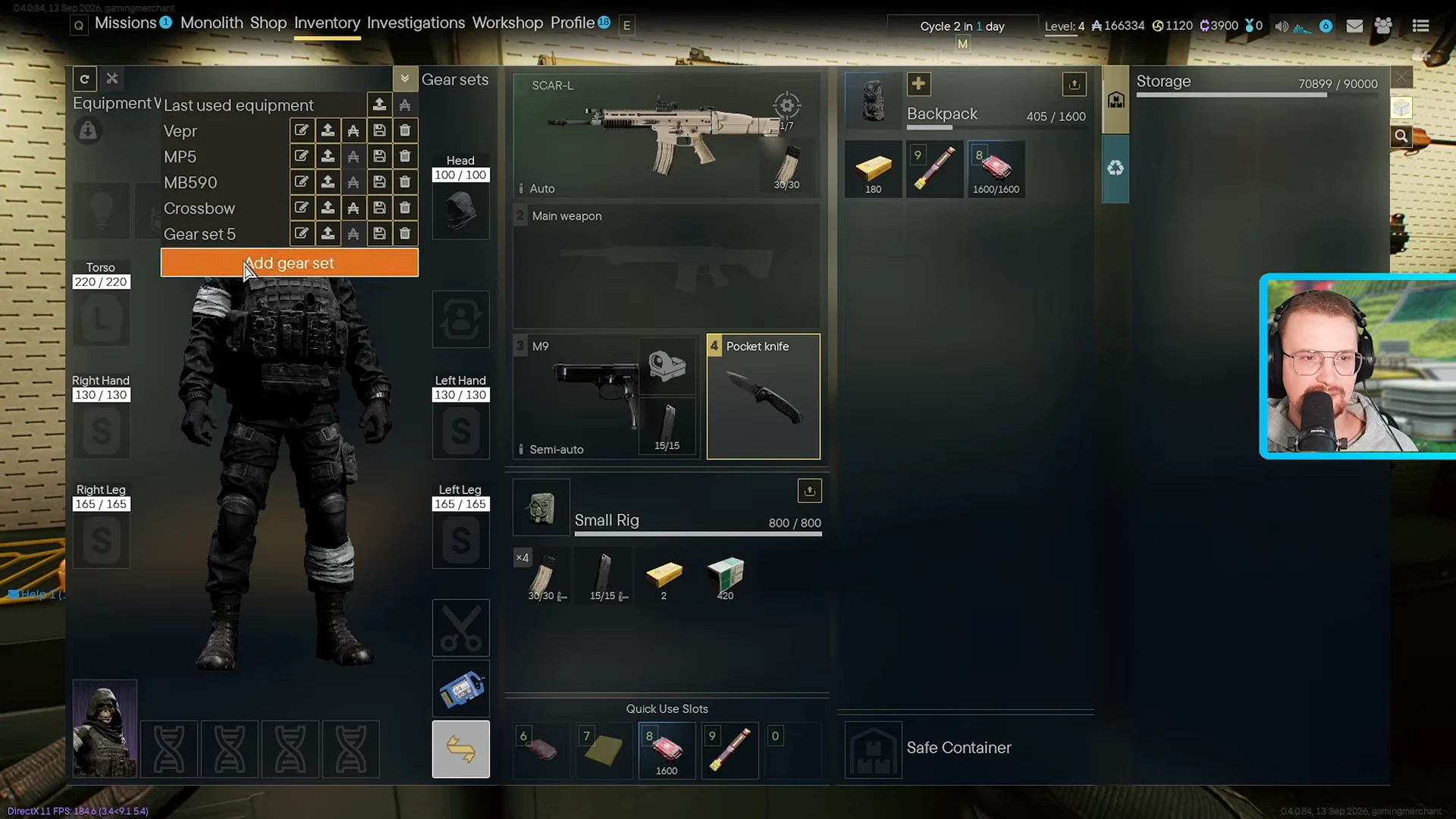
Add a safe container to the loadout. Items placed inside a safe container are protected and stay with you even if you are killed during a raid, so it is the one slot worth filling before every deployment.
How a solo PvE raid plays out
An Isolated Raid follows a clear loop from spawn to extraction. Here is the flow using a vehicle transfer contract on the Shegotskoe map as the example.
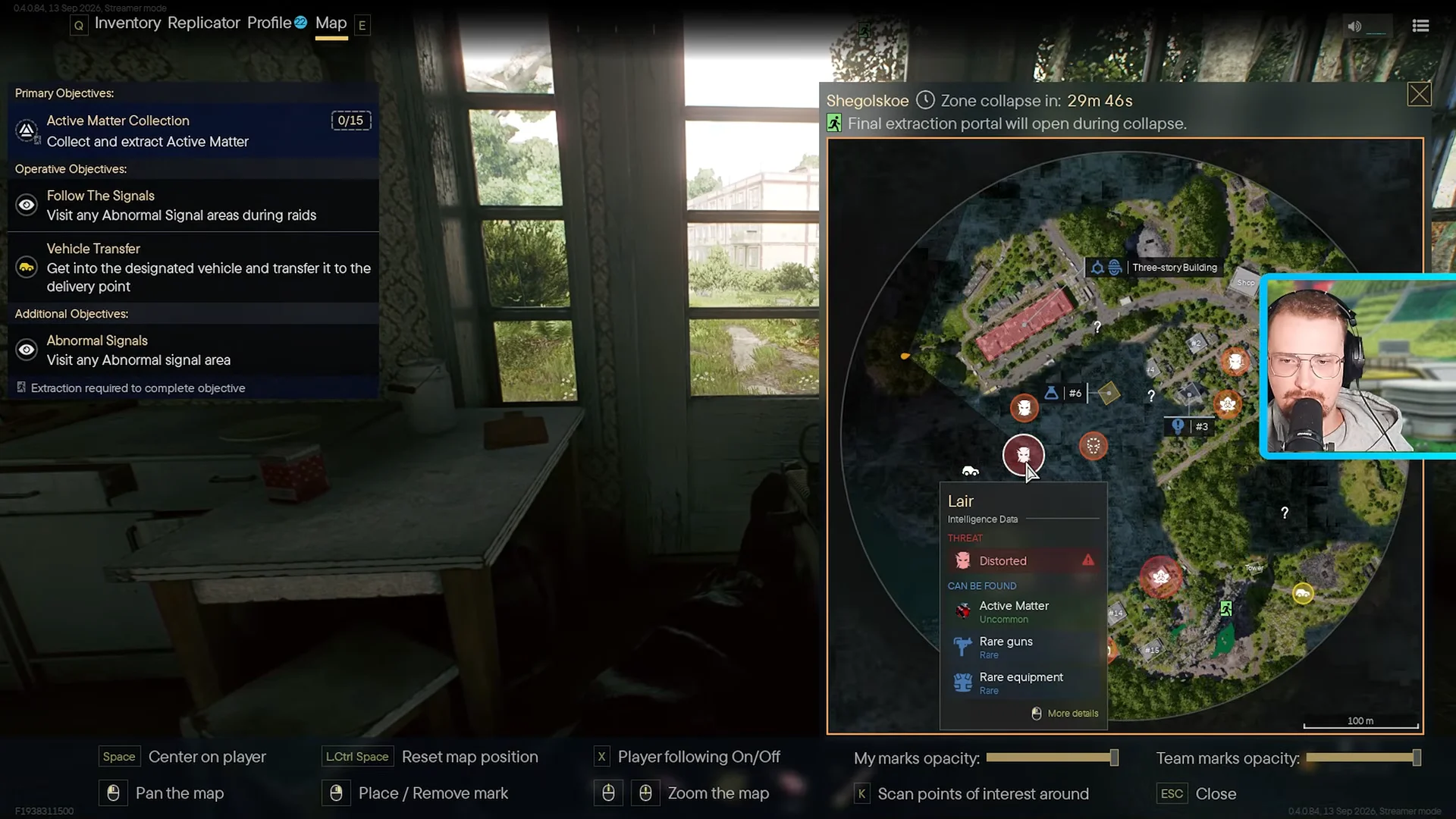
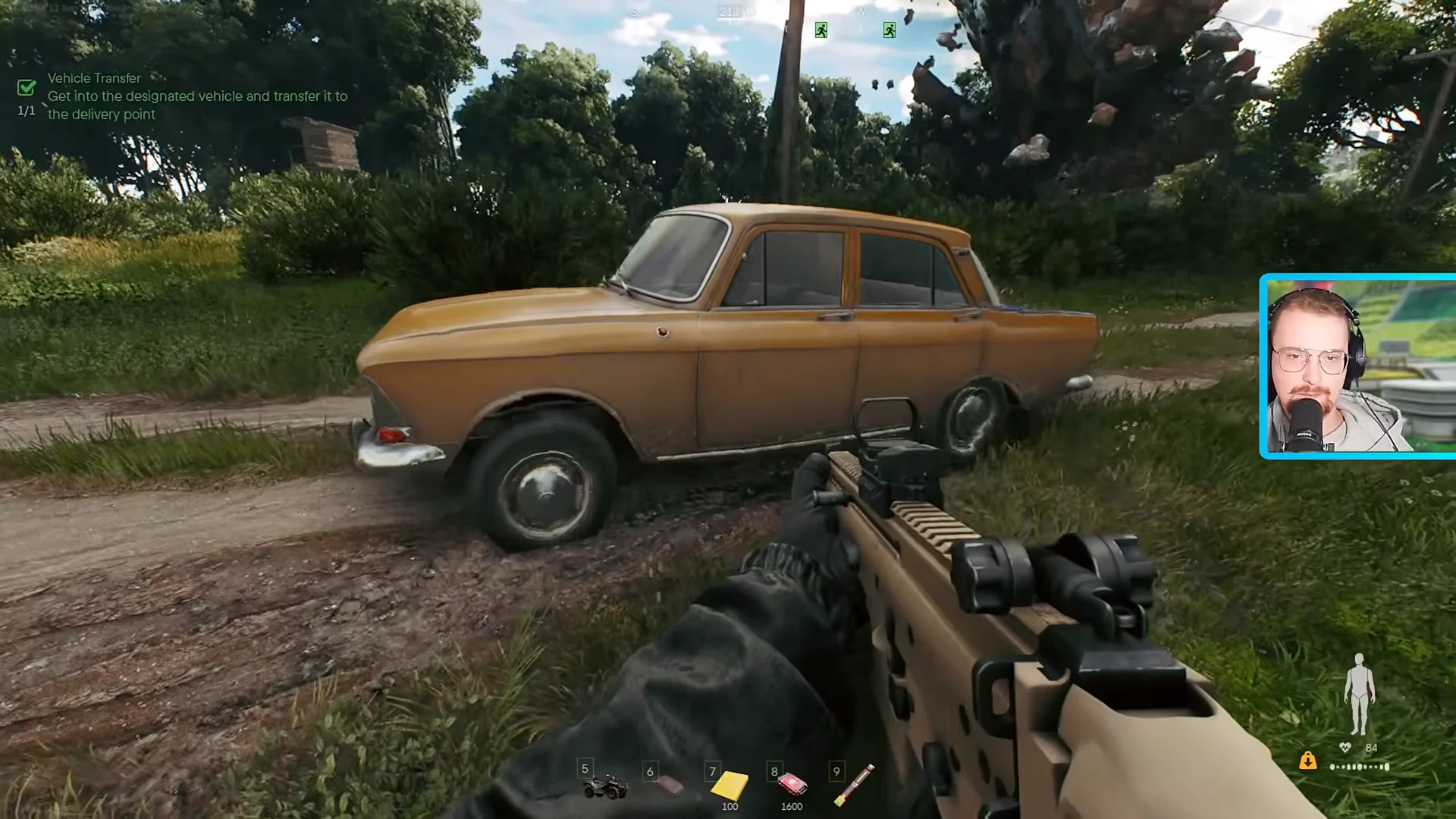
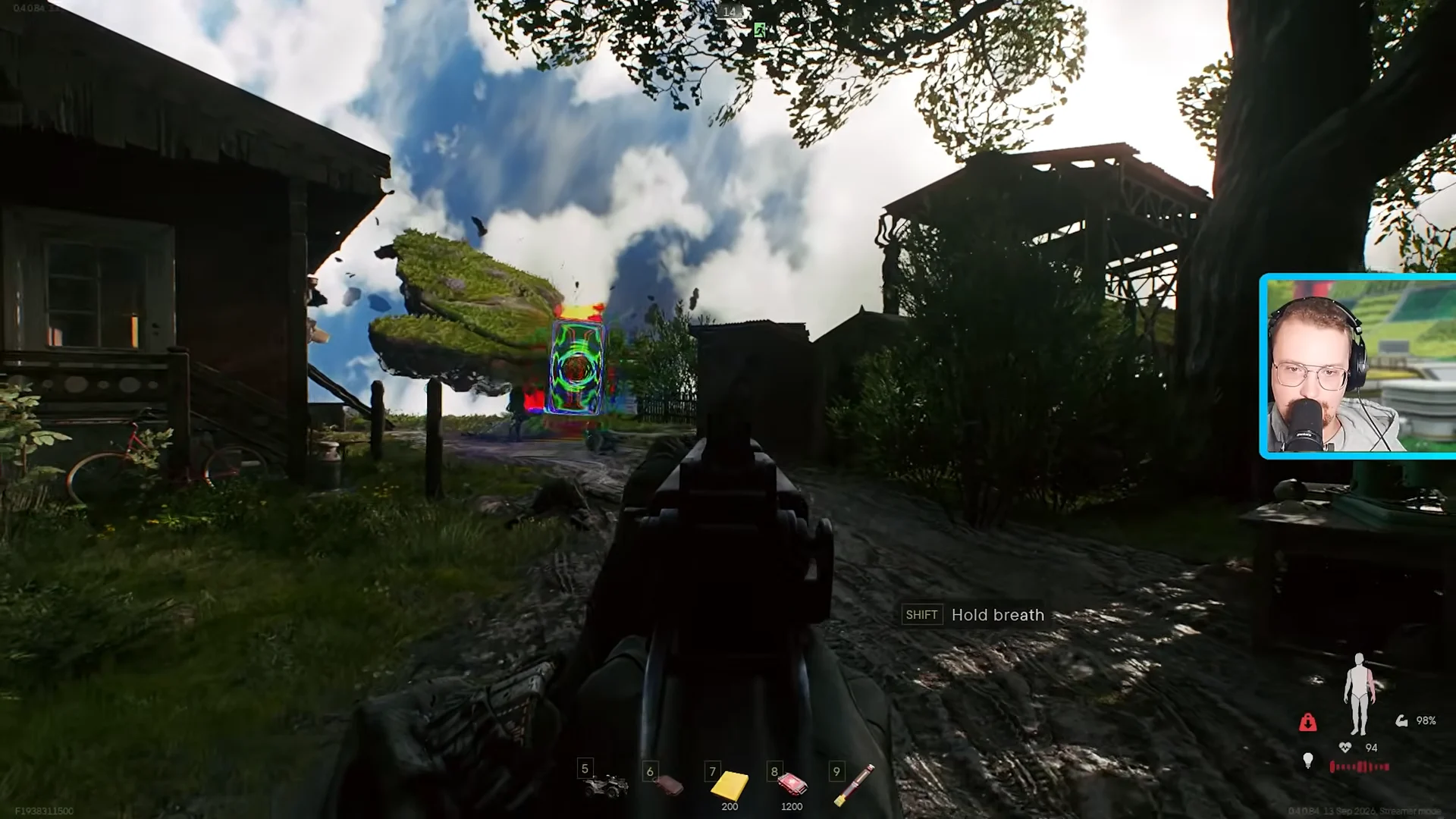
You know the raid worked when you activate the portal and leave the zone. The game then shows a post-raid summary listing the Active Matter you collected and the level rewards you earned. Active Matter (AM) is the glowing red resource dropped by monsters and anomalies, and it feeds progression, crafting, and contracts.
Combat systems to know before you deploy
Health is tracked per limb. Your head, torso, arms, and legs each take damage separately, and you treat them one at a time through a medical wheel using first aid kits and painkillers. You can also drag dead bodies, whether monsters or players, into cover before looting them.
The threats you will run into include:
- Flowermen, plant hybrids that camouflage among red flowers and ambush you
- Turned Soldiers, armed mutated troops that fight back with guns
- Cloaked invisible stalkers that close in before you see them
- Hellhounds and other distorted monsters roaming certain maps
- Volatile anomalies, from red clusters that multiply and explode to floating lightning orbs
Progression through perks and the Shelter
Leveling up unlocks perks on a connected skill tree. Branches cover things like Fine Motor Skills, movement speed, and damage resistance, and you pick nodes as you rank up between raids.
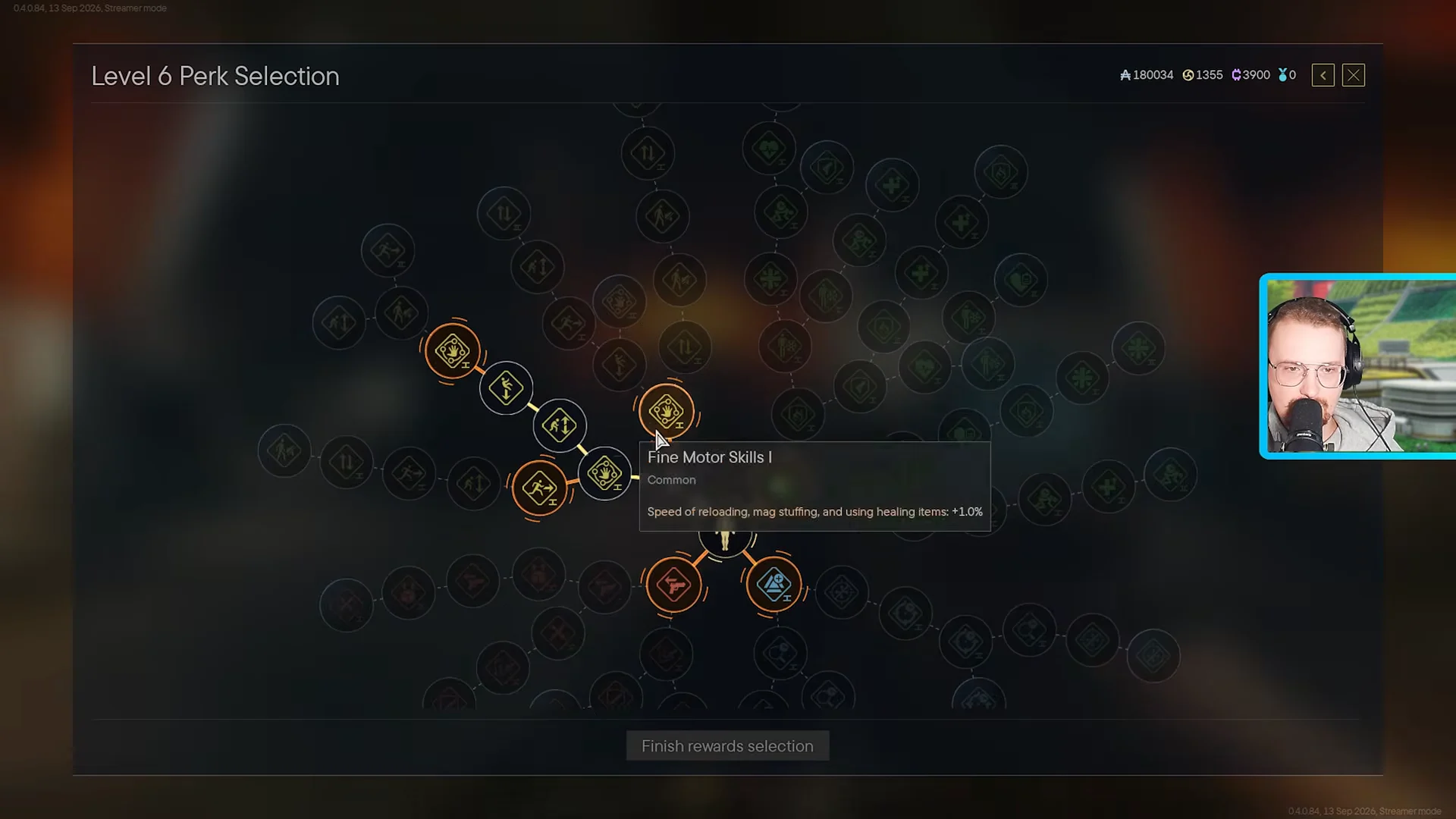
Back at the Shelter, a refiner converts collected materials into credits and resources, and you can install chronogene implants into a Body Sleeve to strengthen it. Because Isolated Raid carries no player risk, it is the practical place to farm those materials and test builds before taking them into Open Raid or Unstable Zone.
Where to play Active Matter
You can play Active Matter on Steam for PC, as well as on PlayStation 5 and Xbox Series X/S. If the pressure of facing other players has kept you away from extraction shooters, Isolated Raid is a good way to try this game. Take your time learning the maps, anomalies, and gear loop there, and move on to shared modes when you’re ready.