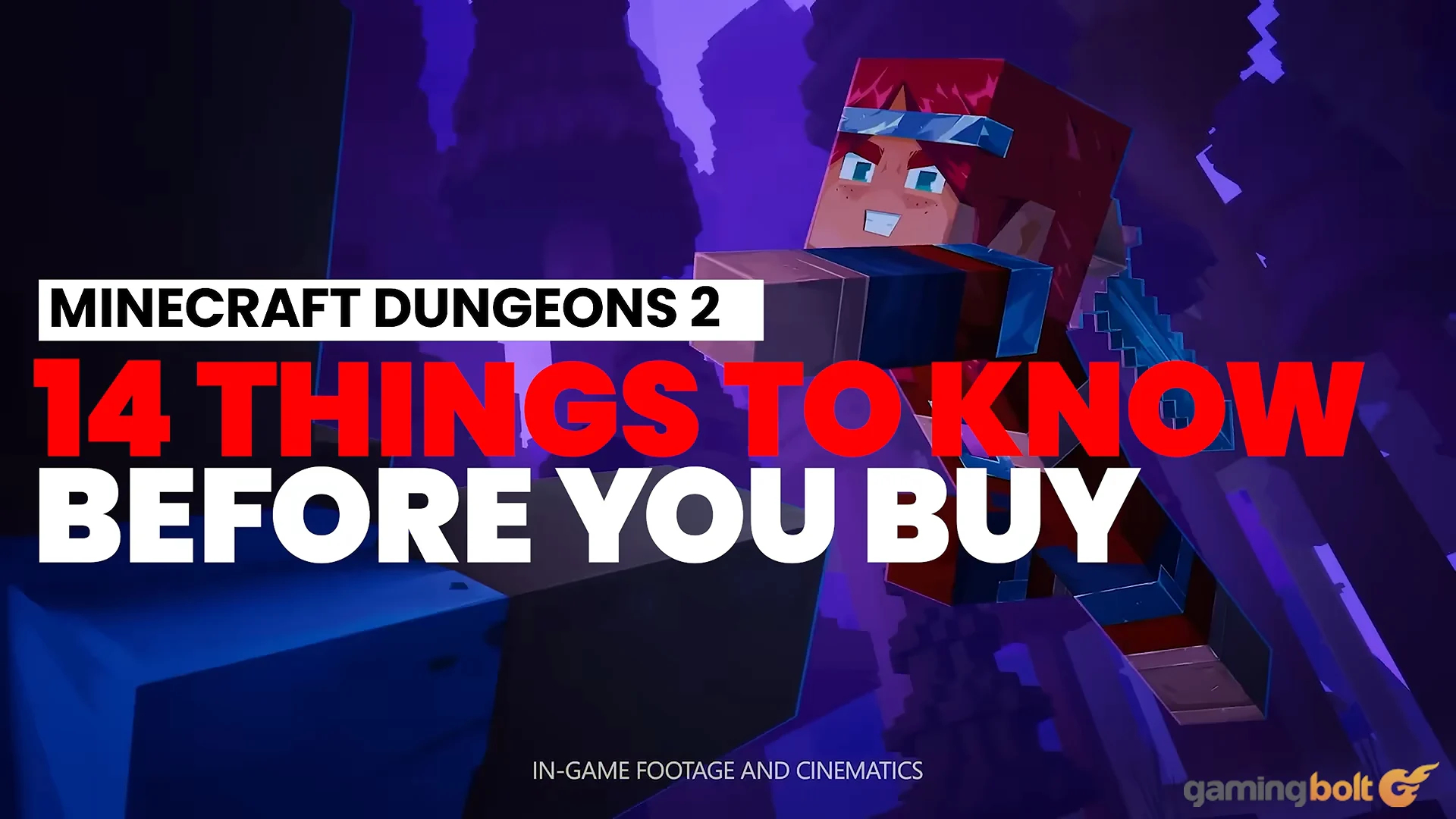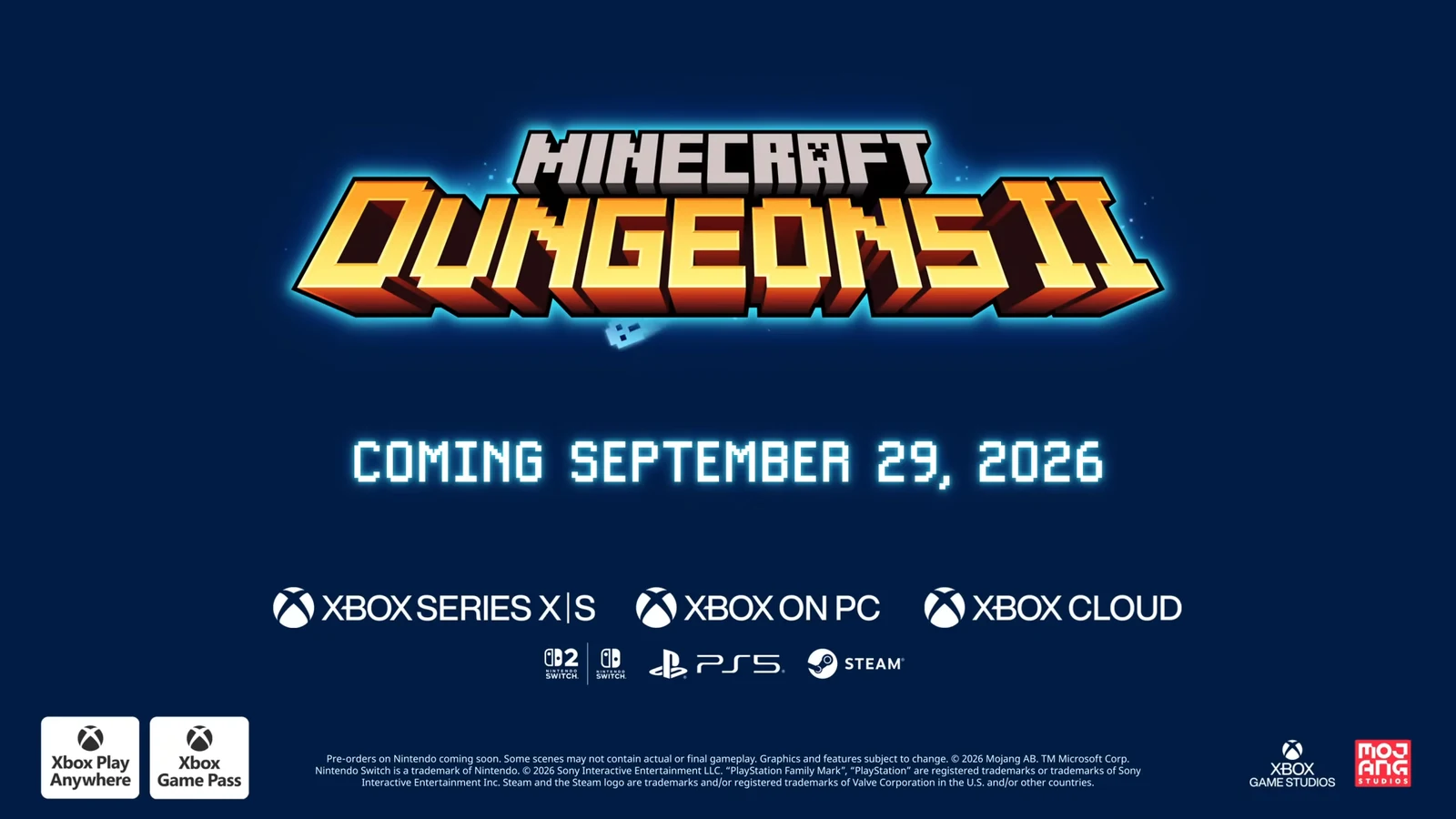
Minecraft Dungeons II lands on September 29, 2026, and the feature co-op groups care about most is settled early: cross-platform play is in, and it works across every system the sequel launches on. If you are lining up a squad or deciding which version to buy, the multiplayer picture is the clearest part of the package right now.
Quick answer: Yes. Minecraft Dungeons II supports crossplay and cross-platform co-op across PC, Xbox, PlayStation, and Nintendo, for up to four players online or in couch co-op.
Crossplay and cross-platform co-op
Official store listings confirm cross-platform play. The sequel allows four-player teams to play together online or on the same couch. PC players can team up with friends on Xbox, PlayStation, or Nintendo, as they could in the original game.
One detail is still open. Mojang has not published the exact platform-by-platform compatibility matrix, so which precise combinations can share a lobby is not spelled out in full. The confirmed part is that cross-platform play exists and covers all five launch platforms.
To play across platforms you need a linked Microsoft account. On consoles, online play also requires that platform’s paid online service.
Co-op features: matchmaking, party codes, and mixed play
Getting a group together is more flexible than before. You can matchmake with strangers, share a party code with friends, or teleport straight to a companion on the world map. Solo play is also fully supported for anyone who wants the campaign alone.
Mixed Co-Op is the standout feature: two players on one system can join remote friends online, putting local and online players in the same group. The Steam PC version also offers Remote Play Together and shared-screen co-op.
Two co-op quality-of-life changes are worth noting. Reviving a downed teammate is faster when several players do it together, and a mini inventory on the D-pad lets everyone manage gear at the same time instead of taking turns on the pause screen.
Online multiplayer subscriptions break down like this:
- Xbox: an active Game Pass tier that includes online console multiplayer.
- PlayStation: PlayStation Plus for online multiplayer.
- Nintendo Switch: an active Nintendo Switch Online membership.
- PC: online play requires no console-style subscription.
- You can play solo or in local couch co-op without an online subscription.
Cross-progression status
Cross-progression, meaning carrying a single save between platforms, has not been officially confirmed. No statement details how or whether progress transfers from one system to another, and it is a separate feature from crossplay.
Moving a save to another platform later may mean you lose access to some items, including pre-order bonuses and DLC. This is especially relevant if you purchase the Deluxe Edition, because it may not transfer to another device.
Editions, price, and pre-order bonus
There are two paid tiers, plus a day-one route through Game Pass. The sequel is also an Xbox Play Anywhere title, so a single digital purchase covers both Xbox console and Windows PC.
| Edition | Price | Includes |
|---|---|---|
| Standard | $29.99 | The full game |
| Deluxe | $49.99 | DLC 1 & 2, Soul Cape, Blub pet, 4 hero skins |
| Game Pass | Included | Ultimate and PC Game Pass, day one |
Pre-ordering adds the Twisted Cape, the Twisted Chicken pet, and two hero skins (Alex and Steve). That pre-order bonus expires September 28, 2026, so it closes the day before launch.
Combat and movement changes
The sequel adds a dedicated jump. You can leap over obstacles, use it to dodge, and slam down for a plunging aerial strike that carries extra momentum. The classic dodge-roll is still there alongside it.
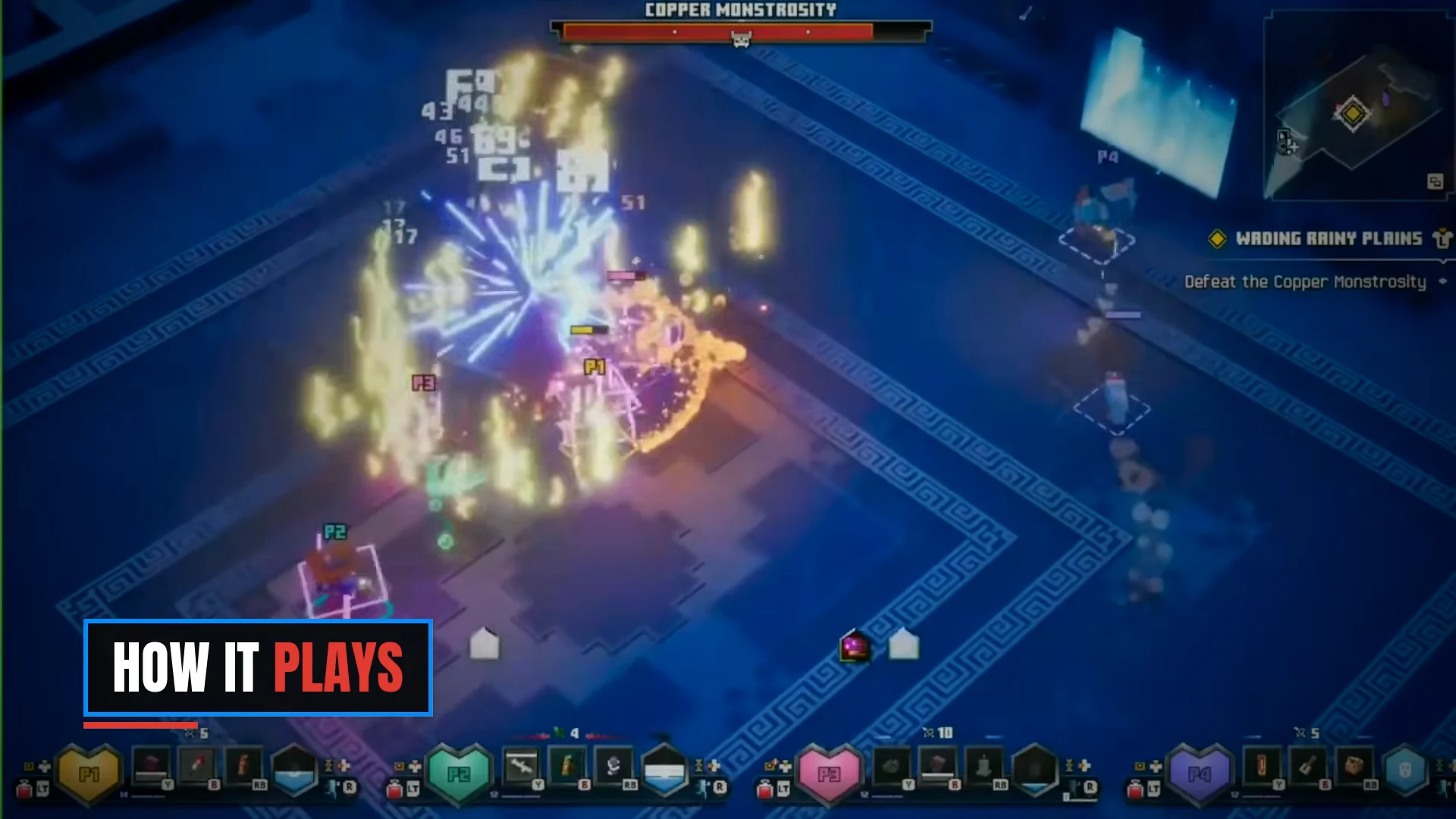
Ranged combat no longer uses collectible arrows. Ammunition is now infinite and regenerates on its own over time, which keeps bows and crossbows firing without hunting for pickups. Encounters lean into that mobility, with aggressive fights like the arena-dashing Copper Monstrosity.
Gear, armor, and enchanting
Loadout space is doubled from six combat slots to 12. A standard setup holds one melee weapon, one ranged weapon, and three artifacts, with room to build more varied kits than the first game allowed.
Armor is no longer a single suit. It splits into four separate pieces, so a helmet, chestplate, leggings, and boots each fill their own slot and can be mixed to taste.
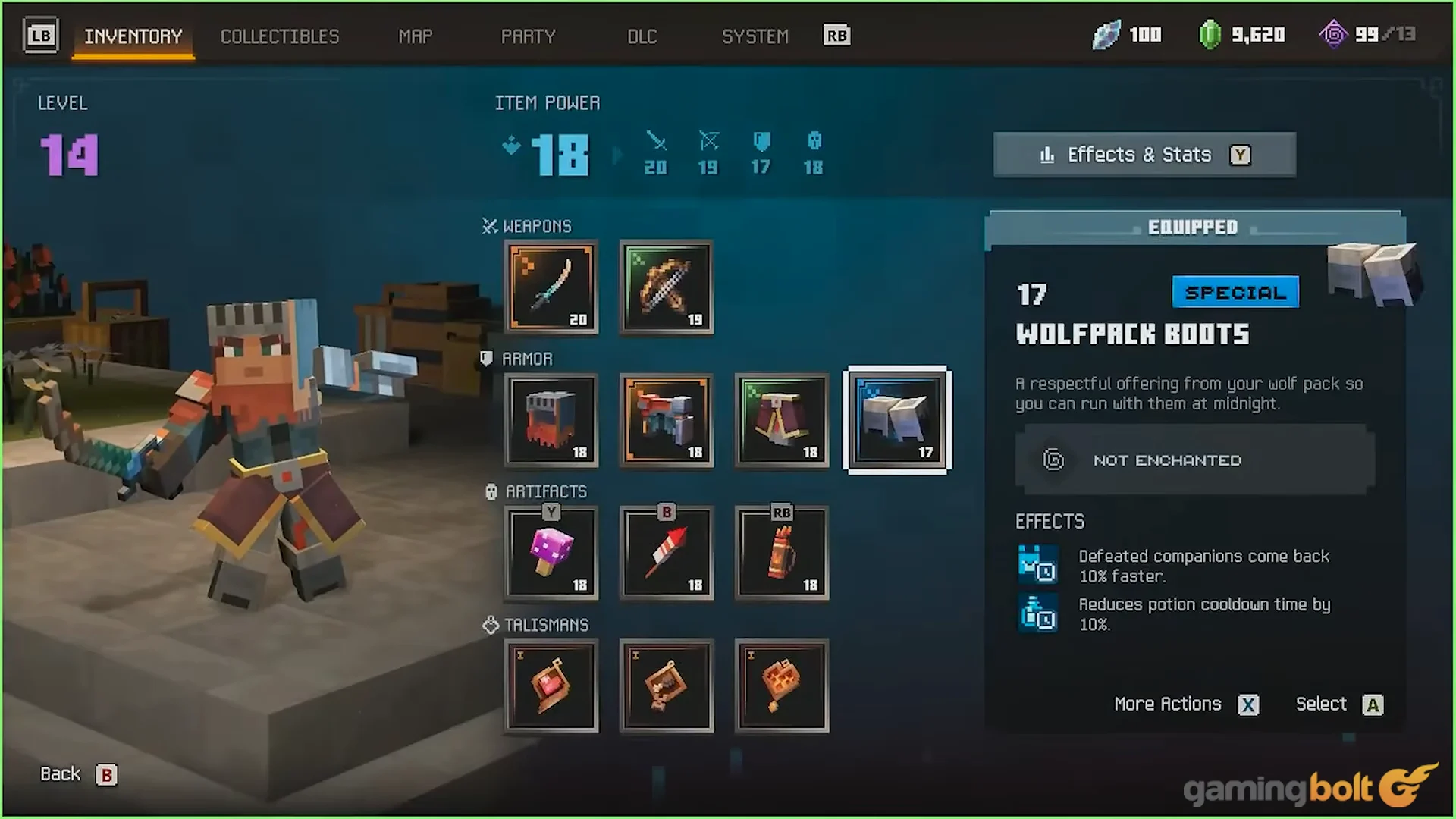
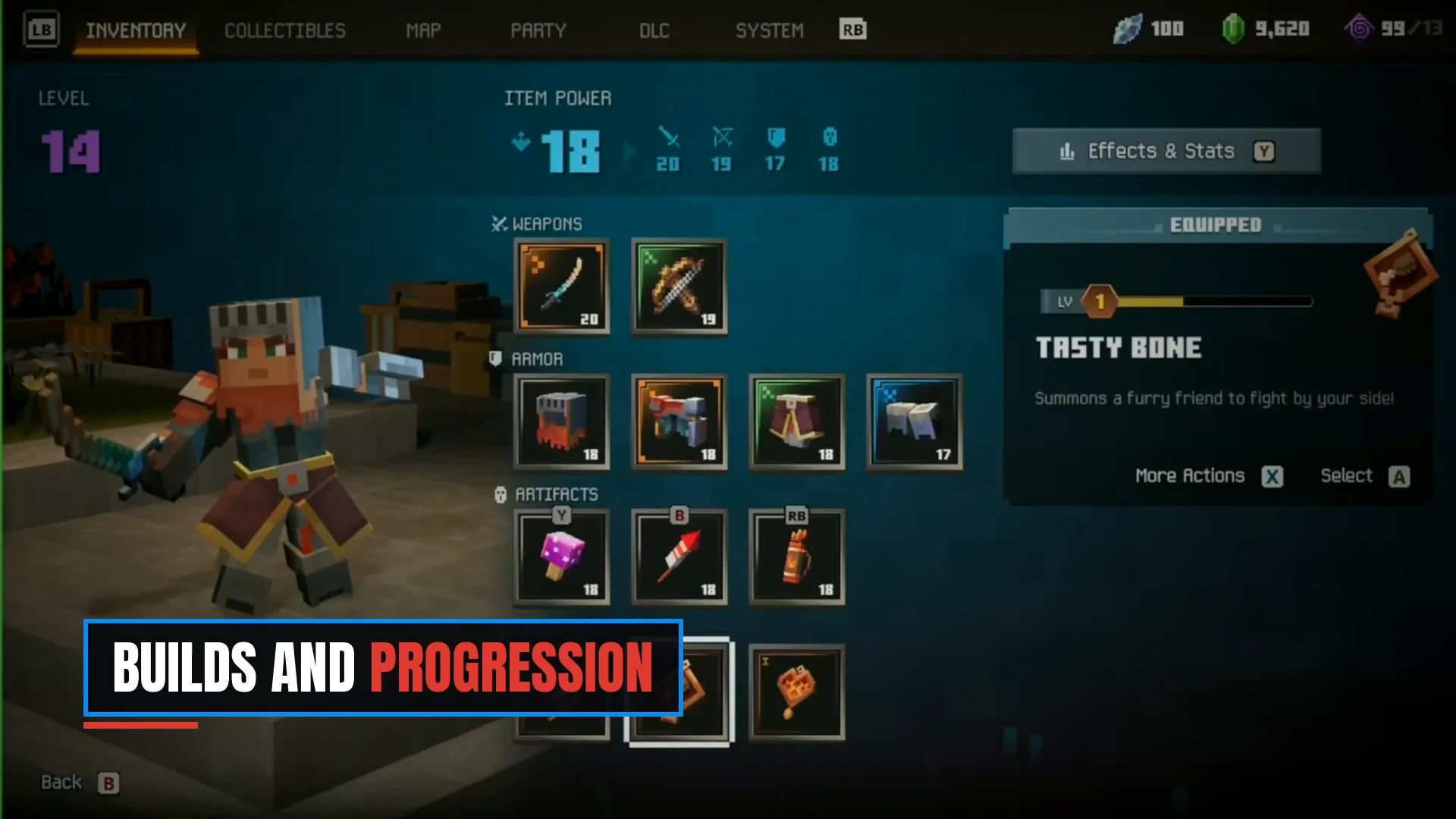
There are also three Talisman slots for passive perks. Enchanting is reworked around a permanent library of Enchantment Books: you collect books, the Enchantsmith applies them to any valid gear, and they level up over time. Defeating Soul Corrupted enemies drops the currency you spend on enchanting.
Gear can roll randomized bonus affixes, and the Blacksmith lets you raise an item’s Power Level and re-roll those affixes to chase a better result.
The Overworld map and the Sift
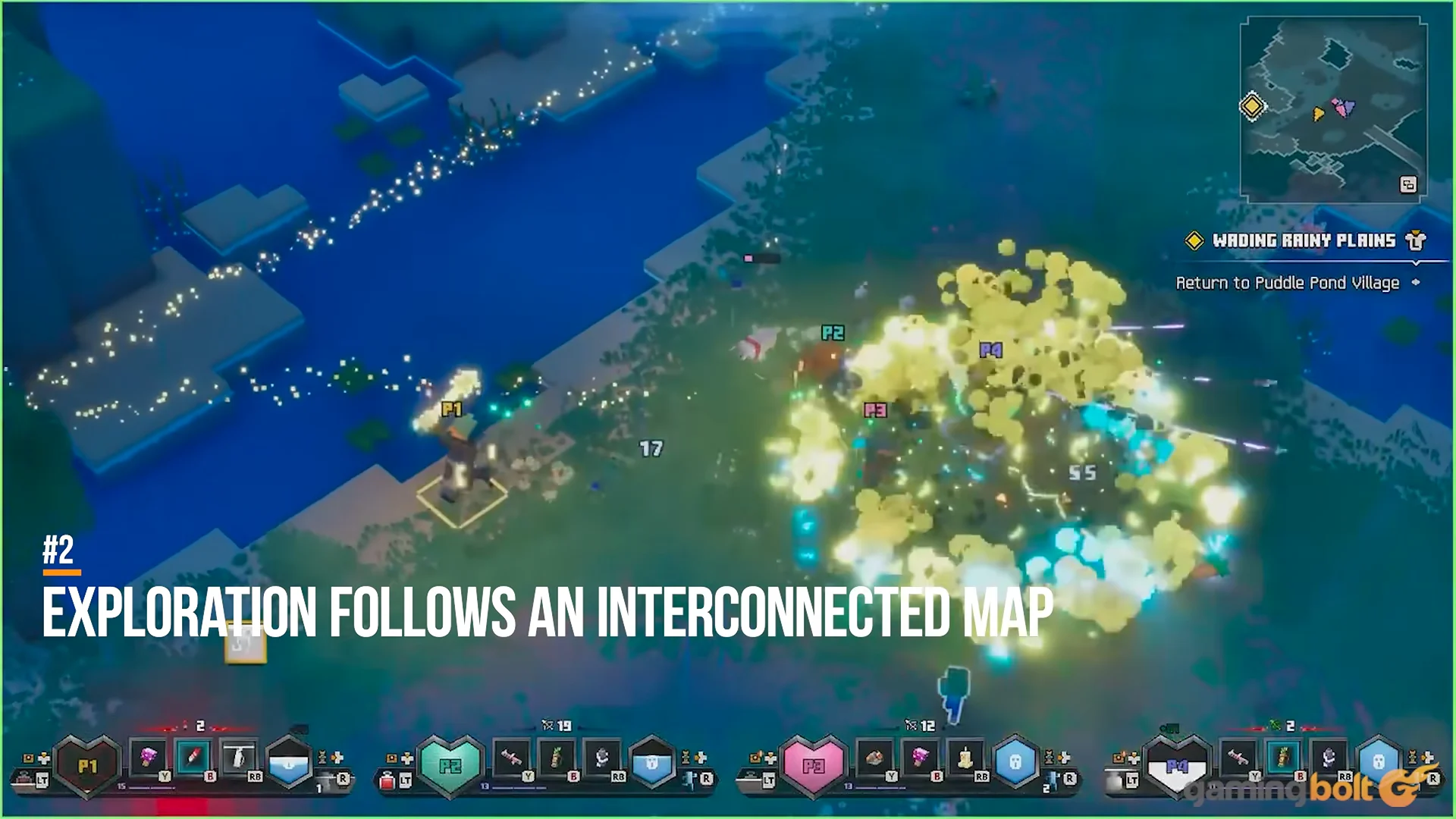
The isolated level-select menu is gone. Exploration now runs across a single connected Overworld filled with settlements and ruins, with Minecart stations for fast travel between areas you have discovered.
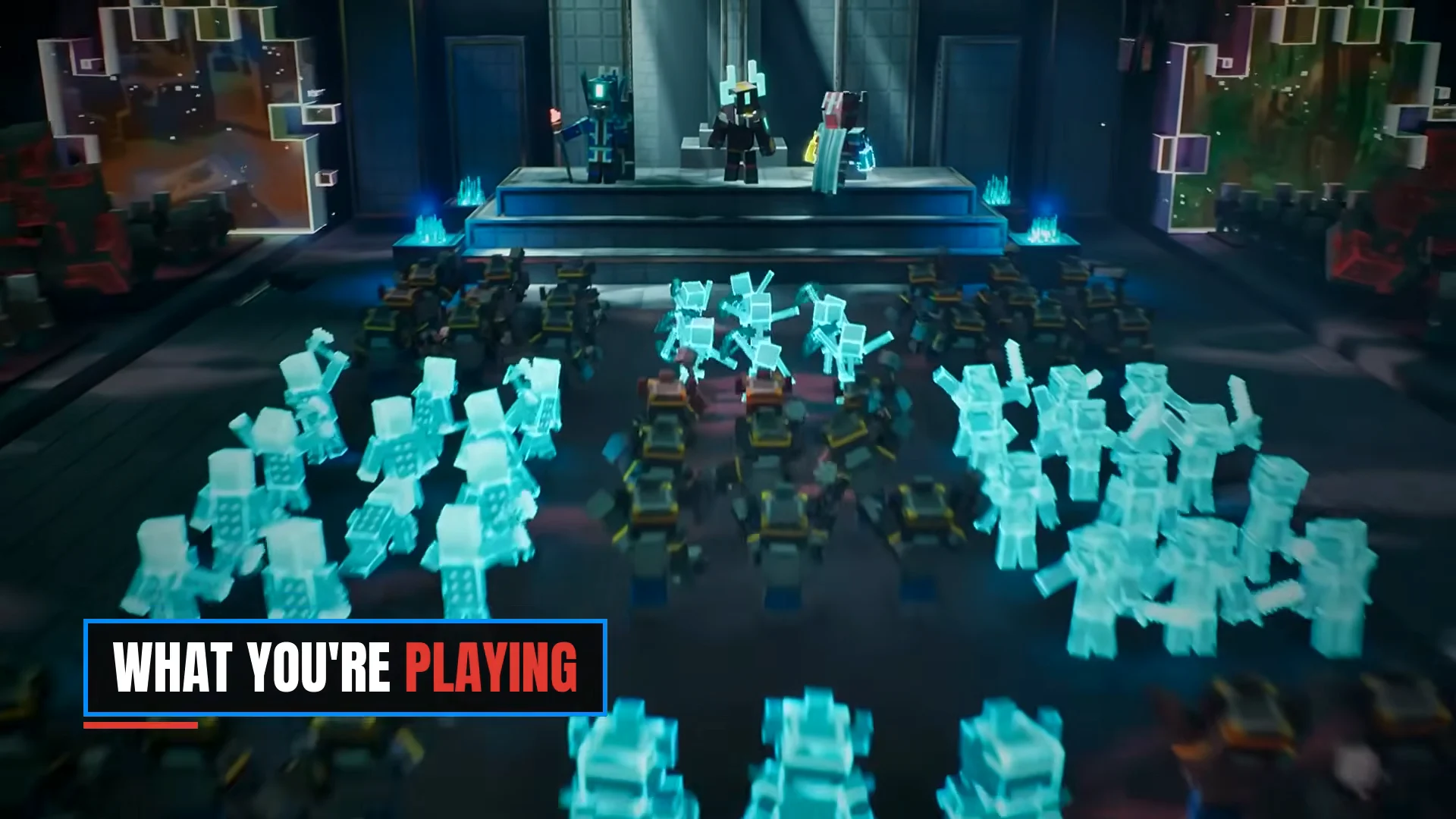
The story sets up the threat: three Illagers discover a parallel dimension called the Sift and form the Illager High Council. The Sift itself is a secondary dimension with dynamic layouts and randomized caves and ruins, giving the campaign a second, shifting space to explore.
Platforms, PC requirements, and download size
The sequel launches on PC, Xbox Series X|S; it also supports PlayStation 5, along with Nintendo Switch and the Nintendo Switch 2. No edition is planned for Xbox One or PlayStation 4. On Windows and Xbox Series X|S, installation uses about 9.06 GB; either Switch version requires 6.8 GB.
On PC, the game needs Windows 10 64-bit (version 1703 or newer) or Windows 11 and DirectX 11. The rest of the hardware targets are modest:
| Component | Minimum | Recommended |
|---|---|---|
| CPU | Core i3-8100 / Ryzen 3 2200G | Core i5-8400 / Ryzen 5 2600 |
| GPU | GTX 1050 / RX 560 (2 GB VRAM) | GTX 1060 / RX 580 (6 GB VRAM) |
| RAM | 8 GB | 16 GB |
There’s one loyalty reward to claim: play the original Minecraft Dungeons using the same Microsoft account, and the Hero Cape unlocks in both Minecraft Dungeons II and base Minecraft. Crossplay is confirmed, Game Pass includes the game on day one, and Play Anywhere is supported, settling much of the multiplayer decision. Cross-progression and the specific platform pairings that will work together are still worth watching as launch nears.