
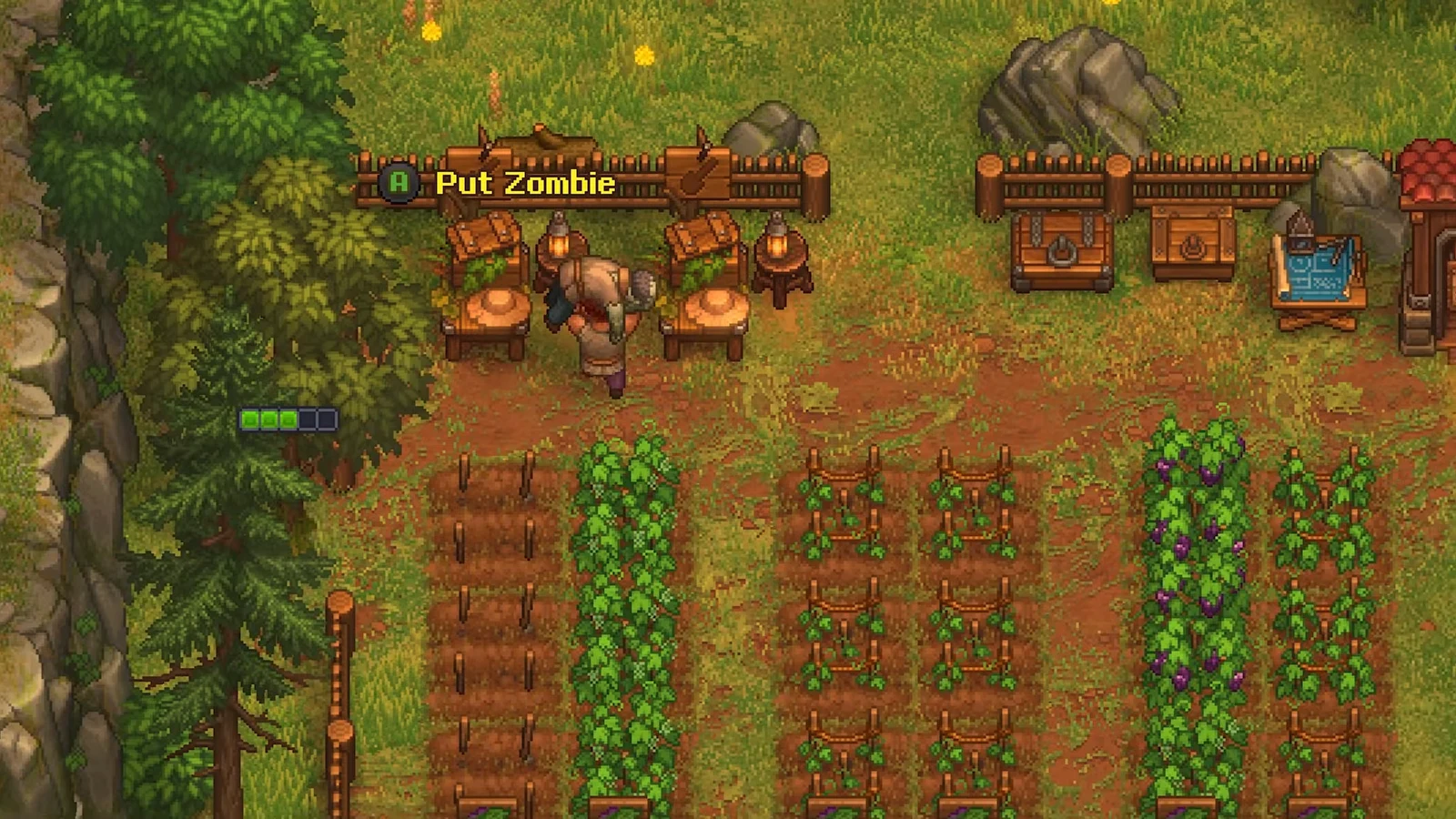
Money stays tight through the opening hours of Graveyard Keeper 2, mostly because the debt to the diocese and every early upgrade keeps draining your coins. The fix is not one big earner but several loops running at once, each tied to a system you are already building. Below are the income streams that pay consistently and the exact conditions that make each one work.
Quick answer: Bury corpses for burial certificates as your guaranteed baseline, run the paint loop for fast early lump sums, hold weekly Wrath Day sermons, and scale into zombie-packed merchant crates for passive gold.
How the economy and vendor prices work
Currency runs on a fixed conversion. Understanding it stops you from misreading prices when a merchant offers you “bronze” for a stack of goods.
| Unit | Value |
|---|---|
| 100 Bronze | 1 Silver |
| 100 Silver | 1 Gold |
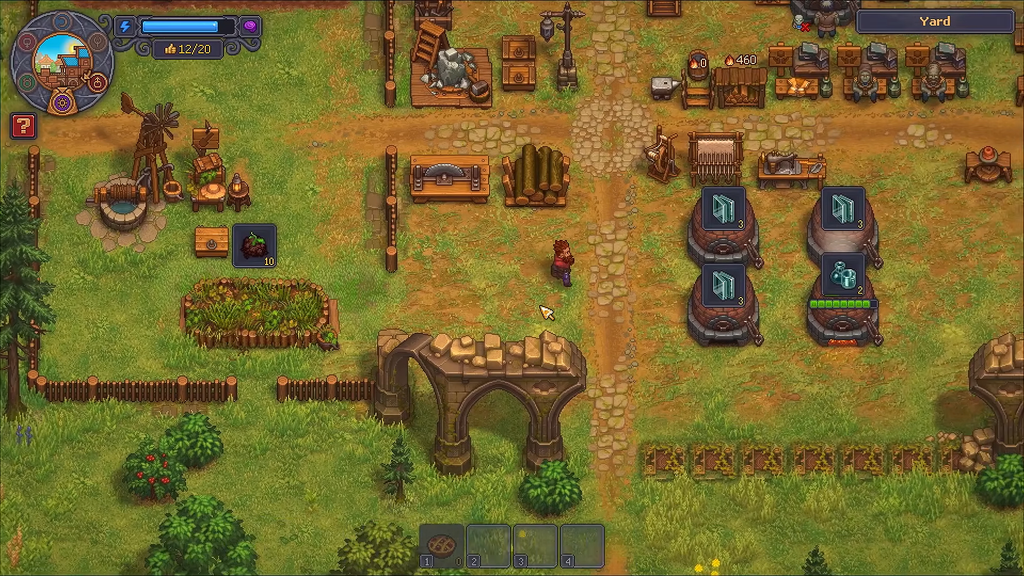
The sequel uses aggressive vendor deflation. Sell ten pieces of firewood and the first might fetch 20 bronze while the tenth drops to around 2. Prices for a single vendor take a full in-game week to recover, so bulk-dumping raw wood or stone is a trap.
Never sell more than about five of the same resource to one vendor in a day. Spread sales across the woodcutter, blacksmith, and farmer, and lean on certificates and crates for the heavy lifting since those bypass deflation entirely.
Burial certificates: the guaranteed baseline
This is the core loop and your most dependable income. Every corpse the donkey delivers can become money. Process the body at the autopsy table, then bury it to receive a burial certificate that pays a flat 1 silver and 50 bronze. Because the rate is fixed, it never crashes no matter how many you sell.
During an autopsy, a surplus of white skulls over red ones improves the body’s quality and yields a better certificate. Better certificates bring in more money and raise your cemetery score, increasing sermon payments later.
Sell certificates to Januarius at the tavern, or hand them to Herbert as a gift when you want to build that relationship. Each burial also increases town gratitude, so this loop pays you twice.
Energy is the real bottleneck early on. Skipping the extraction of skulls and bones saves stamina and can let you process two bodies a day instead of one.
The paint loop for fast early cash
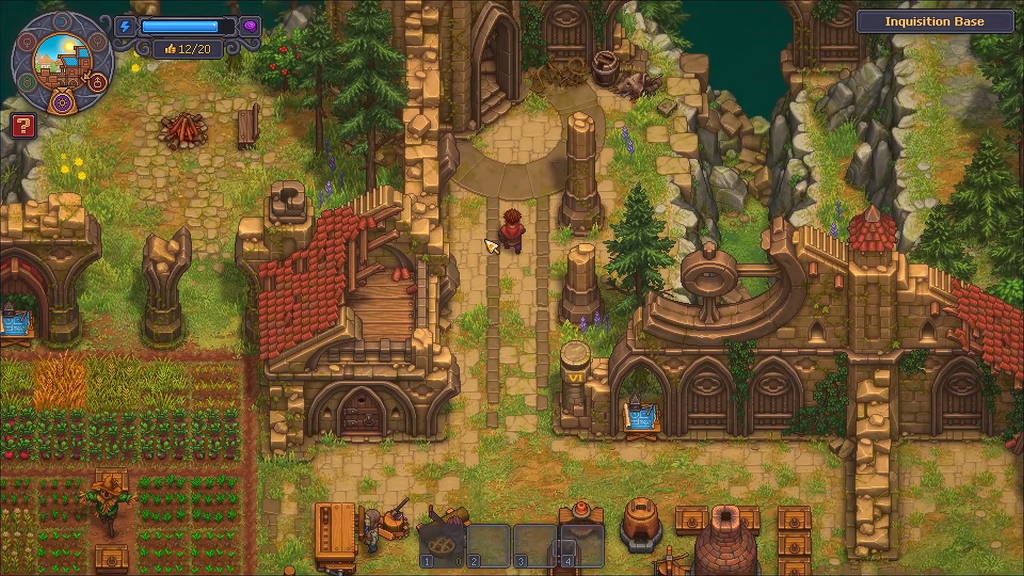
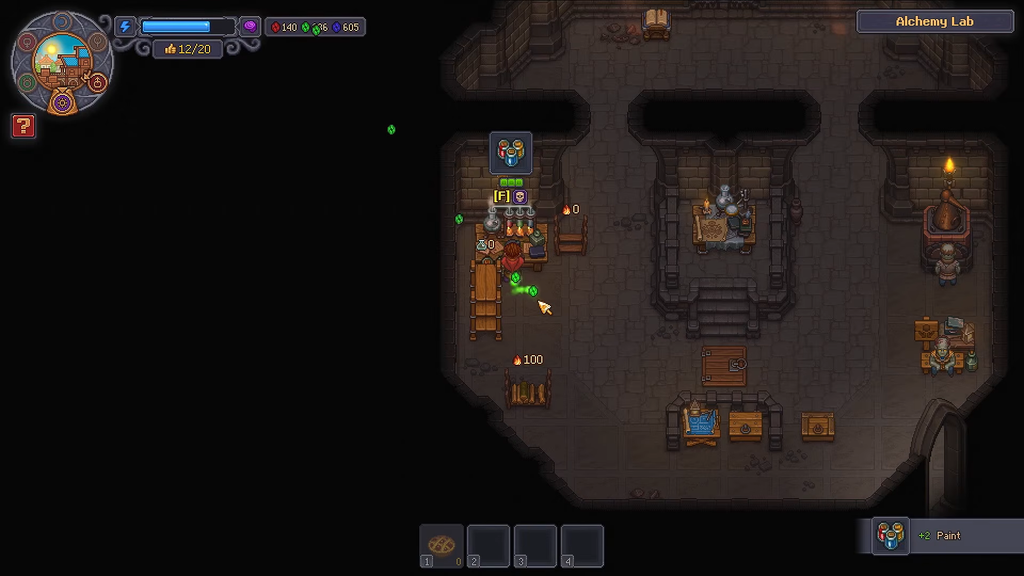
Once unlocked, the paint loop turns near-free materials into the biggest single early payout. You need to finish the ‘First…Sludge?’ quest and unlock Garden Improvement I, Glass Blowing, and the paint recipe.
Sand from beside the bridge and firewood burned in the furnace make glass; turn it into Alchemy Flasks for another product line from those materials.
Crops, fish, and processed goods
These are steady, gratitude-linked earners. The trick is diversifying so you never flood a single market.
Diversified crops
Buy seeds for wheat, carrot, beet, cabbage, and onion from Herm’s shop. Crops that show a golden thumbs-up icon generate both gratitude and money, but each variety caps at roughly two gratitude points, about 30 units, per week. Planting several different crops beats stacking one, since you can hit the cap on each.
River fish fillets
Finish the Twins’ clay plate quest to get the fishing rod: unlock Pottery I, construct the Potter’s Wheel, then deliver clay plates. Prepare your catch as fillets at the kitchen table and sell them to Herm. Each fillet earns about 0.4 gratitude, with a limit of around five per week, so fishing works better as extra income than as your main source.
Refine before you sell
Processed goods roughly double the return of raw ones. Turn wheat into flour, clay into ceramic plates, and logs into billets rather than selling raw material. Each log yields 4 billets at about 8 bronze each for 32 bronze, compared to 24 bronze if you make flitch. Sell billets to Tress the carpenter in small batches of 5 to 10 to avoid crashing his prices.
Weekly Wrath Day sermons
Sermons become one of the largest steady payouts once the church is open. Unlock it by completing the temple quests from Jack, the Twins, and the Nun. Sermons run on Wrath Day, and the money reward scales with temple splendor, decorations, town gratitude, and your cemetery quality.
- Your sermon income depends on your graveyard score.
- Church score drives the faith you generate.
- Casting the money prayer maximizes the cash reward for that week.
Invest in cemetery upgrades and temple decorations before Wrath Day so the multiplier is as high as possible when you preach. A strong graveyard rating combined with a gold-quality prayer can push a single sermon into the tens of silver.
The reward is not automatic. After the sermon you must collect it at the donation box, or the money is lost.
Town and merchant orders
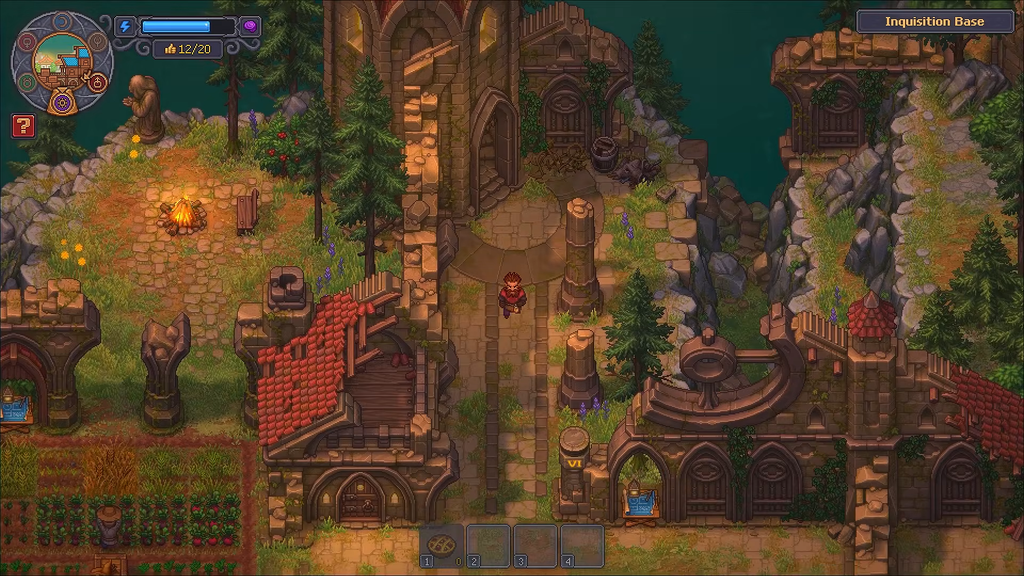
Restoring the town costs resources but pays off in return. Town orders are the confirmed early progression loop. Each repaired building adds a place to sell your goods and unlocks more products and resources to purchase. Merchant orders provide a longer-term goal, rewarding continued district restoration. Retaking districts takes materials and effort on battle days, but the shops you reopen will buy everything you produce afterward.
Zombie automation and merchant crates
Once you have enough money to fund upgrades, zombie labor turns every method above into passive income. Resurrect workers at the morgue using reanimation liquid, a collar, and faith. A worker with more red skulls performs faster and with higher quality.
Assign zombies to chopping, gardening, and crafting, and set up supplier stations so a zombie moves materials automatically between chests and workbenches. Give each worker the correct tool, such as a shovel, axe, or hammer, or the task produces waste.
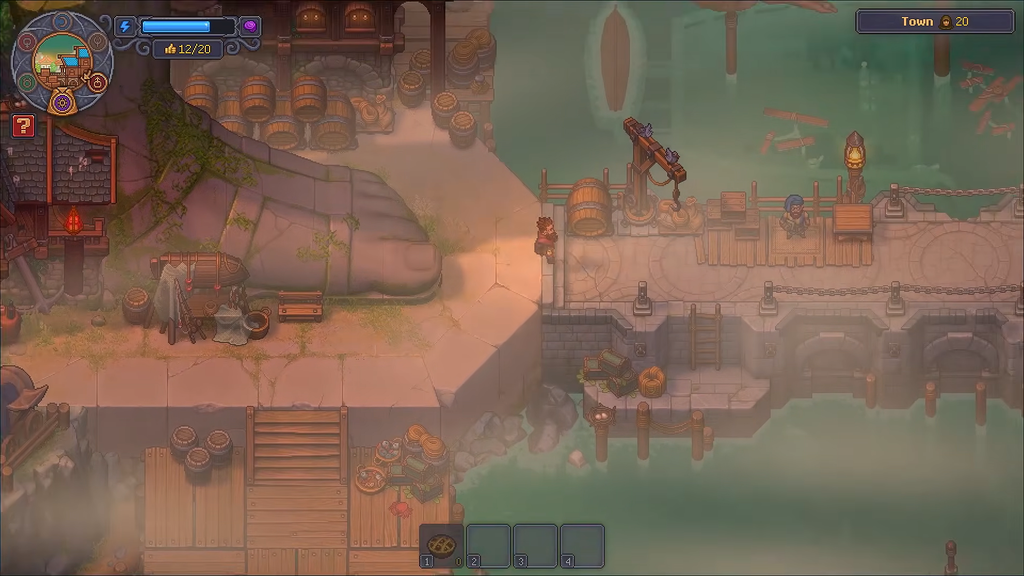
The endgame goldmine is the crate economy. Buy the trade license for 50 silver, then ship boxed goods straight to the Merchant at a fixed wholesale price that ignores deflation. Crates of nails are the most efficient option: mine iron and coal, smelt ingots, hammer nails at an Anvil II, and box them into crates. You can stack up to 10 pallets, and the Merchant clears them at dusk for roughly 1 gold and 50 silver per week.
Zombies won’t activate the “Precious Metals” perk while mining or processing iron. To get silver or gold nuggets, mine the ore yourself.
How to know your income is stable
You have a healthy economy when three loops overlap. Burial certificates provide a floor that never drops, sermons deliver a large weekly injection every Wrath Day, and crate deliveries arrive at dusk without you spending stamina. When your coin total climbs across a full week even while you buy tech books, seeds, and building permits, the debt stops being a threat and your money simply funds the next expansion.