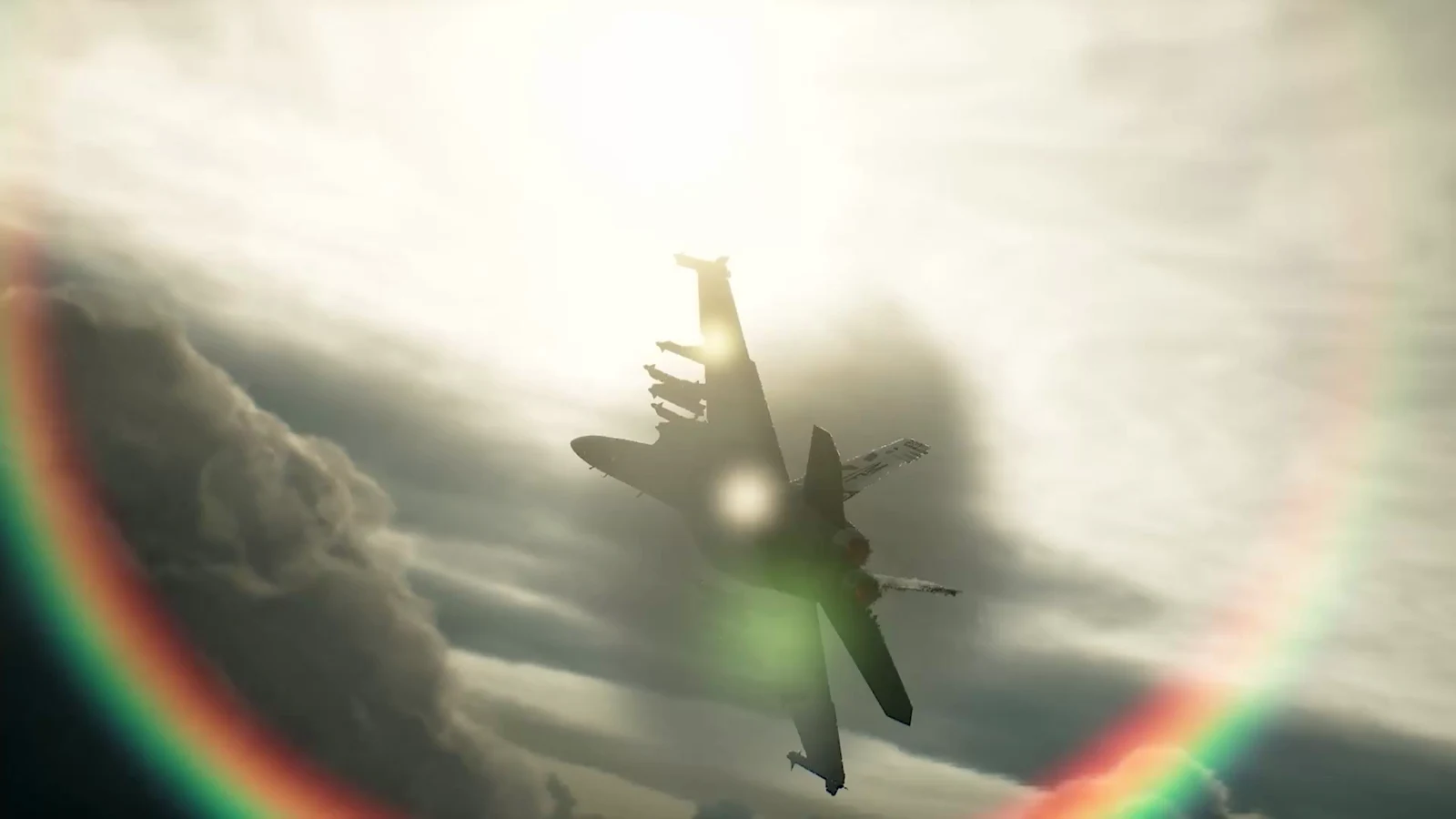
A Post-Stall Maneuver (PSM) sacrifices nearly all your forward speed to whip the aircraft’s nose around within a very small area. In a tight aerial engagement, a pursuer on your tail may end up passing directly through your gunsight. There’s no dedicated button; instead, perform a short sequence of inputs after meeting two prerequisites.
Quick answer: Drop below 500 km/h, let your controls return to neutral, then hold accelerate and brake together while pulling back to pitch up. Release the brake and stay on the throttle to recover.
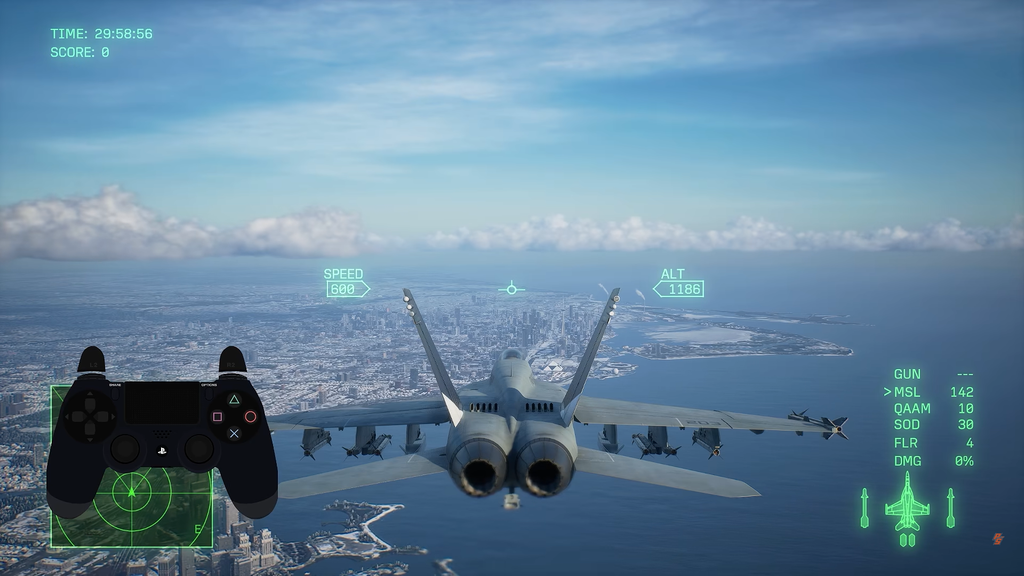
Speed and aircraft requirements for a PSM
Two things gate the maneuver. Your airspeed has to be low, and your aircraft has to support post-stall flight at all. Miss either one and the input simply produces an ordinary turn.
- Airspeed must be under 500 km/h before you attempt it.
- Anywhere between 0 and 499 km/h works, with roughly 450 km/h as a comfortable target.
- If you are above 500 km/h, brake or pull a High-G turn to bleed speed first.
- The aircraft must be PSM-capable (see the list below).
While learning, aim a little lower than the limit. Trying to start at 498 or 499 km/h leaves no margin if the plane picks up a touch of speed or your timing slips. Bleed off a bit more than you need, get the maneuver consistent, then start entering with more energy on hand.
Give yourself altitude while practicing. A PSM leaves you crawling at very low speed, and trying it just above the ocean turns every bad rotation into a crash.
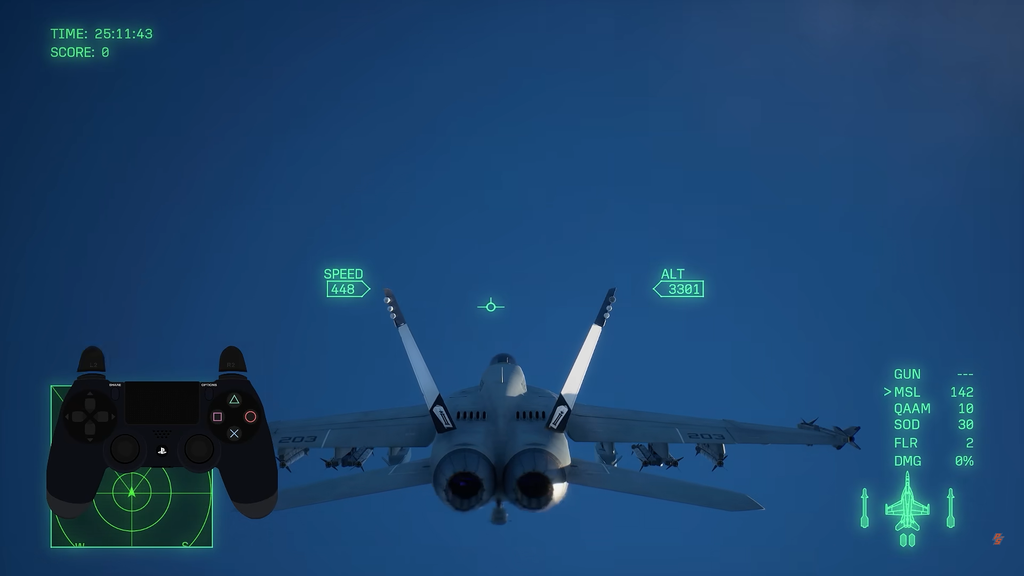
The PSM input sequence
Treat this as a rhythm rather than one giant simultaneous press: brake into range, center the stick, then accelerate and brake together as you pull back. The controller inputs are L2 + R2 with the analog stick pulled down. On keyboard, the inputs are Ctrl + Space + S.
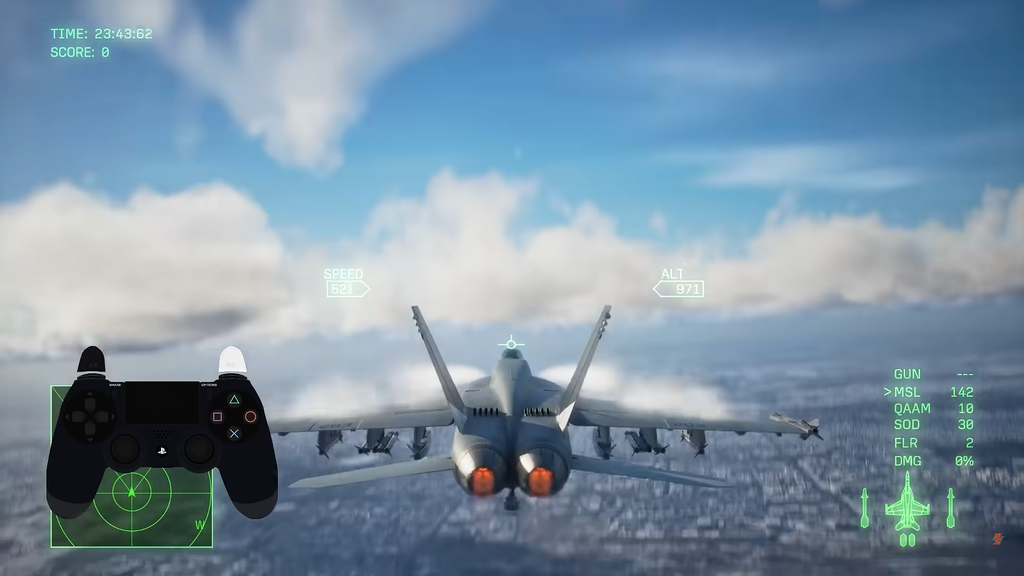
A brief neutral interval is enough; wait too long, and you’ll only creep ahead without energy. The aim is to release the turn input before applying the pitch command that begins the maneuver. You don’t need to start with level wings—a PSM can begin from a bank, and you can steer freely as the aircraft rotates.
Cobra vs. Kulbit: how far the nose rotates
Both maneuvers start from the same PSM input. The difference is how far you let the aircraft keep rotating before you recover.
| Maneuver | Rotation | How to execute |
|---|---|---|
| Cobra | Nose to about 90 degrees, then back to forward flight | Pitch up sharply, then recover before completing the loop |
| Kulbit | Full 360-degree loop around itself at very low speed | Keep pulling back to carry the rotation all the way through |
Which one you get depends on the aircraft. A Cobra-only plane cannot be forced into a Kulbit. The bigger rotation looks more dramatic, but it is not automatically better in a fight. If an enemy crosses your nose halfway through, carrying on another 180 degrees throws away the firing angle you just created. The useful skill is cutting the rotation off at the point that puts you where you want to be.
You can also extend a PSM by keeping accelerate held and feeding in pitch-up bit by bit while holding speed between roughly 300 and 500 km/h, and you can chain one maneuver into the next by re-applying the inputs right as the previous one ends. Adding rudder (L1 or R1) produces flat spins and rapid yaw repositioning.
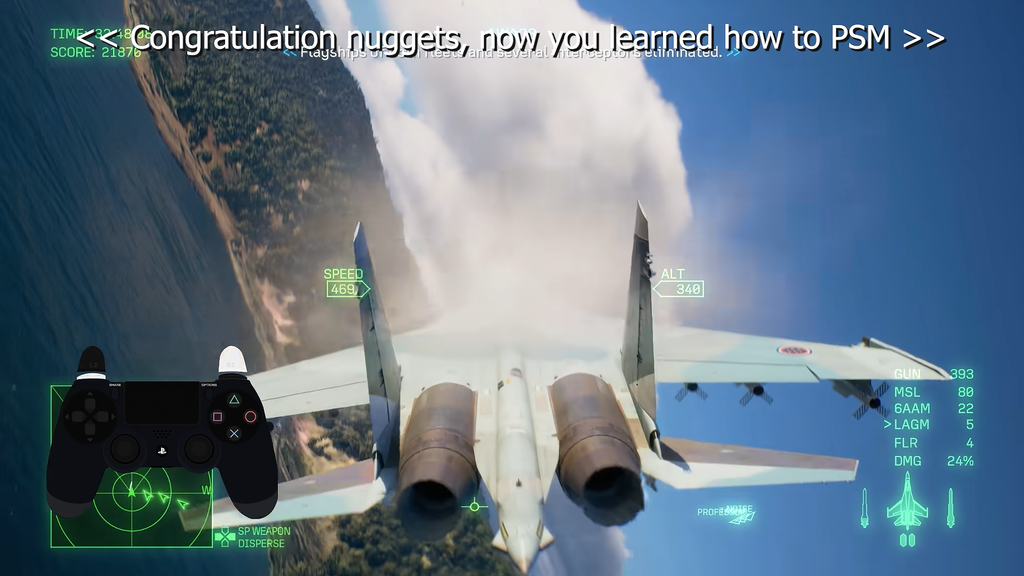
Aircraft that can perform a PSM
Changing your timing will not help if you are testing with a plane that cannot enter post-stall. These aircraft are confirmed PSM-capable, split by whether they top out at a Cobra or can carry a full Kulbit.
| Kulbit-capable | Cobra-capable |
|---|---|
| F-22A Raptor | F/A-18E |
| Su-35S Flanker-E | F/A-18F Super Hornet |
| Su-47 Berkut | F-35C Lightning II |
| Su-57 Felon | MiG-29A Fulcrum |
| — | Su-33 Flanker-D |
| — | Su-34 |
| — | ADFX-02 Morgan |
Other models such as the FA-36 Game and X-40 Nightmare are also associated with PSM capability. If you are learning the mechanic, start with an aircraft that can perform the larger Kulbit, like the Su-57 or F-22A. The bigger, clearer rotation makes it obvious when you have actually entered the post-stall state instead of leaving you guessing whether a small pitch change counted.
Why your PSM isn’t triggering
When the result isn’t a post-stall rotation, use the aircraft’s reaction to pinpoint the setup problem instead of trying the identical input again.
- Normal wide turn: you are still above the 500 km/h limit.
- Tight conventional turn: you are triggering a High-G turn instead, meaning you did not break to neutral first.
- No post-stall rotation: make sure you briefly centered the stick before pulling back.
- Correct inputs but nothing happens: the aircraft does not support PSM.
- Good rotation followed by loss of control: you stayed slow for too long after exiting instead of recovering.
The High-G turn is the easiest failure to mistake for a partial PSM, since both use accelerate and brake together. The difference is purely that brief neutral state: a High-G turn flows straight out of your steering input, while a PSM needs the reset before you pull back. If you keep landing on a High-G turn, switching the throttle-and-brake inputs to L1 + R1 can make the sequence easier to control.
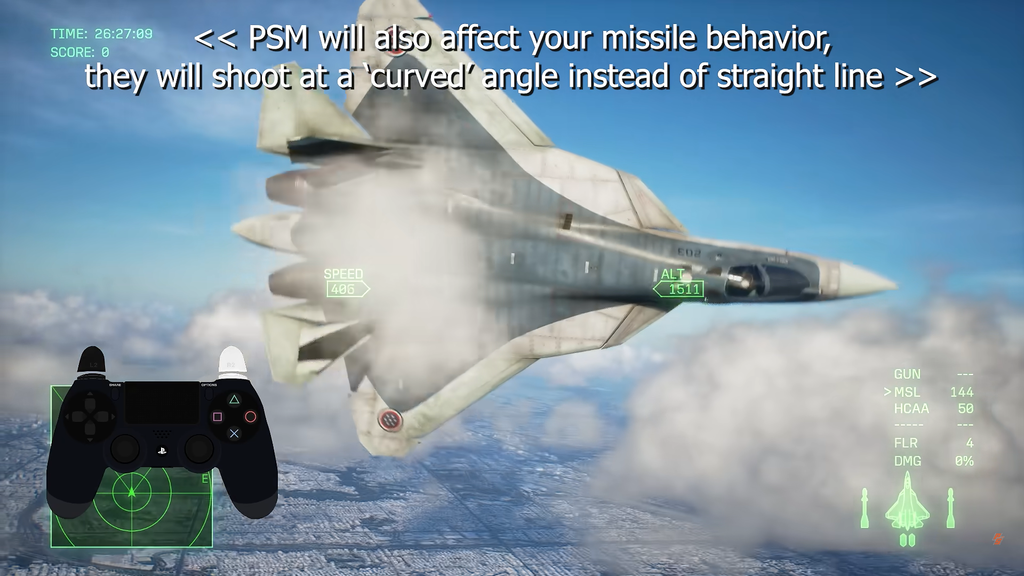
Using PSM in combat
A fast opponent close on your tail is the ideal target. If they pursue at speed, slowing into a PSM can make them overshoot as your nose swings toward their new position. This changes both your weapons’ aim and the other aircraft’s position relative to yours.
A turning fight you’re already winning is a much poorer opportunity. If a regular or High-G turn can bring your weapons onto the enemy while preserving your speed, spending that energy on a PSM gains little. Whatever the situation, you’ll finish extremely slow and vulnerable, so keep the throttle up and don’t stop to admire your flip.
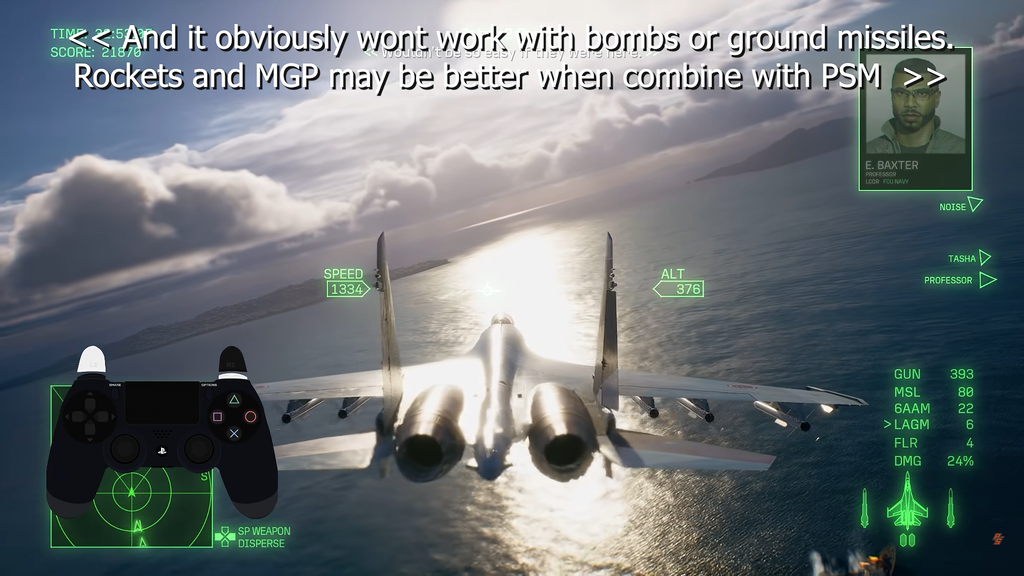
Firing during a PSM also changes how missiles behave. A standard missile launched mid-maneuver curves along a wide arc instead of flying straight, which can help it track an evading target and slip past CIWS. The effect is strongest against airborne targets; against ground and naval targets the curved shots are much more likely to miss. Used at the right moment, that curve plus the sudden nose change is what makes the maneuver worth the energy it costs.