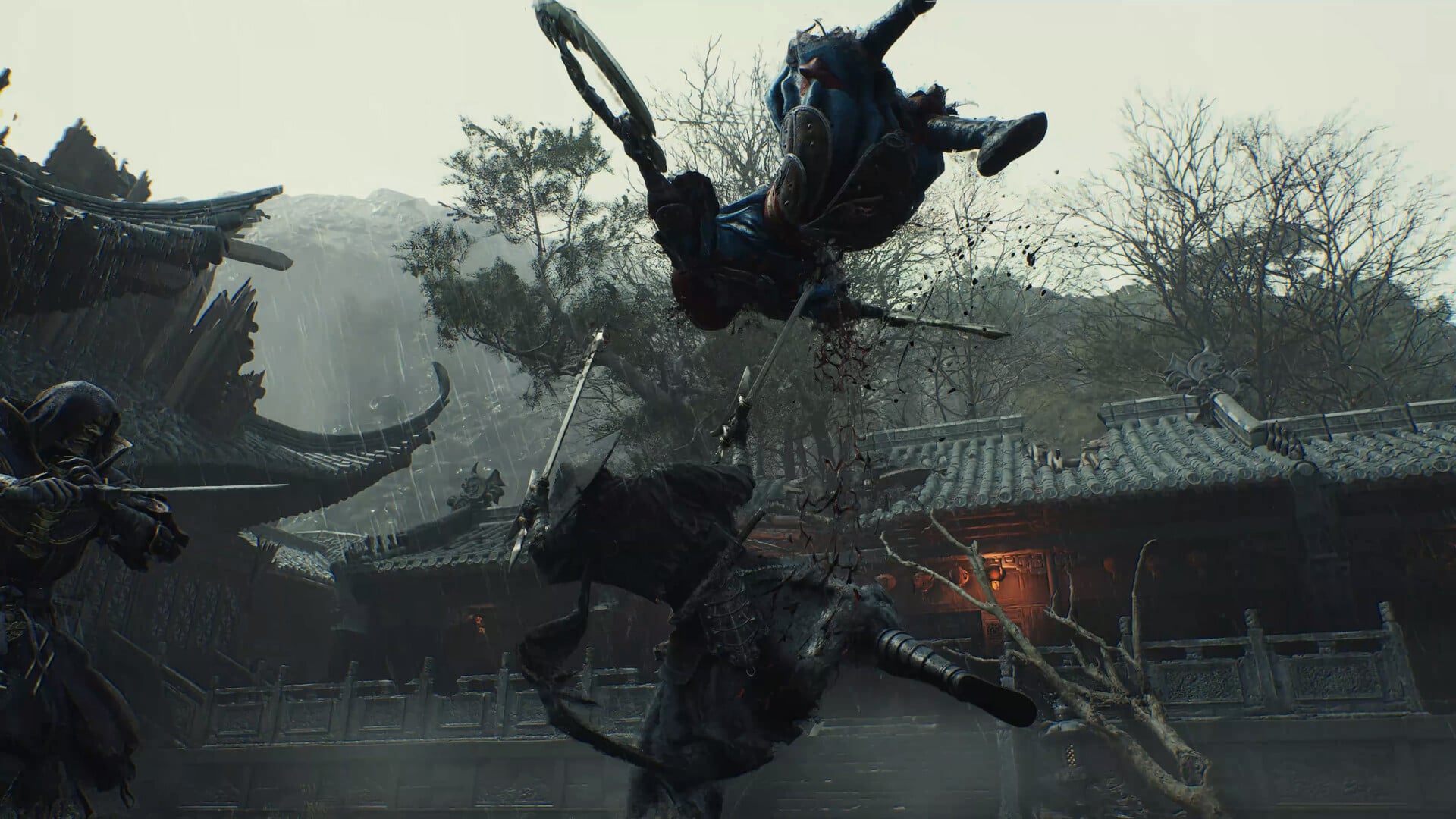
Ahead of Phantom Blade Zero’s arrival on PlayStation 5 and PC, director Qiwei “Soulframe” Liang has spelled out how the wuxia action game plays, how its difficulty options work, and what to expect from its weapons, enemies, and story. The picture that emerges is a single-player martial arts game built for both casual and hardcore players, with systems designed to reward exploration rather than repetition.
Quick answer: Phantom Blade Zero launches October 29, 2026, runs about 25 to 30 hours, ships with four difficulty modes, lets you reset and transfer weapon upgrades freely, and does not respawn defeated enemies.
Release date, platforms, and price
Phantom Blade Zero arrives on October 29, 2026 for PlayStation 5 and PC. On PC, players can purchase it from Steam or the Epic Games Store. The release was pushed back from its original September 9 date; the studio said the extra time would let it deliver the best version at launch instead of relying on later patches.
The game comes in a Standard Edition priced at $59.99 and a Digital Deluxe Edition for $69.99. Pre-orders grant early access to the Treasure Basin accessory and Legacy outfit, but either reward is also obtainable during regular play.
Four difficulty modes, including 66 Days
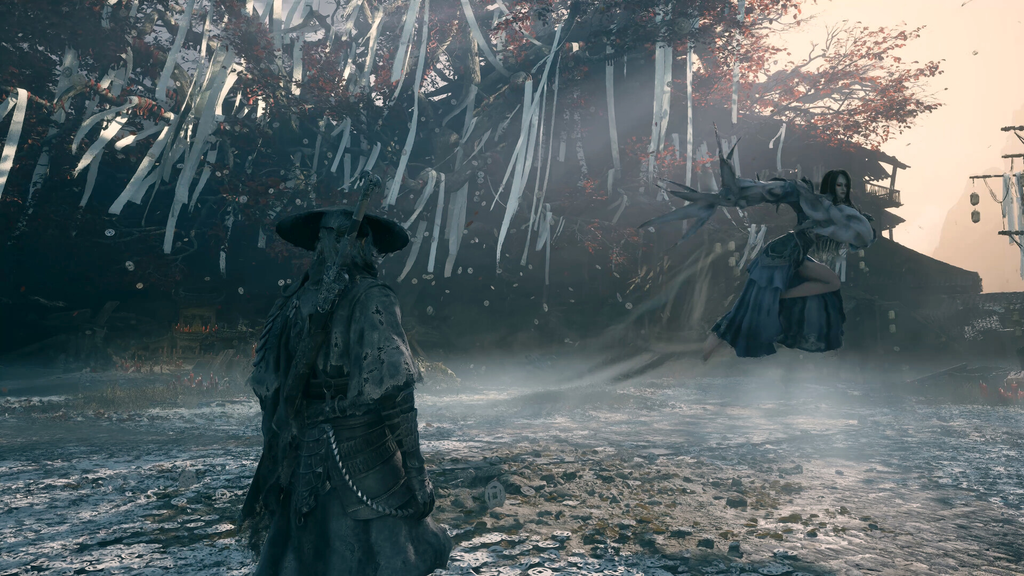
The four available settings are Wayfarer, Pathbreaker, Hellwalker, and 66 Days. Soulframe chose to include difficulty options from the start of development so fans of the game’s style and movement could see it through without one punishing setting preventing them from finishing.
Easy play still delivers the excitement while making the game simpler to complete. At the opposite end, 66 Days is the hardest mode and does not simply inflate enemy numbers. It rebuilds the AI into a far more complicated balance, which the director describes as the purest expression of what the combat was built for.
The Platinum Trophy can be earned in a single run on any difficulty. As long as you are willing to explore, the hardest mode is not required to complete the trophy set.
Weapons, lock-and-key, and resetting upgrades
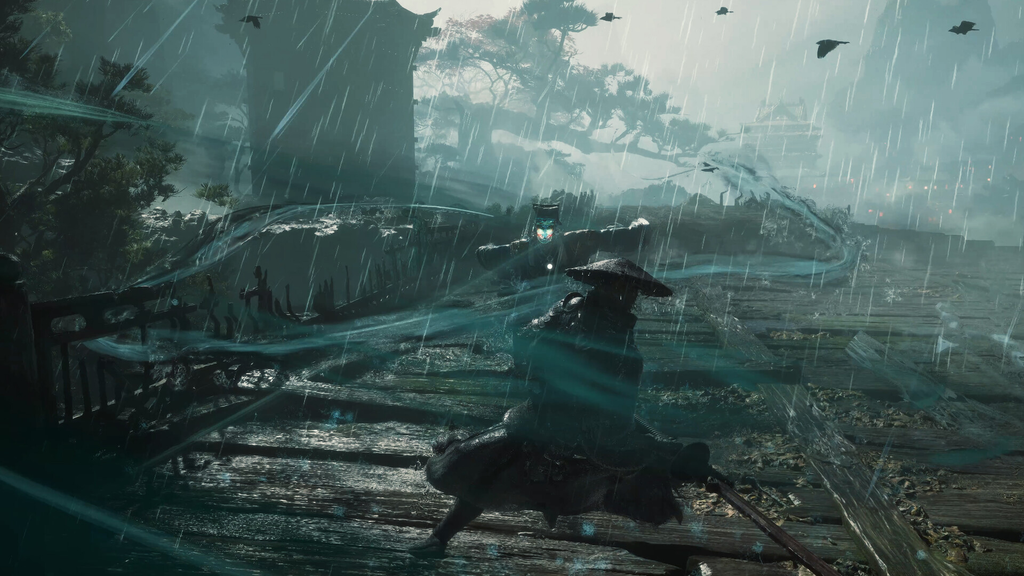
Soul can equip a pair of primary Blades and two secondary Phantom Edges. The arsenal includes over 30 primary weapons, plus 25 Phantom Edges. The director openly acknowledges that perfect balance across so many weapons cannot be achieved; since the game has no PvP or multiplayer, that kind of strict parity is not the goal. Instead, weapons should each feel different and give players reasons to try them out.
Weapon variety is tied to a lock-and-key design. Enemies present “locks,” such as a shield, and weapons act as “keys,” such as an axe that breaks that shield. Around ten lock-and-key combinations have been shown, and no single key is strictly mandatory because you can usually find another way through a defense.
You are never forced to commit to one weapon. The game lets you reset a weapon’s upgrade level and transfer that investment to a different weapon, and reforging refunds materials. Soulframe points to this as the intended way to beat a tough boss: rather than grinding reflexes, swap gear or combine accessories, and the difficulty often drops sharply.
There is also a challenge weapon, a wooden sword from childhood, and in theory the entire game can be finished using only that. The Drunken Blade from the second level behaves differently again, making the character drunk so the sword flies around and grows more powerful the drunker you are.
Enemies do not respawn
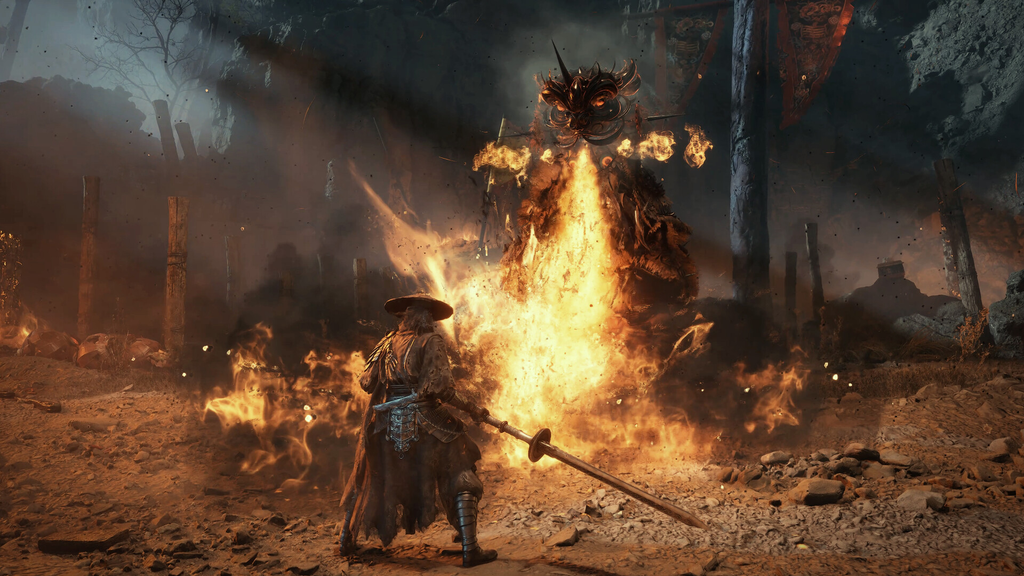
Defeated enemies stay dead. Unlike many Soulslike games, Phantom Blade Zero does not revive foes when you backtrack. The director gives two reasons: the team wants every encounter to feel valuable rather than repeated, and they want to keep the focus on advancing the story and the world.
That choice shapes how you power up. Map resources are finite, so instead of farming cleared areas, you are expected to explore every corner thoroughly to find stronger gear and materials. The first meeting with a new opponent is treated as the key moment, which is why the game avoids recycling the same fights.
A story built for a global audience
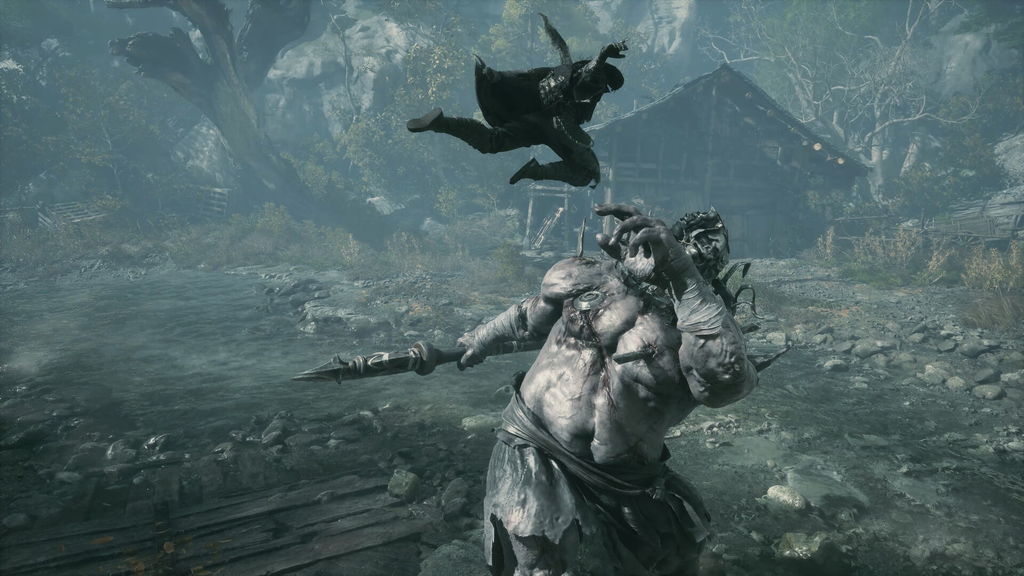
Phantom Blade Zero is an original IP rather than an adaptation of any classical novel. The core plot is deliberately universal, centering on two brothers who grow up together and turn their swords on each other. One becomes an elite assassin hunted by his own organization, a setup the director compares directly to John Wick, “but with Donnie Yen.”
Soulframe says the team did not have to compromise its Chinese cultural elements to stay accessible. The approach keeps emotions like friendship, love, revenge, and hatred universal, while the movements, weapons, and landscapes stay authentic. Deeper layers, including Taoist philosophy and ideas echoing Bruce Lee’s “be like water,” are there for players who notice them but are never required to follow the game.
The studio calls the aesthetic Kungfupunk, blending traditional kung fu with steampunk machinery and body modification. The director’s kung fu inspirations run through Donnie Yen’s films, along with Hero, The New Dragon Yin, and The Blade, several scenes of which the team studied frame by frame.
Shifting art styles mark the passage of time
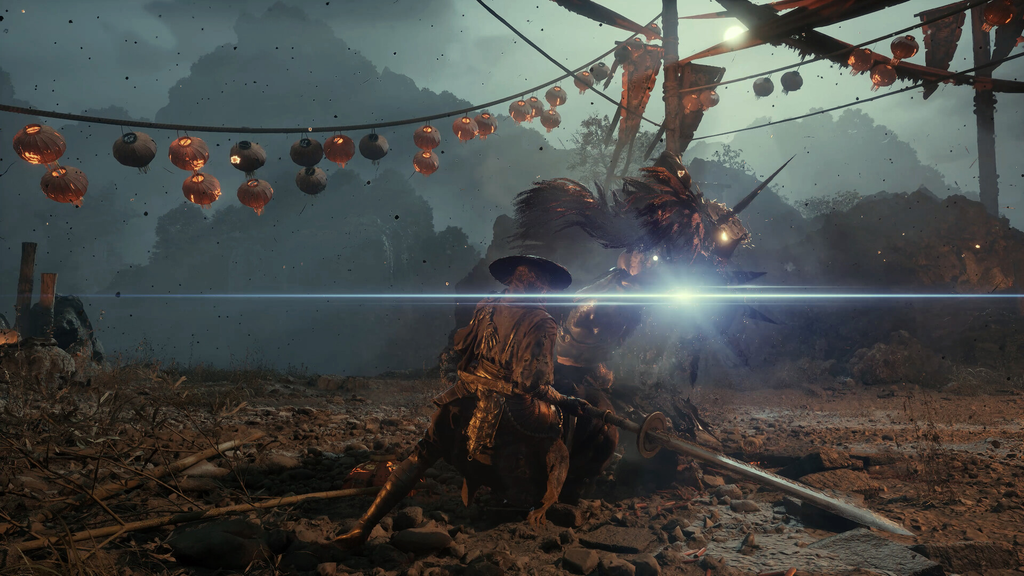
The game changes its visual style depending on when events take place. Scenes set in the distant past use 2D animation. As the timeline moves closer to the present, the look becomes raw 3D animation with a filter, then clean 3D, and finally the game’s standard art style for present-day moments. The idea is to give a clear sense of era and period as the story moves through time.
Length and the jump to AAA
A full playthrough runs roughly 25 to 30 hours. This is S-Game’s first large-scale 3D AAA title, built in Unreal Engine 5 after years of making mobile games, so the studio built its systems from the ground up with help from Chinese outsourcing studios experienced in animation, 3D modeling, and concept art.
The IP itself is far older than the project. Soulframe began writing its world and stories as a student more than 20 years ago, with roots in the 2010 RPGMaker title Rainblood: Town of Death. He stops short of calling Phantom Blade Zero an indie game given its budget and scale, but says it keeps an indie spirit, pointing to young developers hired straight out of school who were handed tasks as important as the final boss and the opening sequence.
With the launch set for the end of October, these confirmations give a clear read on how Phantom Blade Zero wants to be played: a fast character-action game, not a traditional Soulslike, that leans on weapon experimentation and exploration over grinding, and that aims to welcome newcomers while still testing veterans on 66 Days.