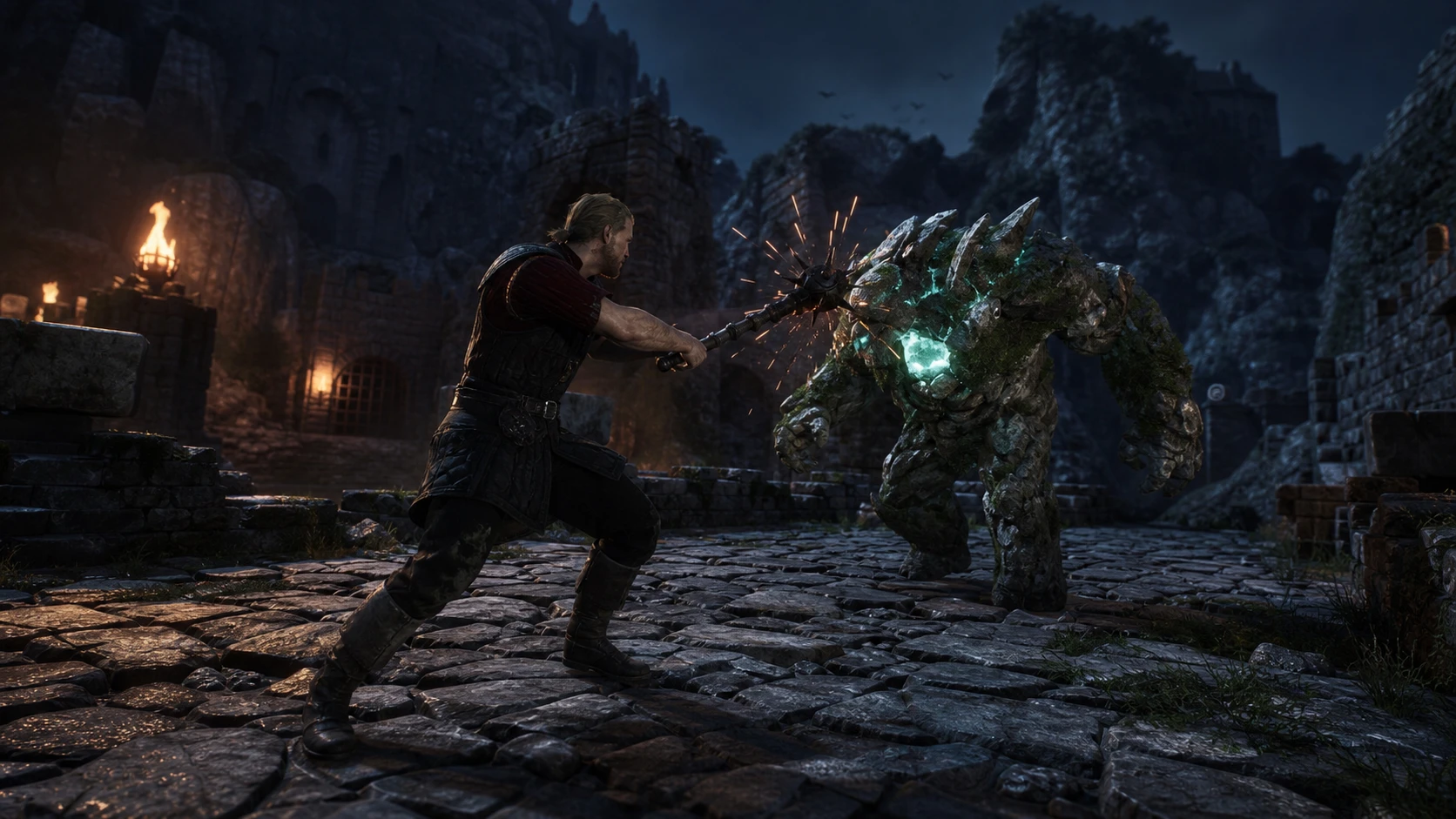
Parrying is the defensive skill that decides most early fights in Gothic 1 Remake. Instead of soaking damage behind a raised guard, a parry deflects the incoming swing, breaks the enemy’s momentum, and hands you a brief window to strike back. Get the timing right and you turn a defensive moment into free damage.
Quick answer: Hold your guard, watch the enemy commit to a swing, and trigger the parry the instant the weapon starts traveling toward you, not when the wind-up begins. A clean parry deflects the hit and opens the enemy for an immediate riposte.
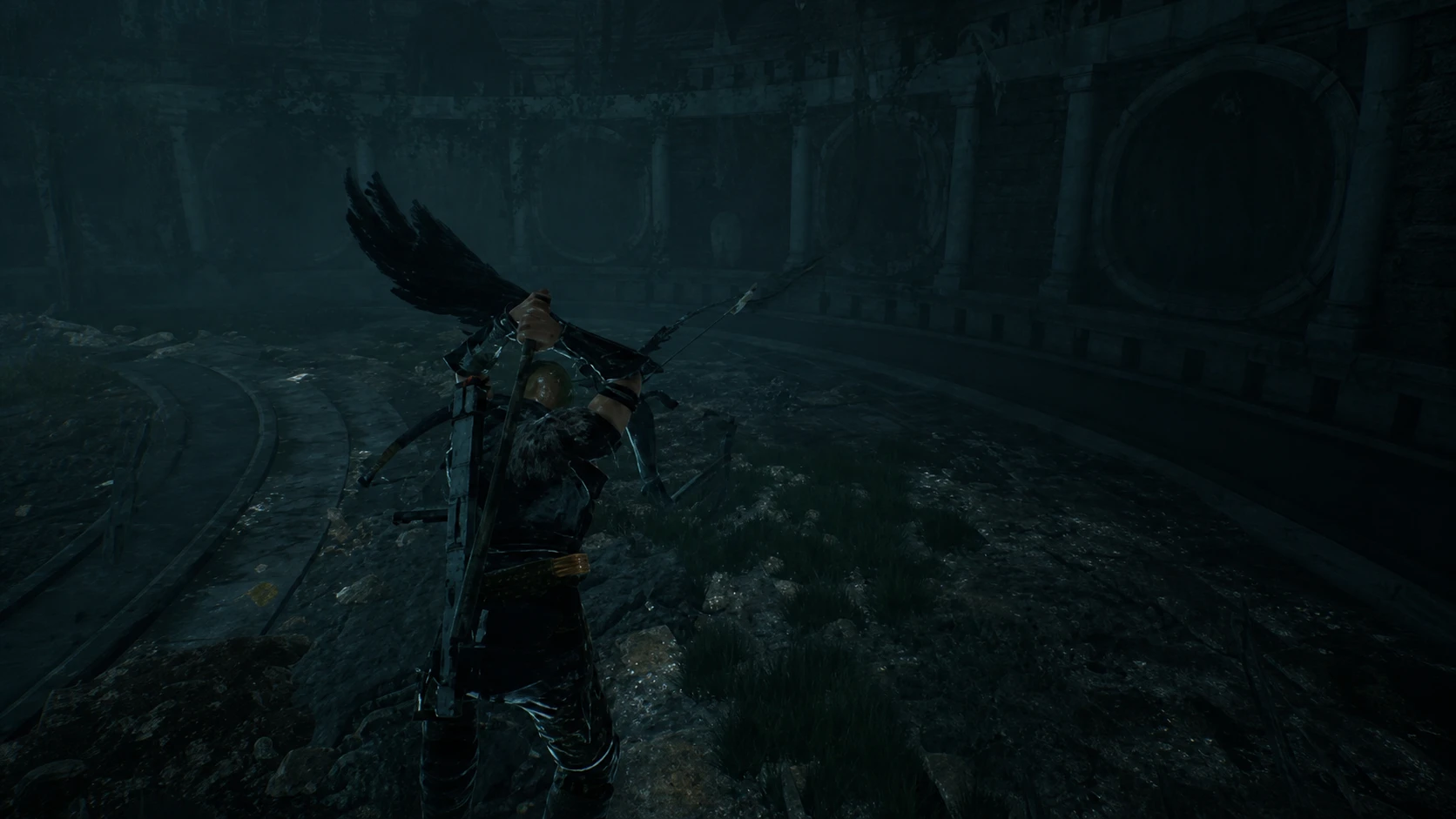
Block vs. parry: what each one does
Both actions start from your guard, but they behave very differently. Blocking is passive. Your weapon absorbs part or all of a frontal attack, which buys time but drains stamina, and heavy hits can break your guard entirely. Parrying is an active, timed input that cancels the enemy’s strike instead of cushioning it.
| Action | What happens | Drawback |
|---|---|---|
| Block | Absorbs frontal damage while you read the enemy | Drains stamina; strong attacks break the guard |
| Parry | Deflects the strike and opens a counter window | Punished if your timing is too early or late |
Treat blocking as a stopgap while you learn the enemy, not a permanent shield. The moment you rely on holding guard, aggressive enemies and groups start dictating the fight.
How to time a parry
Timing keys off enemy animation, not the health bar. Human enemies usually pull their weapon back or shift their shoulders before they swing. Creatures telegraph through lunges, posture changes, and sudden body movement. The mistake most newcomers make is reacting to that wind-up instead of the actual strike.
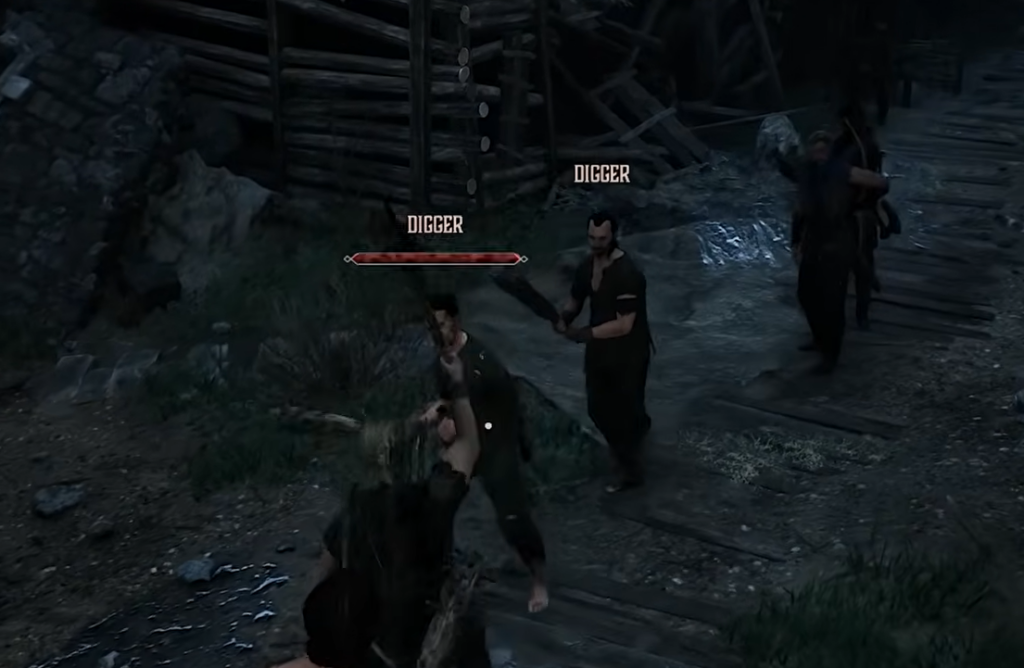
Turn the parry into a riposte
A parry is only half the exchange. Right after a deflection, the enemy briefly loses control and their stance opens up, which is the moment to land a quick counterattack. The full loop looks like this: enemy attacks, you parry, you riposte, and you take the initiative.
The riposte window is not huge, but it is generous enough to reward an alert player. Against tougher human opponents, this trade is far more reliable than chasing long combo chains, because you deal damage while staying relatively safe.
You know it worked when the strike visibly bounces off, and your character is free to counter instead of being staggered. If you instead take the hit or get pushed back, the parry input came too early or too late.
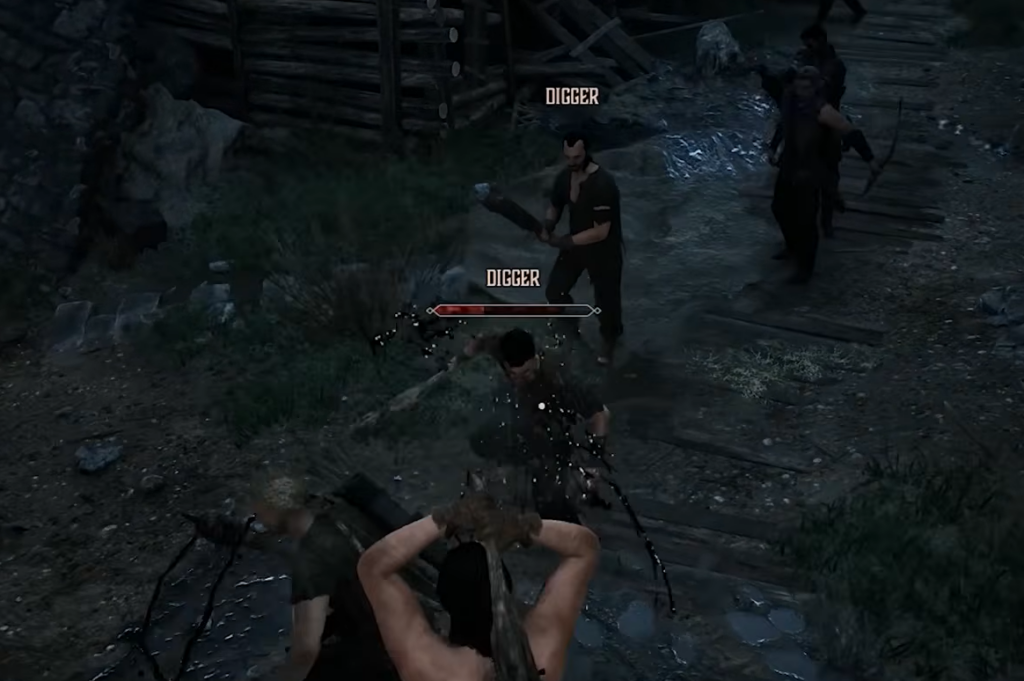
When not to parry
Not every attack should be parried. Large monsters, elite warriors, and powerful creatures carry heavy attacks that overwhelm standard defensive options and can blow through a parry attempt. The simple rule is to respect anything that looks massive.
Against those heavy hitters, dodging and repositioning beat trying to deflect. Spacing matters here, since rolling does not grant generous invincibility, and surviving relies on reading attack ranges and choosing a safe direction rather than pushing through a hit.
Positioning protects the parry too. A flawless deflection means little if a second enemy is behind you. When facing more than one opponent, keep everyone in front, move laterally, avoid corners, and create space before you commit to a parry.
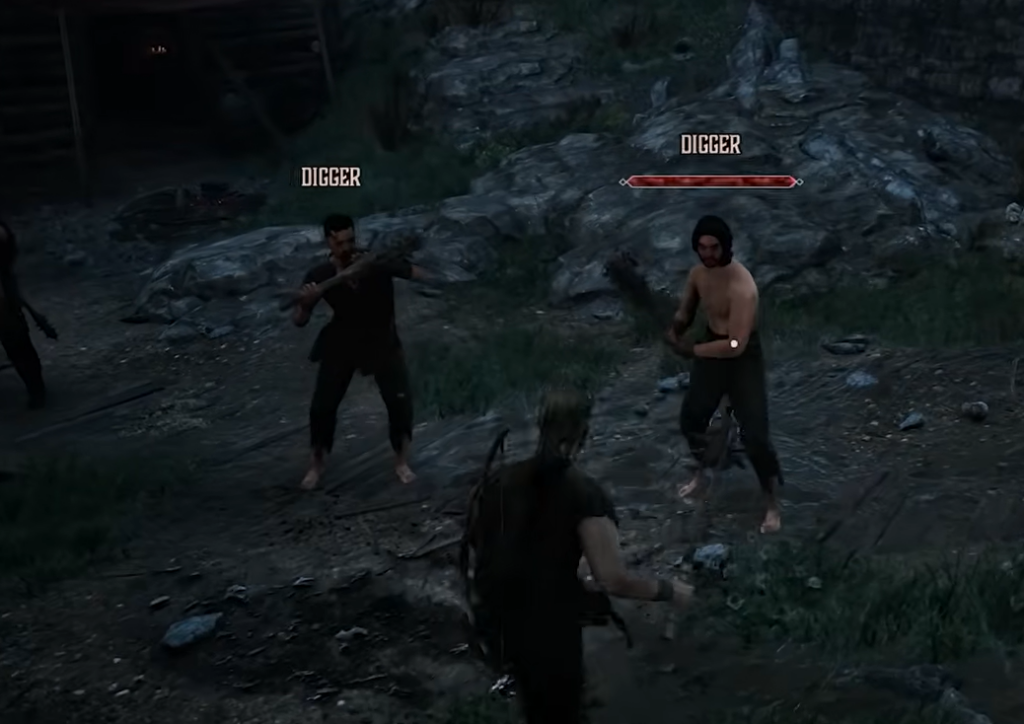
Training makes parries more reliable
Defensive consistency improves as your character grows. Investing Learning Points into weapon training does more than raise numbers. It speeds up recovery, smooths your movement, and makes successful parries easier to execute as your mastery climbs.
| Skill level | Combat impact |
|---|---|
| Beginner | Slow attacks, limited control |
| Trained | Faster recovery and smoother movement |
| Experienced | Better flow between offense and defense |
| Advanced | More reliable combos and defensive options |
To build the timing, practice on weaker enemies before stepping into hard fights. Scavengers are predictable enough to teach the rhythm yet dangerous enough to punish sloppy inputs. Spend a few encounters focused entirely on defense, ignore your damage output, and let the parry timing become instinct. Once it clicks, the rest of the combat system follows.