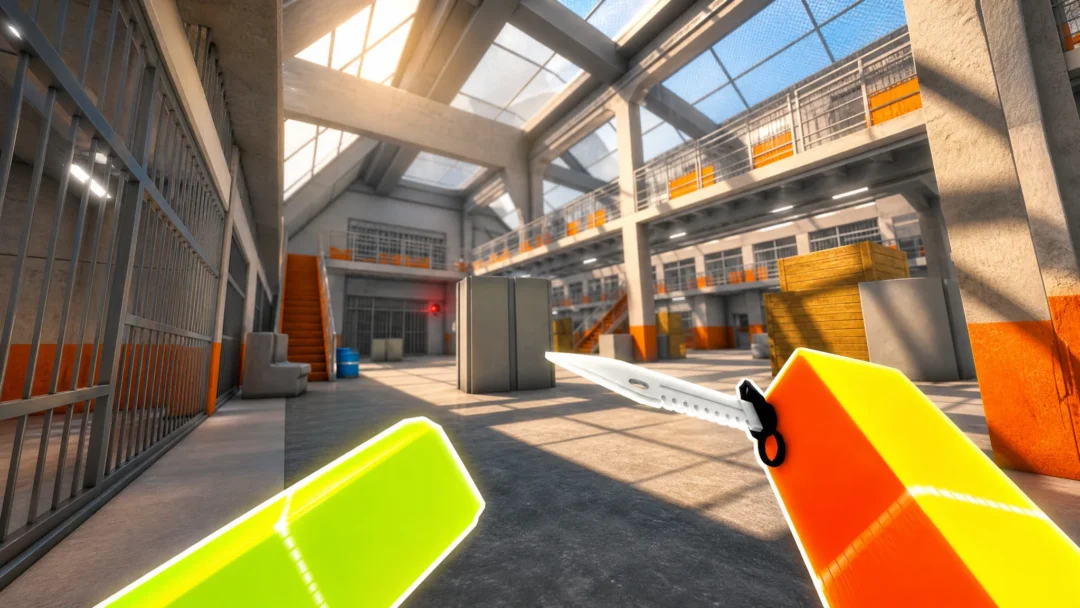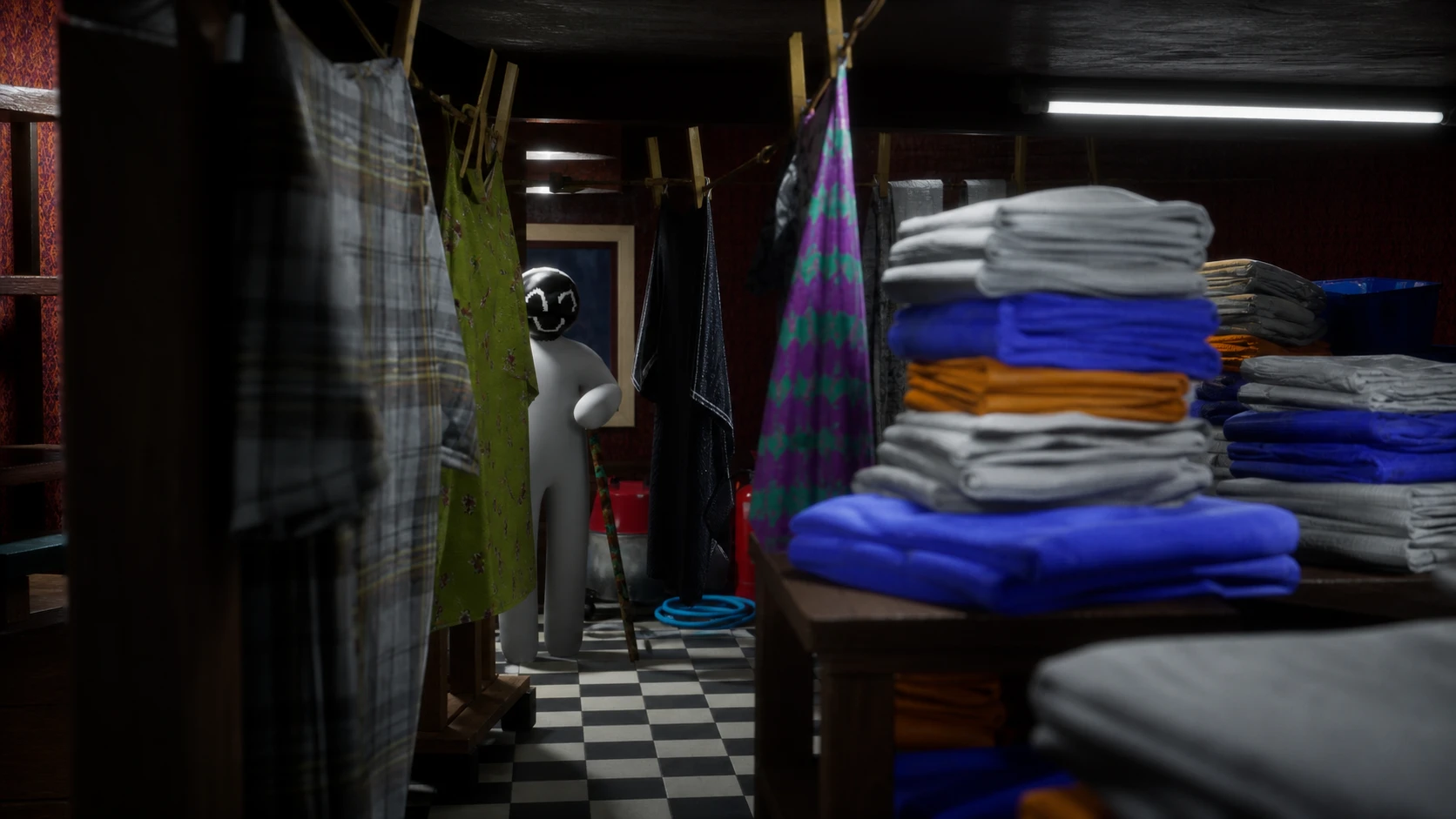
Meccha Chameleon turns a plain white figure into a problem the seeker has to solve. You paint your body, pick a pose, and try to read as part of the room instead of a person crouched against it. The players who survive every round have stopped chasing invisibility and started buying time, forcing the seeker to stop, stare, and second-guess until the timer runs out. These advanced habits are what separate an instant tag from being the last one standing.
Quick answer: Sample your exact background color with the eyedropper, match the room’s light direction and any pattern, break your player silhouette with a pose, rotate the camera to check yourself in third person, then hold completely still during the hunt.
Master the paint tool before you pick a spot
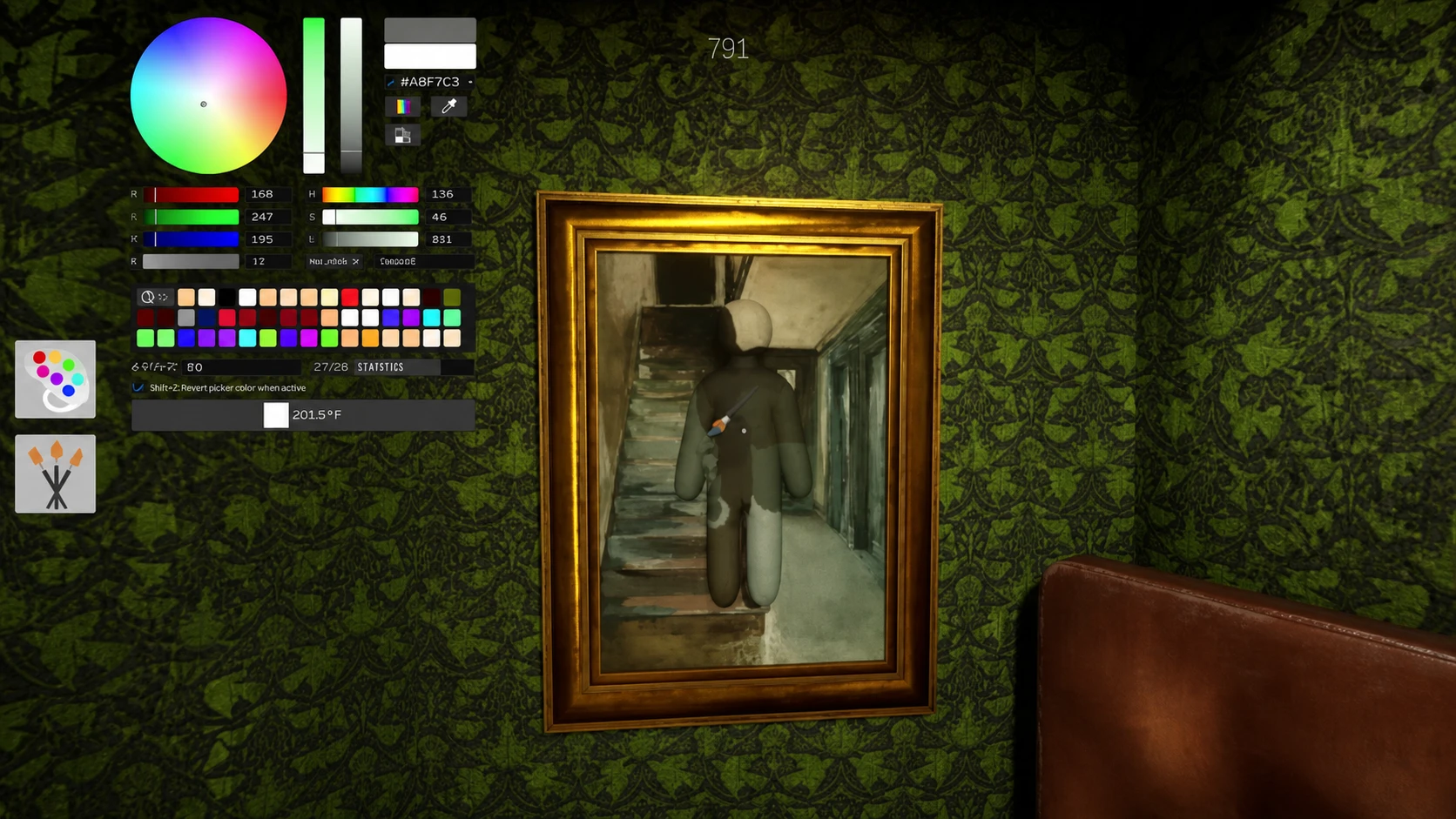
Every other skill sits on top of the paint tool, so spend your first lobby learning it instead of sprinting off to hide. Open it with F and you get something closer to an art program than a game menu. The single most important control is the eyedropper, which copies the exact color of whatever surface you point it at. Sample the wall or object you will actually lean against, never a similar-looking one across the room, because lighting shifts color far more than your eye expects.
A sampled color is a starting point, not a finished disguise. The HSV sliders let you nudge the shade toward shadows or highlights, and the metallic and roughness sliders decide how your body catches light. Almost everyone ignores those last two, which is exactly why a “perfect” color still gets spotted. A glossy body against a matte wall shines wrong no matter how accurate the hue is.
| Control | What it does |
|---|---|
| Eyedropper | Copies the exact color of the surface you point at |
| HSV sliders | Fine-tune brightness and saturation for shadows and highlights |
| Metallic / roughness | Match how your body reflects light against matte or glossy surfaces |
Hide by shape, not color
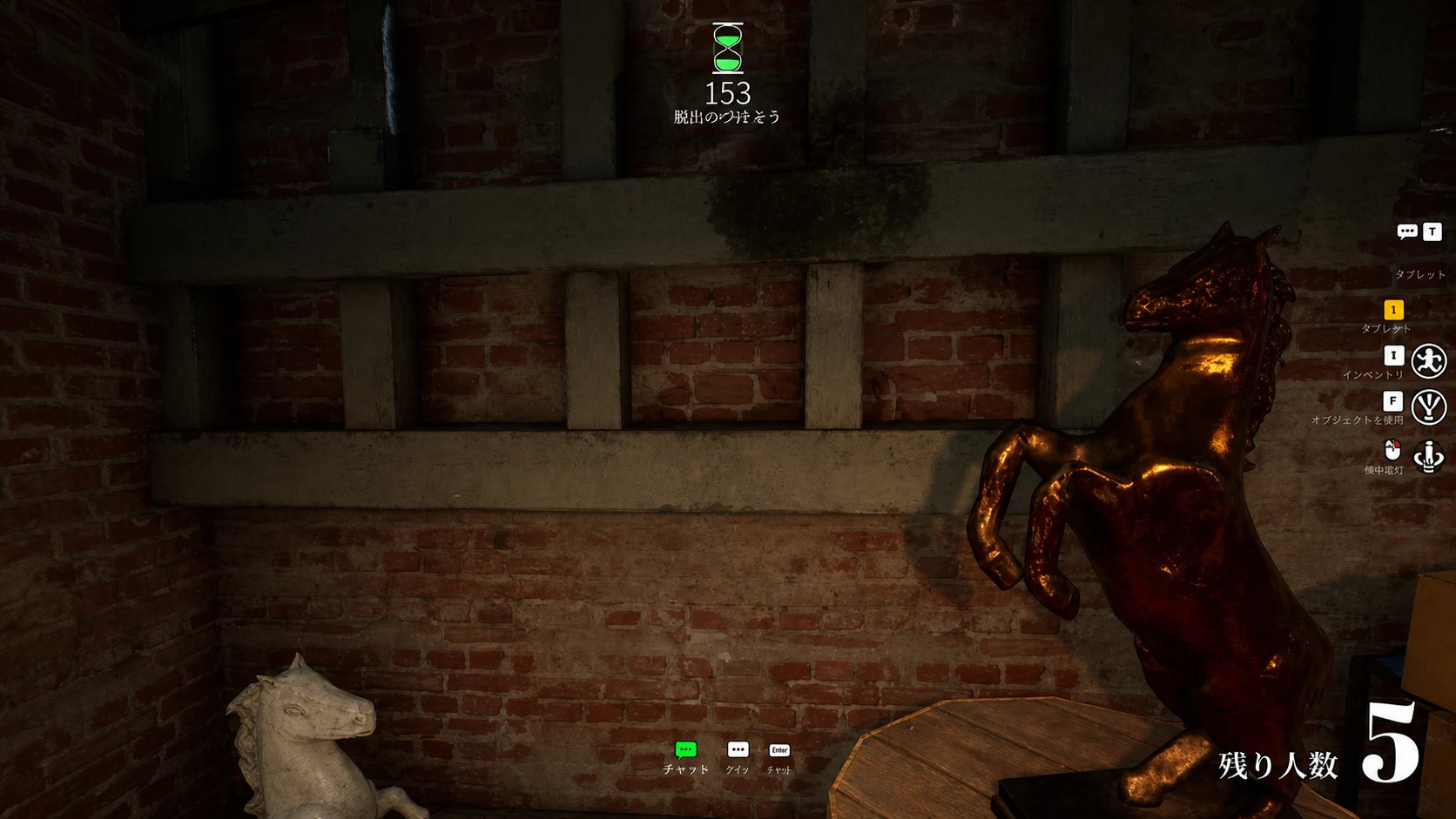
Seekers hunt shapes, not colors. That is the one lesson that separates beginners from the rest. The eye recognizes a player outline far faster than it registers a wrong shade, so a flawless paint job on an obvious standing body still gets tagged. Once your color is down, the job is to stop looking like a person.
Poses do the heavy lifting here. Crouch, lie flat, press against a wall, or use an emote that bends you into something that does not read as a body. Each map favors a different approach, so let the room decide. Rooms packed with low objects reward crouching, while a wide open space often rewards lying flat. The goal is to switch from being a color chameleon to being a shape chameleon.
Better still, mimic a real object instead of melting into a flat wall. A painting, a vase, a balloon among other balloons, or produce on a kitchen shelf all work because the seeker’s brain already expects those things to be there. They have to pick a suspicious shape out of shapes that all look like they belong, and that moment of hesitation buys the seconds that win rounds.
Match the light and the pattern
Copying the right color is only half the equation. Find the room’s light source and shade your body to match it, brighter on the side facing the light and darker on the side facing away. That gives you depth and lets you sit in the scene naturally. Leave yourself one flat tone and your body reads as artificial, even when the hue is exact, because seekers are trained to notice lighting that does not add up.
Patterns matter just as much. Plenty of maps use checkered floors, tiled walls, and geometric trim. A solid color might pass from a distance, but it falls apart up close. Recreate the pattern on your body and line it up with the surface behind you so the seeker cannot tell at a glance whether they are looking at the floor or a player.
Tip: Position yourself where two colors meet. Corners, door frames, stair edges, decorative trim, and shadow boundaries create visual noise that hides a slightly imperfect match far better than a large blank wall does.
Spend your prep time on a budget
The preparation window feels longer than it is, and the most common way to lose is to spend it wandering. Lock your hiding zone in the first third, sample your colors straight away, and use everything left to refine your edges and settle a pose. Players who hold out for the perfect spot are still half-painted when the hunt begins, and a half-painted body is a free tag.
Clutter forgives a rough color match, so good hiding starts before the paint tool even opens. Look for repeating panels, stacked objects, and busy corners where a slightly off color disappears into the noise. Save flat walls for when your paint is genuinely flawless, because a single flat tone hands the seeker a clean outline to check against.
Check yourself in third person
The biggest mistake is judging your disguise from your own first-person view. It can look flawless to you and completely obvious to the seeker walking past. Before prep ends, rotate the camera all the way around your character and hunt for anything that breaks the illusion.
Look for a stray bright patch, a color that does not sit right, awkward limbs, a texture mismatch, and the classic killer, white gaps between your limbs. White elbows have ended more rounds than bad hiding spots ever will, and a quick camera sweep catches them before the hunt starts.
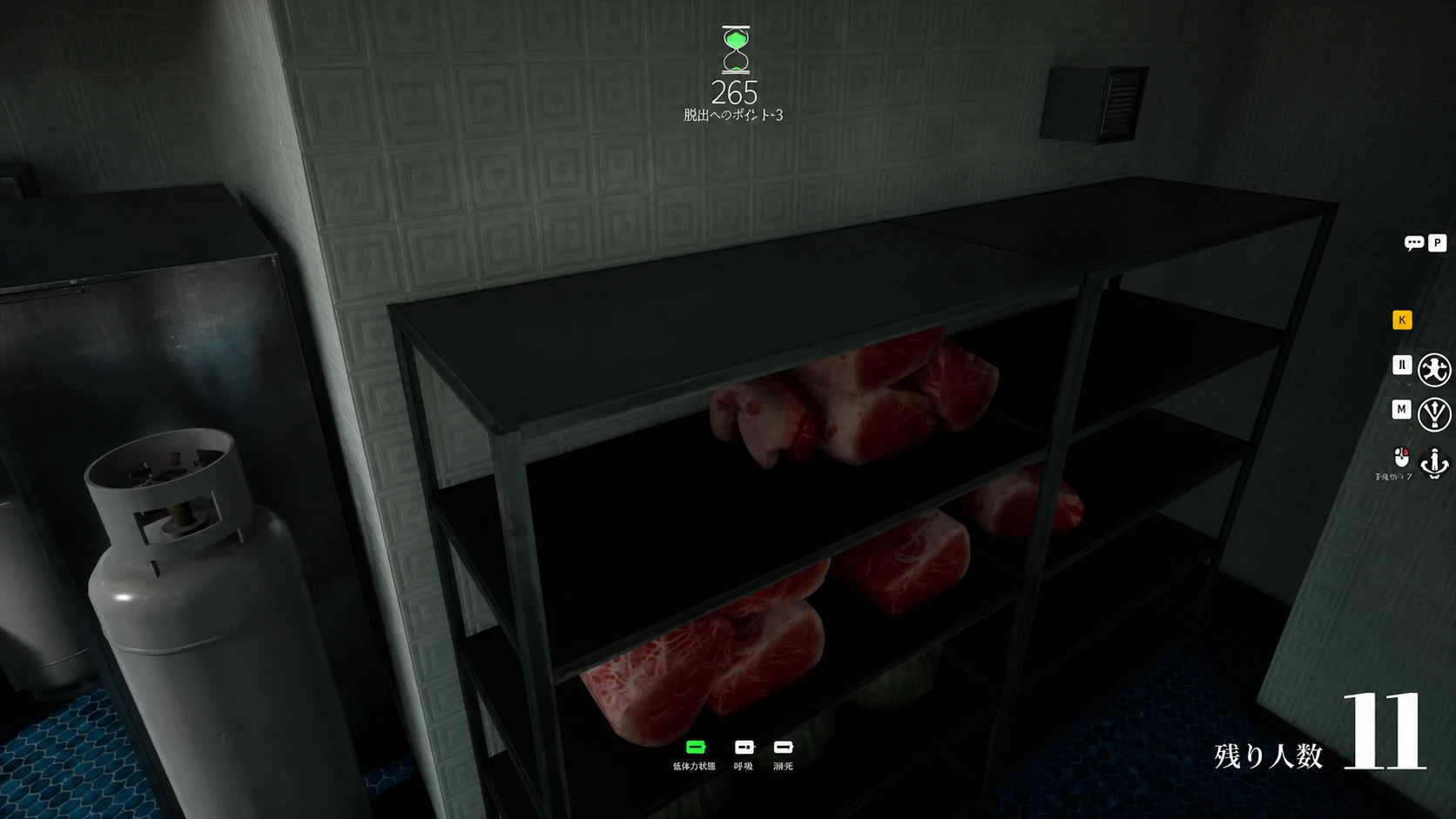
Hold still and let decoys soak up attention
Once you commit to a pose, stop moving. Micro-movement is the single biggest tell an experienced seeker watches for, and one twitch of the camera or an adjusted angle gives you away even with a perfect disguise. Seekers often catch motion before they ever notice a color mismatch. Plan a quiet escape route, but do not keep glancing toward it, because that glance is itself a tell.
You are not hiding in a vacuum either. If a nearby hider has slapped on a loud, sloppy disguise, stay exactly where you are. Seekers pounce on the obvious target first and often leave the whole area satisfied it is clear, walking straight past your far better hide on the way out. When you do need to relocate, move only after the seeker has committed elsewhere, and move toward a better background or a zone they have already cleared. Panicked running almost always turns a near miss into a certain catch.
You will know your disguise held when the hunt timer hits zero with you still on the map, and the results screen reveals exactly where every hider was tucked away. The play is available on the official Steam page for Windows, and lobbies run from 2 to 10 players. Treat your disguise as a complete package of spot, paint, light, shape, and stillness, and you will go from instant-tag to last one standing far more often.