
The Robin is a Legendary pet in Grow a Garden 2 built around one job. It flies through your plots, eats ripe fruit, and sometimes leaves a seed behind. That makes it a farming support pet rather than a growth or defense pet.
Quick answer: Equip the Robin as an active pet, then let your crops ripen. It eats ripe fruit and occasionally drops seeds, effectively trading some sell value for new seeds you can replant.

What the Robin does in Grow a Garden 2
When the Robin is set as an active pet, it moves around your garden on its own and interacts with crops that have fully ripened. There are two parts to its behavior. It removes ripe fruit, and it has a chance to drop a seed in return.
That swap is the whole point. You give up the immediate sell value of a fruit, and in exchange you can gain a seed for your next planting cycle. The higher a fruit’s rarity, the lower the seed-drop chance appears to be, so the Robin tends to convert common ripe fruit most often.
Because the ability works passively, you do not need to keep clicking. The more ripe crops you have at once, the more chances the Robin gets to produce seeds. In a small or idle garden, there is simply less for it to act on.
Note: Equipping more than one Robin stacks the same effect, since multiple pets of the same kind layer the same buff.
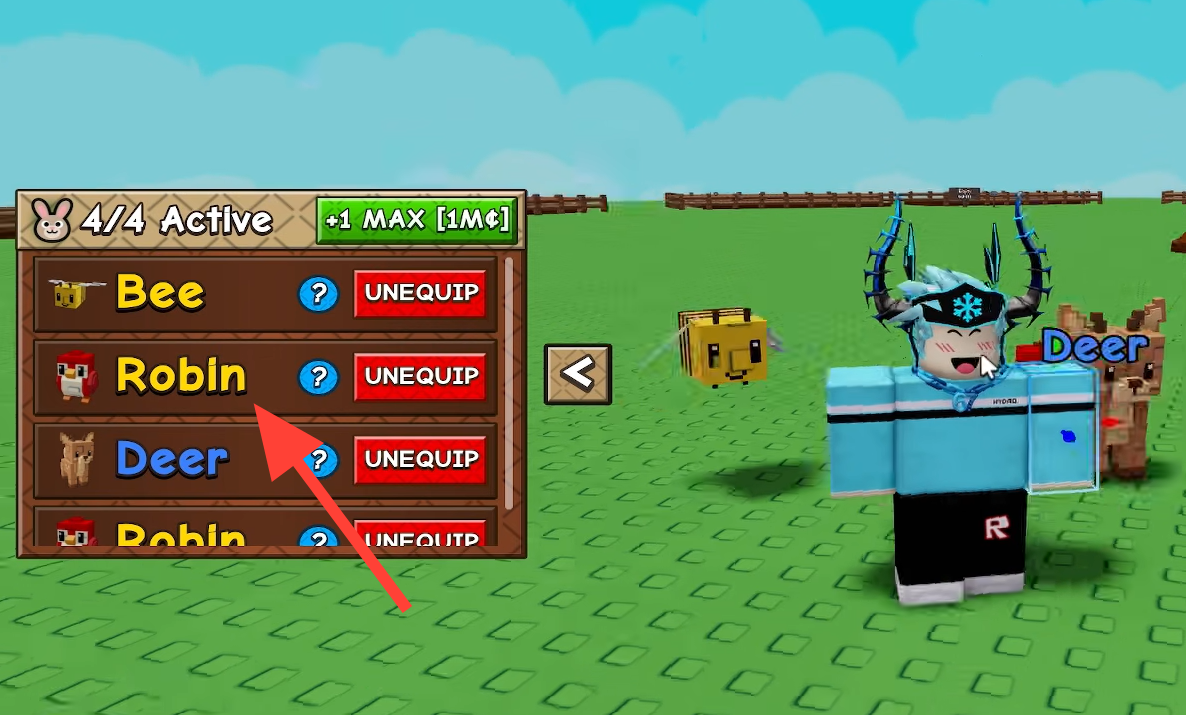
Robin stats and overview
| Detail | Value |
|---|---|
| Rarity | Legendary |
| Type | Pet |
| Source | Map pet spawn / eggs |
| Price (standard) | 75,000 Sheckles |
| Price (Big Robin) | 150,000 Sheckles |
| Ability | Eats ripe fruit, sometimes drops seeds |
| Availability | Release |
How to get the Robin
There are two reliable ways to add a Robin to your collection. The first is the map spawn, and the second comes from eggs tied to Guild events.

How to confirm the Robin is working
After equipping the Robin, you will see it flying around the garden and removing ripe fruit on its own. The clearest sign it is active is finding new seeds appearing where ripe crops used to be. If your plots are mostly empty or your crops are not ripe yet, the Robin has nothing to act on, so let a few crops mature first.
Best way to use the Robin
The Robin pays off most in an active farm where crops are constantly ripening. Keep your plots filled so it always has fruit to convert, and lean toward faster crops to trigger the ability more often. Replanting the seeds it drops is what turns the effect into real value.
| Setup | Why it helps |
|---|---|
| Plant fast-growing crops | More ripe fruit means more seed-drop chances |
| Keep every plot planted | Empty plots waste the Robin’s passive triggers |
| Replant dropped seeds | Converts the ability into future harvests |
| Harvest high-value fruit quickly | Prevents the Robin from eating crops you wanted to sell |
If you notice the Robin eating rare fruit before you can sell it, shift it toward lower-risk or faster crops where seed cycling matters more than a single sale. For players who harvest only occasionally, the pet feels average, but for a garden that is always producing, it earns its slot by stretching your seed supply.