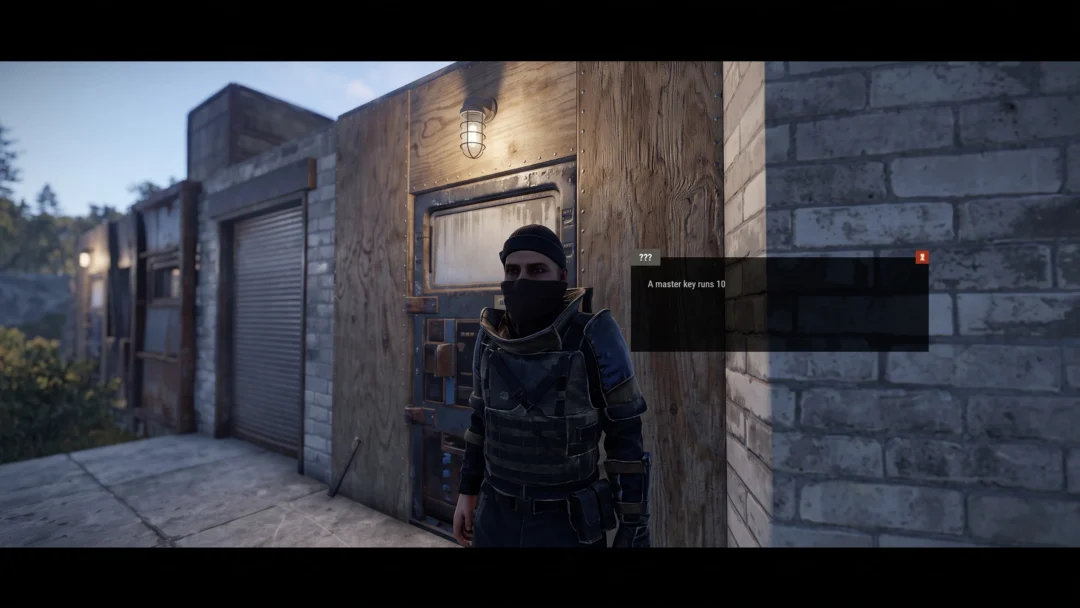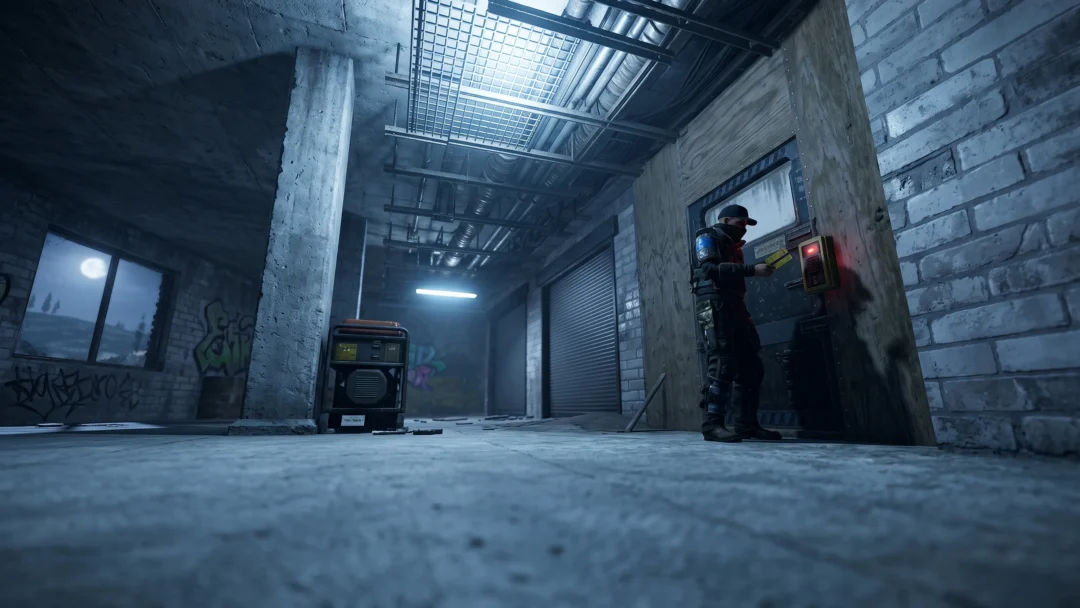
The Master Key is the only sanctioned way to force open an occupied apartment room inside a Rust safe zone. It is a single-use tool, so it disappears after one successful break-in, and the price you pay for it should decide how selective you are about which room you hit.
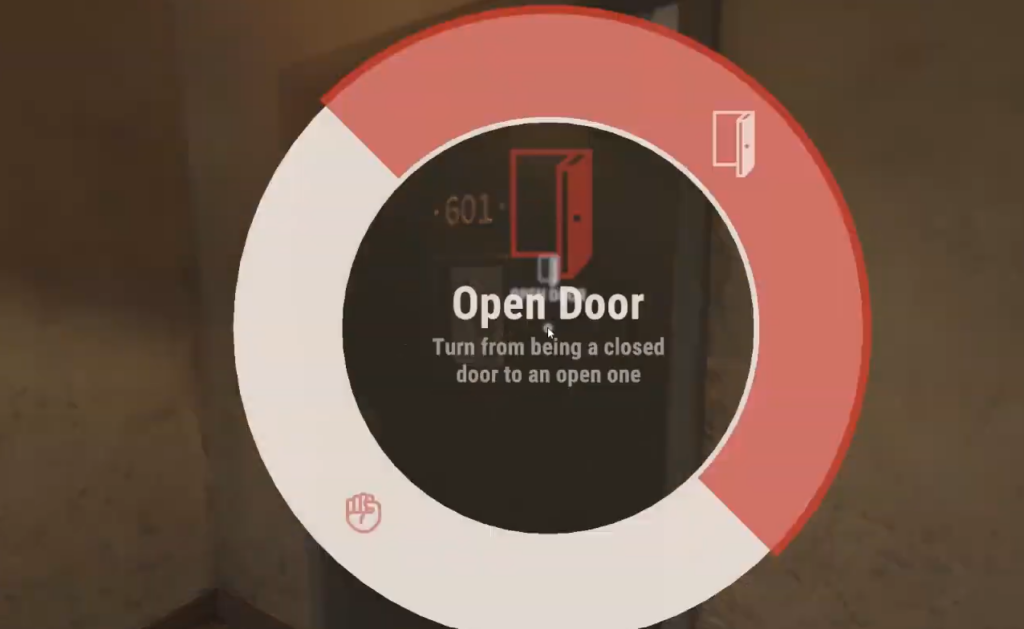
Quick answer: Buy the Master Key from the Produce Exchange vendor at Bandit Camp for a base price of 1,000 Scrap, rent any apartment room to reach the apartment computer, pick an occupied Medium or High Value room, then hold interact at its door until temporary access is granted. The key is consumed once the door opens.
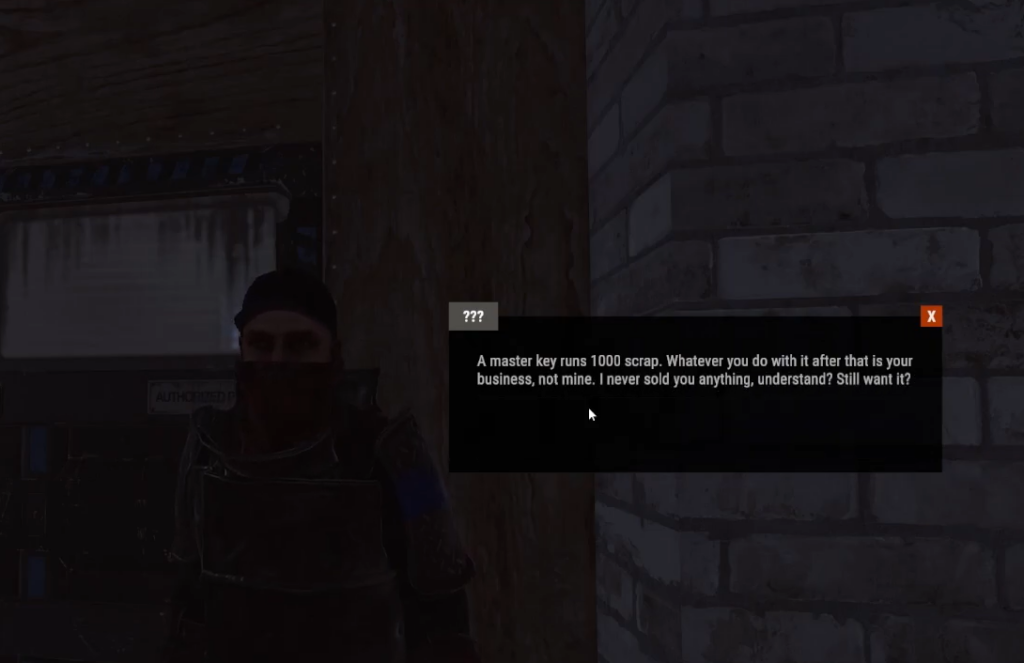
Where to buy the Master Key at Bandit Camp
The Master Key is sold at the Bandit Camp Produce Exchange, at the stall marked “STUFF.” You pay in the Exchange’s Gears currency, and the base price is 1,000 Scrap. That price is not fixed. Heavy buying pushes it up, and it has been seen climbing to nearly 3,000 Scrap when stock is being bought out.
| Detail | Value |
|---|---|
| Where to buy | Bandit Camp, Produce Exchange |
| Base cost | 1,000 Scrap |
| Peak observed cost | Nearly 3,000 Scrap |
| Restock time | Every 12 real-life hours |
| Uses per key | One, then consumed |
The restock timer runs on real time, not in-game hours. If the vendor is sold out, you wait up to 12 hours for the next one to appear.
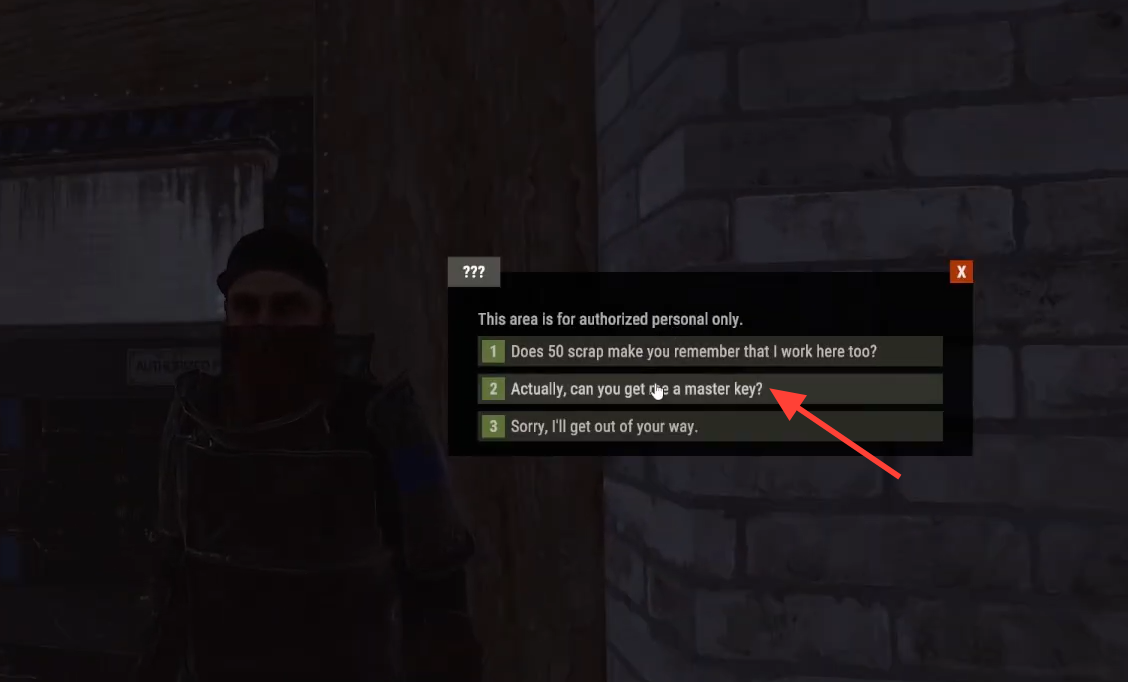
Rent a room first to unlock the apartment computer
A Master Key on its own does not tell you which rooms are worth opening. You need to rent an apartment room yourself so you can access the apartment computer, which lists every room in the building and rates it. The cheapest room is enough if all you want is that scouting access. You rent through the Concierge at the front desk in the lobby.
| Room type | Rent | Daily upkeep |
|---|---|---|
| Basement | 100 Scrap | 25 Scrap/day |
| Standard | 200 Scrap | 50 Scrap/day |
| Penthouse | 400 Scrap | 100 Scrap/day |
Miss a full 24 hours of rent, and you lose access to the room, so keep upkeep paid if you plan to store anything. If you forget your own room number, ask the Concierge again before you start moving loot around the building.
How to read room value before you spend a key
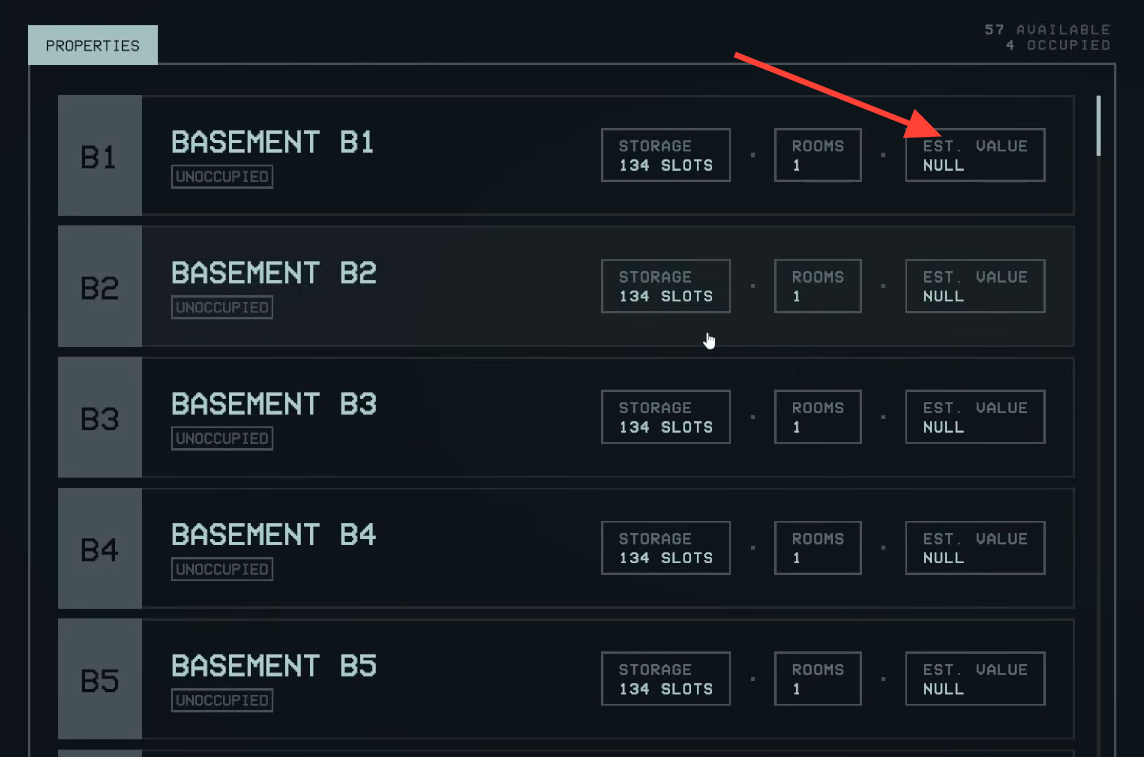
Once you have rented a room, the apartment computer shows which rooms are occupied, which are available, the room type, the storage slots, and an estimated value rating for each one. That rating is your filter. Never raid blind, because an empty room burns your entire investment.
| Room value | Likely contents | Priority |
|---|---|---|
| Null / No Value | Empty or low-value items | Skip |
| Low | Scrap or light valuables | Only if the key was cheap |
| Medium | HQM, weapons, rockets, mixed loot | Worth checking |
| High | Explosives or high-tier loot | Best target |
A High Value tag is the strongest signal you get, but it is not a guaranteed payout. Treat it as the best available read, not a promise.
How to use the Master Key on an occupied room
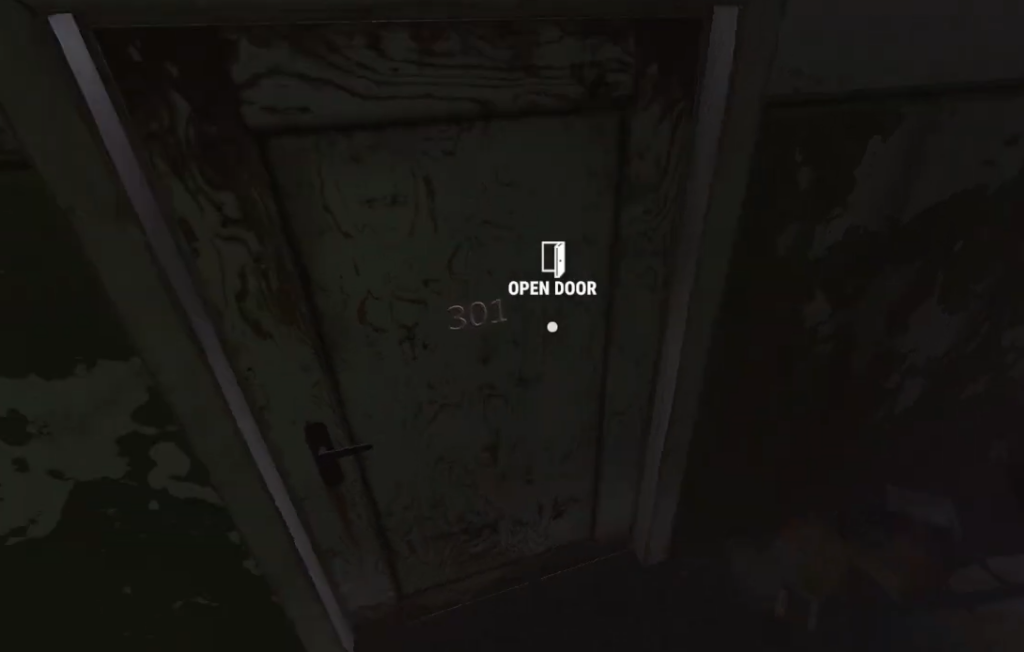
You know it worked when the door grants you entry. That confirms the break-in is complete, the key has been consumed, and your access window has started counting down.
What to grab first once the door opens
Temporary access means every second counts, so pull the densest value before anything else and do not stop to organize your inventory. Work down this order.
- C4 and other explosives
- Rockets
- Scrap
- HQM
- Weapons
- Components
- Armor
- Basic resources
Normal storage is fully lootable, but the upkeep Scrap tied to a room appears to be protected. You can empty the regular containers, but the rent held for upkeep is likely not stealable.
When a Master Key raid is worth the cost
Because the key is destroyed on use, the price you paid should set how picky you are. A cheap key lets you gamble on a Medium room. An expensive one needs a confirmed payoff before you commit.
| Key price | Only raid |
|---|---|
| 1,000 Scrap | Medium or High Value rooms |
| 2,000 Scrap | High Value rooms first |
| 3,000+ Scrap | High Value or confirmed loot only |
A High Value room usually holds strong loot such as C4, rockets, explosives, HQM, weapons, or large Scrap stacks. It is the best indicator available, but it never guarantees profit.
Keep your own room from becoming a target
The value system does not weigh every item the same. Explosives and high-tier materials move the rating far more than stacks of stone or metal, so the moment your own room tips into Medium or High, anyone scouting the building can see it and come for you.
| Stored loot | Value impact | Risk if raided |
|---|---|---|
| Stone / metal fragments | Low | Low |
| Scrap | Low to Medium | Medium |
| HQM | Medium | Medium-High |
| Weapons | Medium | Medium |
| Rockets | Medium-High | High |
| C4 / explosives | High | Very High |
| Keycards / armor | Inconsistent | Low-Medium |
Note: Keep explosives, rockets, large HQM stacks, big Scrap piles, and your best weapons out of apartments entirely. Split loot across rooms so a single break-in cannot clean you out, and check your room’s rating after every deposit. If it reads High Value, move the expensive items back to your main base.
Raiding apartments is simple in practice, but the cost of the key is what turns it into a real decision instead of a reflex. Scout first, match your standard to the price you paid, and treat any room you rent as short-term storage rather than a vault.