In Guildrun, the class you build around decides how smooth the rest of your run feels. Some classes carry you through the rifts with barely any setup, while others fold once enemy damage climbs. Two stand out for raw consistency across a whole run, and they happen to work best when you run them together.
Quick answer: Prioritize Mage for scaling damage and Vanguard for frontline survivability. Put Vanguards in the front row to absorb hits and keep Mages in the back to build up damage safely.
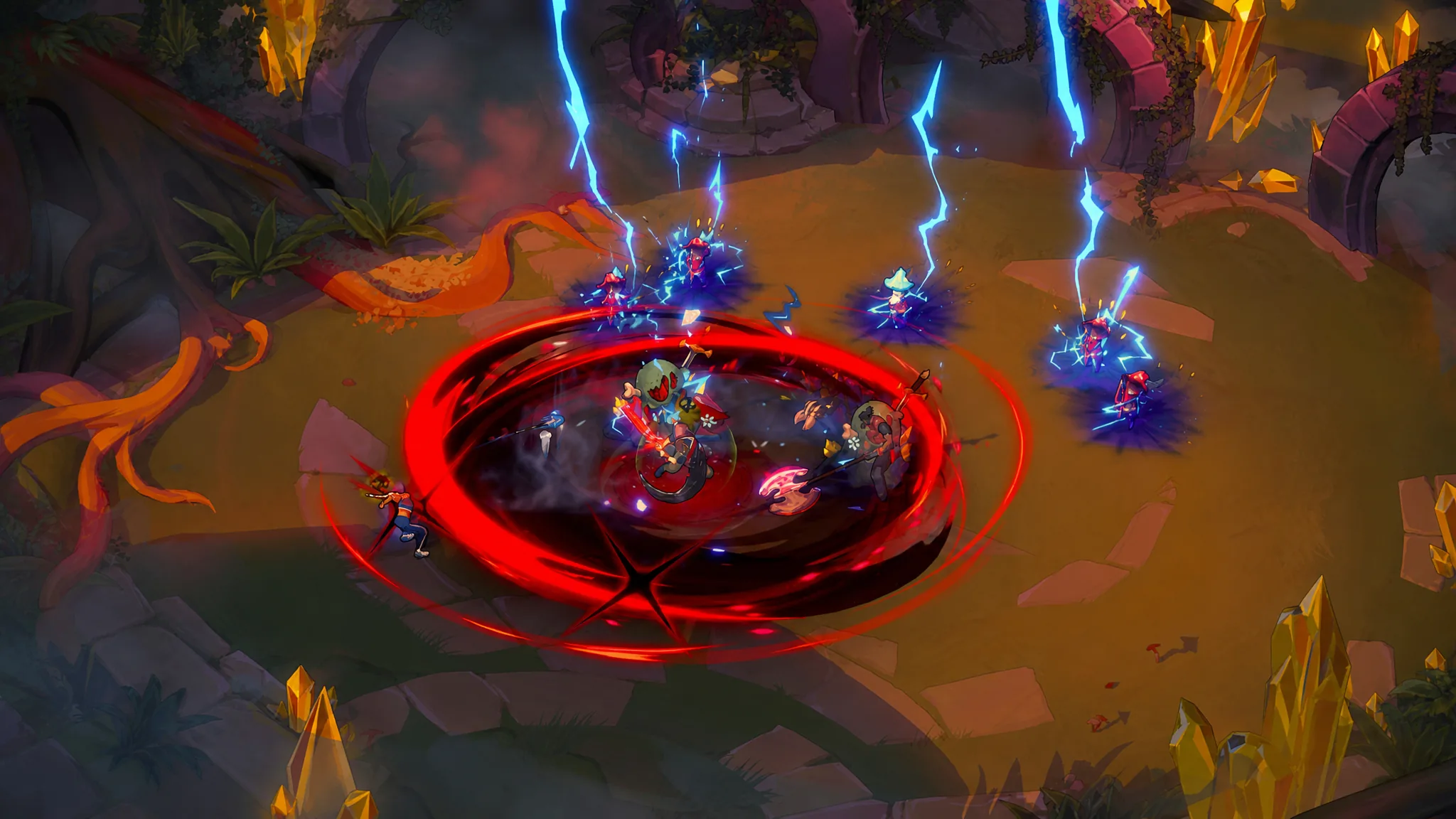
Mage and Vanguard compared
Every class can work with the right relics, but these two carry the widest margin for mistakes. Mage wins fights and Vanguard keeps your team alive long enough to win them. Here is how the two roles line up.
| Class | Role | Best hero | Why it works |
|---|---|---|---|
| Mage | Damage | Funky | Strong AoE, Burn scaling, and shop relics that boost damage |
| Vanguard | Frontline | Kai | High survivability that absorbs hits before they reach your backline |
Mage: the best damage class for beginners
Mage is the class to grab if you are learning the game. It puts out heavy damage from the start, and its Burn mechanic makes it stronger the longer a fight drags on. The class also has several flexible heroes, so it fits a range of playstyles, and the shop stocks relics that push its damage even higher.
Funky is the standout Mage pick. The Wildfire Key Ability pairs directly with the Magic Scaling stat, so damage ramps hard. If you pick the right passives during rank-ups, Mages gain 2 Magic every time an enemy within range takes Burn damage. That creates a snowball, where your team keeps getting stronger as the fight continues.
Pair Funky with a second fire-inflicting hero to switch on the Burn Catalyst relic. It adds 33% damage for every Burn stack, which turns into one of the strongest scaling effects available.
Vanguard: the frontline that keeps runs alive
Vanguard is the other class worth building around. It exists to soak damage, standing at the front of your team and taking hits before enemies can reach your squishier heroes. That role becomes essential once you hit Act 2, where enemy damage jumps sharply and an unprotected backline gets wiped fast.
Kai is the Vanguard to aim for. The Channel Flames Key Ability supports Mage-heavy teams directly and slots neatly into Burn-based strategies, which is exactly why the Mage and Vanguard pairing feels so natural.
How to position Mage and Vanguard
Placement is what makes this pairing pay off. Keep Vanguards in the front row and Mages in the back. The tank absorbs the opening pressure while your Mages build mana and start dealing serious damage from a safe distance. Group them the wrong way and your damage dealers die before Burn ever ramps up.
Can you change a hero’s class mid-run?
Yes, but only partway. If your starting class is not clicking, you can unlock a secondary class or a fresh passive later in the same run. To do it, rank a hero up to Rank A or Rank S first. Once you reach that point, you can layer on archetypes such as Mystic or Pyromancer to complement the hero’s base class and stats.
That flexibility is central to how Guildrun plays, since heroes are meant to bend beyond their starting role. Even so, opening with Mage and Vanguard gives you the steadiest foundation, and you can specialize deeper from there as relics and rank-up choices appear.