Palworld hit its 1.0 milestone, and the question a lot of people keep asking is simple. Is the creature-collecting survival game worth your time now that it has left early access? The honest answer depends on what you want out of it, but the core loop of catching Pals, putting them to work, and upgrading a base has settled into something steady and repeatable.
Quick answer: If you enjoy base-building survival games and monster collecting, Palworld 1.0 delivers on both. You capture Pals, assign them to jobs like mining, farming, and crafting, and spend technology points to unlock new structures as your base level climbs.
The core loop: capture, assign, upgrade
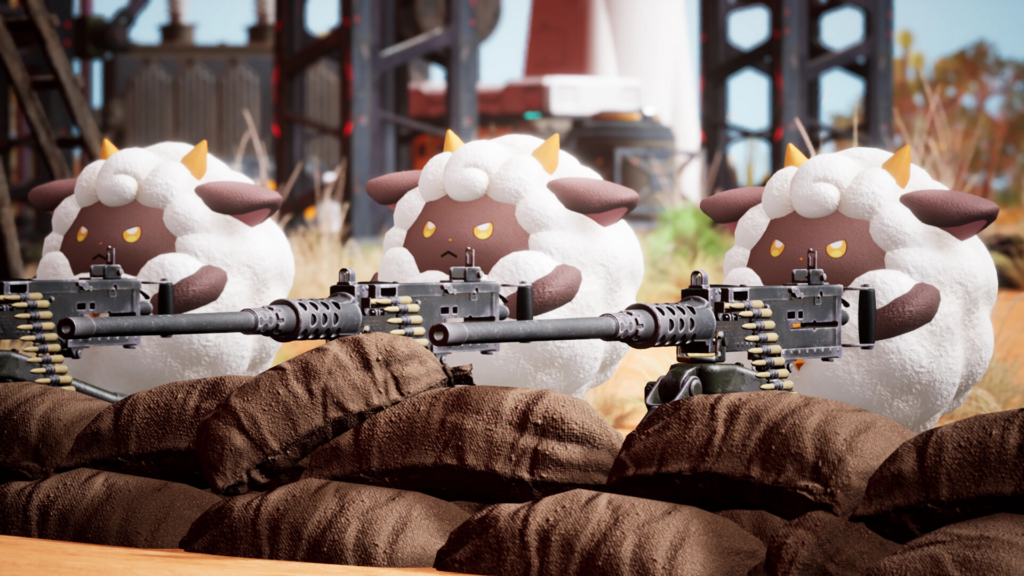
The game runs on a tight cycle. You explore, throw spheres to capture Pals, and bring them back to your base. Each Pal has work suitability, so you drop them into your camp and they handle chores on their own. A blue penguin-type Pal, a sheep-type, and a cat-type will run over and pitch in when you start building a structure, which speeds up construction without you doing every swing yourself.
Meanwhile you are also gathering materials by hand. You mine ore veins with a Stone Pickaxe for Palium Fragments, pull Ingots out of a Primitive Furnace, and craft Nails at a Primitive Workbench. Once you queue a craft, you can walk away and let a Pal finish it. That split between manual work and delegated labor is the heart of the whole thing.

Early Pals you will catch and what they do
The first stretch of the game fills your Pal Box with common companions. Most are rarity 1, easy to find, and slotted toward a single job. The table below covers the early Pals you will run into and the work each one is best at.
| Pal | Element | Best work | Rarity |
|---|---|---|---|
| Lamball | Neutral | Farming | 1 |
| Chikipi | Neutral | Farming | 1 |
| Cattiva | Neutral | Handiwork | 1 |
| Cremis | Neutral | Farming | 1 |
| Teafant | Water | Watering | 1 |
| Daedream | Dark | Handiwork | 1 |
| Foxparks | Fire | Kindling | 1 |
| Rushoar | Ground | Mining | 1 |
| Direhowl | Neutral | Gathering | 2 |
A few of these double as more than workers. Foxparks handles Kindling and can be ridden with its Huggy Fire skill once you unlock the harness. Rushoar mines and charges into fights as a mount. Direhowl is a fast Neutral runner with a rideSprint of 1050, making it one of the earliest real mounts you will want for covering ground. Chikipi lays eggs, which feeds you early and keeps a farm ticking.
Cattiva is a solid all-rounder for camp chores. It covers Mining, Gathering, Handiwork, and Transporting at level 1 each, so a single Cattiva plugs small gaps while you build a more specialized crew.

How base leveling actually works
Base progression is mission-based rather than a raw experience bar. Each base level hands you a short checklist, and finishing every item unlocks the next Base Upgrade button in the Palbox menu. The pattern below shows how the mid-game levels chain together.
| Base level | Sample requirements |
|---|---|
| 6 to 7 | Build Primitive Furnace, Statue of Power, and Hot Spring |
| 7 to 8 | Build High-Quality Workbench, Medieval Medicine Workbench, and Berry Plantation |
| 8 onward | Build Metal Chest, Sphere Workbench, and deploy 8 work Pals |
Structures cost stacked materials, and the game will not let you place one until you meet every line. The Medieval Medicine Workbench, for example, needs 30 Wood, 5 Nails, and 10 Palium Fragments. Some benches also lock behind the technology tree. You spend Technology Points to unlock a blueprint first, then still need the raw materials to build it. That double gate is why gathering never really stops.
The Statue of Power adds another layer. You feed it Pal Effigies to enhance your own abilities, including Capture Power and Movement Speed. Better Capture Power means higher-rarity Pals stay in the sphere instead of breaking free, which quietly shapes how fast your roster grows.

Combat and how Pals fight
Fights lean on elemental matchups and each Pal’s move list, which unlocks new skills as it levels. Even the humble starters scale into real damage. Lamball, Cattiva, and Chikipi all learn Holy Burst at level 70 with 700 power. Cremis leans into Electric with Spark Blast and Lightning Bolt, while Daedream stacks Dark moves and picks up Dark Whisp at level 70.
Temperament matters when you go hunting. Aggressive Pals like Direhowl and Rushoar attack on sight, so you fight before you catch. Skittish ones like Cattiva, Cremis, Foxparks, and Teafant flee and only turn on you when cornered, which means you often chase them down. Friendly Pals such as Lamball, Chikipi, and Daedream are the easiest early captures.
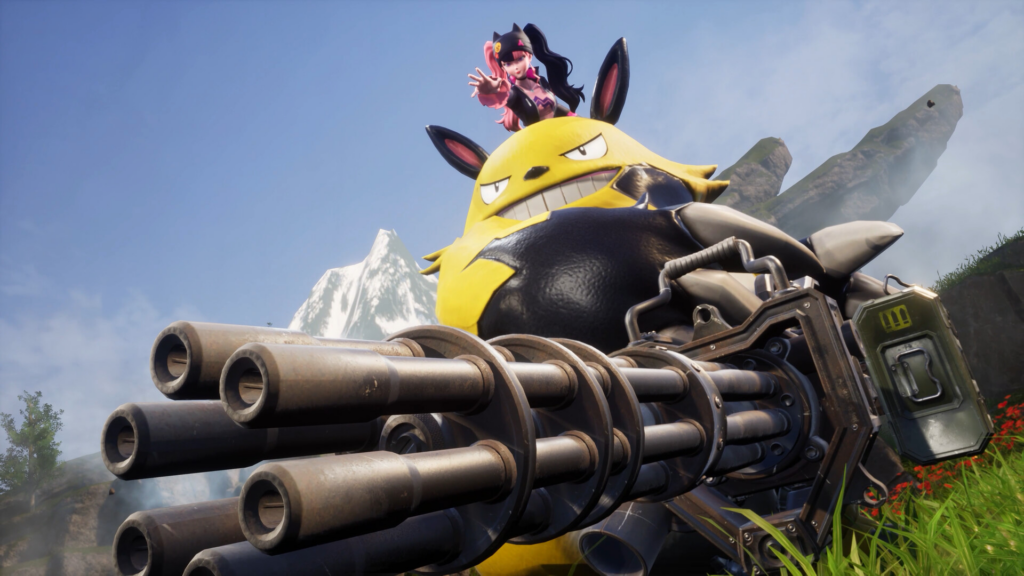
Who Palworld 1.0 is for
If you already like base builders such as Terraria, Grounded, or Don’t Starve and you also enjoy the collecting itch of chasing rare creatures, this is a comfortable fit. The capture-and-assign system gives your monster collection a practical purpose beyond a completion list, since every Pal you catch can staff a job or join a fight.
If you mainly want a story-driven adventure or a purely combat-focused experience, the heavy crafting and logistics may feel like a grind. The loop rewards players who enjoy optimizing a base, filling gaps in their worker roster, and slowly pushing toward higher-rarity Pals. On sale, it is an easy recommendation for that crowd.
When you are ready to plan a specific worker line or pick your first mount, the full Palworld Pal reference lays out stats, work suitability, and skills for each companion so you can build your camp with intent rather than guesswork.