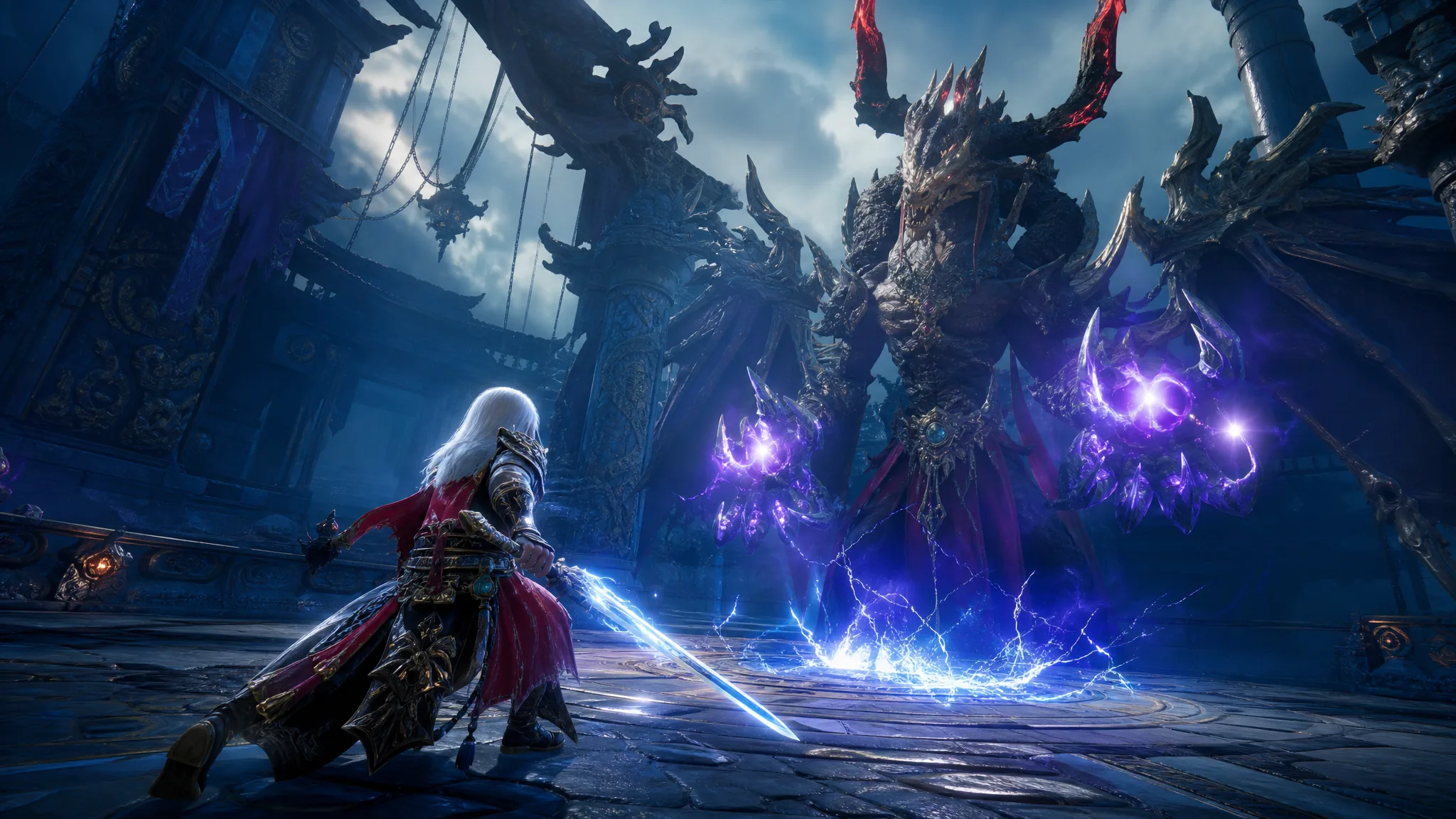
DragonSword: Awakening throws a lot of progression systems at you the moment you land in the Continent of Orbis. Heroes, Familiars, gear crafting, Karma weapons, Awakening, and daily boss loops all open up early, which makes it easy to spread yourself thin. The fastest way through is to treat the main story as your unlock engine and run two daily activities on top of it.
Quick answer: Push the main story to unlock systems and Fate’s Invitation Tickets, then complete Regional Missions and World Bosses every day for Skill Scrolls, Forging Molds, and Basic Karma. Build one three-hero team around Status Ailments before investing anywhere else.
The daily loop that drives progression
Story chapters are your primary source of new content. Each cleared chapter opens gameplay systems, new areas, Hero Quests, and Fate’s Invitation Tickets. Chase the campaign first and leave full map clears for later, since some caches need traversal abilities that unlock further down the line.
Two activities are worth doing every day. Regional Missions reward Medals and Skill Scrolls, plus Forging Molds that let you choose the main stat on endgame gear. World Bosses drop Basic Karma, which you need for upgrading and ascending your Karma weapons without leaning entirely on crafting or shops.
Mini-bosses that drop Fragment of Sacred Light refresh daily at 9:00 AM in your local time zone. Build them into the same run as your Regional Missions and World Boss for a clean daily route.
| Activity | Main reward | Spend it on |
|---|---|---|
| Main story chapters | Fate’s Invitation Tickets, new systems | Recruiting heroes, unlocking mounts |
| Regional Missions | Medals, Skill Scrolls | Materials, skill upgrades, Forging Molds |
| World Bosses | Basic Karma | Karma upgrades and Ascension |
| Mini-bosses / chests | Fragment of Sacred Light | Stigma Awakened Stones, skill scrolls |
Unlocking heroes with Fate’s Invitation Tickets
There is no gacha here. Every hero is recruited with Fate’s Invitation Tickets, so you choose exactly who joins instead of pulling for random results. Open the Exchange menu, spend a ticket, and that character is permanently yours and usable on any team. Some heroes also join automatically through the story, so you won’t spend tickets on everyone.
You earn your first ticket after the Prologue, with more arriving as you clear chapters. Hero Quests are the other reliable source, unlocking after certain campaign points and paying out both a ticket and that hero’s Exclusive Karma. Tickets are limited, so don’t spend on impulse. Decide which character complements your main team’s Status Ailments first.
Awakening heroes
Awakening upgrades a hero once you have a solid roster. Instead of only raising stats, each of the six Awakening levels grants unique bonuses that can change how a character plays, boosting offense or adding passive effects. The material you need is the Stigma Awakened Stone, purchasable for 200 Fragment of Sacred Light each.
Combat: Status Ailments and Signal Skills
You fight with a party of three, and the whole system runs on Status Ailments feeding into hero switching. When your active hero applies the right effect, an ally’s portrait lights up and their Signal Skill becomes available. Chaining those swaps is where damage comes from, not staying locked on one character.
A basic rotation looks like this:
- Land normal attacks and use an Active Skill to apply a Status Ailment such as Freeze, Bleed, Knockdown, or Airborne.
- Switch to the hero whose portrait lit up and trigger their Signal Skill.
- Move to the third hero or return to your main fighter to extend the chain.
- Dodge and reposition rather than forcing a broken combo.
Landing hits shaves time off your cooldowns, so aggressive bursts followed by a retreat keep your uptime high. Watch the white bar under an enemy’s health, which shows their poise. Break it and they become easy to stun, knock down, or launch. Enemies with super armor resist these effects, so wear down that protection before trying to force Airborne chains. Switching heroes mid-combo also grants brief invincibility frames, lasting until you land a down attack or fire a Signal Skill.
Which team to build first
Pick one main trio and pour resources into it. The lack of synergy becomes a hard wall in the Tower of Trials and higher difficulties, where off-meta teams simply won’t clear extreme content. Two proven directions cover most playstyles.
| Team | Members | Style |
|---|---|---|
| High-damage | Charlotte, Johnny, Renia | Fast melee with frequent switching; Charlotte is mobile and bursts with a shadow clone, Johnny applies Poison, Renia freezes for combos |
| Beginner-friendly | Seris, Othello, Dana | Ranged and safe; consistent Frost damage, Ice Spear control, and shields with crowd control from a distance |
The damage team hits hard but demands precise dodges and manual switching. The ranged team lets you camp, poke, and hold Freeze chains from safety, which makes it the easier pick for clearing bosses early. A demo-friendly alternative pairs Renia (Freeze), Lute (Icebreaker Switch), and Alex (Knockdown) for a clean freeze-to-burst loop. Lute is a solid healer rather than a top damage dealer, so build your core trio first and invest in him afterward.
Gear crafting and reforging
Most gear is crafted at the Blacksmith rather than dropped by enemies. Materials come from clearing Trait Dungeons, buying through the Exchange with Adventurer’s Emblem medals, or crafting them from the Alchemist NPC, Shanoa. Every hero specializes in an element, so always craft gear that matches your character’s element.
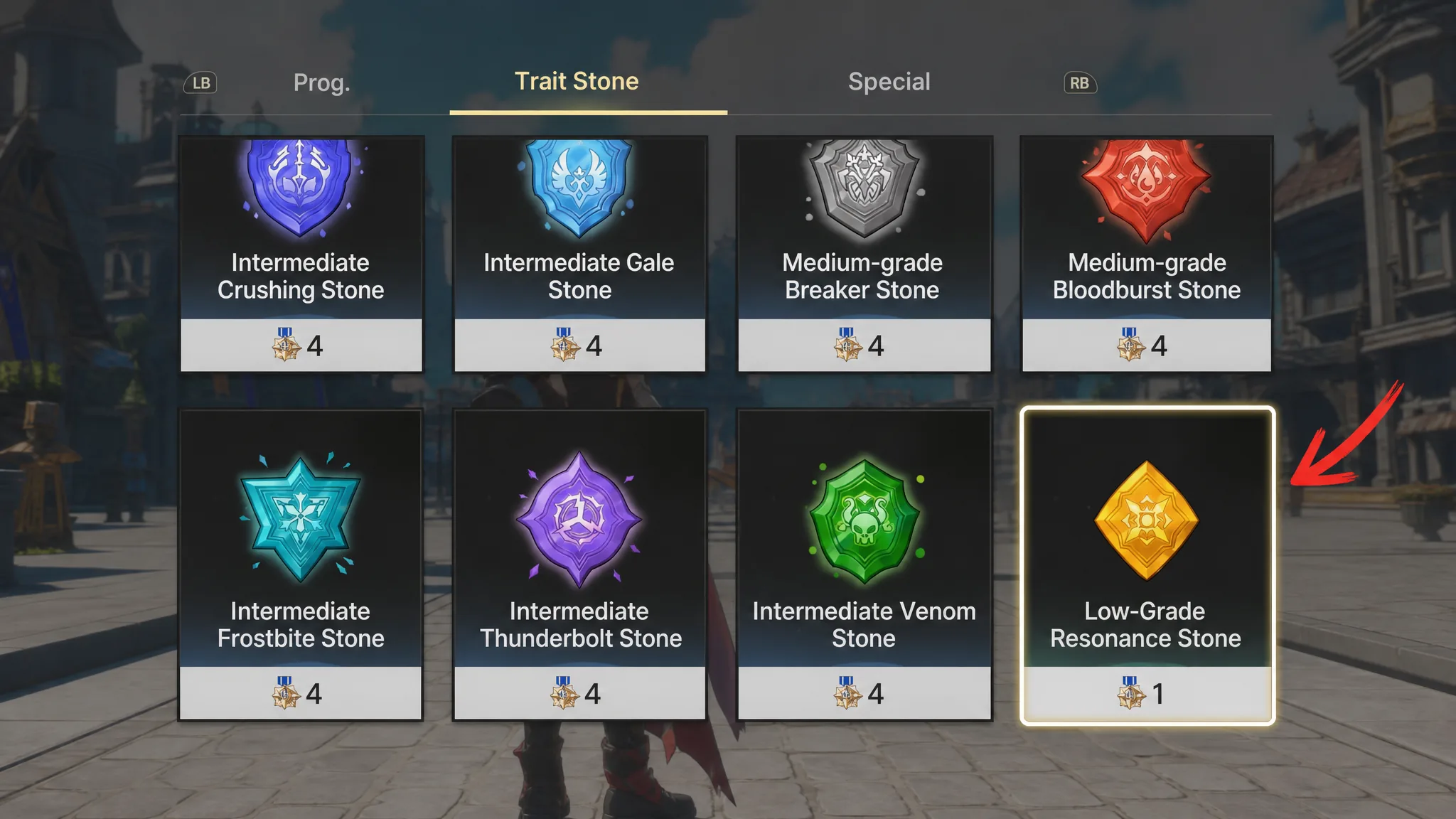
When crafting, select your main stat before confirming. On a controller, highlight the gear slot, press square, press square again to choose the main stat, then confirm with X. Skip that step and you waste materials on a roll you didn’t want. Put your strongest offensive stat, such as Critical Damage or Attack Power, on the chest or leg pieces, since those slots give the highest main-stat values.
Avoid running five pieces of one set. Set bonuses activate at three pieces, not five, so mixing two sets usually gives stronger overall effects. Common splits include three Venomous plus two Stun for stun additional damage, or three Venomous plus two Airborne for airborne damage.
Reforging sub-stats
Reforging re-rolls sub-stats at the Blacksmith. You need the Stat Grinder material, purchasable for 25 Adventurer’s Emblem medals, plus gold. Both are consumed each attempt, and results are random, so treat it as a long-term investment rather than something to grind early. Stack sub-stats that match your hero’s element, and prioritize Critical Damage, Attack Power, Defense Ignore, and Airborne Damage.
Karma weapons and Ascension
Karma attaches to your character’s weapon system and heavily influences damage. Basic Karma gives universal stat bonuses and can be equipped across multiple heroes. Exclusive Karma is tied to a specific character and unlocks extra abilities that sharpen their kit.
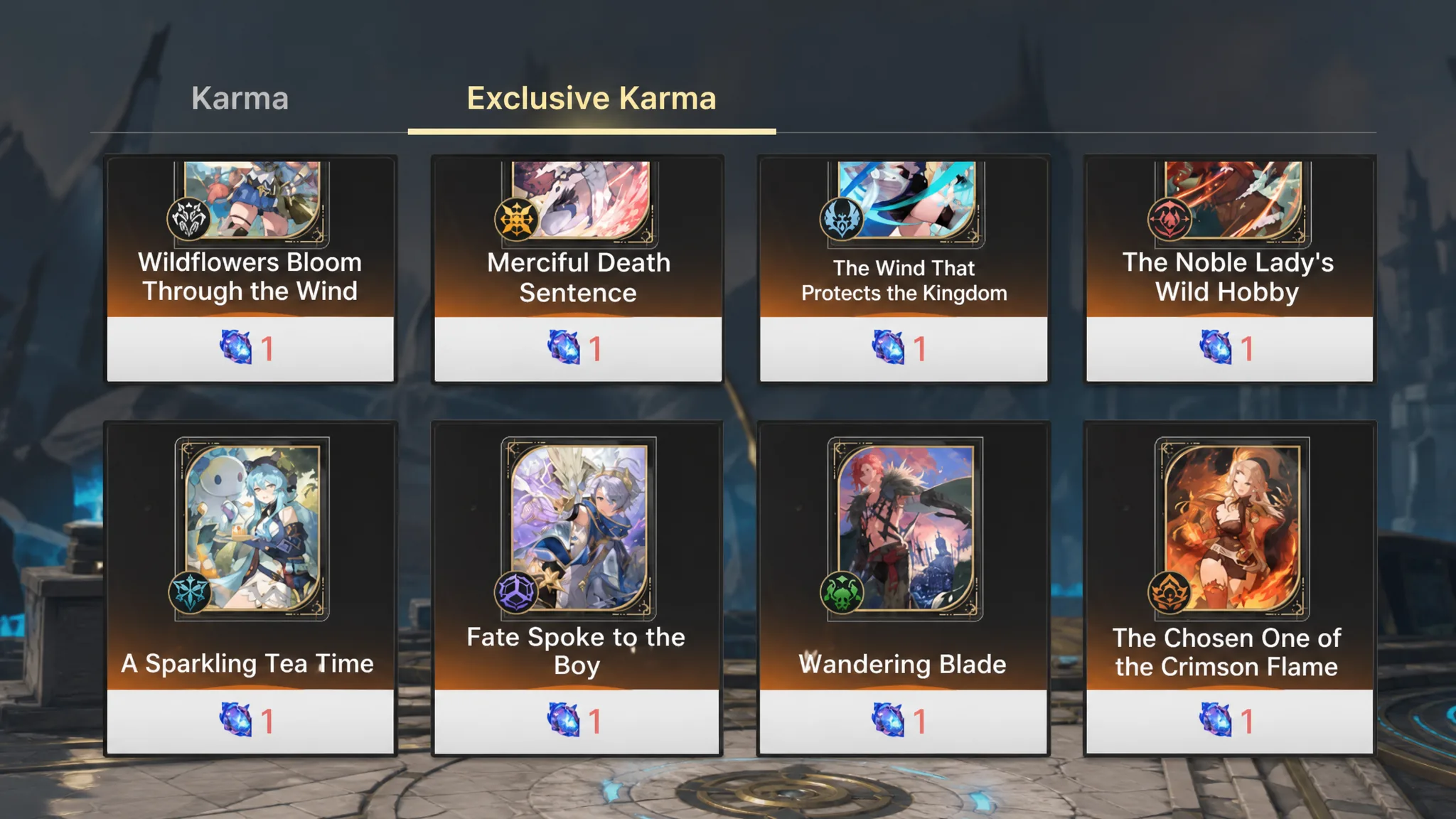
Ascend Basic Karma by collecting duplicate copies, which steadily raises its effectiveness. Farming World Bosses daily is one of the best ways to pick up duplicates, and picking a boss whose Karma matches your main hero’s element improves your odds of a useful drop. The Ruination Dragon in the Orbis caldera is a strong co-op target for poise breaks and Freeze windows.
If you pull Exclusive Karma for heroes you don’t play, dismantle it for resources. A Fragment of Afterimage can be traded for the Exclusive Karma of a hero you actually use, and you can craft that Fragment from a Fragment of Memory and a Whirling Thoughts, both farmed at the Tower of Trials in the Skyspire Rock mountain.
Master Skills and Awakening Points
The Master Skill, called Grimroar, sits at the center of each hero’s skill tree and only becomes available once that character reaches level 30. There is no way around the level gate. Unlocking it needs treasure maps, which come from solving puzzles (pushing crystal walls into place) and opening chests spread across Orbis.
Each map marks a spot you have to physically search, whether that’s a cave, an underwater pocket, or somewhere tucked under bushes. Those same chests also drop Awakening Points, 1 or 2 per chest, which you spend to awaken skills and open new move sets. If you plan ahead, bank some points, since future DLC characters will also want them.
Familiars for exploration
Mounts, known as Familiars, do more than speed you up. Each one grants a unique traversal ability, and you unlock them through story progression, meeting specific requirements, or raising your Mercenary Corps rank. Your rank climbs by clearing chapters, exploring new regions, and completing the game’s activities.
The system has a key quirk. When you obtain a second variation of a Familiar you already own, you unlock an extra mount skill that can often be equipped on your other mounts. That’s how abilities like air dash spread across your whole stable, with a few unique exceptions.
| Familiar | Ability | How to unlock |
|---|---|---|
| Brave Baby Dragon | Air Free Dash (unlimited aerial movement) | Deluxe Pack exclusive |
| Bright Crowtit | Air Dash | Reach Novice Mercenary Corps rank |
| Snowstorm Sky Wolf | Underwater Dash | Complete The Captain’s Scheme quest |
| Knightage Griffon | Charged Jump | Reach Elite Mercenary Corps rank |
| Stormy Direwolf | Boost Jump | Reach Veteran Mercenary Corps rank |
If you didn’t buy the Deluxe edition, hitting Novice Mercenary rank gets you the Bright Crowtit and air dash early. To share air dash across every mount, clear 20 mini-games to unlock the Crowtit’s second variation. Only one Familiar allows underwater exploration, and it comes fairly early if you stay focused on the main story instead of side-tracking.
Fragment of Sacred Light farming
Fragment of Sacred Light is one of the most important currencies, mainly because it buys Stigma Awakened Stones for Awakening. The primary source is exploration. Opening hidden treasure chests, defeating scattered mini-bosses, and clearing optional exploration content all pay out fragments.
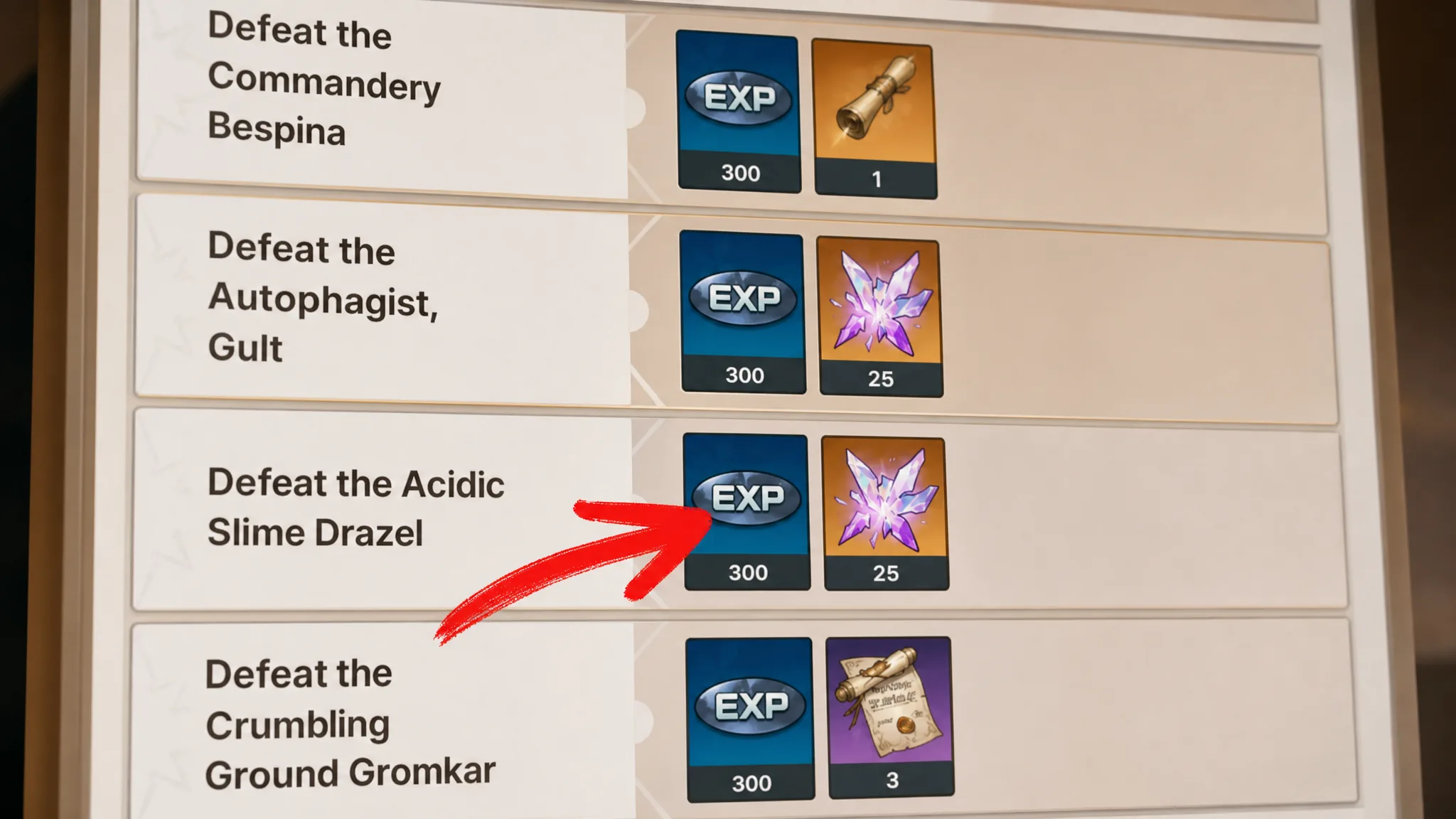
As you unlock better Familiars and traversal skills, previously unreachable spots open up with more chests and hidden resources. The fragment becomes more valuable in later stages, so grab every one you pass instead of skipping optional exploration.
One more currency worth managing carefully is Moon Keys, earned through exploration, quests, and story chains, or traded for with Adventure Emblems under Materials, then Special. Spend them on blue and purple chests marked with a golden aura, which hold the most valuable rewards. Also spend Fragment of Sacred Light on Forging Molds to lock main stats on endgame gear, and on skill scrolls to push skills to level 10.
Your first hours in Orbis
Early on, treat your first expeditions as resource runs rather than boss rushes. Complete the tutorial, reach the Shelter to open the main progression hub, and expand your storage as soon as possible to free up inventory and protect what you gather. Dying outside the Shelter can cost you unsecured materials, so drop valuables in the chest before dangerous trips.
Prioritize permanent Shelter upgrades over merchant gear. The Storage Chest is the most important first upgrade, followed by the Campfire for rest bonuses and the Workbench for crafting medicine and consumables. Turn spare low-level materials into consumables rather than hoarding them, and stock healing items before hard fights.
Activate every Waypoint the moment you reach one, and search dungeon side rooms before leaving, since the game tracks opening all chests inside a dungeon. Install the game on an SSD as well, since an HDD can cause long loads, texture pop-in, frame drops, and crashes. Lock in that daily loop, build one team around Status Ailments, and Orbis opens up at a comfortable pace without walls you didn’t see coming.