Beast of Reincarnation is Game Freak’s parry-heavy action RPG, and the setting you pick shapes the one mechanic the whole game is built on. There are three modes, and each one adjusts how much room you get to time Emma’s guard and how hard enemies hit back. The good news for anyone nervous about the Sekiro comparisons is that the choice is not permanent, and it does not cost you any rewards.
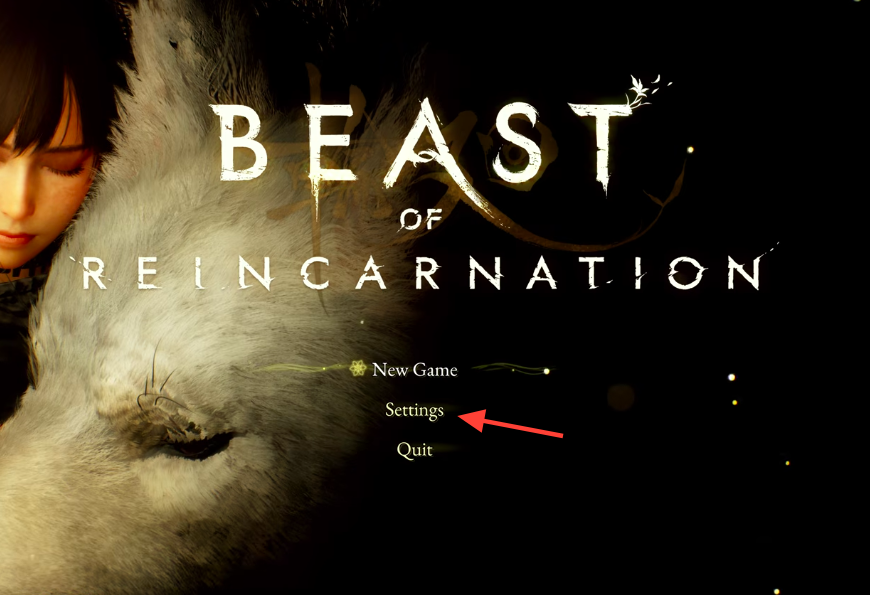
Quick answer: Pick from Story, Normal, or Hard at the start, then switch between them from the pause menu during an active playthrough. You cannot change difficulty from the main menu — you must be in a loaded session for the option to appear.
The three difficulty modes and what each one changes
Difficulty here is not a simple damage multiplier. The main lever is parry timing, because Emma’s well-timed guard is both your defense and the resource that pays for Koo’s abilities. Widening or tightening that window changes how the game feels, not just how long fights take.
| Mode | Parry timing | Enemy damage | Best for |
|---|---|---|---|
| Story | Wider, more forgiving window | Reduced | Players focused on Emma and Koo’s journey over combat challenge |
| Normal | Standard timing | Balanced | The intended experience, tuned to make you learn patterns and use Koo |
| Hard | Tight, punishing window | Increased | Genre veterans who want full pressure; developers have suggested higher drop rates |
Story mode still asks you to engage with combat, but it softens the punishment for mistakes. Normal is what the game’s pacing is designed around and rewards reading enemy attacks. Hard sharpens every timing and leans into the game’s full brutality.
Why the parry window is the setting that matters
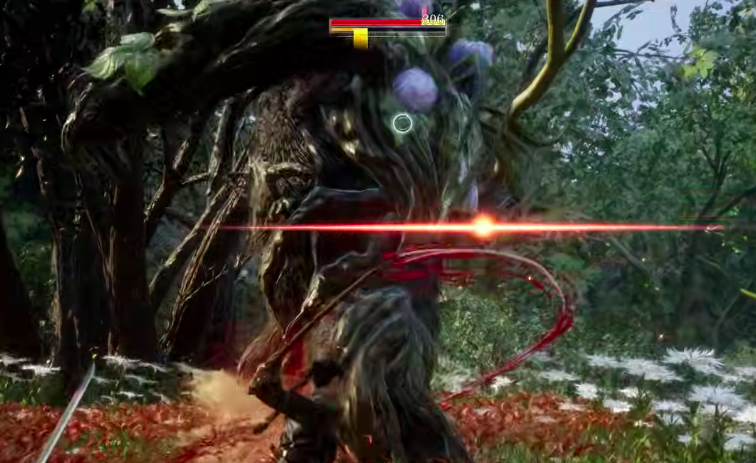
A successful parry does two jobs at once. It blocks the incoming hit, and it banks the points that unlock Koo’s commanded techniques, called Bloom Arts. Miss parries repeatedly and you are not only taking more damage, you also stop generating the resource that powers half your kit, since Koo cannot act without it.
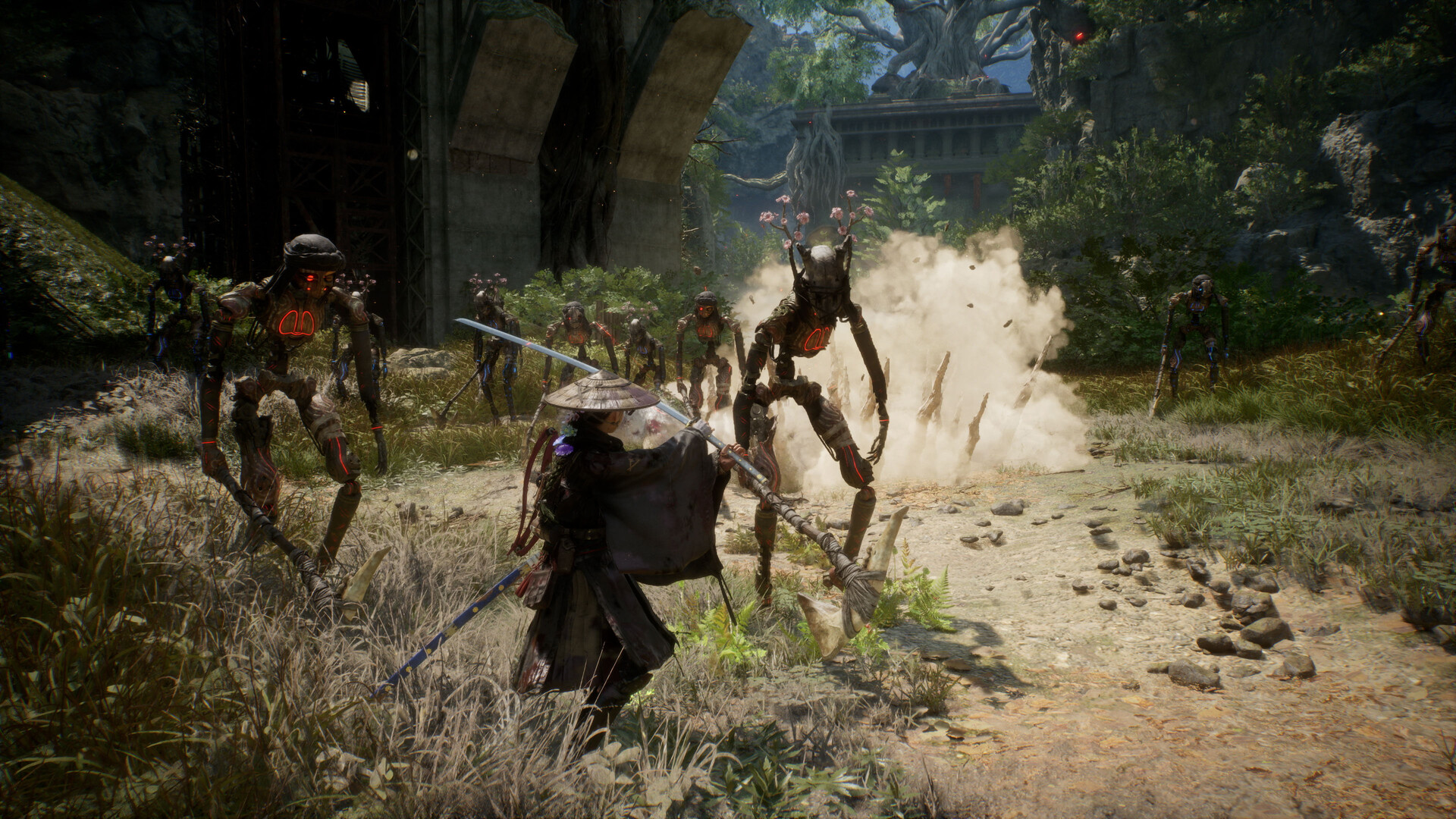
That feedback loop is why a wider window on Story mode changes the whole rhythm of play rather than just the numbers on screen. Even on the default setting, the deflection timing is more generous than Sekiro’s, so mistimed parries can still connect. Opening Koo’s command menu also slows time, giving you a moment to read the situation and choose a technique instead of button-mashing.
How to change difficulty mid-playthrough
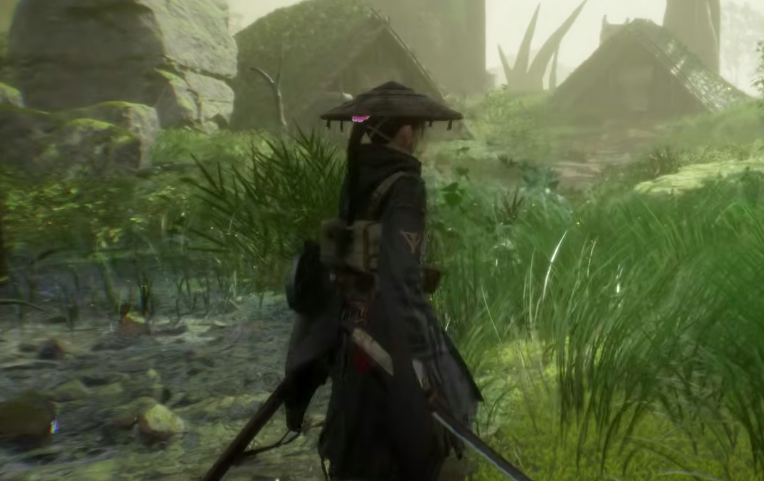
You are not locked into your first choice. If a boss or region is stopping your progress, you can drop the difficulty and keep going, then raise it again later.
Because switching happens in-game, treat your opening pick as a starting point rather than a commitment. If you are on the fence, start one notch below where you think you belong and move up once the parry rhythm clicks.
Difficulty does not lock rewards or trophies
Choosing an easier setting costs you nothing in terms of completion. The difficulty you play on does not affect the rewards you earn as you progress, so you will not miss out on higher-tier drops by dropping to Story mode for a tough stretch.
The same is true of trophies and achievements. The PS5 list of 46 trophies, including the Platinum, contains no difficulty-specific entries, and the 45 Xbox and PC achievements mirror it. There is no beat-it-on-Hard requirement. The one caveat has nothing to do with difficulty: a second playthrough through New Game Plus is required for the Platinum, whichever mode you pick.
Other ways to raise or lower the challenge
The difficulty menu is not the only way to tune how hard the game feels. Director Kota Furushima has said he does not want players stuck retrying the same section dozens of times, and the game builds several extra pressure valves into its systems.
- Emma and Koo each have skill trees you can invest in to power past a wall, so progression itself is a difficulty lever.
- Spirit Stones grant Emma conditional combat bonuses that trigger on a successful parry, and Koo’s charms reshape his Bloom Arts.
- Ranged, stealth, and aggressive melee are all supported approaches, so thinning a camp from a distance or ambushing from stealth is a designed alternative to a straight parry duel.
- The tactical slowdown when you open Koo’s menu turns twitch decisions into considered ones, which helps most on the harder settings.
Put simply, if you have never finished a soulslike, start on Story and let the wider parry window and reduced damage ease you into the Emma and Koo system. If you are comfortable with the genre, Normal is what the pacing is tuned for. And if you parry in your sleep, Hard is there — and nothing stops you saving it for the mandatory New Game Plus run with a full kit behind you. Because the setting is adjustable and the rewards are the same either way, you can safely pick for the experience you want.