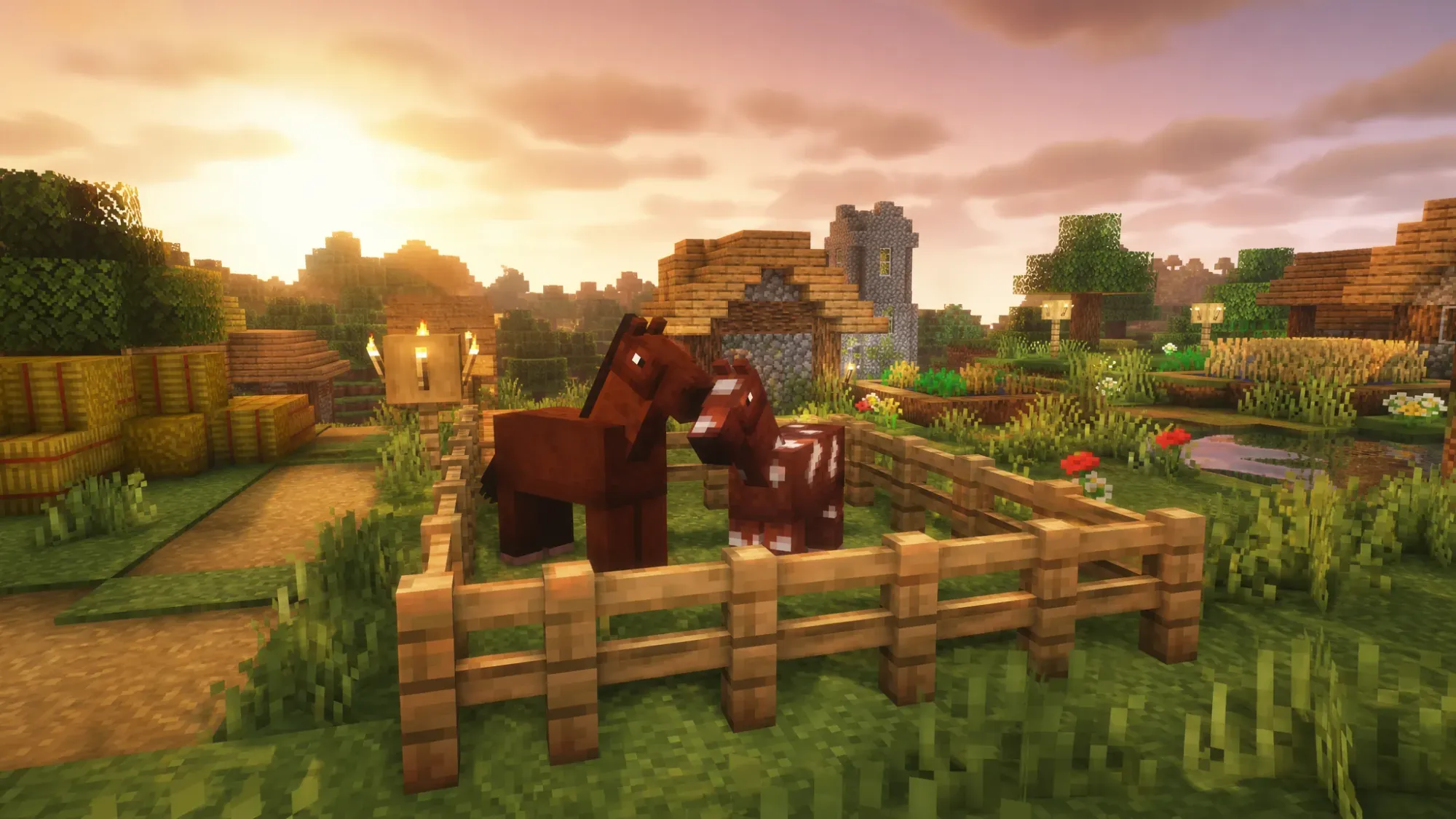
Horses are the fastest reliable land mounts in Minecraft, and breeding lets you grow a herd while combining the speed, jump height, and health of two parents into a new foal. The process is short once you have the right food, but every horse you want to breed has to be tamed first.
What you need before breeding horses
Only two food items put a horse into Love Mode. Golden carrots and golden apples both work, and enchanted golden apples work as well. Regular carrots, wheat, sugar, and hay bales do not trigger breeding at all.
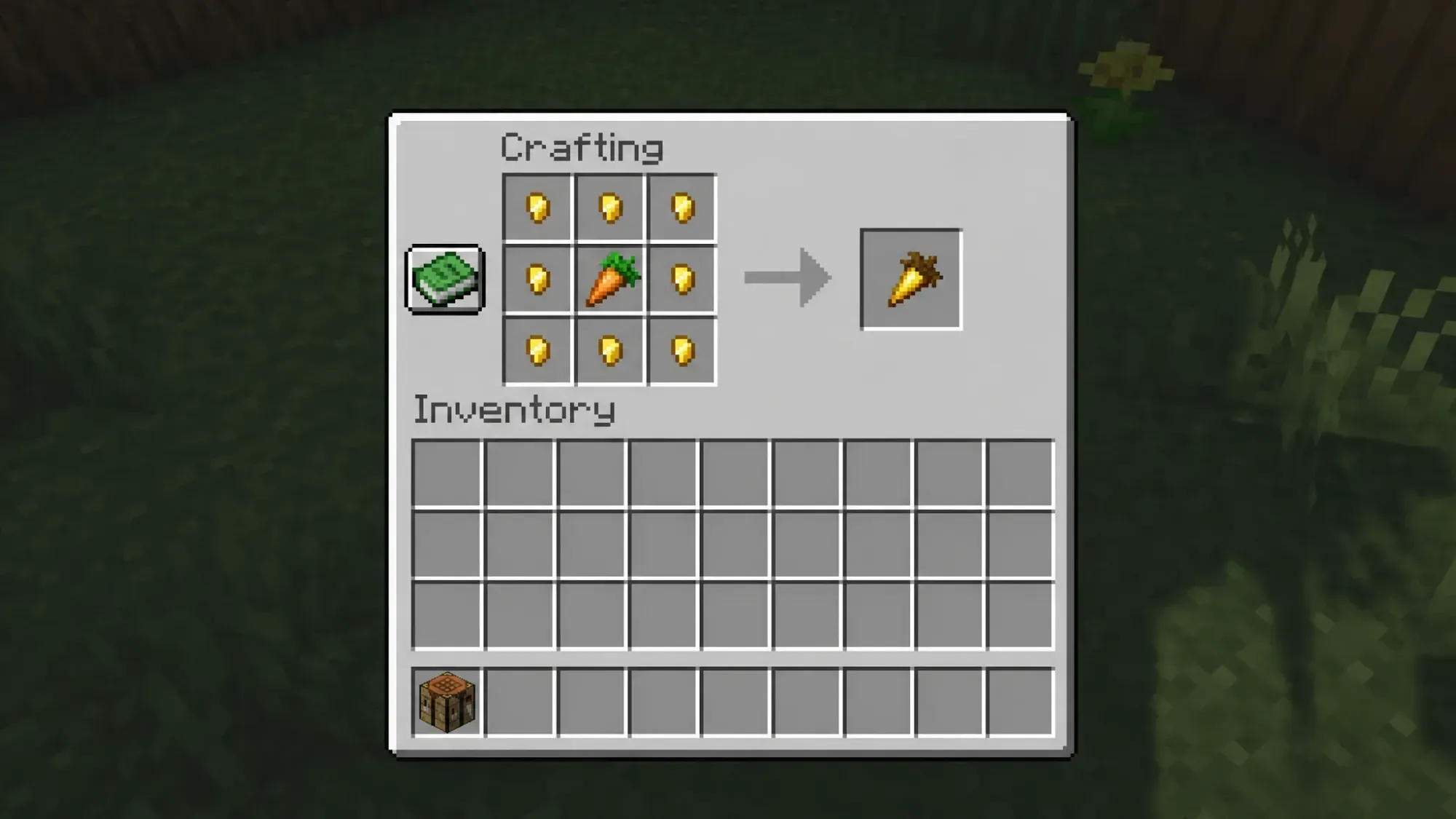
Golden carrots are the practical choice because they are cheaper to make. One carrot surrounded by eight gold nuggets crafts a golden carrot, while a golden apple needs a full apple surrounded by eight gold ingots. You will want at least two of whichever item you pick, since both parents must be fed.
Both horses also have to be tamed adults. Foals cannot breed, and you cannot saddle, equip, or breed a wild horse until it accepts you.
Where horses spawn in Minecraft
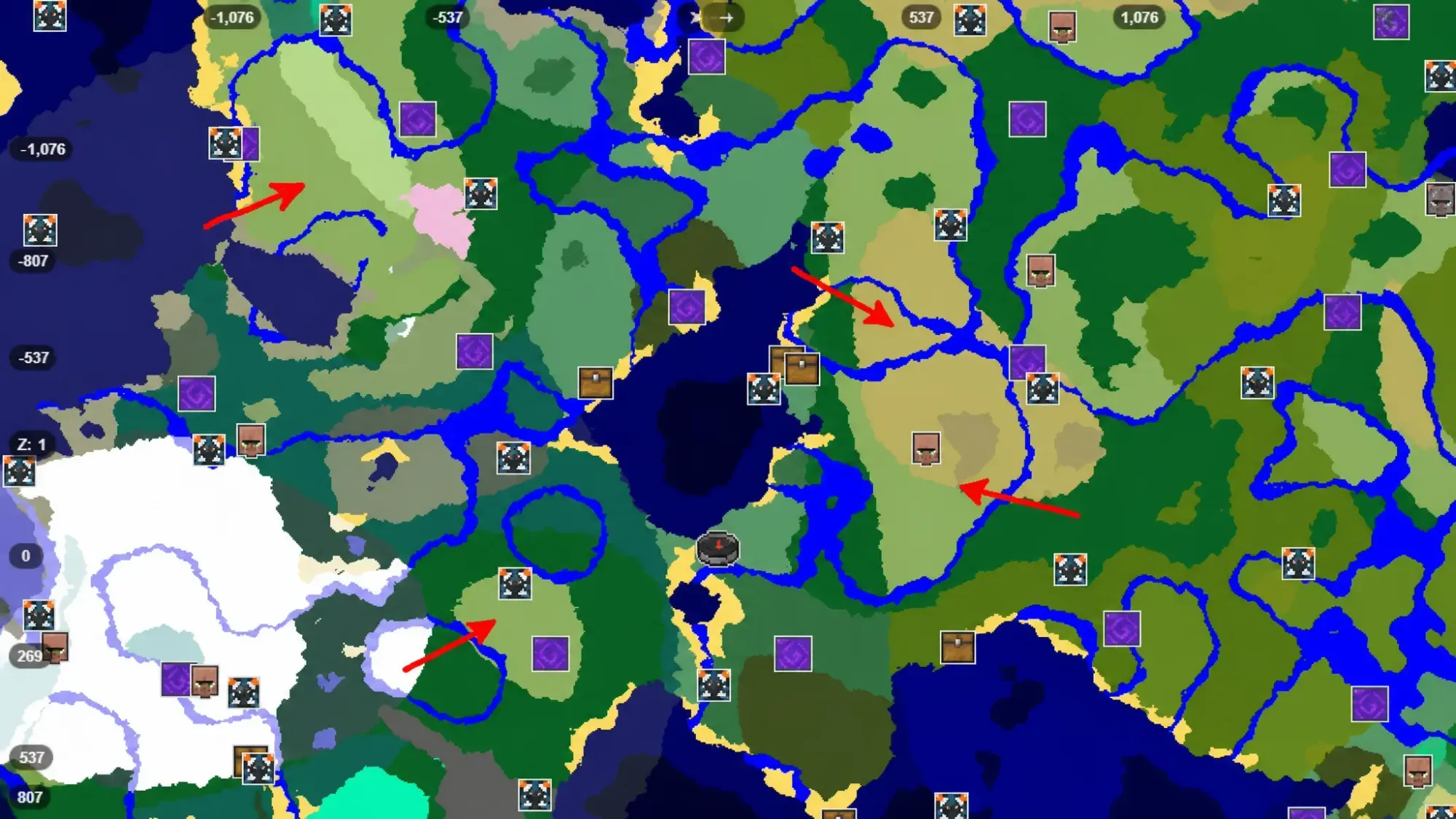
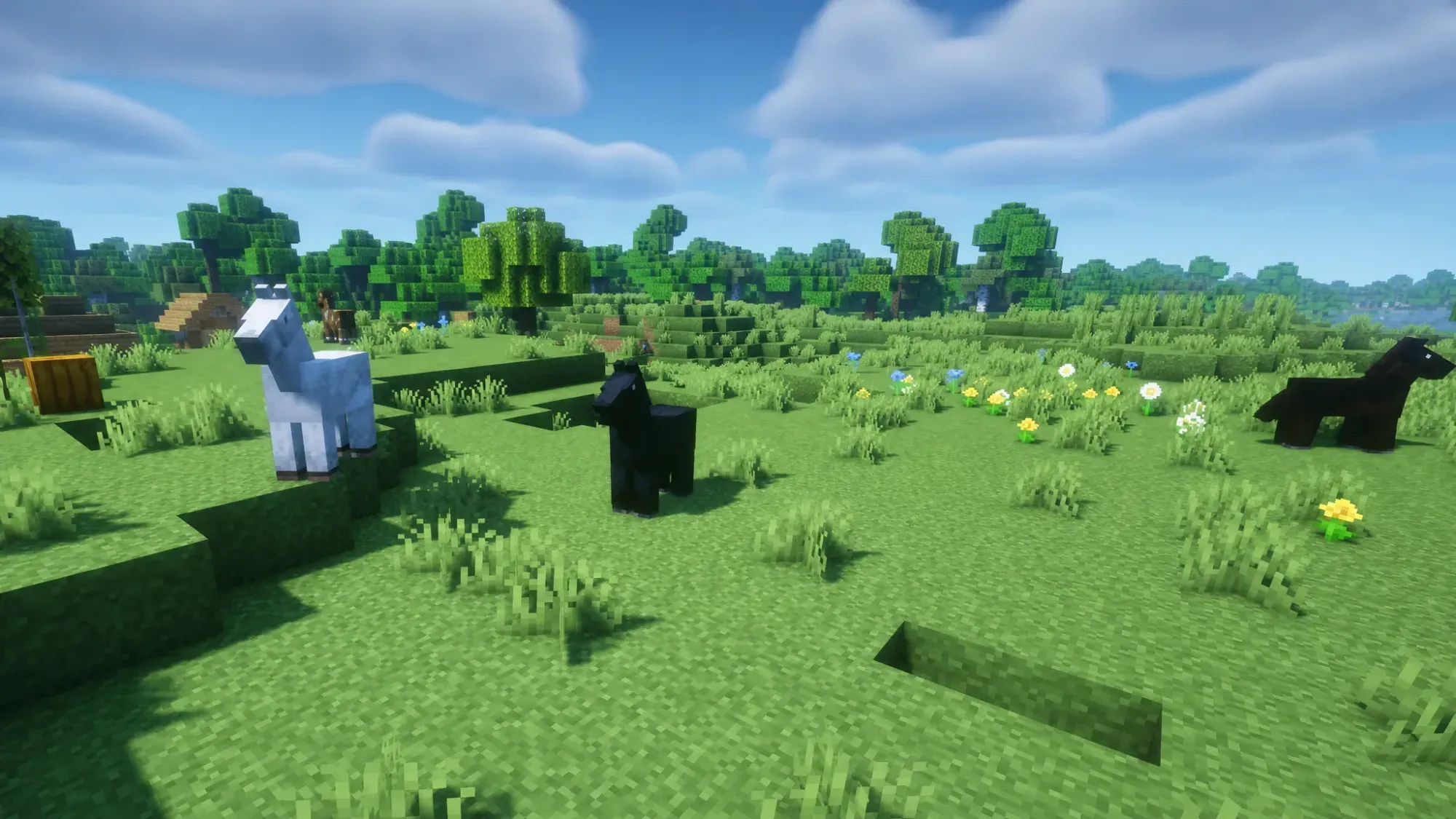
Horses appear naturally in herds of two to six in plains and savanna biomes, including Plains, Sunflower Plains, Savanna, Savanna Plateau, and Windswept Savanna. Every horse in a single herd shares the same base color, though their markings can differ, and about 20% of wild horses spawn as foals.
Villages are the other dependable source. Stables and animal pens generated inside villages often come with horses already present, which helps if the nearest plains or savanna is far away.
How to tame a horse
Taming uses no special tools and works the same in Java and Bedrock editions.
Repeat the whole process on a second horse. Tamed horses will not wander far, but they also will not follow you, so lead them home or fence them in before breeding.
How to breed horses step by step
Once you have two tamed adults and your golden food, the breeding itself takes only a few seconds.
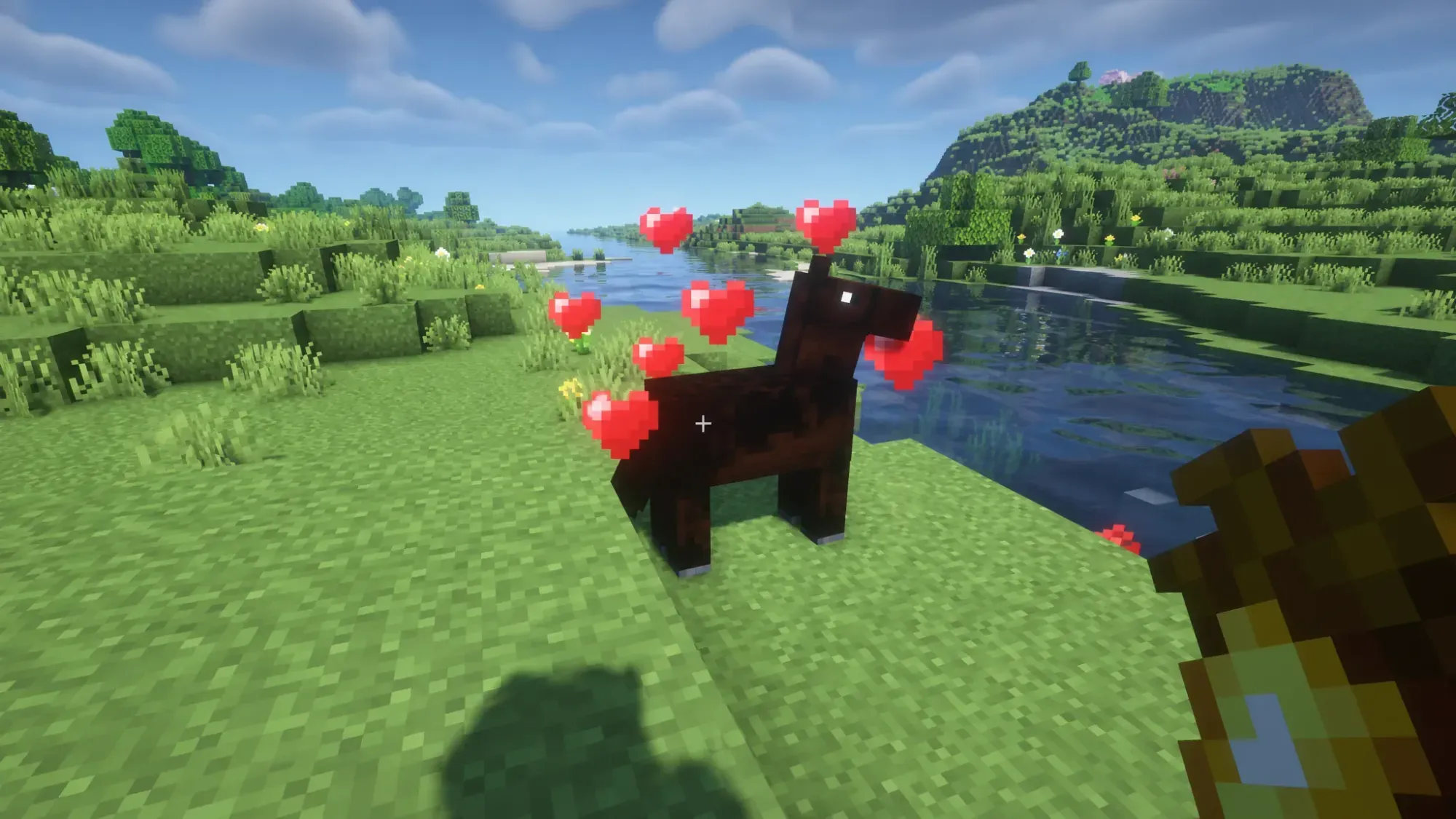
You know it worked when the heart particles play and a smaller, spindlier foal appears. If no hearts show up, you either used the wrong item or only fed one parent. If hearts appear but no foal spawns, the horses are likely still on cooldown or one of them is a foal, not an adult.
Raising the foal and growth food
A foal takes about 20 minutes of real time to grow into an adult, and it cannot be ridden until it matures. Feeding it speeds up that growth, and several foods also restore health on an injured horse. Hay bales cannot be fed to untamed adult horses, and undead horses cannot be fed at all.
| Food | Growth speed-up | Health restored | Triggers Love Mode |
|---|---|---|---|
| Sugar | 30 seconds | 0.5 heart | No |
| Wheat | 20 seconds | 1 heart | No |
| Apple | 1 minute | 1.5 hearts | No |
| Carrot | 1 minute | 1.5 hearts | No |
| Golden Carrot | 1 minute | 2 hearts | Yes |
| Hay Bale | 3 minutes | 10 hearts | No |
| Golden Apple / Enchanted Golden Apple | 4 minutes | 5 hearts | Yes |
A newer wrinkle comes from the Golden Dandelion. Feeding one to a foal or a baby mule pauses its growth and keeps it in the baby state permanently, which is handy if you want to name a small horse with a name tag and keep it that size.
Foal colors and markings
Horses come in seven base colors (white, creamy, chestnut, brown, black, gray, and dark brown) and five marking patterns (none, white stockings and blaze, white field, white spots, and black dots). That gives 35 total coat combinations, and color and markings are decided independently when a foal is born.
Each parent has a 44.44% chance to pass along its color, with an 11.11% chance of a random new color. Markings work similarly, with a 40% chance from each parent and a 20% chance of a random pattern. The full breakdown looks like this.
| Color of Parent A | Color of Parent B | Random color | Total | |
|---|---|---|---|---|
| Markings of Parent A | 17.78% | 17.78% | 4.44% | 40% |
| Markings of Parent B | 17.78% | 17.78% | 4.44% | 40% |
| Random markings | 8.89% | 8.89% | 2.22% | 20% |
| Total | 44.44% | 44.44% | 11.11% |
If you want a specific look, breed two horses that already share the color and markings you want. That gives roughly a 71% chance the foal matches at least one parent in both color and pattern.
How foal stats are inherited
Every horse is born with three permanent stats that feeding and equipment never change: health, movement speed, and jump strength. When two horses breed, the game averages each parent’s stat and then applies a random variation around that average.
For naturally spawned horses, health ranges from 15 to 30 (averaging 22.5), movement speed runs from about 4.74 to 14.23 blocks per second, and jump strength clears roughly 1.1 to 5.3 blocks. Because of the random component, a single foal rarely jumps far above both parents, so building a top-tier horse takes repeated breeding.
The reliable method is simple. Breed your two best horses, and whenever a foal grows up with a better stat than your weakest parent, replace that parent with the foal and breed again. Since Java Edition 1.19.4 and Bedrock Edition 1.19.70, the formula adds variance directly around the parents’ average instead of mixing in a fully random third horse, which means it is now possible to breed horses well above average and even reach a near-perfect horse with enough attempts.
How to breed a horse and a donkey for a mule
Pairing a horse with a donkey produces a mule instead of a foal. Mules are sterile and cannot breed any further, but they can carry a chest for mobile storage, which regular horses cannot do.
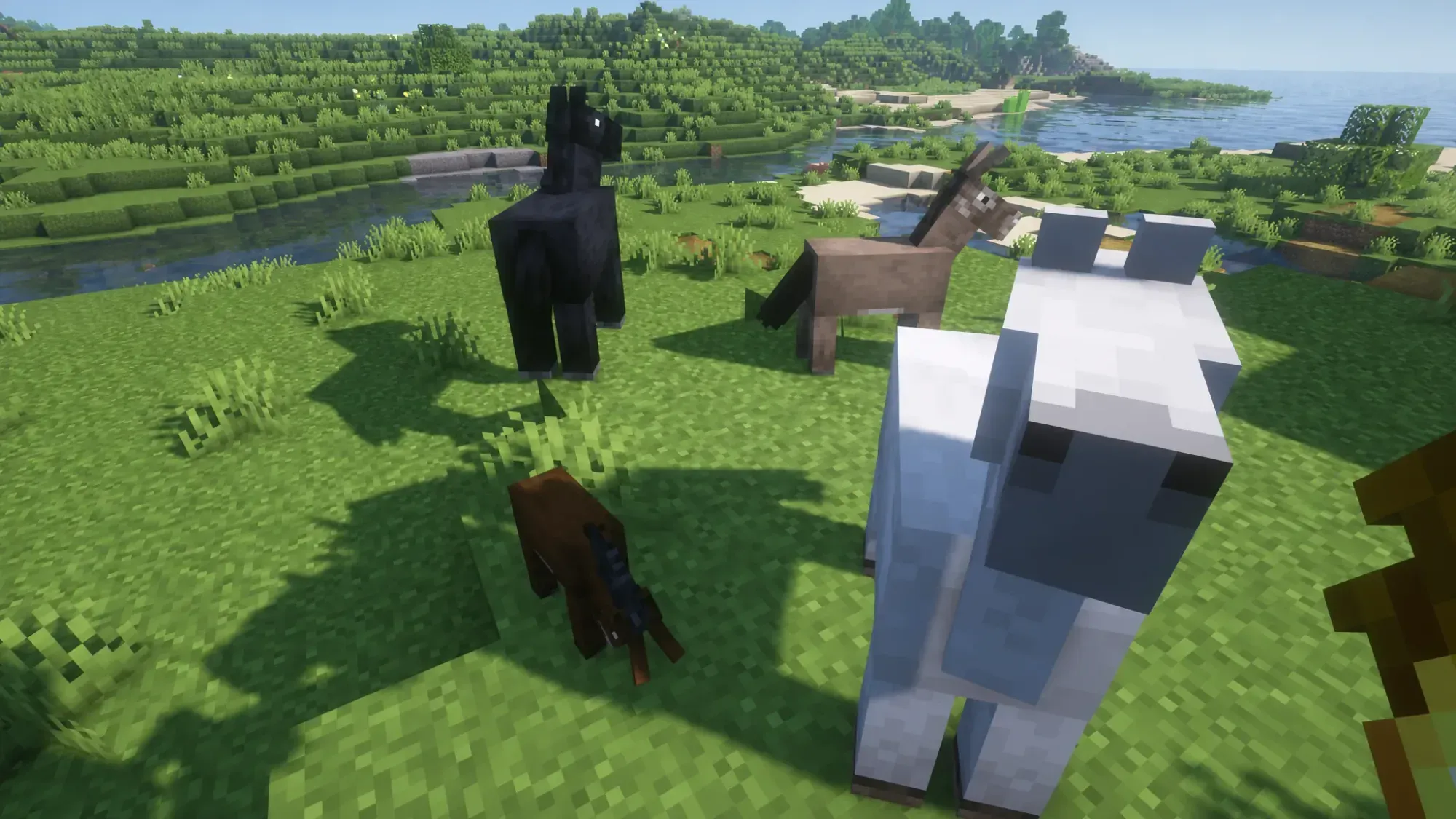
Breeding a mule is also the only way to complete advancements tied to horse and donkey crossbreeding, since two mules can never be bred together.
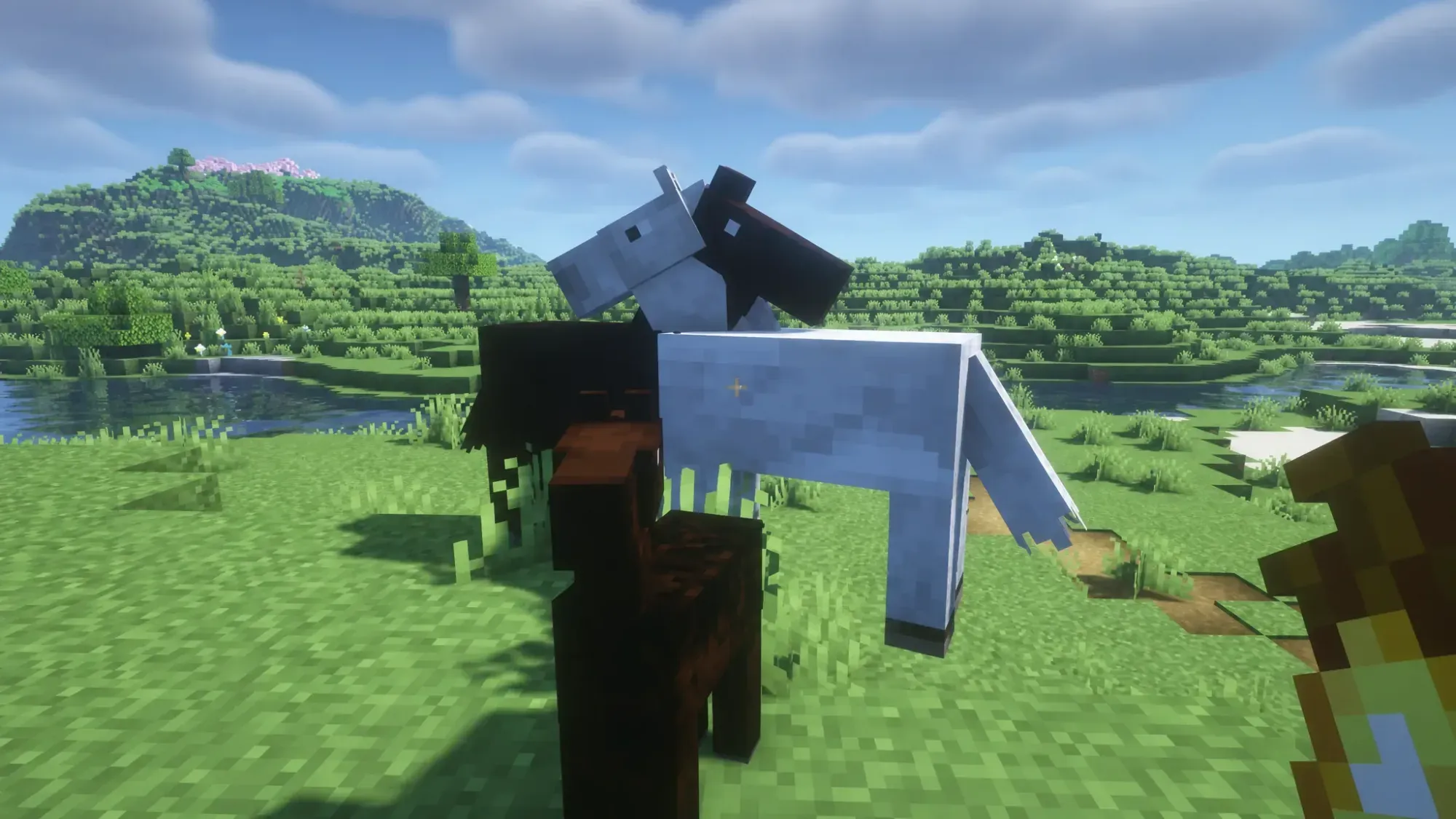
With a steady supply of golden carrots and a fenced pen, you can keep cycling your strongest horses, replacing weaker parents as better foals grow up, until your stable is full of fast, high-jumping mounts ready for long trips across the Overworld.