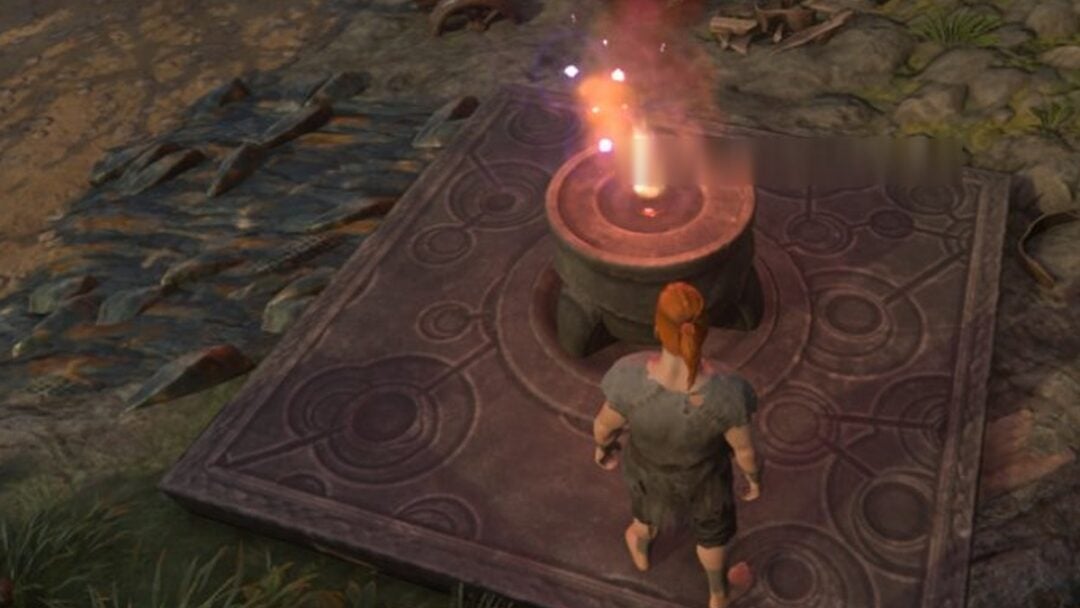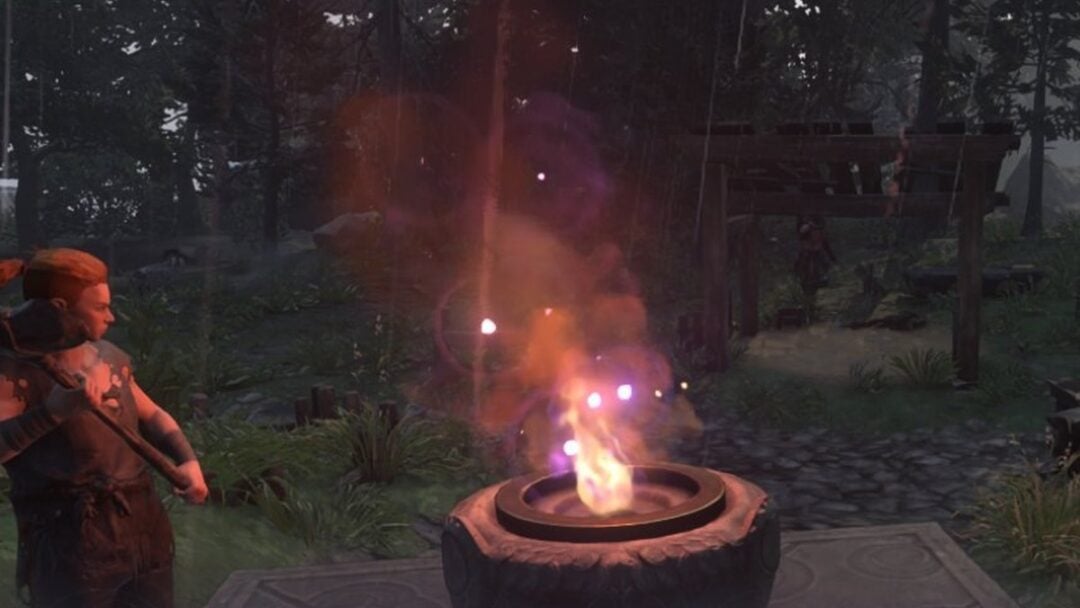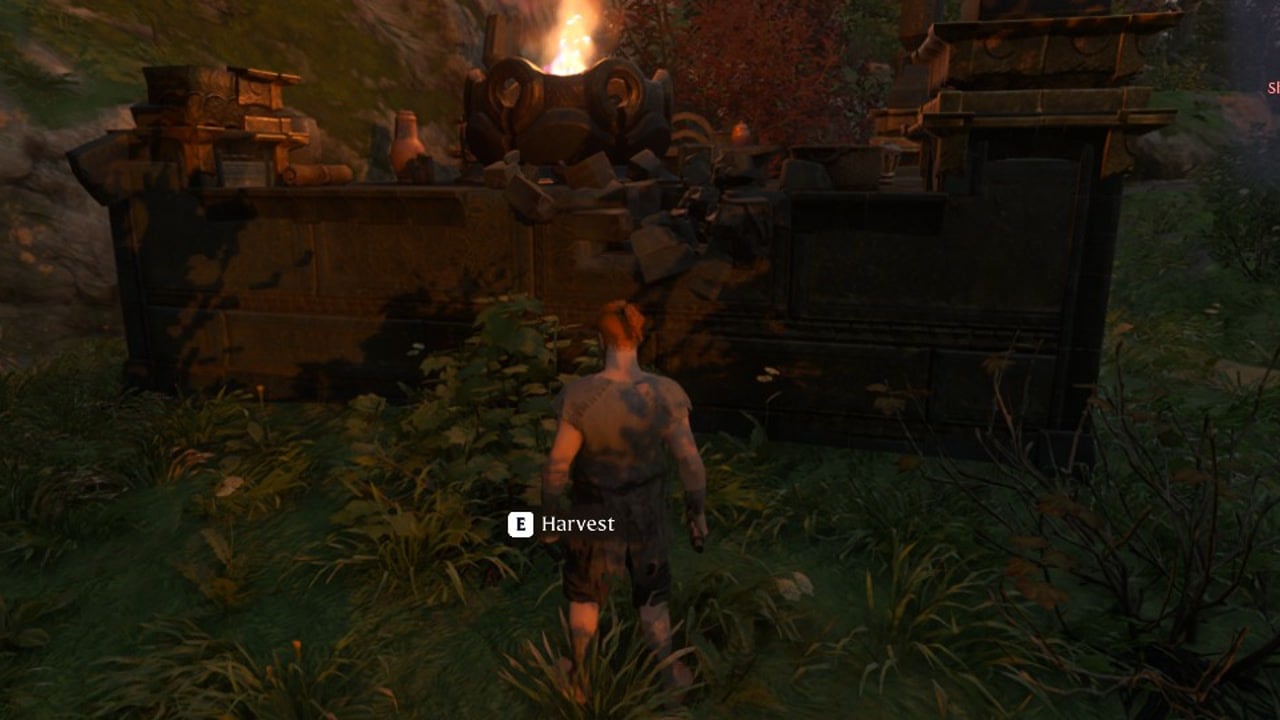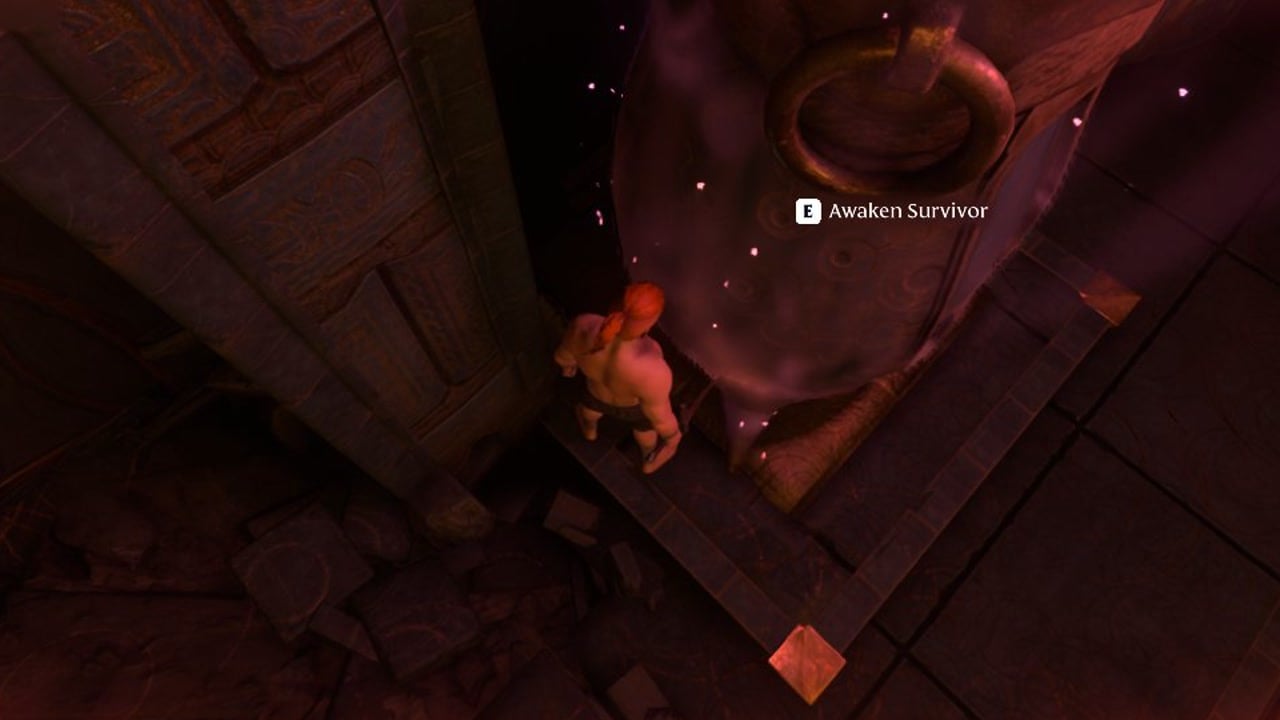
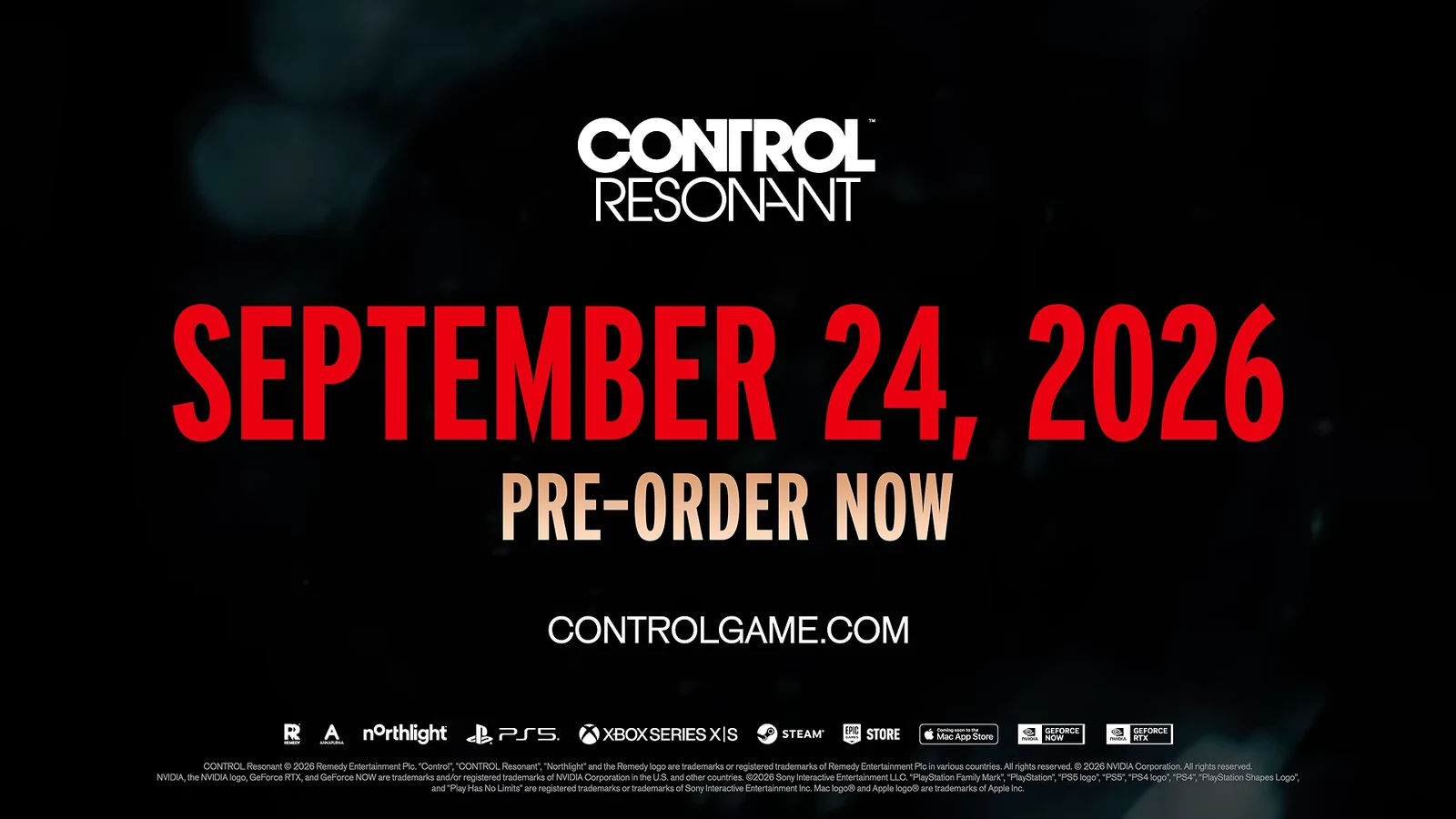
A cracked PC build of Control Resonant surfaced online right before the game’s September 24, 2026 launch on PlayStation 5, Xbox Series X|S, Steam, and the Epic Games Store. What followed on piracy-focused communities was not the usual celebration of a free download. Instead, users started telling each other to pay for the game.
Quick answer: Remedy self-publishes Control Resonant and owns the franchise, so it collects the sales directly. After weak results from FBC: Firebreak, fans believe strong sales are needed to keep the studio making single-player games.
The leak that turned into a buying plea
A complete copy of Remedy Entertainment’s sequel to its 2019 game Control appeared online around launch. In a leak thread on r/PiratedGames, a highly upvoted reply listed Control Resonant among the few games its writer intended to purchase. That comment prompted a wave of similar responses, with several users saying a purchase would help support the Finnish developer.
The same feeling caught on across the subreddit. One user joked that even pirates sometimes need to set piracy aside for a Remedy game, and the thread’s author replied that they would probably buy it regardless. Other users urged those who could afford it to do likewise. A recurring point was that Remedy creates distinctive single-player games and needs this release to succeed.
The affection traces back to a specific catalog. Remedy’s single-player titles, including Max Payne, Alan Wake, and the original Control, have long been popular with players and piracy communities alike. That history is why the launch carries more weight than an ordinary release for some of these users.

Why self-publishing makes sales matter more
Control Resonant differs from Remedy’s recent games in one important respect: the studio self-publishes the game and owns the Control franchise, so it collects the sales revenue directly. Alan Wake 2 had a different arrangement: Epic Games funded and published it, and Remedy received royalties only after development and marketing expenses were recovered.
Owning and publishing its own titles sits at the center of Remedy’s 2025–2030 strategy. The company regained full publishing and distribution rights to Control in 2024. Self-publishing exposes Remedy to both the upside and the downside of a game’s commercial performance, which is exactly why fans see this launch as high stakes.
Remedy’s financial pressure going into the launch
The financial concern has a clear basis. Remedy’s first self-published game, FBC: Firebreak, missed expectations in 2025 and contributed to a substantial impairment in the company’s results that year. The downturn continued in the first half of 2026: revenue was €23.3 million, compared with €30.3 million in the same period a year earlier, and the company recorded an operating loss.
| Metric | Q1 2026 | Q2 2026 |
|---|---|---|
| Revenue | €13.1M | €10.2M |
| EBITDA | €2.9M | –€2.4M |
| EBIT | €1.0M | –€3.9M |
| Operating cash flow | €8.3M | –€0.7M |
Remedy posted a loss in the second quarter, as revenue fell 40% year over year, partly due to comparison with the previous year’s FBC: Firebreak launch period. The company also saw a leadership change during this time: Jean-Charles Gaudechon became CEO effective March 1, 2026. A new chief executive was thus in place as the year’s most important release drew closer.

The sales figures fans keep citing
Much of the discussion in piracy communities focuses on the sales Remedy needs to reach. The break-even threshold for Control 2 and FBC: Firebreak has been put at 3 to 4 million copies, against an estimated investment of roughly $52.9 million. Some fans have suggested a lower target of about 2.5 million copies.
None of these break-even numbers are official targets published by Remedy. They are outside estimates that give a rough sense of the revenue the studio needs, not a confirmed accounting.

How the launch is actually performing
Early signs point to a strong start. On Steam, Control Resonant reached an all-time peak of 39,695 concurrent players and climbed to No. 5 on the global top sellers chart. Critical and player reception has been positive across the board.
| Source | Rating | Reviews |
|---|---|---|
| Metacritic (critics) | 90% positive | 64 |
| Steam (users) | Very Positive, 89% | 1,411 |
| SteamDB (users) | 88.3% positive | 3,133 |
The interest reached beyond Remedy’s usual audience. Rockstar Games publicly congratulated the studio on X, writing: “Congrats to our friends @remedygames on the launch of CONTROL Resonant!” The post said nothing about sales expectations, but it underlined how much attention the release drew from other major studios.
Concurrent-player counts and review scores are encouraging, but they are not sales figures. They show how many people are playing and how well the game is received, not total units sold, refunds, or console performance. Whether that early momentum turns into the revenue Remedy needs to fund its next single-player projects, including the Max Payne remakes, will only become clear as sales across PC, PlayStation, and Xbox add up over time.