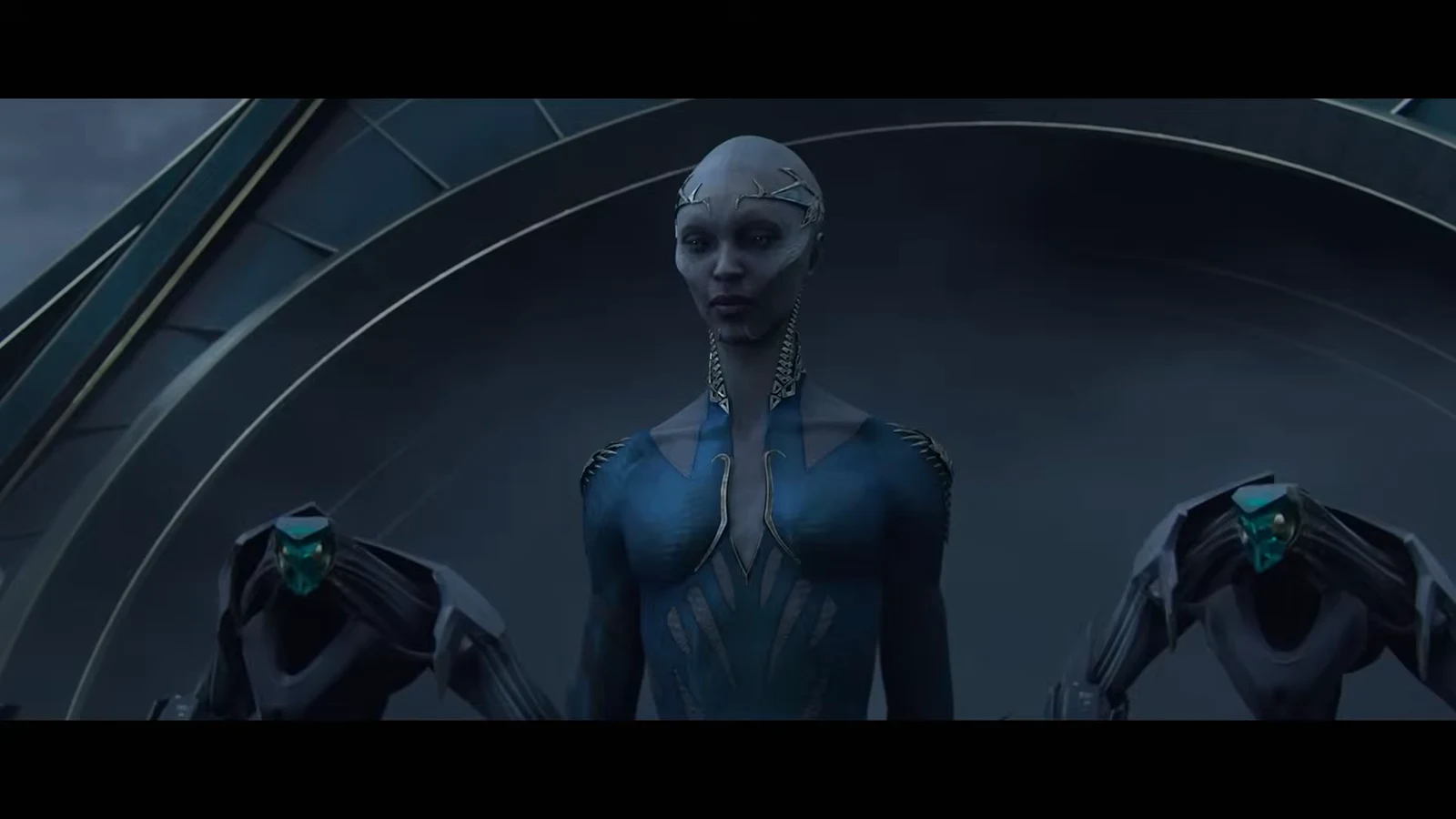
Romance in Exodus works less like a side activity and more like a long-term commitment with consequences. The sci-fi RPG from Archetype Entertainment, written by narrative director Drew Karpyshyn, ties relationships to the same choice system that drives the rest of the story, and it stretches those relationships across decades of in-game time thanks to the game’s time dilation mechanic.
Quick answer: Every romanceable companion in Exodus is available to you regardless of whether you play Jun Aslan as male or female. You have to start a romance yourself through dialogue choices, you can pursue more than one at a time at the risk of blowing all of them up, and relationships can end in marriage and heirs without changing a single combat stat.
Exodus romance rules at a summary glance
The system has a handful of hard rules that hold across the whole game. Everything else — who approves of what, how a specific arc ends — flows out of these.
| Rule | How it works |
|---|---|
| Gender locking | None. Romances are player-sexual, so companions are open to a relationship with either version of Jun. |
| Who starts it | You do. No companion will pursue Jun unless you take the initiative in dialogue. |
| Multiple romances | Allowed. You can court several companions at once, with jealousy and arguments as possible outcomes. |
| Non-romanceable characters | Some companions are off the table entirely, including the awakened robot octopus. |
| Outside the crew | Minor romances and short flings exist with characters who never join your crew. |
| Combat effect | None. Romance and family choices never alter stats, builds, or abilities. |
| Endgame | Marriage and heirs, feeding into a family dynasty that shapes the world over generations. |
Romances are not gender-locked in Exodus
Karpyshyn has confirmed that the player drives the romances and that they are not gender-locked. Whether you pick the male or female version of Jun Aslan, the same pool of romanceable companions is available to you. Nobody is walled off because of the body you chose at the start.
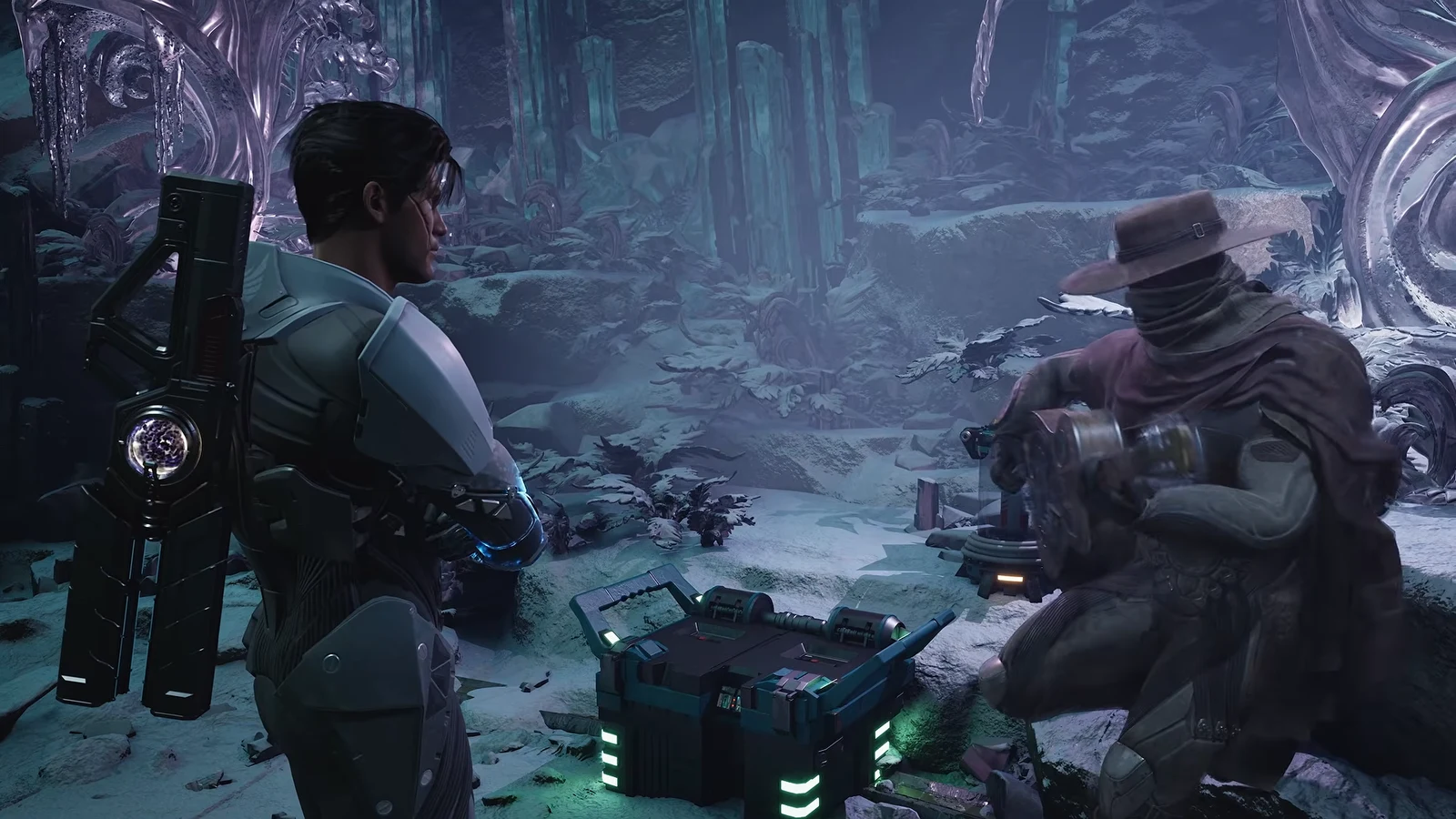
That is a deliberate break from how the Mass Effect games handled it, where certain companions were only available to a male or female Shepard. The trade-off is familiar to anyone who has followed this debate for years, and the community reaction to the confirmation was immediate.
How to start a romance: the player has to make the move
Romances do not happen to you in Exodus. A companion will never decide to pursue Jun on their own, so if you never pick the flirtatious dialogue option, you simply play the game without a partner. That also means it is difficult to stumble into a relationship you did not want.
There’s no situation where a character is going to romance you if you didn’t take the initiative. We want to put you in situations where you can potentially try to romance more than one character. Sometimes it’ll go well, sometimes it won’t depending on the character and depending on the choices you make. Like real life, it’s complicated, right? We want it to be complicated.

Sex scenes are part of these arcs, though game director Chris King has described them as more reserved than what you would find in Baldur’s Gate 3 or Cyberpunk 2077.
Affinity: how approval and disapproval move relationships
Every companion tracks how they feel about Jun through an affinity system. Decisions in the field trigger visible approval or disapproval prompts — one companion nods along while another quietly marks it against you. Hand a med kit to a dying zealot and you might see “Elise approves” and “Suliman disapproves” in the same breath.
Those reactions are not limited to big story beats. Clearing a path on a mission, choosing whether to purge an airlock, or how you talk to people you meet all register with whoever is standing next to you. Affinity gates how far a romance can progress, so a companion who consistently disagrees with your version of Jun is a much harder sell.
Note: the same choices also feed the Traveler Oath system’s Paladin and Immortal paths, so the philosophy you commit to and the companions who like you for it are closely linked.
Pursuing multiple romances at once
You are allowed to chase more than one companion at the same time, and the game does not quietly stop you. Depending on the characters involved and the choices you make along the way, it can hold together — Karpyshyn has raised the possibility of polyamorous arrangements — or it can collapse into jealousy and arguments that cost you both relationships.
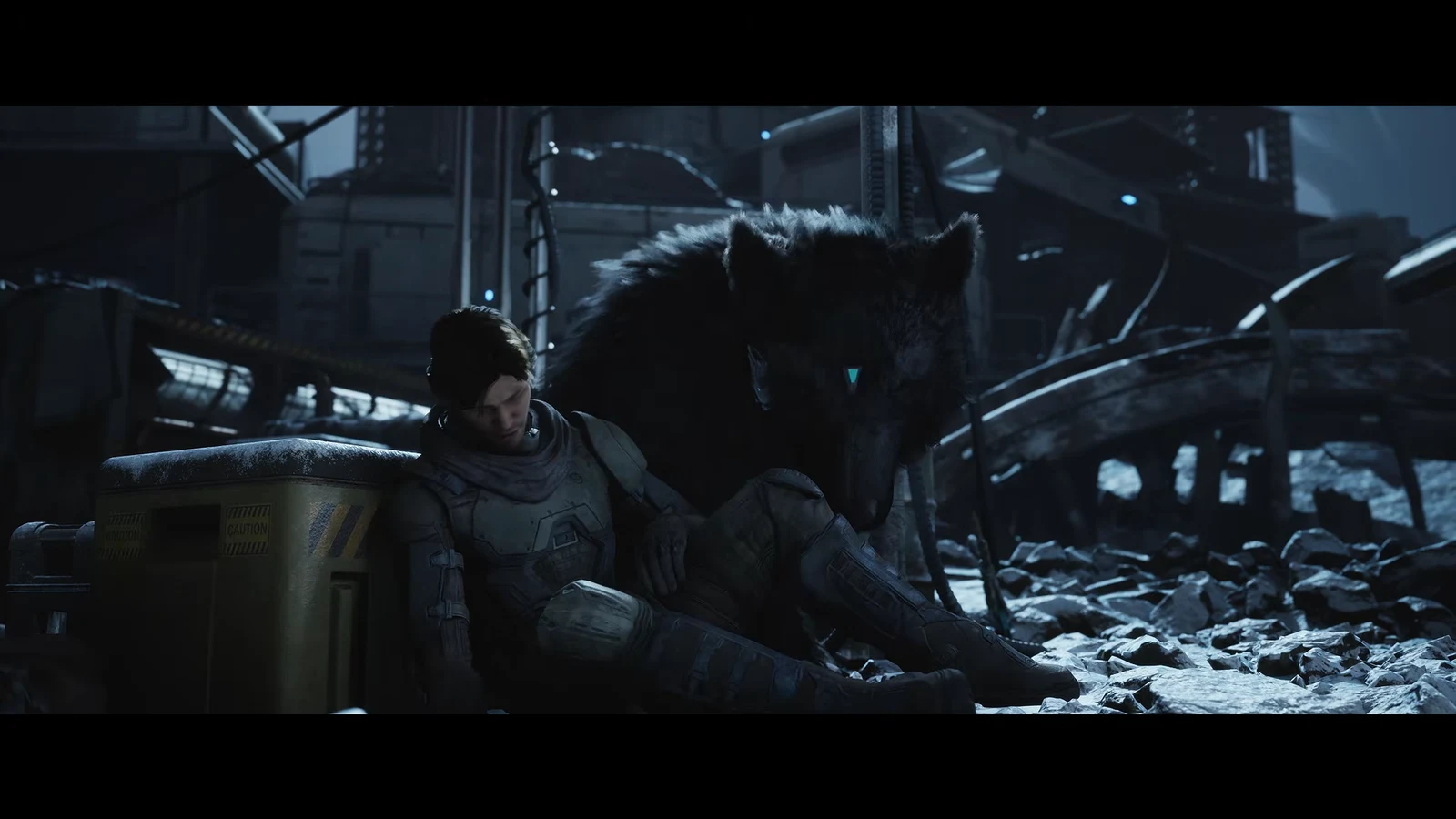
Crew members are not the only option, either. Minor romances and one-off flings turn up with characters scattered around the world who never join the ship.
Time dilation changes your relationships while you are away
This is the piece that separates Exodus romance from anything in Mass Effect. Travelling at relativistic speed means days for Jun can be decades for everyone back home, including the people you left behind on Lidon and anyone not travelling with you. A partner you said goodbye to can have aged years by the time you dock.

The mechanic is reserved for pivotal narrative moments rather than being applied to every trip, but when it lands it can permanently reshape a relationship’s status. That is also why the writing treats romance as a mature, high-stakes thread instead of a collectible.
Marriage, heirs, and building a dynasty
A committed relationship can lead to marriage, and marriage opens the door to heirs. Because time keeps running at home while Jun is out on missions, those descendants grow up, take positions, and become part of the world you return to. Your family becomes a thread in the story rather than an epilogue slide.
The practical effect is that romance decisions ripple into how the world develops across generations. Who you marry and what you leave behind shapes the dynasty that outlives any single mission.
What romance does not change
None of it touches your build. Romances, marriage, and family choices have no effect on combat stats, weapon loadouts, glyph abilities, or skill tree progression. There is no hidden buff for locking in a partner and no penalty for playing Jun alone, so you can treat the whole system as a story choice.
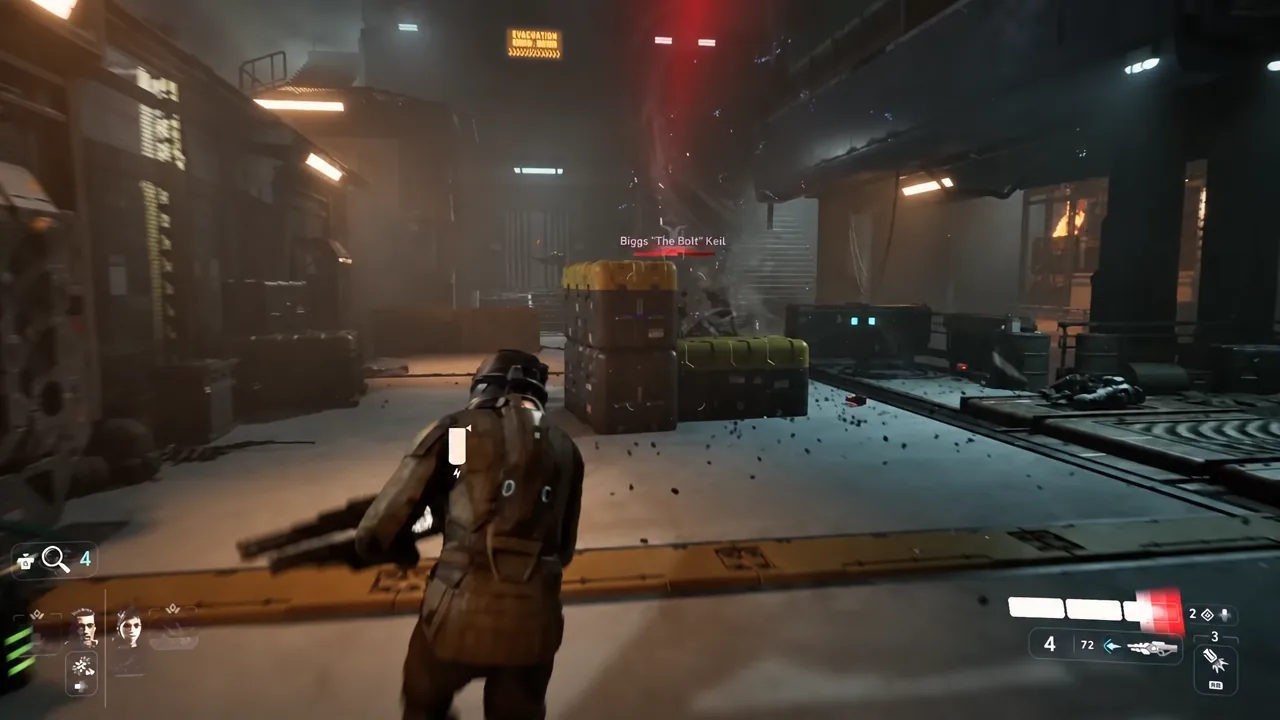
Exodus is due in early 2027 on PC, Xbox Series X|S, and PlayStation 5, and the romance system is one of the clearest signals of what Archetype is building — a story where the people you care about keep living, aging, and changing in the gap between missions.