
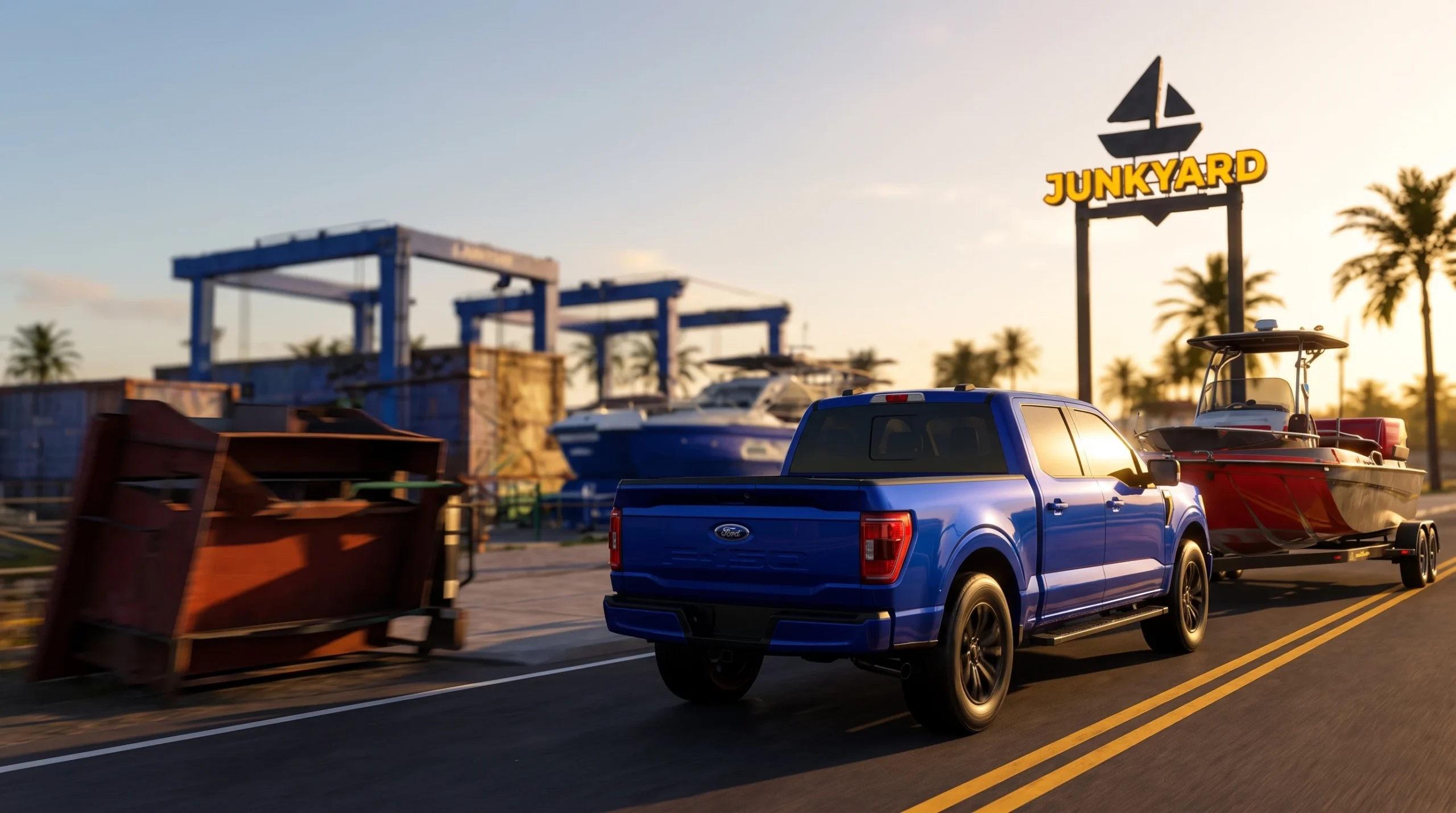
Making money in Flip A Boat comes down to one disciplined loop rather than a hidden trick. You buy a damaged boat, haul it to the workshop, replace only the parts the game flags, and sell it before optional extras cut into your return. The players who bank the most cash are the ones who never buy a hull they cannot fully finish.
Quick answer: Buy a low-condition boat you can fully repair, fix every required part first, skip paint and cosmetics, then sell once the offered value clears your purchase price plus part costs. Reinvest each sale into one tier up.
How the profit loop works
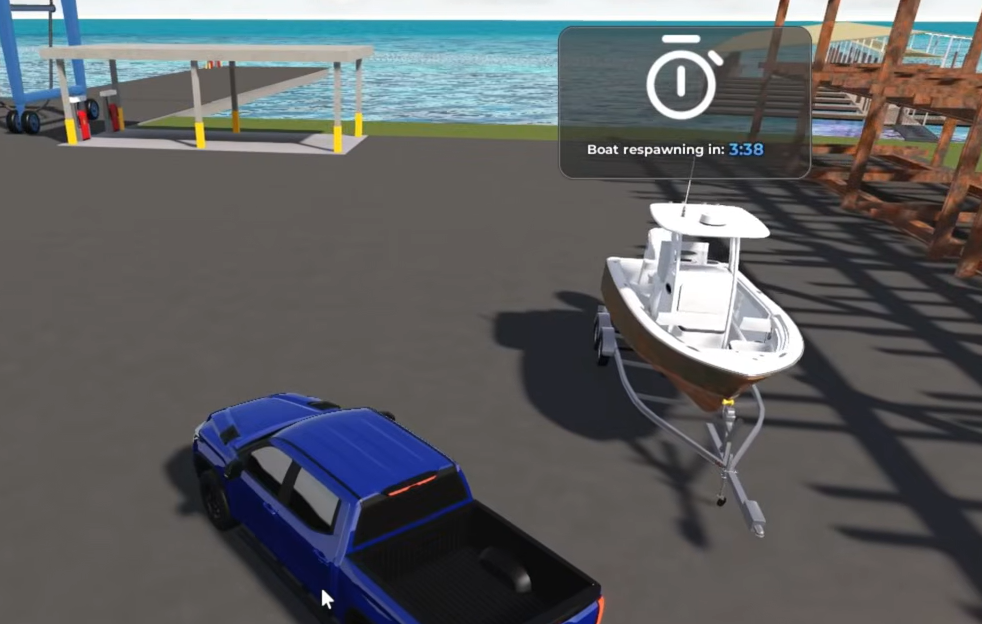
Every dollar of profit in Flip A Boat is the gap between a boat’s sale value and everything you spent getting it there. That total spend includes the purchase price and every replacement part the repair interface requests. Cosmetic paint and accessories add to the spend without guaranteeing a matching return, so they are the fastest way to erase a flip’s margin.
The progression runs from a beat-up 11-foot starter project all the way to a 40-foot center console with four outboard engines. Bigger boats sell for more, but they also demand far more working capital and parts. The reliable path to millions is to grind smaller flips, keep a repair reserve on hand, and only step up a tier when you can cover both the buy price and the full repair bill at once.
Pick boats you can actually finish
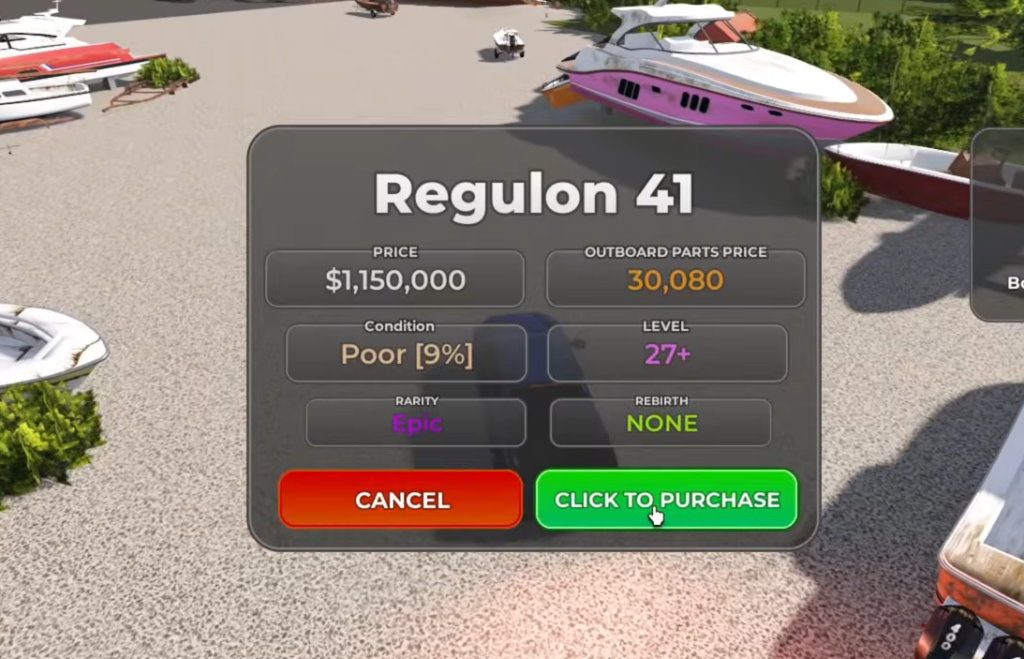
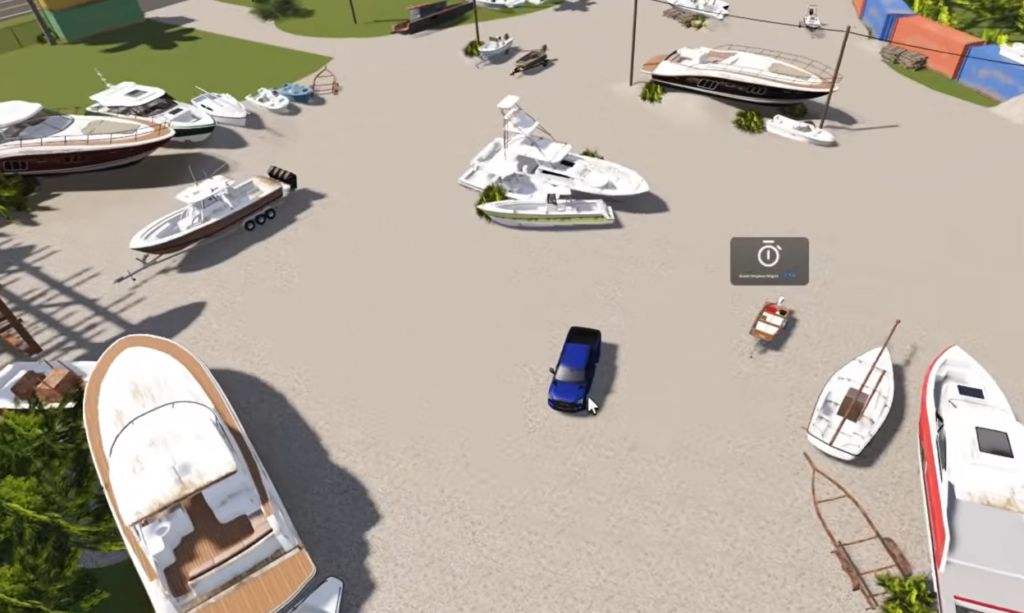
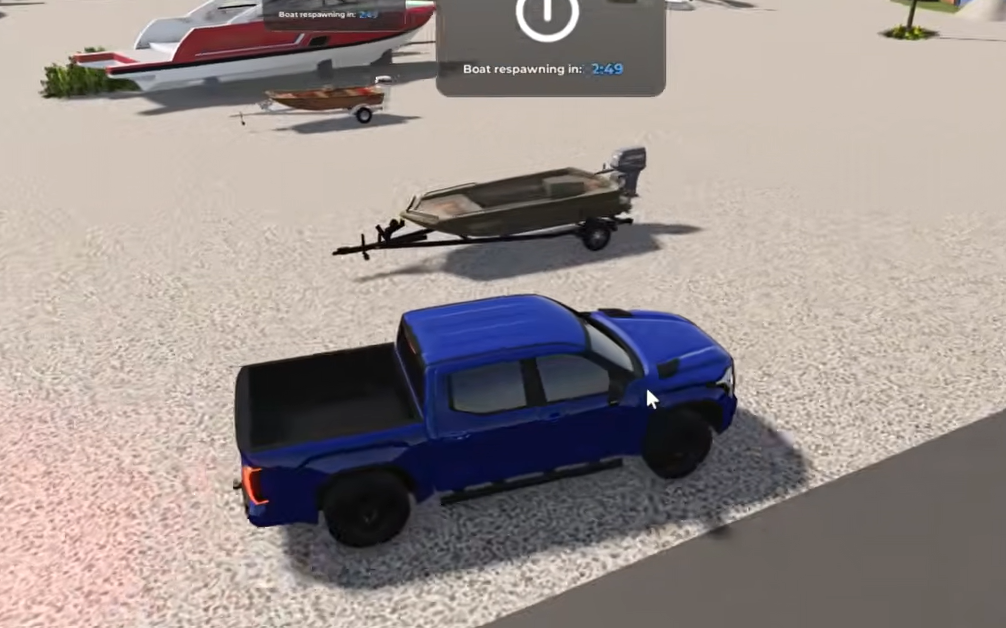
The Junkyard is where the money method starts. Teleport there through the Quick Travel menu, then walk the beach and inspect the damaged boats before committing to anything. Each listing shows a price, a condition percentage, a rarity, an outboard parts price, and a level or rebirth requirement, and those numbers tell you whether a flip is worth it.
Prioritize boats with a short repair list and an outboard parts price your cash can absorb with room to spare. A cheap common hull with light mechanical needs turns over faster than an expensive uncommon one that eats your entire balance. Below are examples of the kind of listings you will compare in the field.
| Boat | Price | Condition | Rarity | Outboard Parts | Requirement |
|---|---|---|---|---|---|
| Salt and Flats 21 | $110,000 | Poor [4%] | Uncommon | 3,400 | Level 11+ |
| Bost Whale 13 Classic | $1,500 | Poor [7%] | Common | 2,150 | Level 1+ |
| Hawes 19 Redcaster | $65,000 | — | — | — | — |
A low condition percentage means more parts to replace, so a “Poor” boat is only a bargain when its part costs stay small relative to what it resells for. Cancel out of anything that would leave you with no cash for repairs.
Control repair spending, part by part
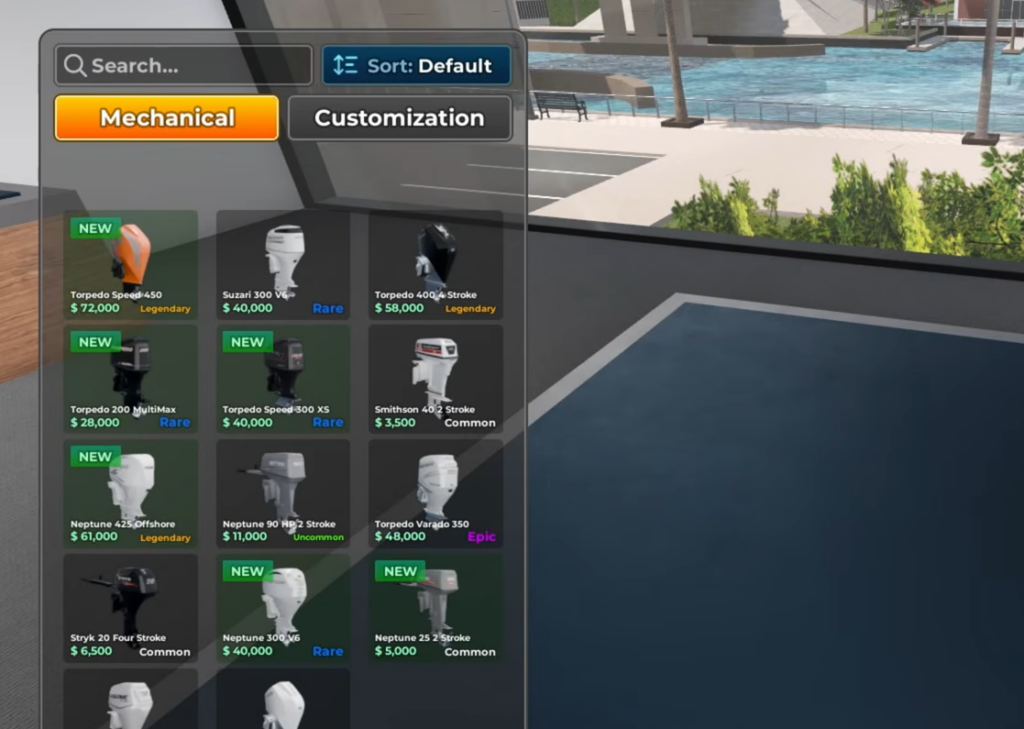
Once the boat is on the trailer and parked in your repair area, the goal is to spend on required parts only. Repair costs scale with the boat’s size, its condition, and how many outboards it carries, so a full inspection before buying anything prevents wasted purchases.
Sell for a positive margin
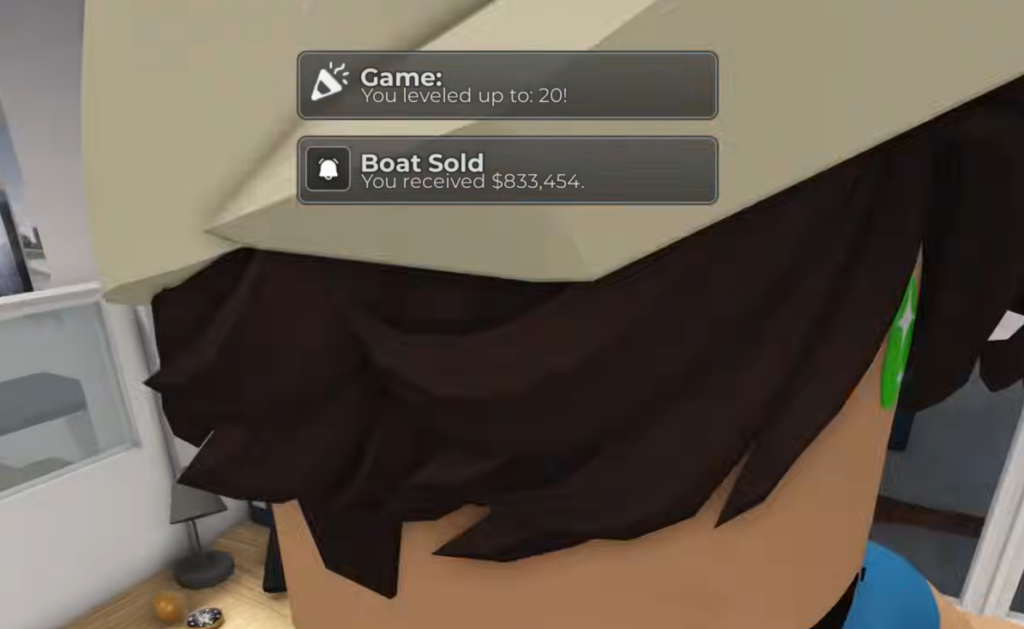
Before selling, inspect the whole boat one more time and confirm every highlighted component is complete. Then compare the offered sale value against your purchase price plus all the parts you bought. A flip is only profitable when that sale number clears the combined total.
You know the loop worked when the sale adds more cash than the boat and its parts cost you. Treating the sale price as pure profit is the most common mistake, because it hides the buy price and part spending that actually determine your gain. If the margin comes out flat or negative, the boat was either too expensive to buy or too damaged to repair cheaply.
Move up one tier at a time with each successful sale, and always keep a repair reserve for the next project. That steady climb, rather than a single big purchase, is what carries you from the starter tier toward large center consoles.
Use rebirths to boost sale value
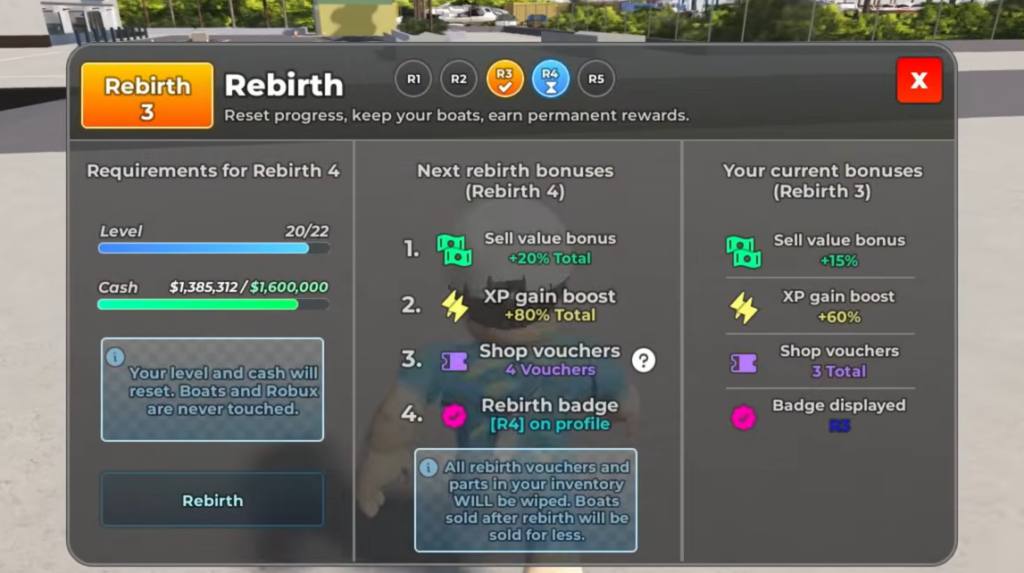
Rebirths multiply your earnings over the long run by raising the value of every boat you sell. At Rebirth 3, for example, active bonuses include a sell value bonus of +15%, an XP gain boost of +60%, and three shop vouchers in total. Higher rebirths keep stacking benefits, so each flip pays out more than it would at a lower rank.
Rebirthing has requirements, though. Advancing to Rebirth 4 asks for level 22 and a cash balance of $1,600,000, so you need both the experience and the bank before it unlocks. Use accumulated profits and existing rebirth bonuses to fund the heavier boats, then let the increased sell value accelerate the next stretch of grinding.
Grab free starting cash with a code
A working code gives you a head start on your first flip. Redeeming release grants 10,000 Cash, which is best kept as a repair reserve rather than sunk entirely into a bigger boat.
release exactly as shown and press Enter to claim 10,000 Cash. Check your money balance to confirm the reward landed.With the cash secured, spend on a boat you can fully finish and hold the rest for its parts. Repeat the buy-repair-sell loop, lean on rebirth bonuses as they unlock, and the profits compound tier by tier until the large consoles are within reach.