

ARC Raiders has enabled a matchmaking option for seven days that prevents Raiders from dealing damage to one another during a raid. Selecting it still places you in the Rust Belt alongside other Raiders, with the usual quests and machines, but other players cannot shoot you. Embark Studios says it is using the trial to collect data, not introducing a finished feature; the test runs for exactly seven days.
Quick answer: The PvE toggle is live now and closes on October 20, 2026 at 11:00 CEST (2:00 AM PT / 5:00 AM ET). Open the destinations screen before deploying, switch PvE on, then queue. Other Raiders can no longer damage you.
What the PvE toggle is and when it runs
This is a per-raid matchmaking choice, not a separate mode with its own queue, rewards track, or save. It changes who shares your map and what they can do to you. Scavenging, extracting, questing, and leveling all work exactly as they do in standard play. Anyone who owns ARC Raiders can use it. There is no code, signup, or extra download.
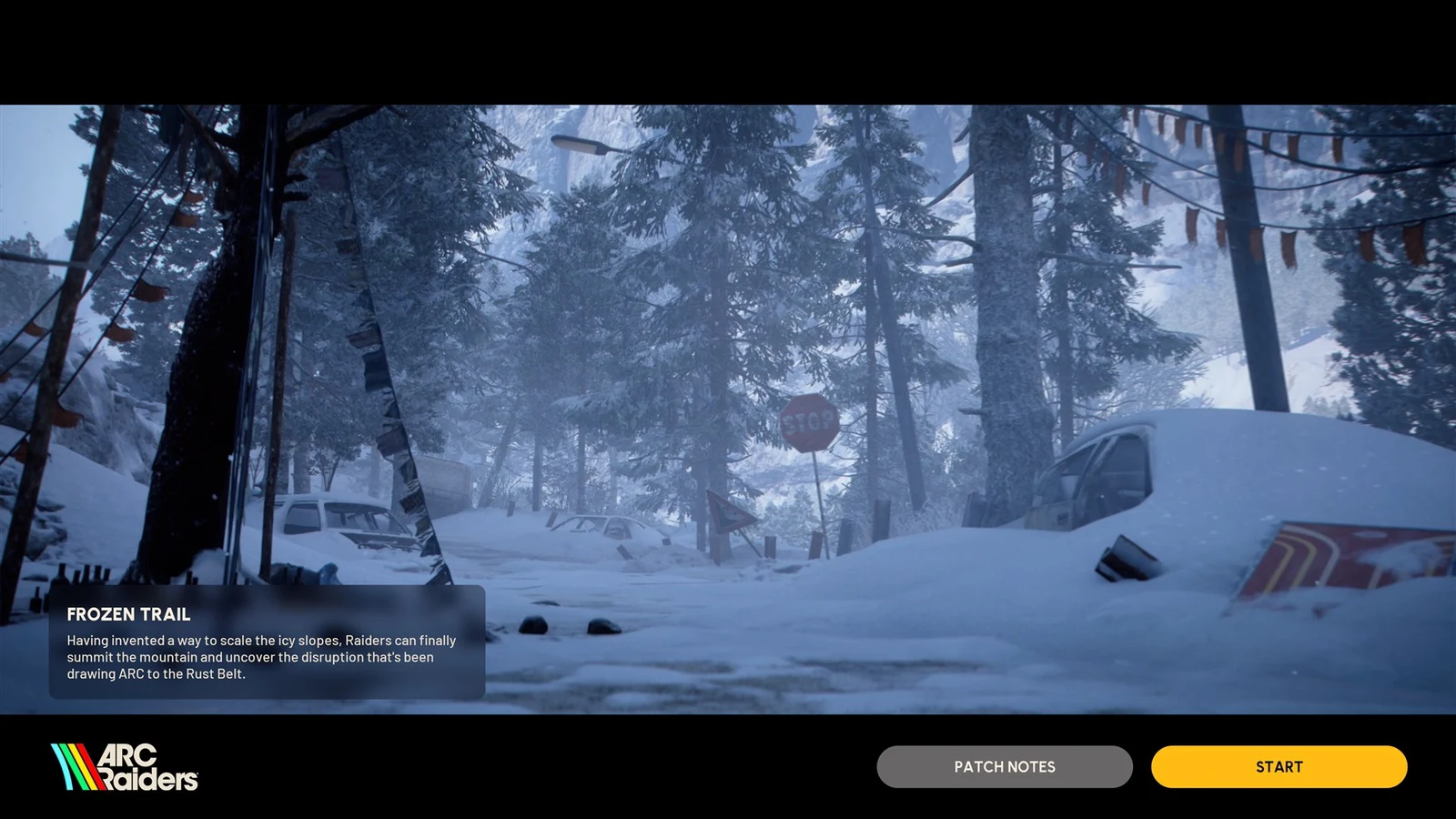
The test began October 13 and concludes on October 20, 2026; both dates are set for 11:00 CEST. Afterward, the option is removed and the usual PvPvE matchmaking setup resumes. The beta arrived five days after the Frozen Trail update, meaning Pendola Pass and the Frozen Trail systems are available during the test.
Turning the PvE toggle on
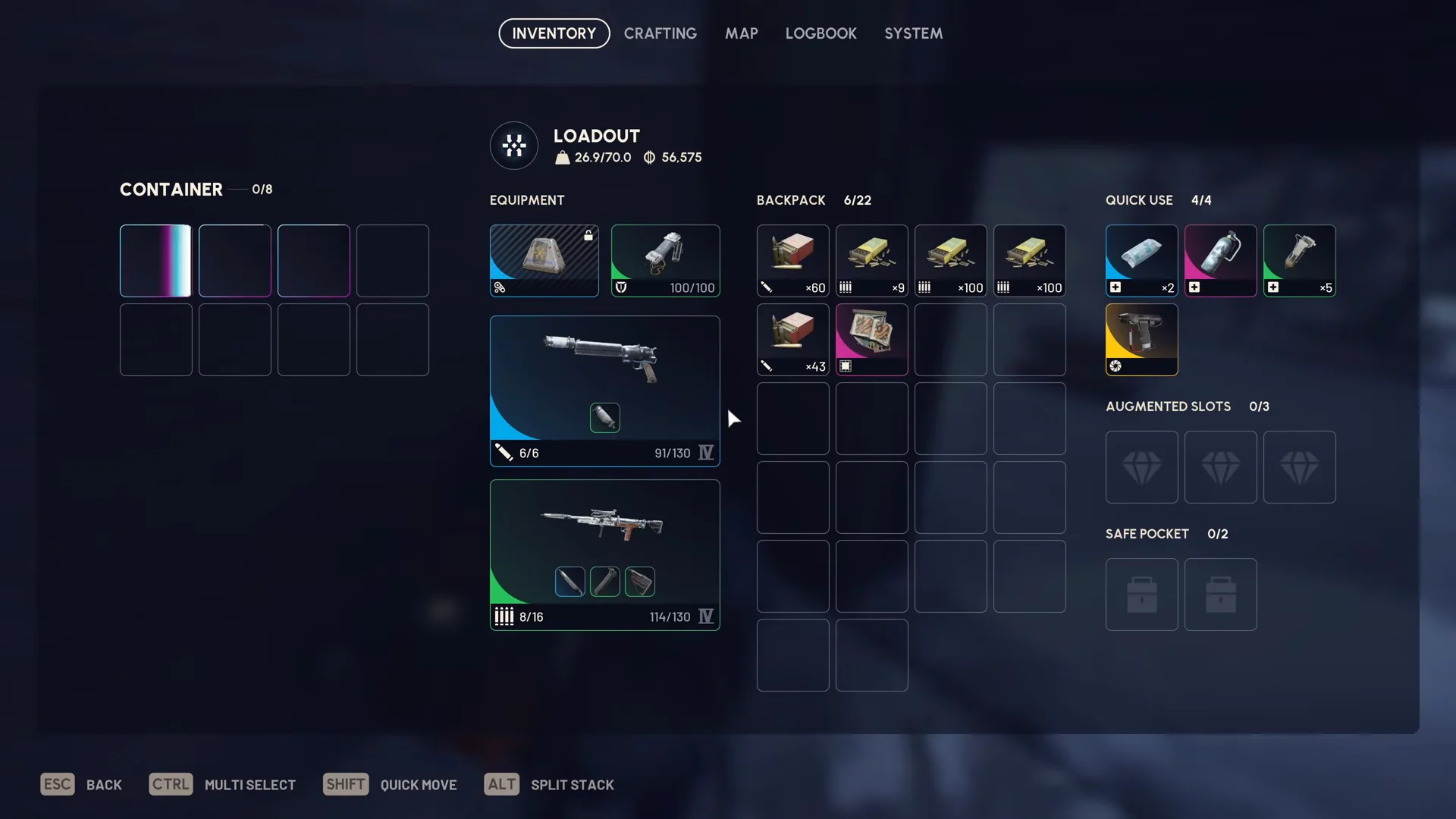
What changes inside a PvE session
Other Raiders remain on the map when player damage is disabled, but neither side can harm the other. With fighting off the table, sessions tend to be more cooperative. In live raids, strangers have been seen using ziplines together, checking rooftops, and reviving one another after someone goes down.
- Damage between players is disabled both ways, so no weapon fire registers.
- Stun and fire throwables do nothing to other players, but stay fully effective against ARC.
- Barricades and ziplines keep physical collision, so a Raider can still block a doorway or crowd an extraction.
- Solos, Duos, and Trios share one session pool, so a lone player can land beside a full trio.
- Your PvPvE matchmaking rating stays the same when you play PvE.
Machine loot is available to everyone, not just the player who dealt the damage. That lets someone wait while another Raider weakens a tough unit, then take the drops as soon as it dies. A similar exploit occurs at locked rooms: players can wait outside and dash for the loot tables after someone else uses a keycard. Since weapons are disabled, the Raider who opened the room cannot drive them away.
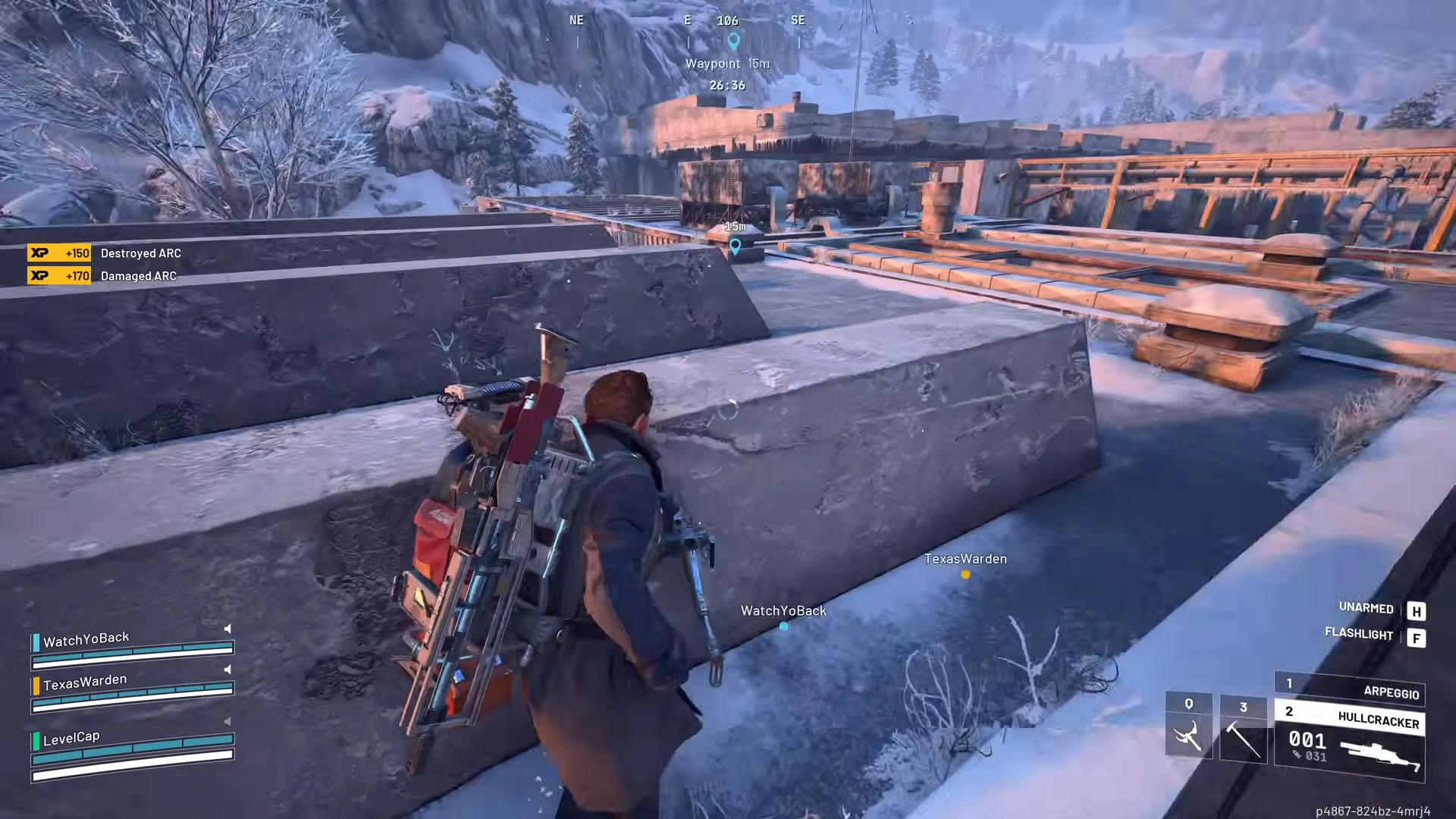
The downed-state rule to internalize first
Going down doesn’t provide a safe place to wait. ARC leaves you alone for eight seconds after you fall. After that, moving—including crawling—may draw a machine back to you, and crawling near one can get you killed. Stay still, and ARC will ignore you.
In standard raids, crawling away after being downed may help you reach safety; that instinct is risky here. In PvE, stay put and wait for someone to revive you. Without a teammate carrying a defibrillator, you may have to bleed out.
A Raider killed by a machine can still have their body looted by anyone else in the raid, exactly as in a normal session.
Loot value in PvE versus PvPvE
Lower risk comes with a smaller payout: PvE sessions have reduced total loot value. For the duration of the test, Embark has also raised the starting loot value in PvPvE slightly to keep the queues balanced. The studio has shared no precise amounts for either change and has announced no XP penalty or multiplier for either queue.
Stash contents and progression are shared across both choices during the test, so items collected in PvE can go directly into your PvPvE loadouts. If you are farming efficiently, consider the lower possible return from a PvE raid against the certainty that other players cannot attack you.
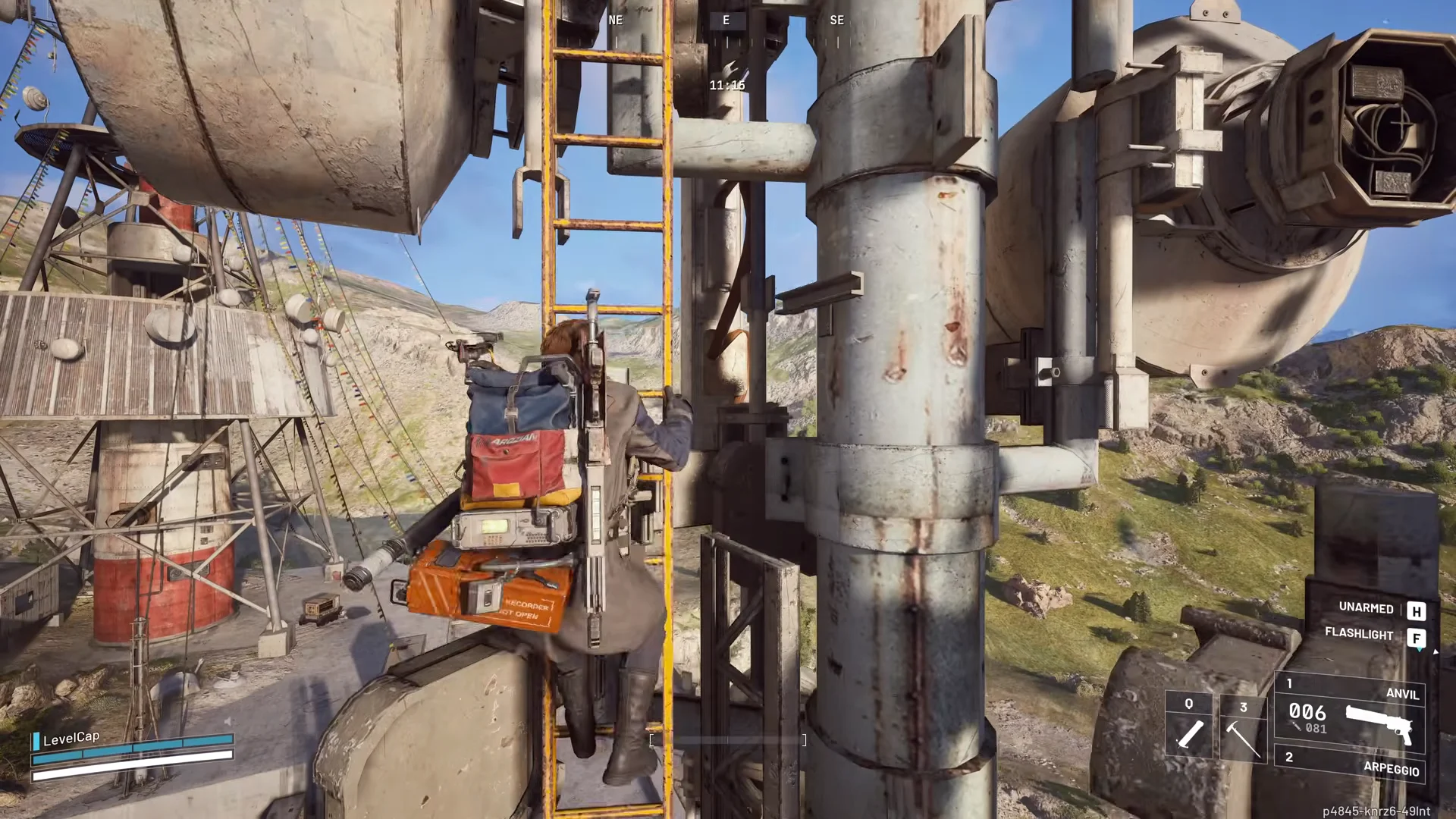
Conditions locked out of PvE
Five high-tension conditions stay exclusive to the standard queue, since each depends on the uncertainty of running into other players. While any one of them is active on a map, the PvE toggle does not appear.
| Excluded condition | Why it stays PvPvE-only |
|---|---|
 Night Raid | Built around darkness and uncertain player encounters |
 Hidden Bunker | Designed around racing other Raiders to the bunker |
 Locked Gate | Built on contested access to gated loot |
| Frigate | Source of the Frigate Inductor and Frigate Diagnostic Node |
 Redirection | Source of Emperor Payloads and ARC Couplers for the Emperor Gateway Conduit |
Frigate and Redirection are especially important for endgame crafting. Those pursuing Fallen Emperor materials need to enter PvPvE to get the required parts. In PvE, a locked room still requires its key—for example, the Town Hall key room in Buried City—and after it is opened, all Raiders in that session can loot it.
Maps available in PvE
Each standard map keeps its normal difficulty and unlock requirement under the PvE toggle. Pendola Pass, the Frozen Trail map, is in the rotation, and it is where much of the live PvE footage takes place, with stops at the Ruined Homestead, the Checkpoint, and the warehouse areas on The Blue Gate.
| Map | Difficulty | Unlocks at rounds played |
|---|---|---|
 Dam Battlegrounds | 2 of 5 | — |
 Buried City | 3 of 5 | — |
 Spaceport | 3 of 5 | 12 |
 Pendola Pass | 3 of 5 | 25 |
 The Blue Gate | 4 of 5 | 18 |
 Stella Montis | 4 of 5 | 24 |
 Riven Tides | 5 of 5 | 20 |
ARC machine health for PvE runs
With players disarmed, the machines are the whole fight, so knowing where to aim matters more than ever. Cores and weak points take far less fire to down than a main body, and limb-destruction targeting pays off against the heavier units. These are the key health values for the machines you are most likely to meet.
| ARC | Core / main health | Weak point | Drops |
|---|---|---|---|
 Matriarch | Core 30000, body 23100 | Leg 4050 | Matriarch Reactor |
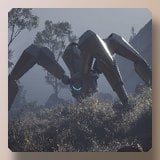 Leaper | Core 2000, body 1100 | Upper leg 240, lower leg 160 | — |
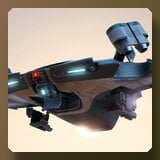 Vaporizer | Body 1500 | Thruster 104, flap 20 | Vaporizer Regulator |
 Firefly | Body 200, core 167 | Head 1300, thruster 30 | — |
 Fireball | Body 20, dispenser 100 | Heavy armor plate 10 | Fireball Burner |
Weapons that hold up against ARC
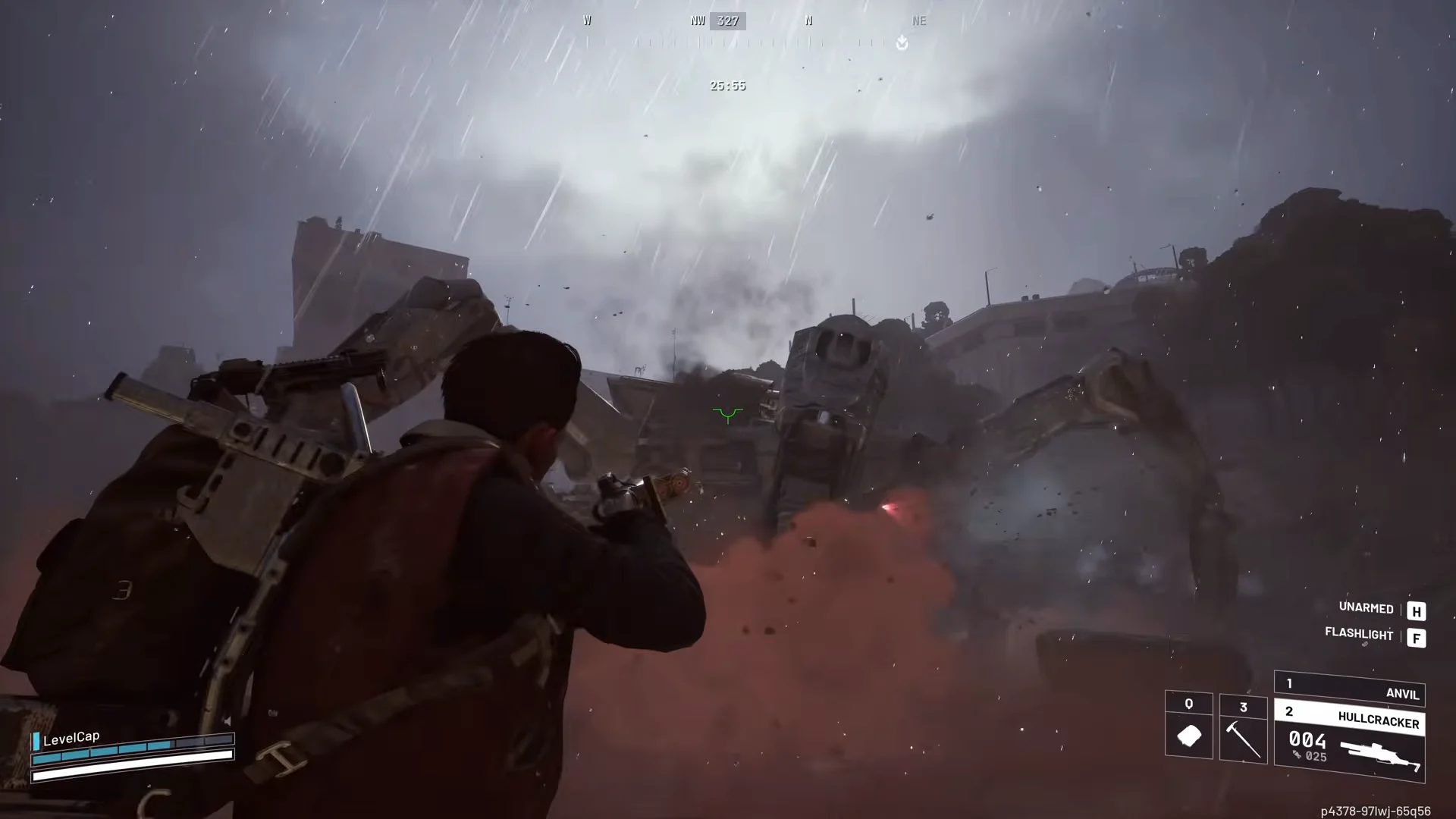
The Hullcracker is an Epic-rarity Special weapon that fires explosive projectiles which only detonate when they hit an ARC, making it a dedicated anti-machine tool. It supports amplification upgrades such as Incendiary Grenades and Mag Reload across four levels.
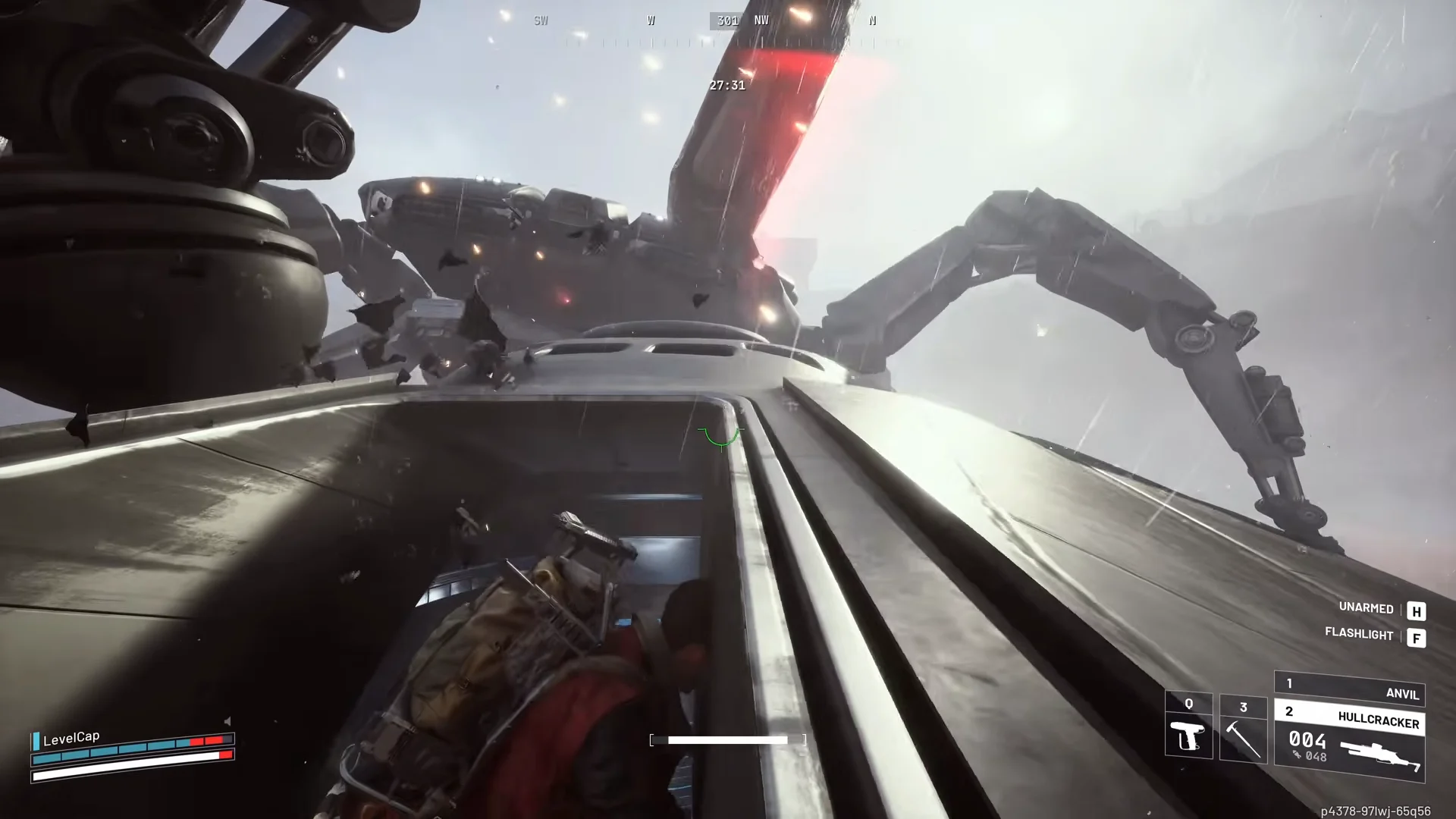
The Rattler is an inexpensive Common assault rifle, and its reload adds two rounds per cycle. Upgrades raise its magazine capacity to 12 at I, 16 at II, 20 at III, and 24 at IV. It uses Medium Ammo, sells for 5000, has moderate ARC armor penetration, and includes three mod slots.
Exploring high-risk zones without campers
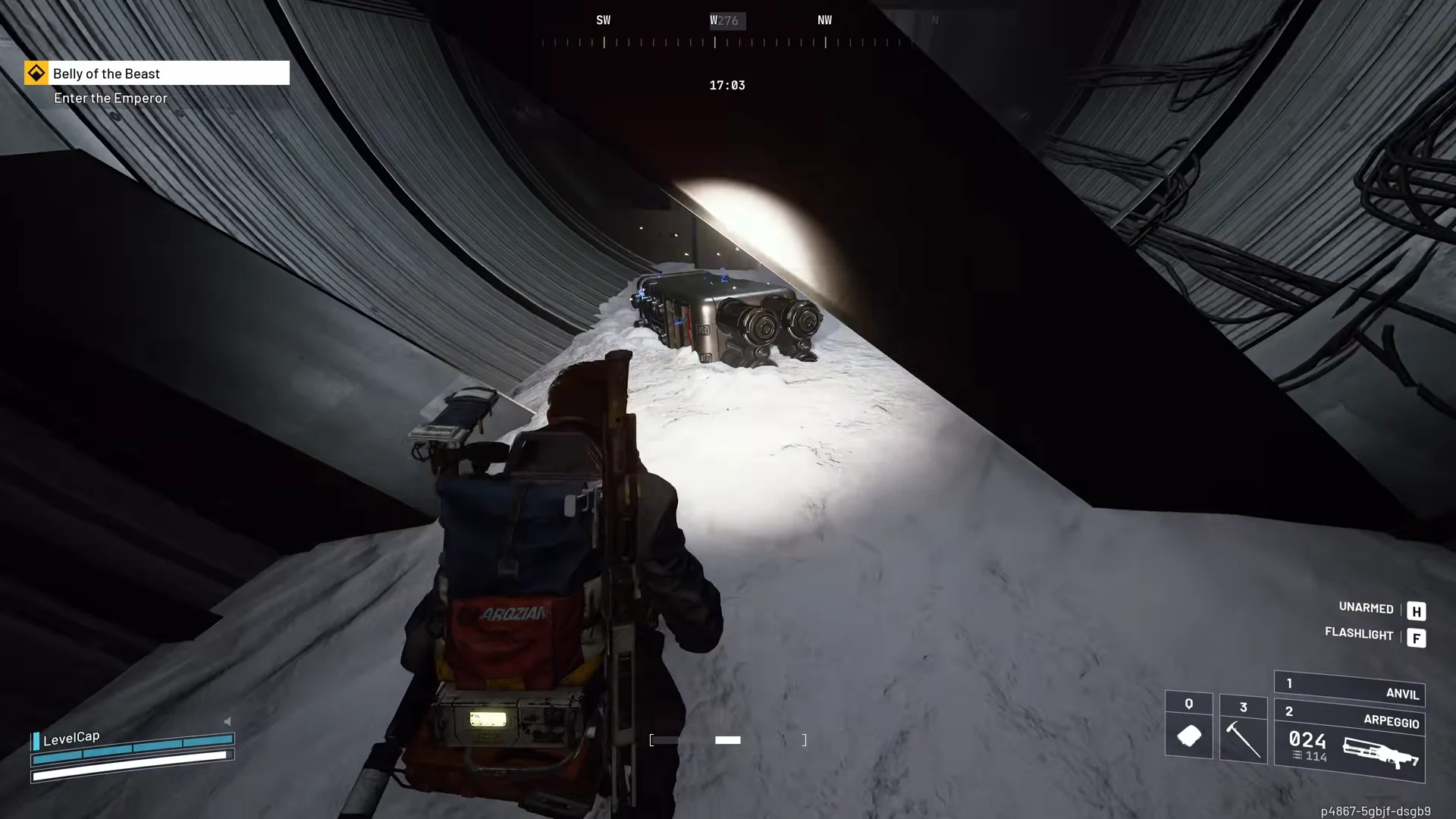
The calm changes how you can approach the most dangerous structures. Climbing into the Fallen Emperor, normally a place where choke points and ambushes punish solo players, becomes a straightforward exploration run. The “Belly of the Beast” objective chain that sends you deep inside it is far easier to pick through when the only threats are machines.
Why Embark is testing this, and what happens after October 20
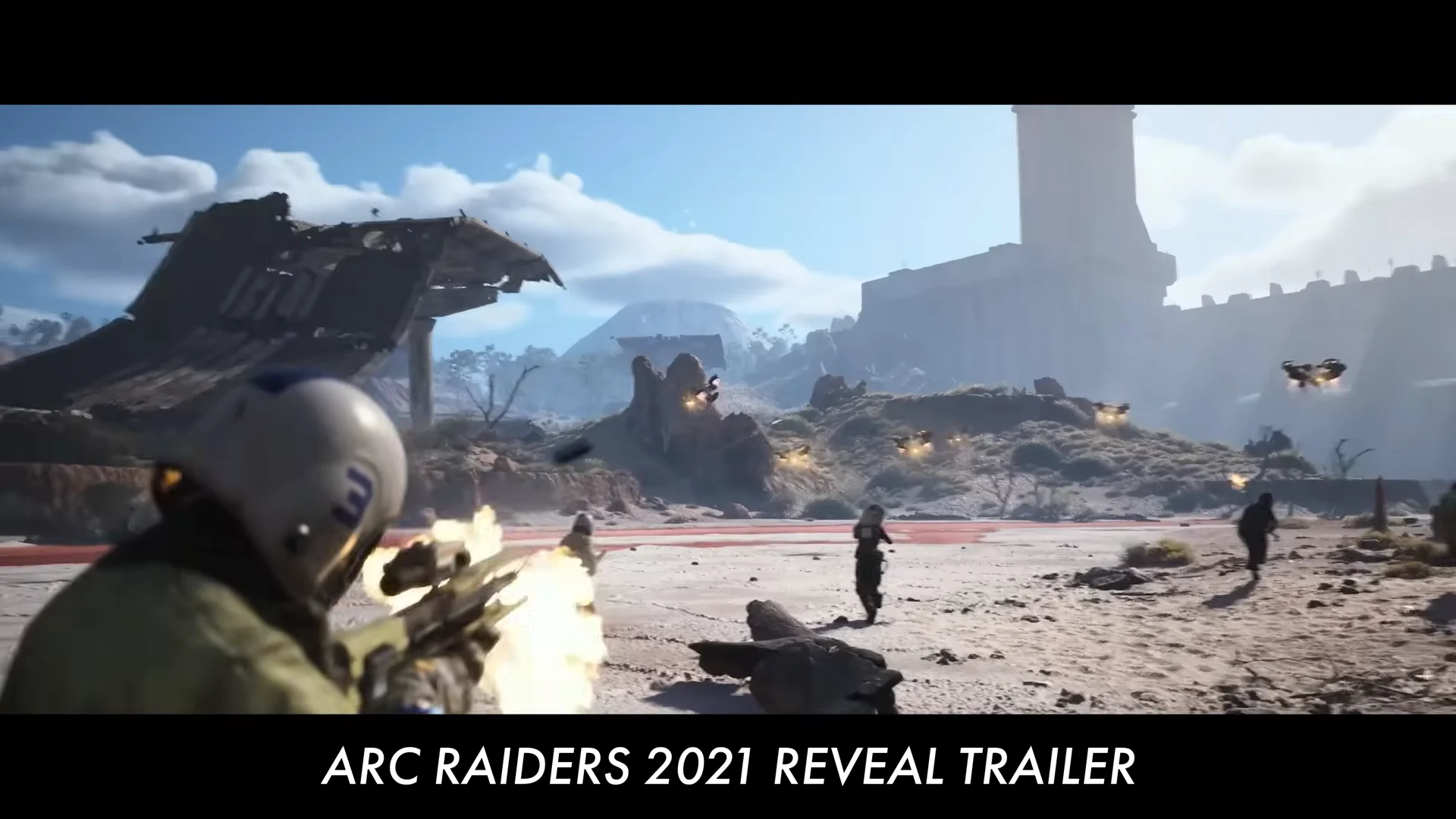
Seven years ago, ARC Raiders was envisioned as a co-op PvE looter built around raids. Embark later scrapped that direction and reworked the project into the PvPvE extraction game that launched. Many players came for co-op and fighting machines, not battles with other Raiders, and the studio’s data bears that out.
- 37% of players are friendly co-op players, a group that has grown steadily since launch.
- 27% are mixed players, and 34% are pure PvP players.
- Fewer hostile encounters were preferred by more than 70% of friendly players and 40% of players who engage in PvP.
- 51% of surveyed players expressed interest in a dedicated PvE option.
Executive Producer Aleks explained in the announcement that the team must take the data seriously. Read the complete rationale in the official PvE toggle post.
The trial concludes on October 20, when Embark will remove the toggle and return matchmaking to normal. The studio has emphasized that this experiment is no promise of a permanent mode; a future version could look very different, or never arrive. While the test runs, Embark is measuring PvE participation, extraction values in each queue, and potential queue delays in less-populated regions or during quieter hours. Afterward, every player will receive a survey, including those who never enabled the setting. Embark will use survey responses alongside gameplay data to decide whether PvE comes back in any form.