Sometimes, it’s necessary to share access to online accounts with trusted individuals like family members, friends, or coworkers. However, sharing passwords through insecure channels like email or messaging apps poses significant security risks. LastPass, a secure password manager, provides a safe and convenient way to share passwords without exposing your sensitive information.
Note: This guide assumes you already have your passwords stored in LastPass.
Why share passwords using LastPass
LastPass is not just a secure place to store your passwords; it also offers a feature that allows you to share passwords safely with others. This means you can grant access to accounts without revealing the actual passwords.
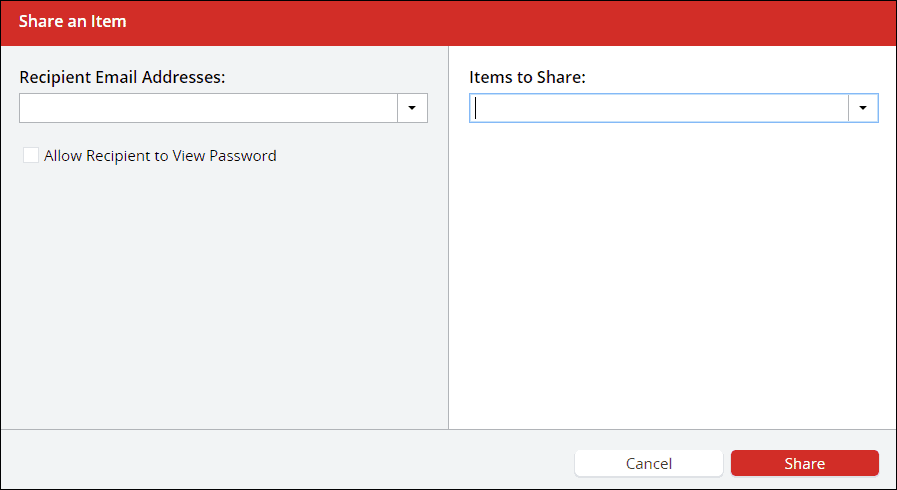
One of the key benefits of using LastPass for sharing is the option to prevent the recipient from viewing the password. Unless you permit it, they can use the login credentials without ever seeing the actual password. This adds an extra layer of security when sharing sensitive information.
Moreover, any updates you make to the shared login credentials are automatically synchronized in the recipient’s LastPass vault. This ensures that they always have the latest access details without you needing to resend updates.
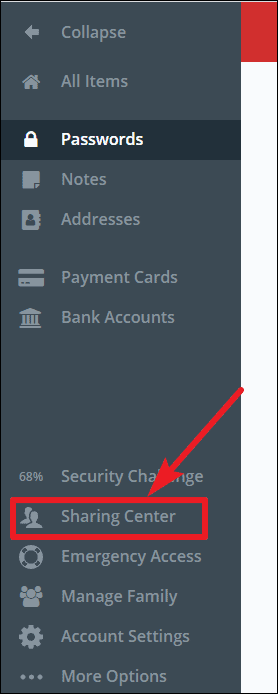
How to share a password using LastPass
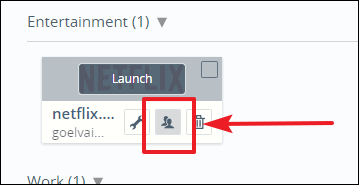
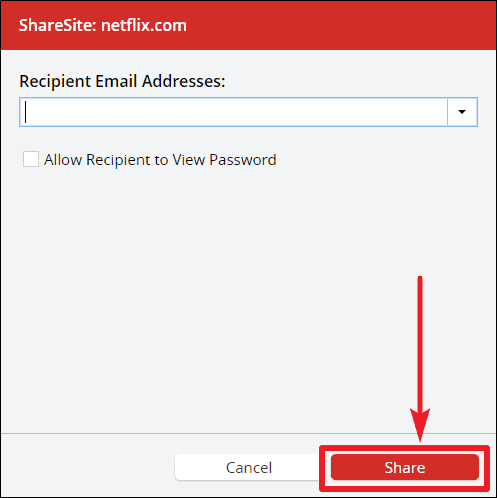
The recipient must have a LastPass account to access the shared password. If they don’t have one, they will need to create a LastPass account to use the credentials you shared.
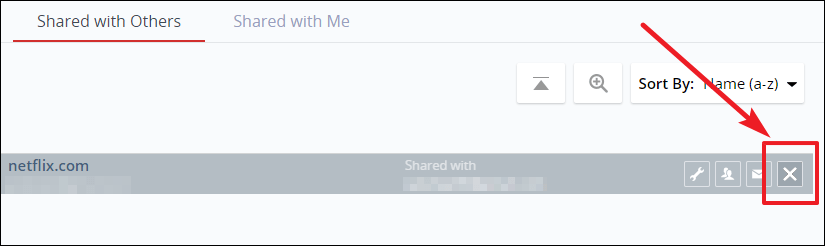
How to manage shared passwords in LastPass
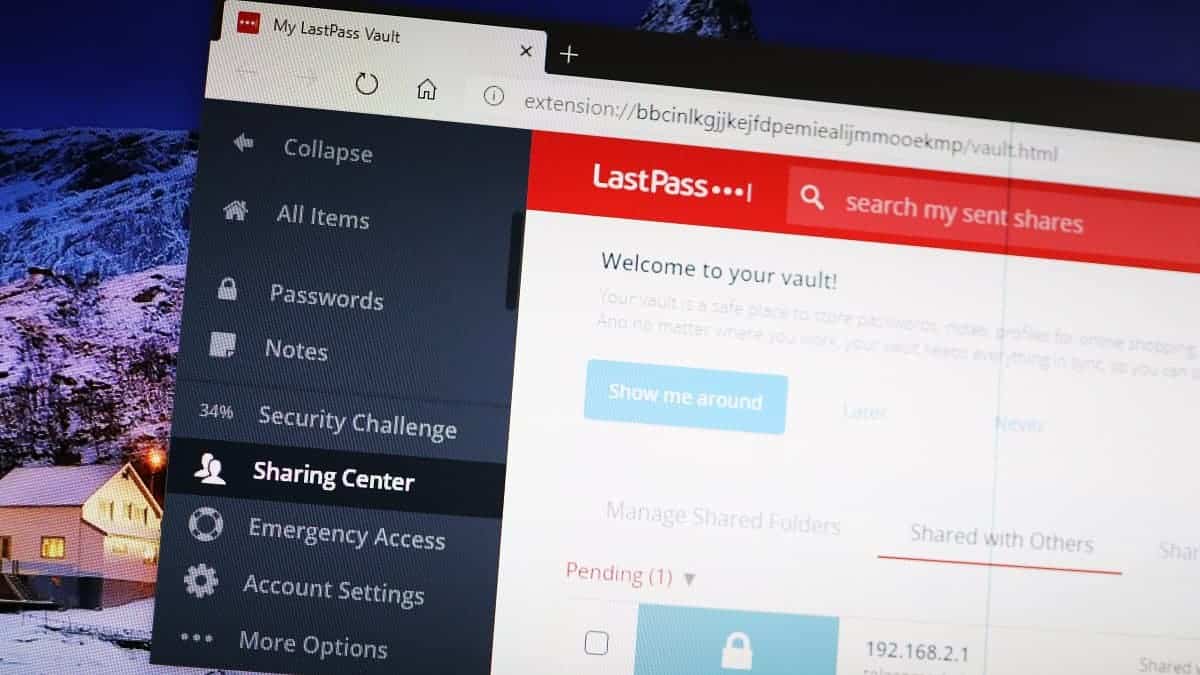
You can manage all the passwords you’ve shared, as well as those shared with you, through the LastPass Sharing Center.
While it’s best to avoid sharing passwords whenever possible, using LastPass ensures that when you do need to share, you’re doing so securely and responsibly.