
Microsoft Teams offers a versatile platform for teams to collaborate and communicate seamlessly, whether they are working remotely or in different parts of the world. With capabilities like chat, file sharing, video conferencing, and integration with various apps, it consolidates all your team’s needs into a single workspace. The free version of Microsoft Teams provides access to these features across desktop apps for Windows, Mac, and Linux, as well as web and mobile apps for Android and iOS.
How to Set Up Microsoft Teams
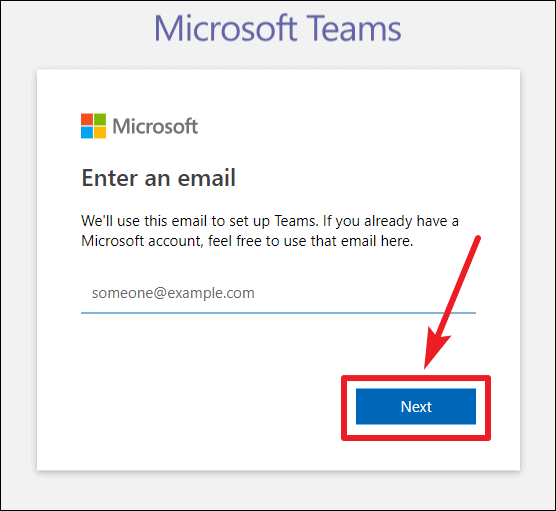
To begin setting up Microsoft Teams, navigate to teams.microsoft.com and enter your email address to create an account. If you have an existing Microsoft account, you can use that email address to sign in.
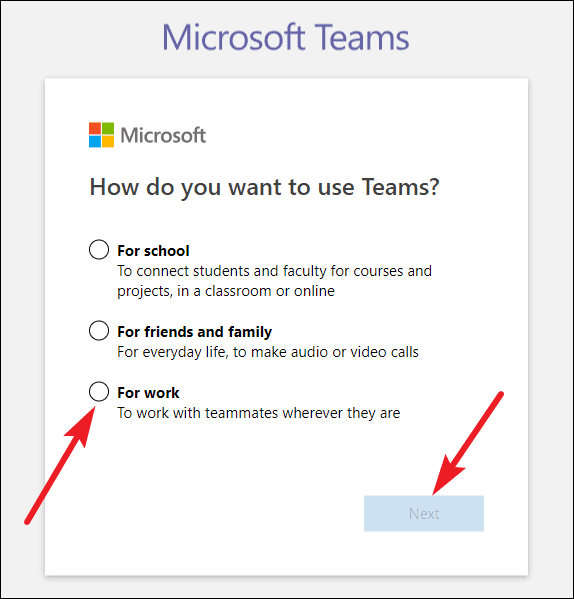
Upon proceeding, you’ll be prompted with the question, “How do you want to use Teams?” You’ll see three options: For school, For friends and family, and For work. Choose the option that best fits your intended use. To set up Teams for your workplace or organization, select For work and click on Next.
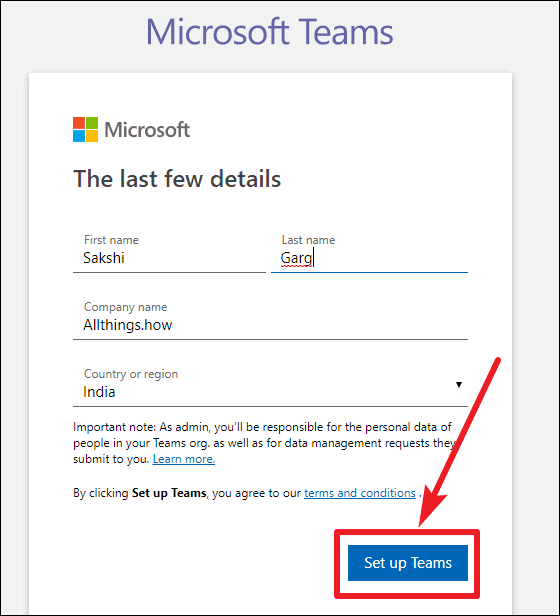
You’ll be asked to sign in using your Microsoft account. If you don’t have one, you can create a new account using the email address you provided. After signing in, enter your first and last name, along with the name of your organization. Your country or region should already be selected based on your location. Click on Set up Teams to proceed.
Microsoft Teams will now create your organization within the platform. This process may take a few moments. Once the setup is complete, you’ll be given the option to either Download the Windows app or Use the web app instead. While both options provide access to Teams’ features, downloading the desktop app is recommended for regular use, as it offers better performance for features like screen sharing.
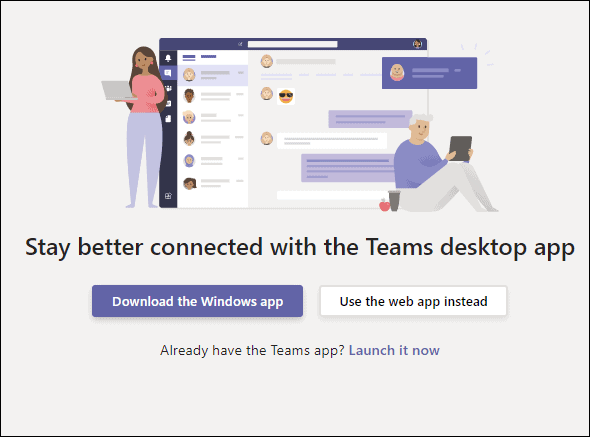
The interface and functionality remain consistent across the desktop and web apps, so you can choose the option that best suits your needs.
How to Invite People to Your Organization in Teams
After setting up your organization, you’ll receive an email from Microsoft Teams containing a link that you can share with others. This link is also displayed when you first open your Teams account and can be accessed at any time from within the app. Share this link with your colleagues or team members; when they use it, you’ll receive a request from them to join your organization.

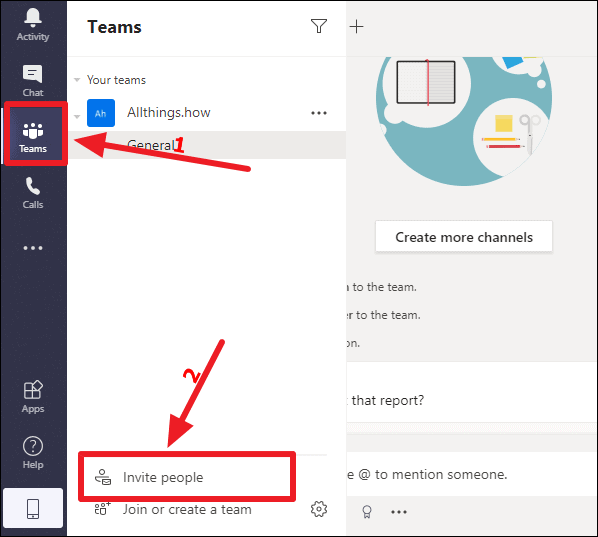
To approve join requests from your teammates, open the Teams app and click on the Invite people option. This is typically found on the bottom left corner of the app interface.
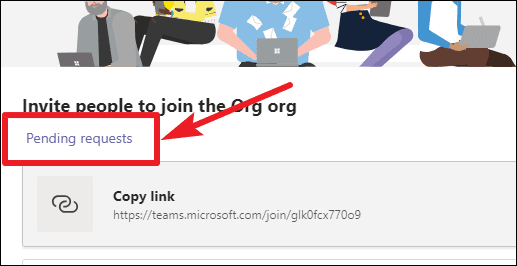
Next, select the Pending requests tab to view all incoming requests and invitations.
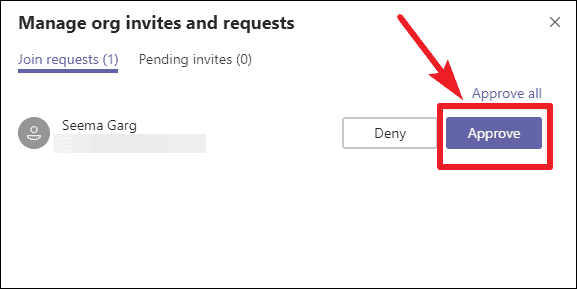
Locate the request from your colleague and click on the Approve button next to their name to add them to your organization.
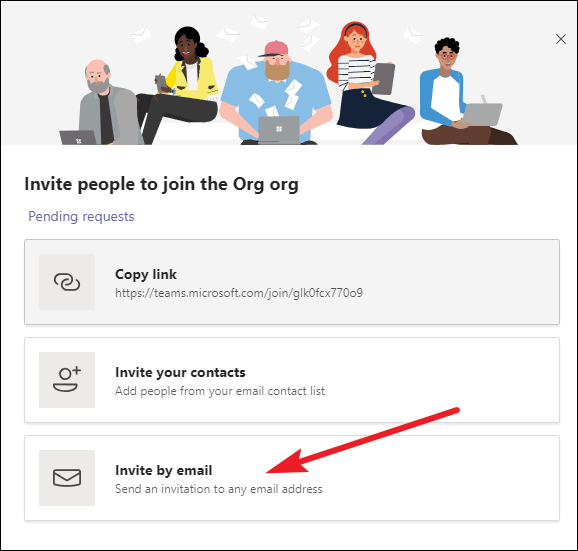
You can also invite people directly via email or from your contact list. In the Teams app, click on the Invite people option, and then choose Invite by email. Enter the email addresses of your team members and click on Send invites. These invitations will appear under the Pending invites section until they are accepted.
Your colleagues will receive an email invitation to join your organization in Microsoft Teams. When they click on the Join Teams button in the email, they’ll be guided through the process of setting up their account if they don’t have one already. Once completed, they’ll become part of your organization on Teams.

How to Use Microsoft Teams
With your organization set up and team members added, you can start leveraging the features of Microsoft Teams to enhance collaboration.
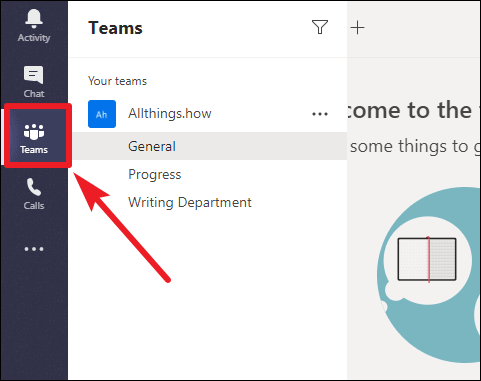
Creating Teams
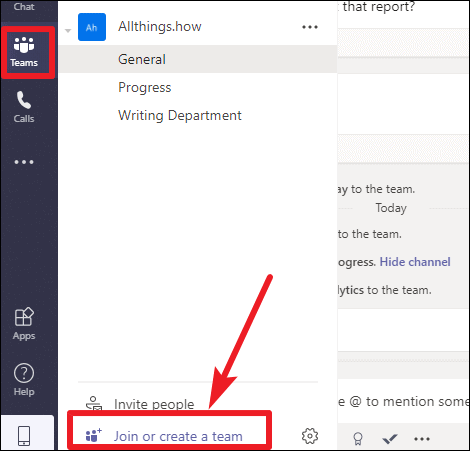
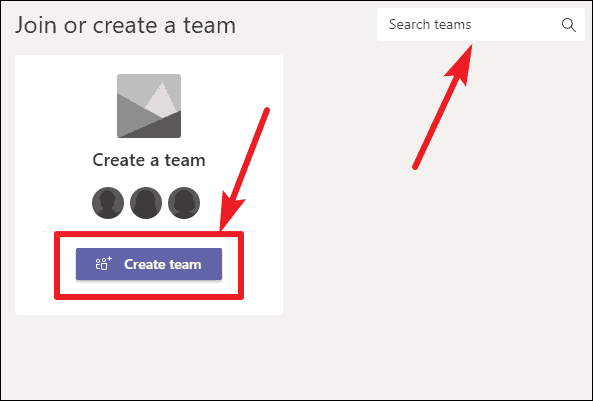
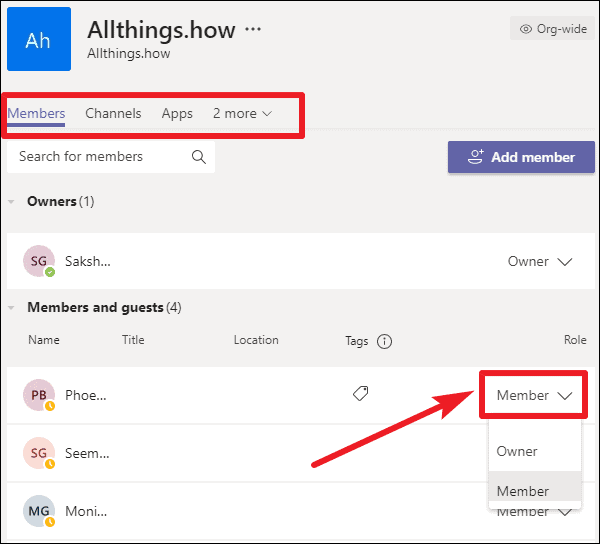
Managing Teams
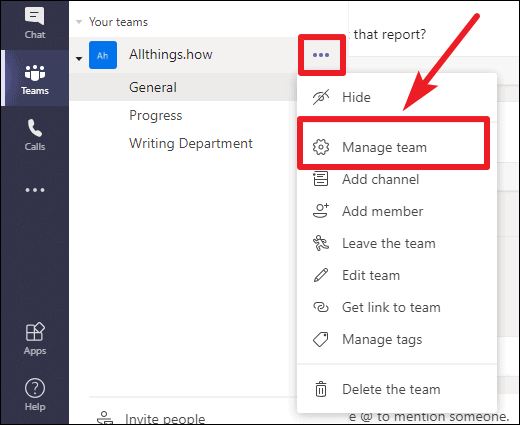
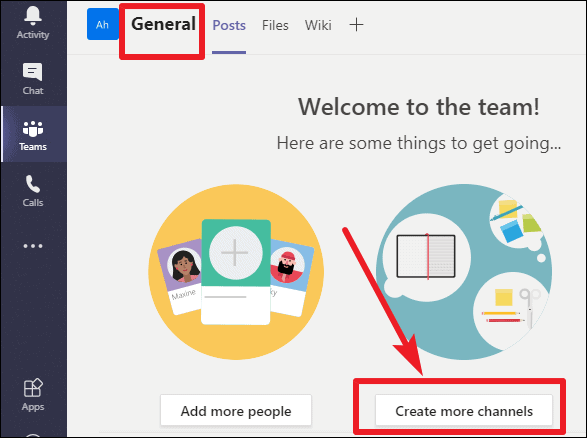
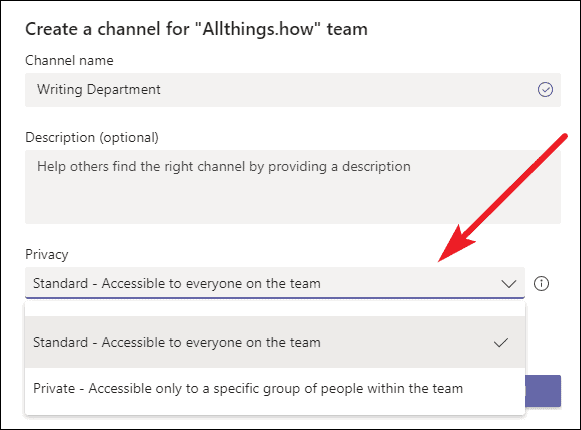
Using Team Channels
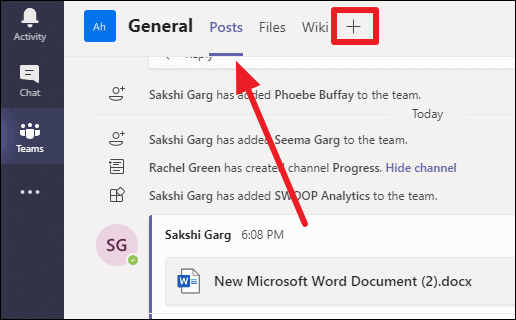
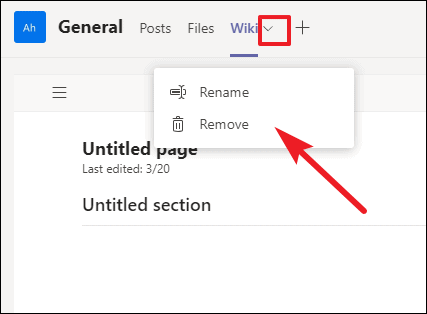
Managing Tabs in Team Channels
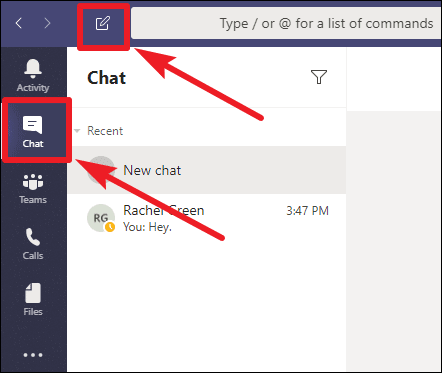
Chat in Groups or Privately
Making Audio and Video Calls
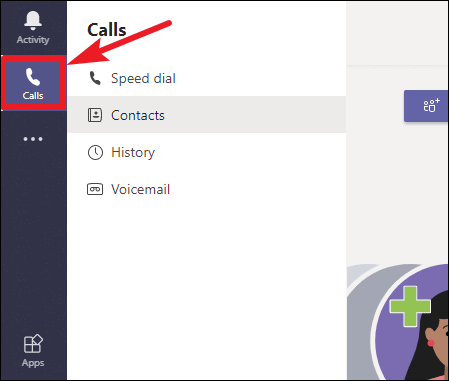
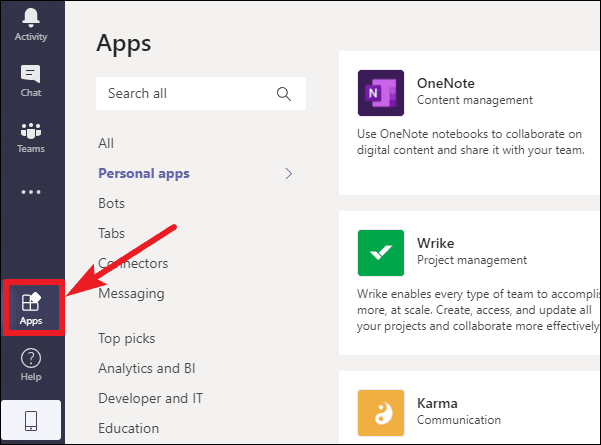
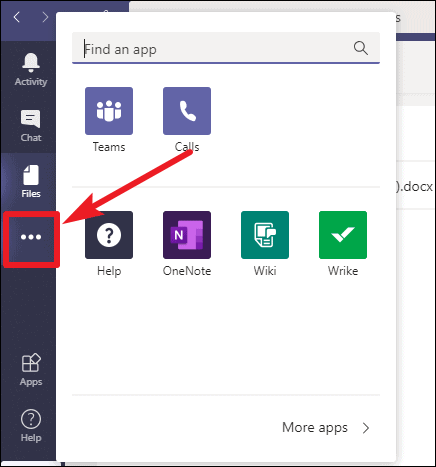
Integrating Apps and Services into Microsoft Teams
Microsoft Teams provides a comprehensive solution for team collaboration, bringing together communication, file sharing, and app integration in one platform. The free version offers a robust set of features to help your team stay connected and work efficiently from anywhere.