The Metal Gear saga was built back to front. The games that made the series famous arrived first, then nearly every later release reached further into the past, so the order you buy them in has almost nothing to do with the order events happen. Line the mainline games up by the year each story takes place and the whole thing finally reads as one continuous timeline, following Naked Snake’s rise and fall before the torch passes to Solid Snake.
Quick answer: The ten canonical mainline games run in this order by story year — Snake Eater (1964), Portable Ops (1970), Peace Walker (1974), Ground Zeroes (1975), The Phantom Pain (1984), Metal Gear (1995), Metal Gear 2 (1999), Metal Gear Solid (2005), Sons of Liberty (2007–2009), Guns of the Patriots (2014).
The full chronological order at story year
This covers only the canonical mainline entries. Re-releases, collections, and spin-offs that sit outside the main storyline are left out. One remake is the exception, and it slots directly over the game it replaces, which is covered below the table.
| Game | Story year | Release year |
|---|---|---|
| Metal Gear Solid 3: Snake Eater | 1964 | 2004 |
| Metal Gear Solid: Portable Ops | 1970 | 2006 |
| Metal Gear Solid: Peace Walker | 1974 | 2010 |
| Metal Gear Solid V: Ground Zeroes | 1975 | 2014 |
| Metal Gear Solid V: The Phantom Pain | 1984 | 2015 |
| Metal Gear | 1995 | 1987 |
| Metal Gear 2: Solid Snake | 1999 | 1990 |
| Metal Gear Solid | 2005 | 1998 |
| Metal Gear Solid 2: Sons of Liberty | 2007 / 2009 | 2001 |
| Metal Gear Solid 4: Guns of the Patriots | 2014 | 2008 |
The Big Boss era (1964–1984)
The first half of the timeline tracks a single soldier, Naked Snake, from loyal operative to the founder of a private army. His slow drift away from his mentor’s ideals explains where the Metal Gears, Outer Heaven, and the conflict with his own clones all came from.
Metal Gear Solid 3: Snake Eater (1964)
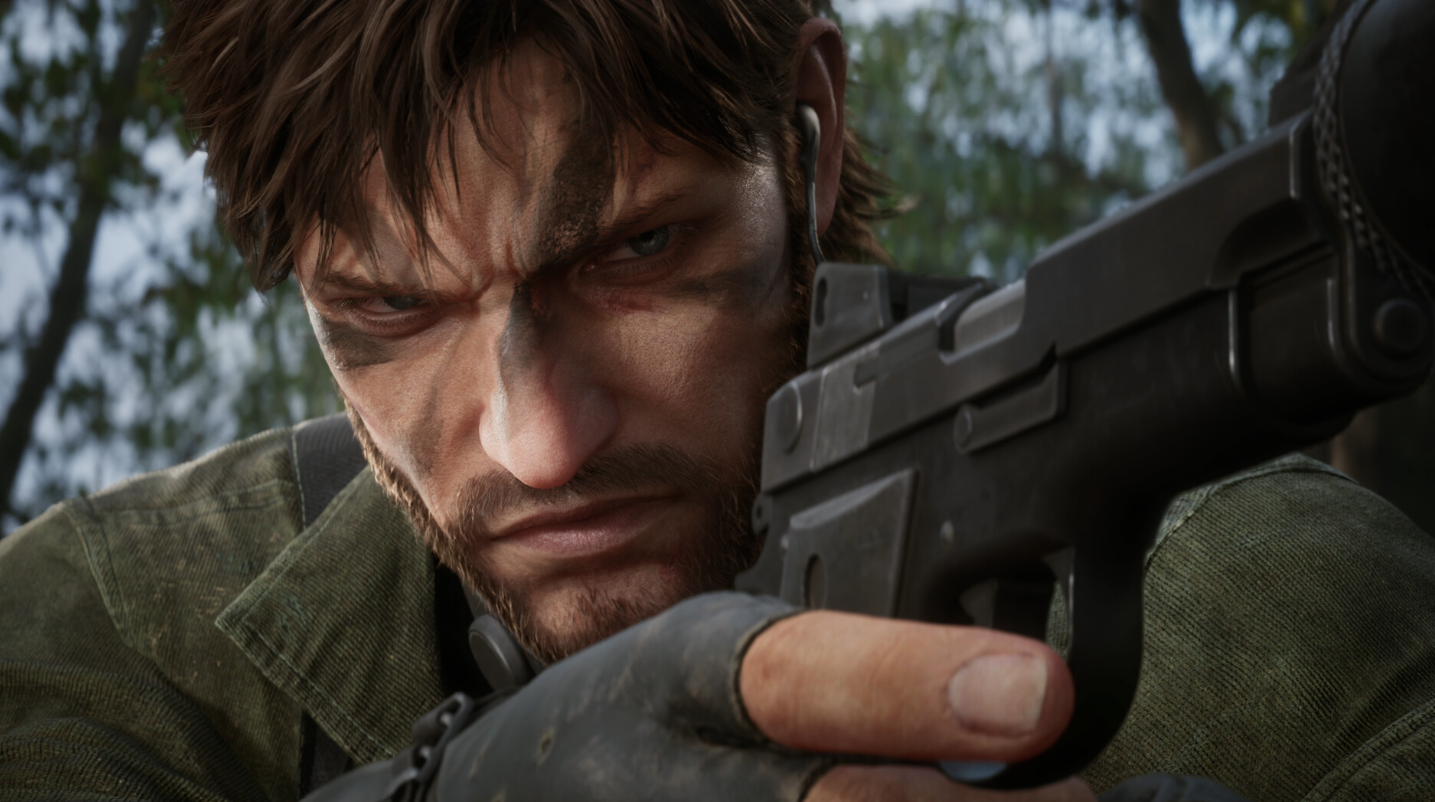
At the Cold War’s peak, the series’ chronology opens here. Naked Snake enters a Soviet jungle to retrieve a scientist who has defected and avert a nuclear disaster, but his mentor ultimately betrays him. The story lays the groundwork for organizations such as Fox and the Philosophers, while introducing the first hints of Ocelot and Eva. By the end, Snake has earned the title of Big Boss.
Metal Gear Solid: Portable Ops (1970)
Roughly six years later, Big Boss officially leaves Fox to investigate a rogue military uprising involving his former allies, which pushes him to recruit soldiers for his own mercenary force. Its canon status is debated, but several key events are confirmed as canon, and it lays the groundwork for his future as the leader of Outer Heaven.
Metal Gear Solid: Peace Walker (1974)
In Costa Rica, Big Boss expands his private army alongside Kazuhira Miller and gets tangled up in another Cold War crisis involving prototype Metal Gear units that could trigger a global war. It introduces Mother Base as a home for his forces, leans fully into the recruitment system from Portable Ops, and brings in Paz, Chico, and Doctor Strangelove.
Metal Gear Solid V: Ground Zeroes (1975)
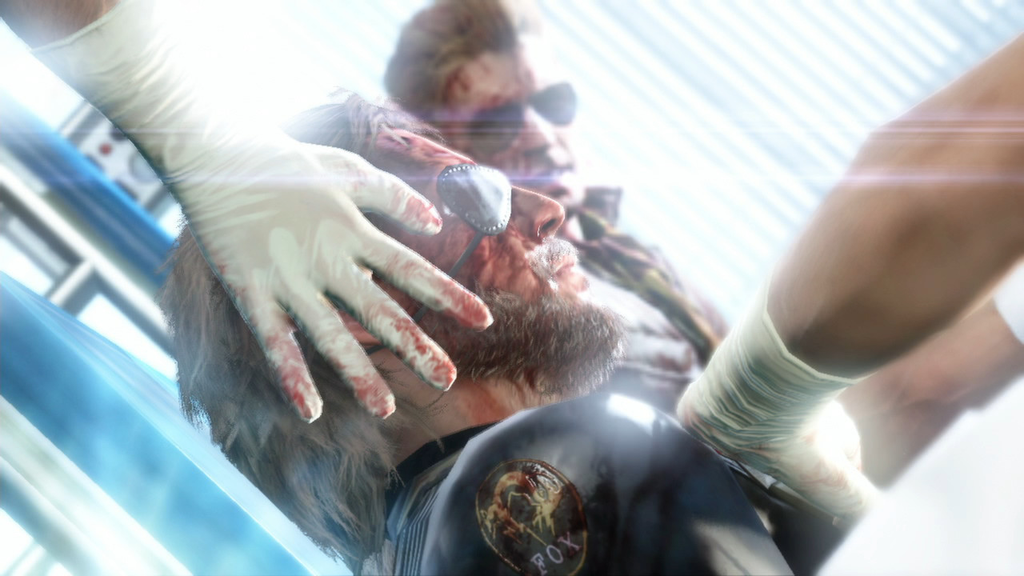
Short enough to clear in a couple of hours, this acts as a canonical prologue to the next game. The entire operation takes place inside the secret U.S. prison Camp Omega in Cuba, where Big Boss moves to rescue Paz and Chico. It ends with an attack on Mother Base that leaves him in critical condition.
Metal Gear Solid V: The Phantom Pain (1984)
Nine years after the Ground Zeroes attack, Big Boss — now going by Venom Snake — wakes from a coma and sets out to rebuild his shattered army with Ocelot and Miller at his side, hunting the man responsible. It introduces the parasite weapons that matter later and leads directly into the creation of Outer Heaven.
The Solid Snake era (1995–2014)
The timeline then jumps forward to the original 8-bit games, which sit near the middle of the chronology despite being the oldest releases. Here the focus shifts to Solid Snake and the long fallout of the Patriots conspiracy.
Metal Gear (1995)
The 1987 original introduces Solid Snake as a new Foxhound recruit long before his legend. He breaks into the fortress state of Outer Heaven to rescue a captured agent and destroy the nuclear-capable Metal Gear hidden inside, only to discover that Big Boss himself is running the operation.
Metal Gear 2: Solid Snake (1999)
Pulled out of retirement, Snake infiltrates the heavily defended Zanzibar Land in Central Asia to rescue a kidnapped scientist and destroy an evolved Metal Gear. The trail leads to the political forces funding the country and a final confrontation with Big Boss.
Metal Gear Solid (2005)
Snake is called back one more time to stop a renegade Foxhound unit that has seized the Shadow Moses nuclear facility in Alaska. The group demands the remains of Big Boss and $1 billion or they launch a nuclear strike, forcing Snake to take on genetically enhanced soldiers led by his own twin, Liquid Snake, inside 24 hours. He meets lasting allies Otacon and Meryl along the way.
Metal Gear Solid 2: Sons of Liberty (2007–2009)
The story splits across two years. It opens with Snake’s failed attempt to investigate a tanker holding a new Metal Gear before a Russian hijacking sees him branded a terrorist. Two years on, control passes to a rookie Foxhound agent, Raiden, sent into the Big Shell facility in New York to rescue the president and face a group led by Solidus Snake, all while a deeper government conspiracy unravels.
Metal Gear Solid 4: Guns of the Patriots (2014)
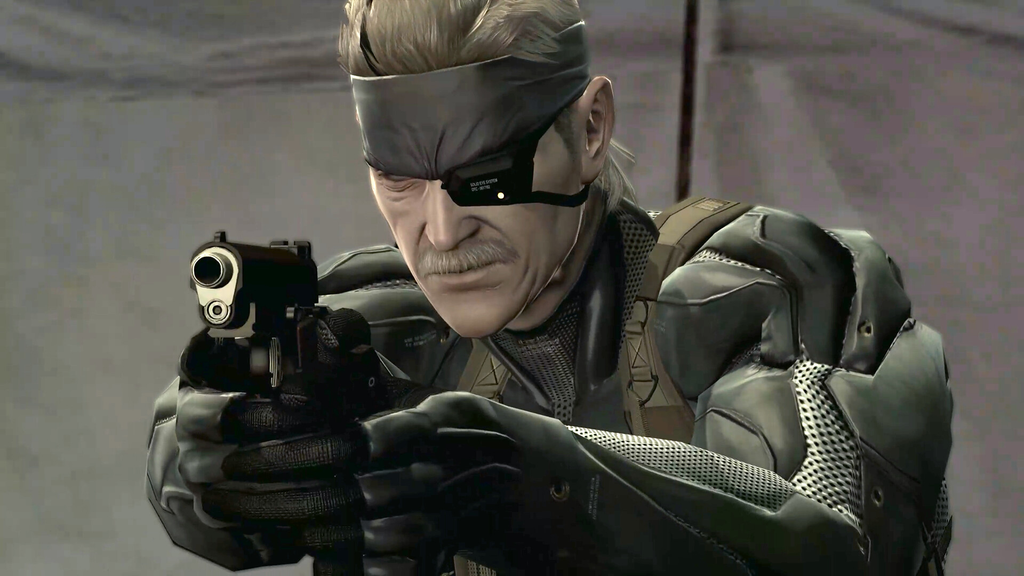
A drastically aged Snake, with roughly a year to live because of his accelerated aging, sets out to end Liquid Ocelot. Nearly every surviving character returns as Snake works to stop the Ocelot-led group from seizing control of the world’s war machine and bringing down the Patriots, even at the cost of wrecking technological civilization.
Where Metal Gear Solid Delta fits
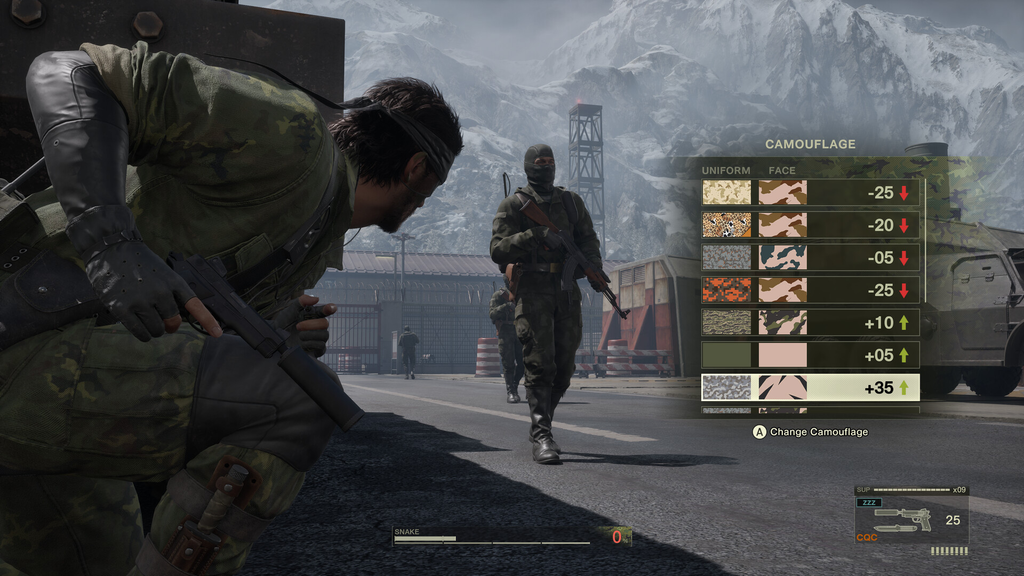
Metal Gear Solid Delta: Snake Eater reworks the original Snake Eater, retelling its 1964 plot; on the timeline, it takes MGS3’s opening slot instead of adding another entry. The 2004 script and vocal performances remain, joined by updated graphics and modern controls in the “New Style” option. Select “Legacy” to use the original top-down camera and controls.
If this is your first time through, release order is still the safer choice. The series constantly references its own past and leans on late-game twists, and playing chronologically can spoil several of its biggest reveals before you reach them.