Monster Hunter Wilds: Ascendance is the first major paid expansion for Monster Hunter Wilds, and it functions much like Iceborne and Sunbreak did for earlier games. It layers a full Master Rank tier on top of everything in the base game, adds a new floating region called the Skybound Eyrie, introduces new and returning monsters, and reworks how endgame gear and skills come together. It is set several years after the events of the main story and is planned for release in 2027 on PlayStation 5, Xbox Series X|S, Steam, and Nintendo Switch 2.
Quick answer: Ascendance is a Master Rank expansion that requires the base game, Hunter Rank 40, and completion of the 7★ assignment “Awaking From a Dream.” It adds the Skybound Eyrie, new monsters like Araketa and Gundoraja, and returning skill and talisman systems.
The story setup and the Skybound Eyrie
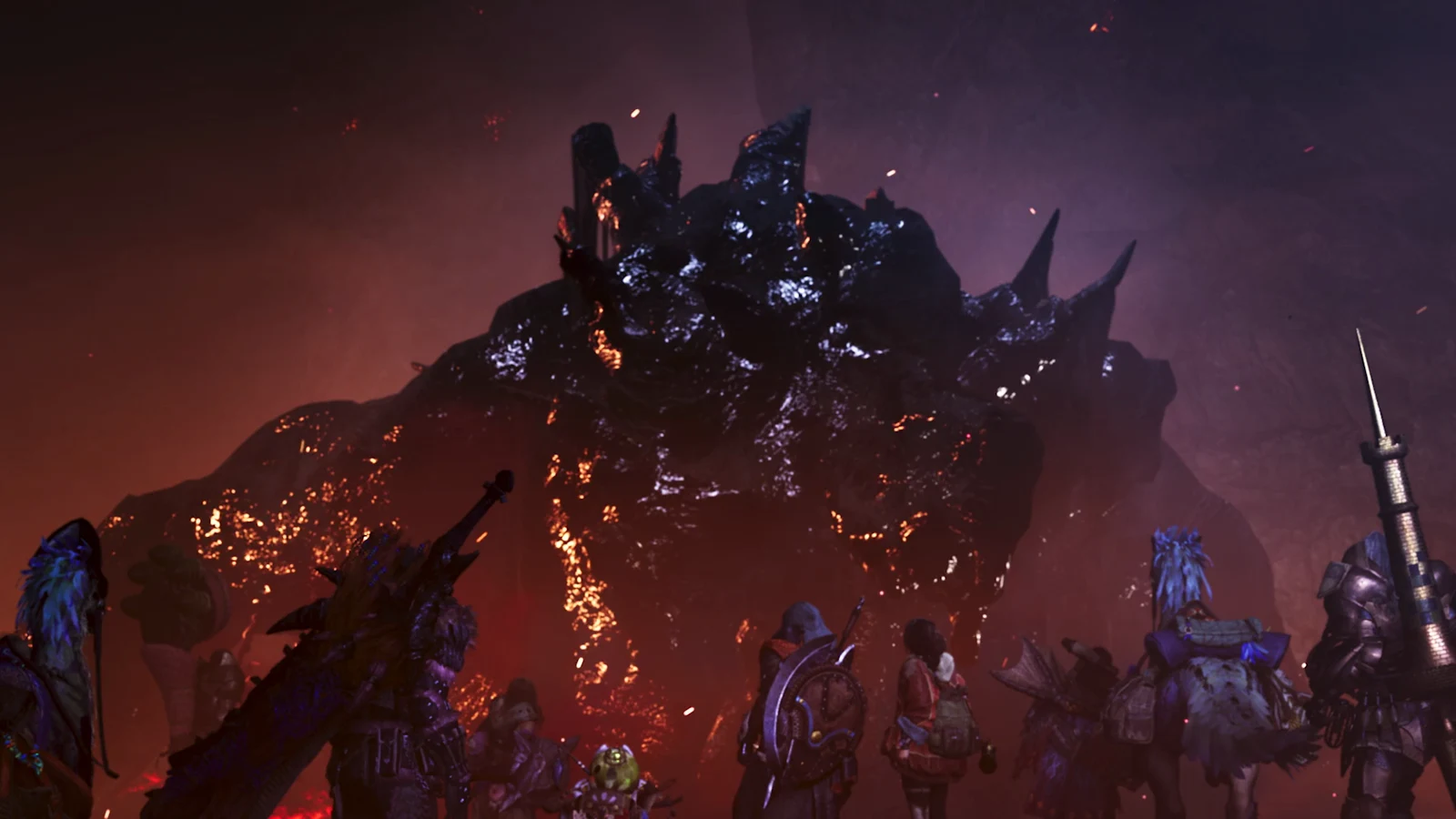
The expansion opens with the sudden arrival of the colossal Elder Dragon Lao-Shan Lung in the Forbidden Lands. The Expedition Team fights but is overwhelmed, and the story then jumps forward several years as the Guild and the people of the Eastlands build Madoi Stronghold to prepare for the dragon’s return. Familiar characters come back changed by the passage of time, including Nata, who has grown from a young Keeper into a full Hunter and now works alongside his Wudwud partner Bangard.
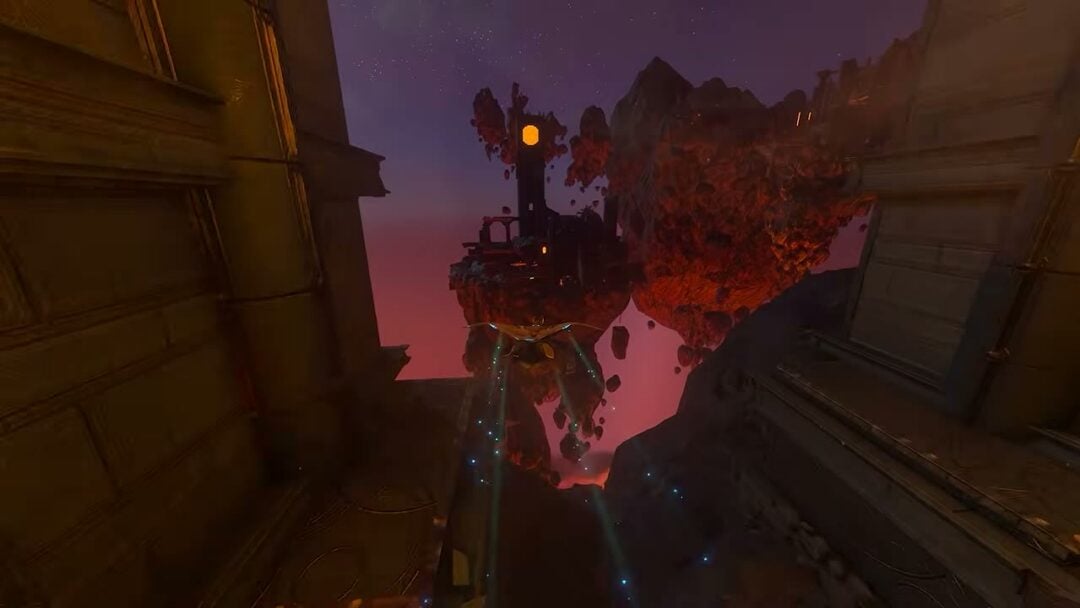
The headline new location is the Skybound Eyrie, a network of ancient ruins and floating islands that appears once the mist over Wyveria’s skies clears. It features open landscapes, stone-carved ruins, and never-before-seen endemic life, including creatures such as Gold Helmcrabs, along with environmental minerals referred to as Cosmite. Hunters reach and explore it by riding their Seikret into the sky. A central thread of the plot involves investigating ecological disturbances tied to Lao-Shan Lung’s arrival, from shifting Guardian Monster habitats to the emergence of Elder Dragons.
New and returning monsters revealed so far
Marketing points to at least eight monsters joining through Ascendance, split between entirely new creatures and returning veterans. The flagship monster has not yet been officially confirmed, and commentary on the expansion has indicated Gundoraja is not the true flagship despite its prominent role. Four have been shown clearly to date.
| Monster | Type | Status |
|---|---|---|
| Araketa | Bird Wyvern | New |
| Gundoraja | Elder Dragon | New |
| Lao-Shan Lung | Elder Dragon | Returning |
| Kushala Daora | Elder Dragon | Returning |
Araketa
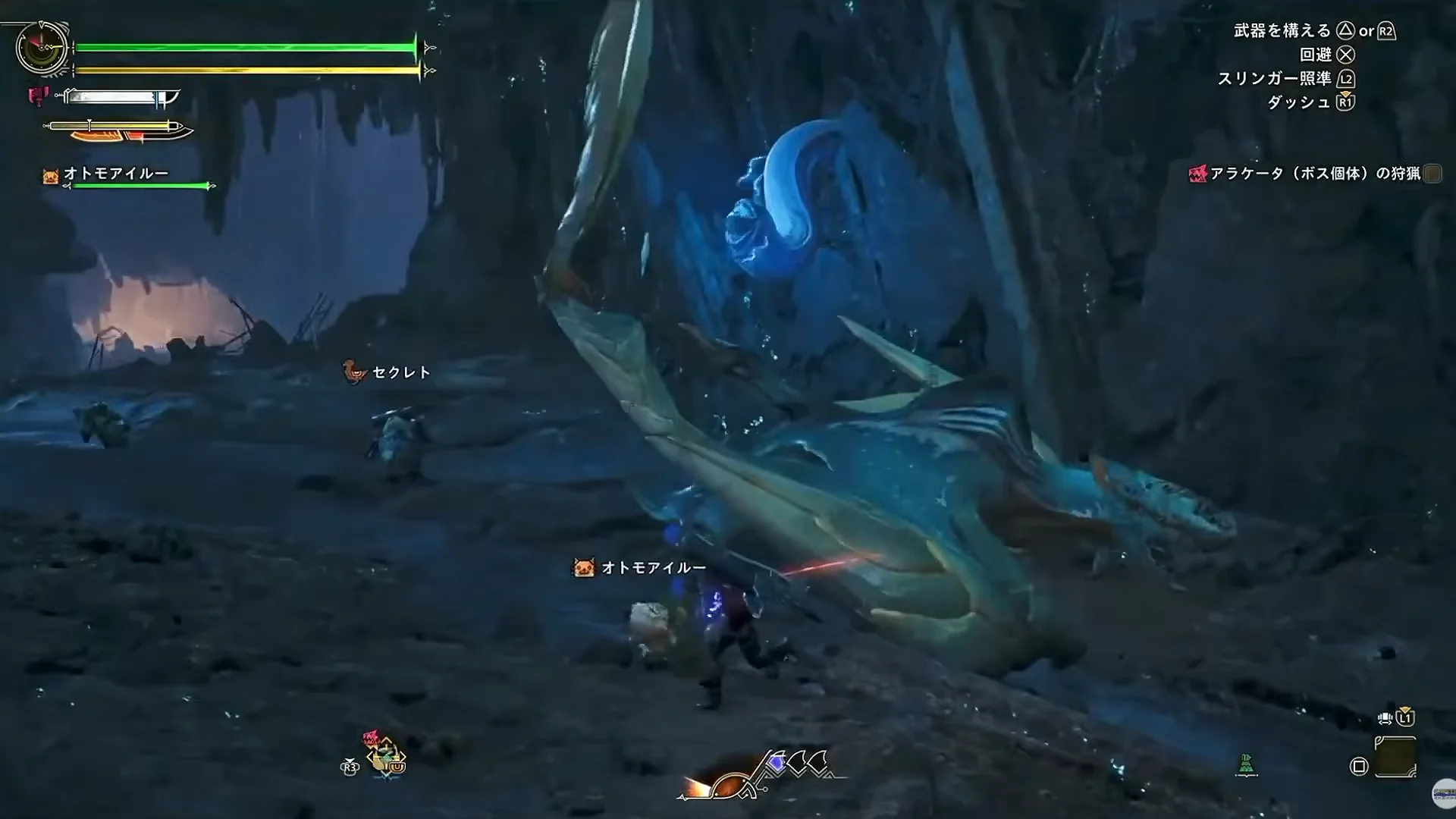
Araketa is the poster creature for the expansion and the monster shown most often. It is a large Bird Wyvern nicknamed the “Jetstream Wyvern,” able to cross the Skybound Eyrie at high speed by releasing powerful air currents from an organ in its wings. Araketa travel in packs led by an Alpha that emits distinctive calls to coordinate the group, so hunts revolve around fast, coordinated aerial dives and quick dodges or blocks.
Gundoraja
Gundoraja is a newly discovered Elder Dragon that emerges from the darkest storm clouds above the Skybound Eyrie, described as one that reigns over the heavens and bends the storm to its will. Its serpentine body and large horn set it apart from the muscular Elder Dragons the series usually builds around, and its command of clouds and lightning positions it as a major late-game threat.
Lao-Shan Lung
Returning from the very first Monster Hunter, Lao-Shan Lung is a lumbering, catastrophically large Elder Dragon that rivals past siege monsters in scale. It drives the expansion’s story, attacking Madoi Stronghold, rising onto its hind legs for heavy claw strikes, and using its long neck and jaw as a blunt weapon. Its sheer size makes it feel closer to a siege encounter than a standard hunt.
Kushala Daora
The wind-and-storm Elder Dragon Kushala Daora also returns. It shields itself with intense winds that push hunters back and knock them off balance, and it fights as an aggressive aerial opponent with metallic scales that resist some damage. It has been shown the least so far, though it does land on the ground and hurl weaponized wind projectiles.
Reworked veterans and cave hazards
Beyond the new additions, older monsters have been retuned for Master Rank. Teostra has an updated attack toolkit built around an intensified double supernova explosion, reflecting a design focus on more demanding movesets. Kushala Daora has likewise been reworked alongside it as part of a broader Elder Dragon theme.
Khezu appears in two distinct roles. In cave environments it acts as an active environmental hazard, hanging from ceilings and walls and discharging electricity while you hunt another target. It also exists as a full grounded boss fight, used to showcase the pacing of modern Master Rank encounters.
The red crystals in the Skybound Eyrie
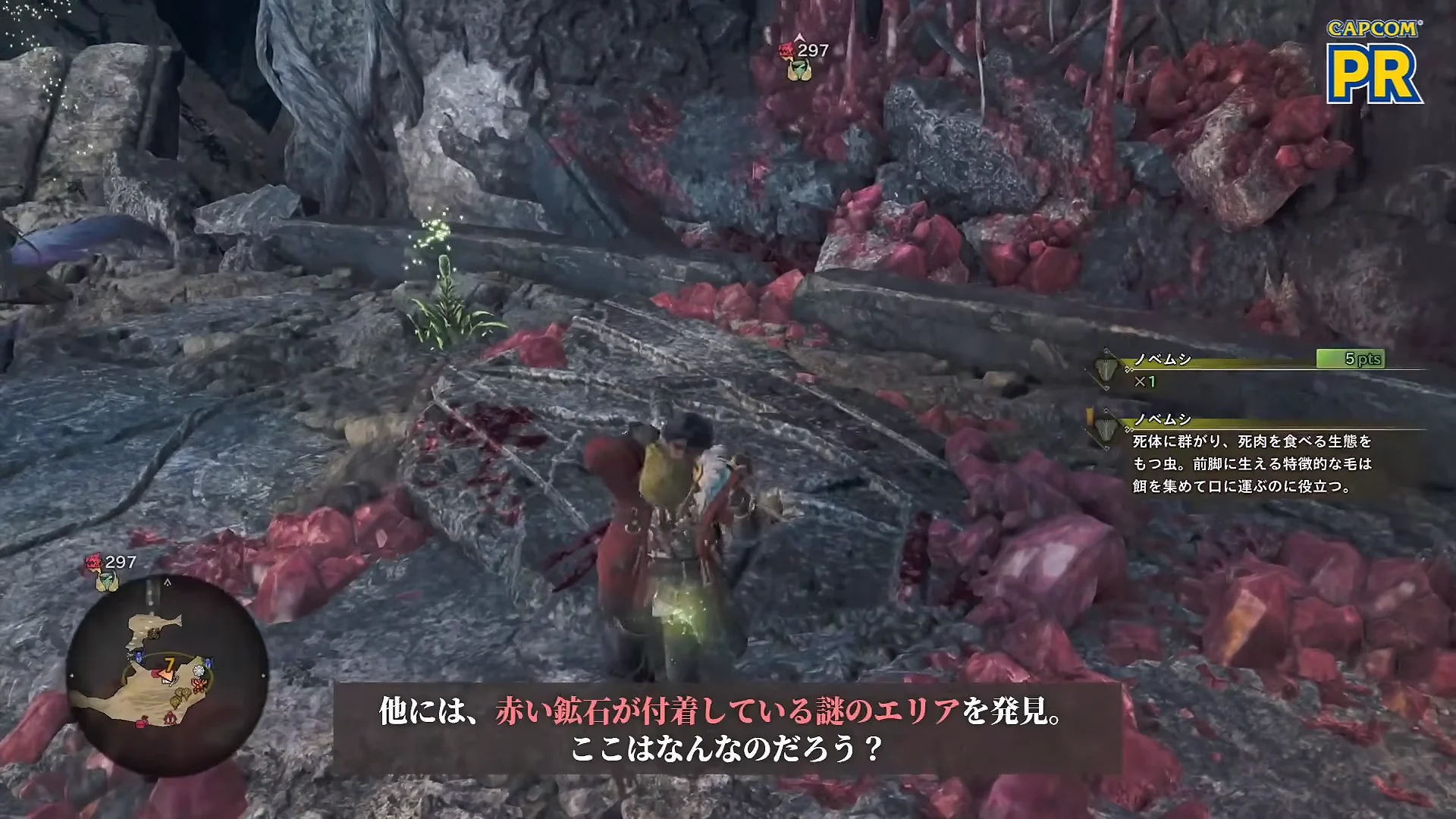
Footage of the new region shows clusters of red crystalline minerals embedded in carved stone ruins, surrounded by endemic life. The design has drawn comparisons to past monsters that used red crystal motifs, but the structures look distinct from those precedents and read more as environmental storytelling and mineral lore than a direct hint at any single creature.
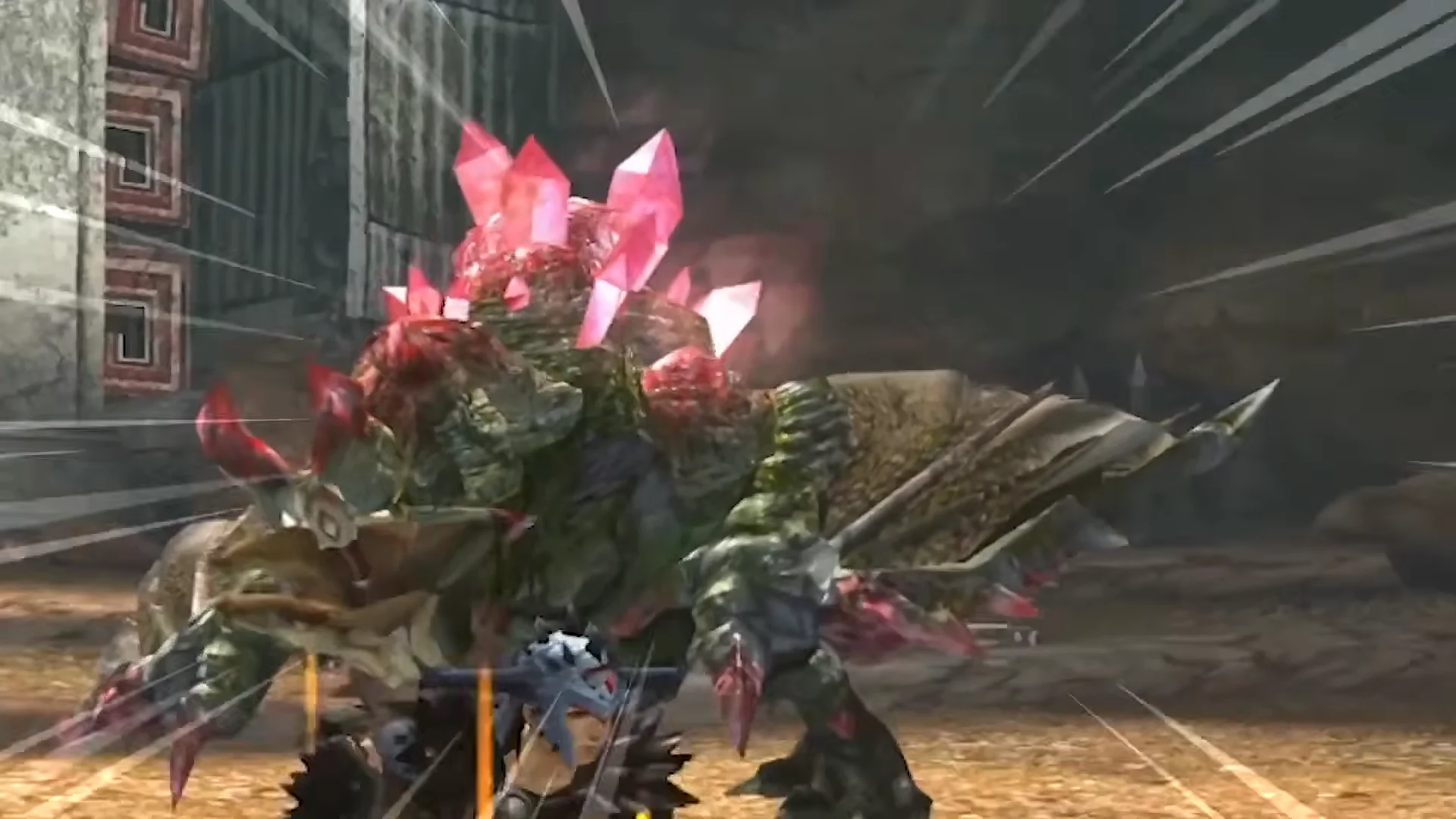
One comparison points to Ruby Basarios, whose back is studded with large pink crystals. The crystal structure on the new minerals differs noticeably, which is part of why the Eyrie formations look like their own thing rather than a returning monster’s ore.
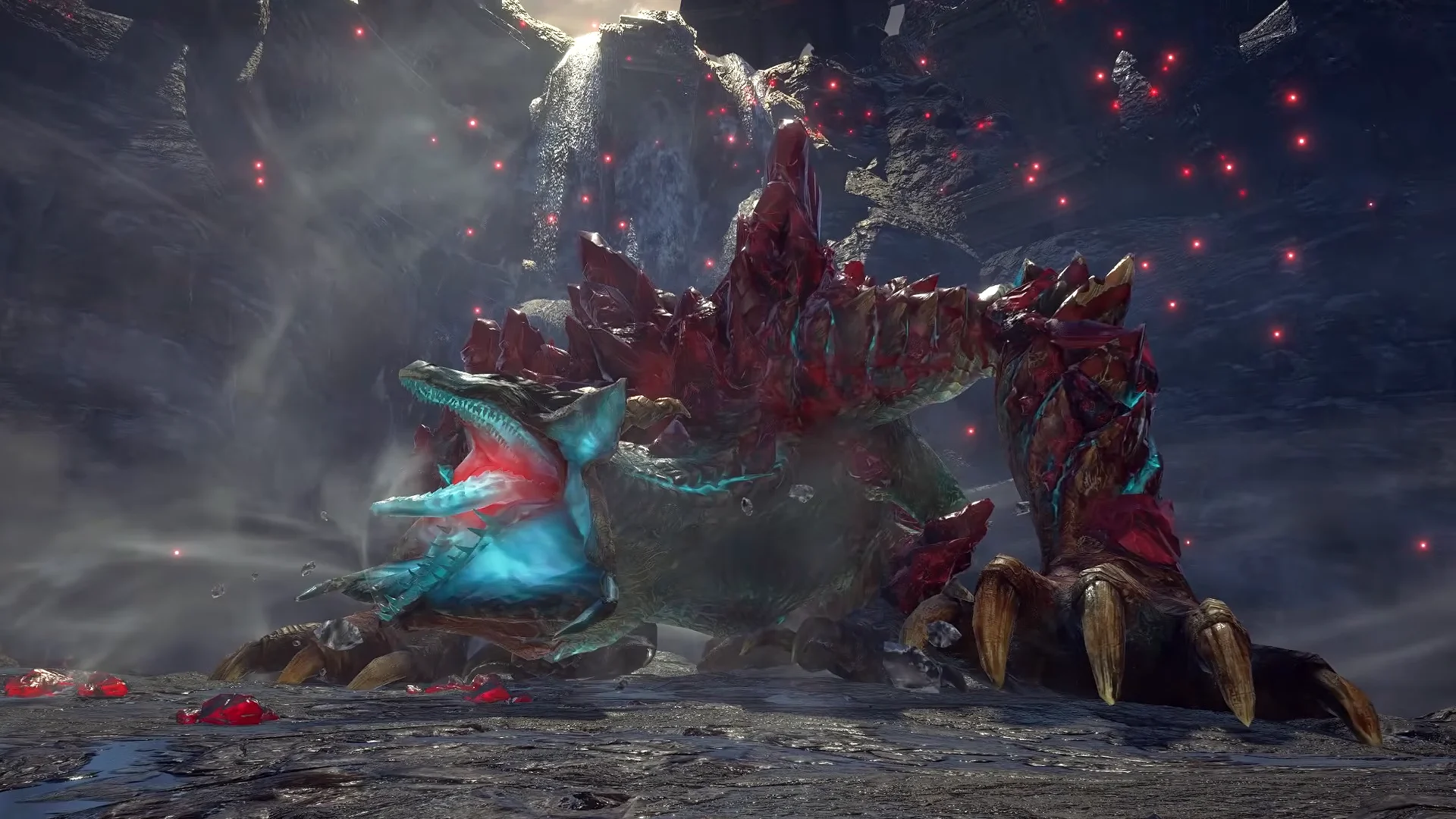
The other comparison looks to the crystalline red growths seen on Gaismagorm and Primordial Malzeno. Those are tied to established lore from a previous game, and while the color palette overlaps, the new formations still appear separate in shape and placement.
Endgame buildcraft: Skill Secrets, talismans, and loadouts
Ascendance brings back Skill Secrets, a system that lets specific skills exceed their normal tier caps. Confirmed examples include Critical Eye Secret, Agitator Secret, and Divine Blessing Secret, each shown as a low-level entry in the skills menu that unlocks higher totals than the base game allows. Equipment menus display these alongside standard skills such as Health Boost and higher Agitator ranks.
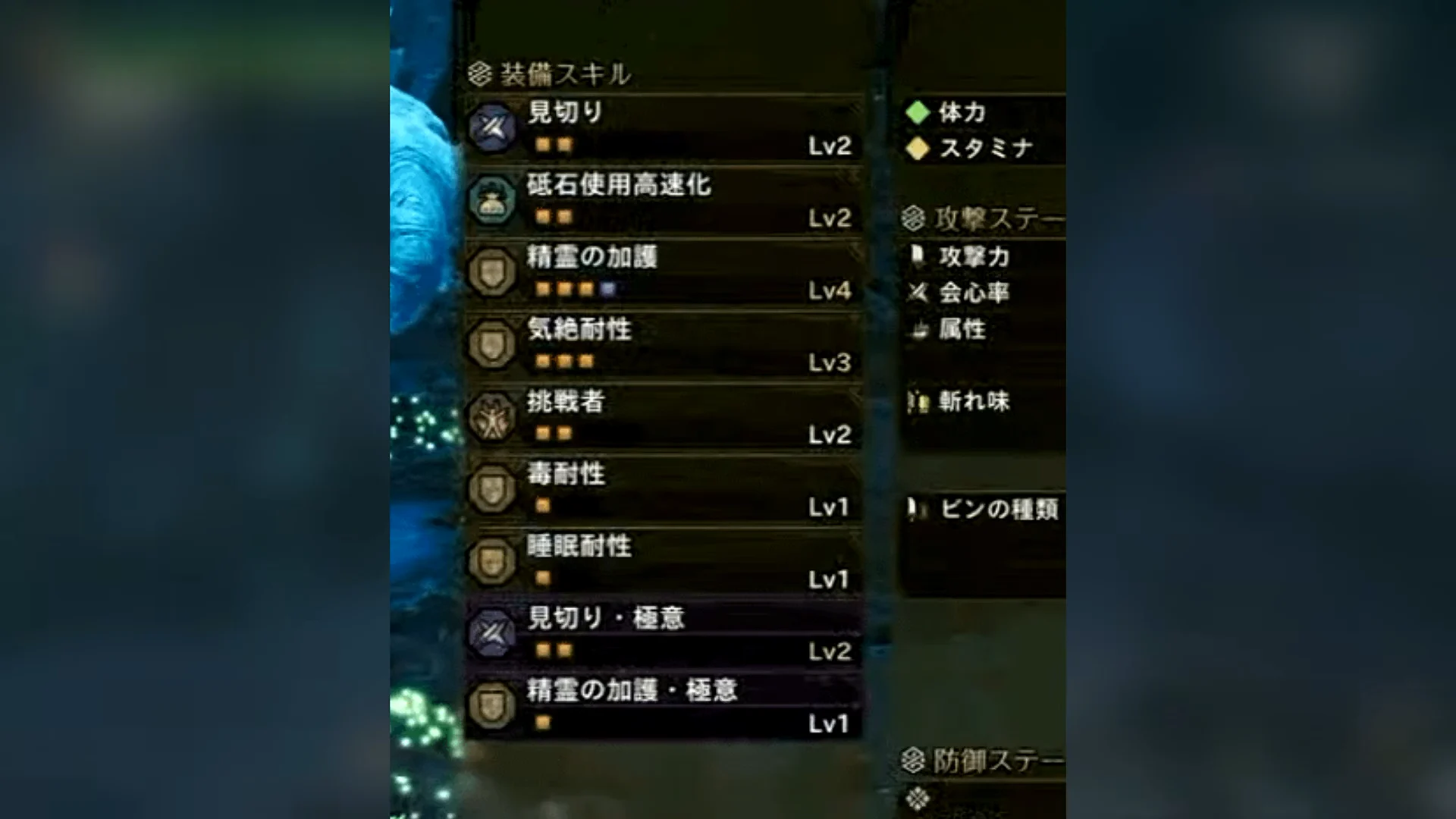
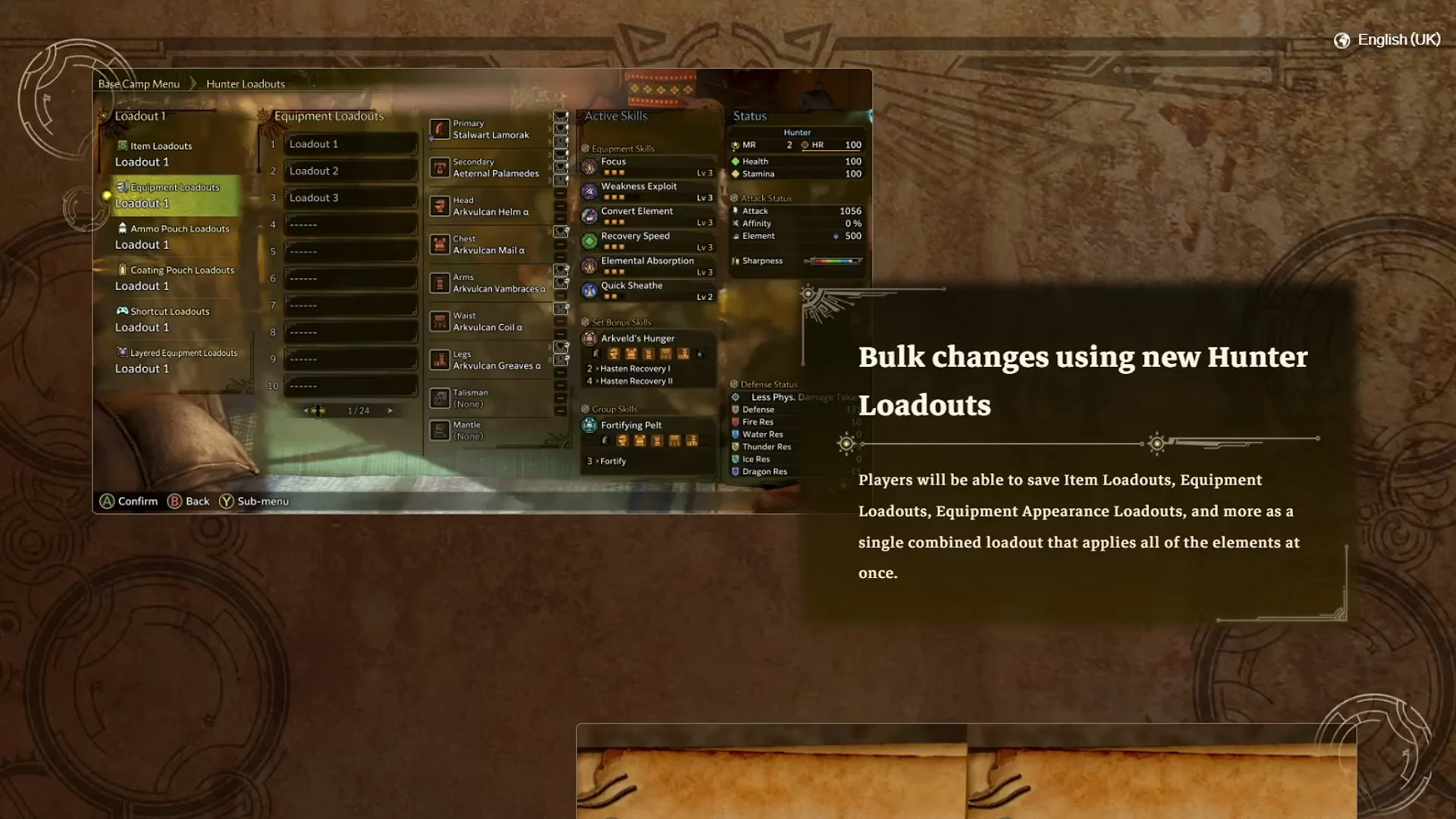
Talismans can now carry armor Set Bonuses rather than just single skills. The clearest example is Arkveld’s Hunger sitting on a talisman and activating the Hasten Recovery tiers, alongside effects like Fortifying Pelt and Fortify. That opens up mixed builds that previously required specific armor pieces to trigger a set effect.
A new Hunter Loadouts feature ties all of this together by letting you save Item Loadouts, Equipment Loadouts, and Equipment Appearance Loadouts as a single combined loadout that applies every element at once. That means you can swap your full setup, including cosmetics and consumables, in one action.
Boost Bracer and Boost Action
A new combat tool, the Boost Bracer, unlocks abilities via the Hunter’s Slinger. It briefly heightens the strengths of all 14 weapon types. Fire a powerful Boost Driver to open a gap, then press the attack while the Boost window enhances your Hunter’s abilities. The developers describe Master Rank as a tougher challenge with harder monster movesets; the Boost system provides added offensive mobility to meet that threat.
What you need to play Ascendance
Ascendance is an expansion, not a standalone release, so a copy of Monster Hunter Wilds is required. To start the new chapter and enter Master Rank when it launches, you must reach Hunter Rank 40 and complete the 7★ assignment “Awaking From a Dream.” If you have not started the base game yet, the free Monster Hunter Wilds Prologue Demo lets you create a Hunter and Palico, play the opening, and try all 14 weapon types, with save data that carries over to the full game.
Ascendance was first revealed at Summer Game Fest 2026, with the full reveal trailer shown during a September 2026 State of Play and a playable demo featuring Araketa and Teostra offered at Tokyo Game Show 2026. Capcom has not confirmed a specific release date beyond 2027, and more weapon actions and mechanics are still to be detailed ahead of launch. Full information sits on the official Ascendance site.