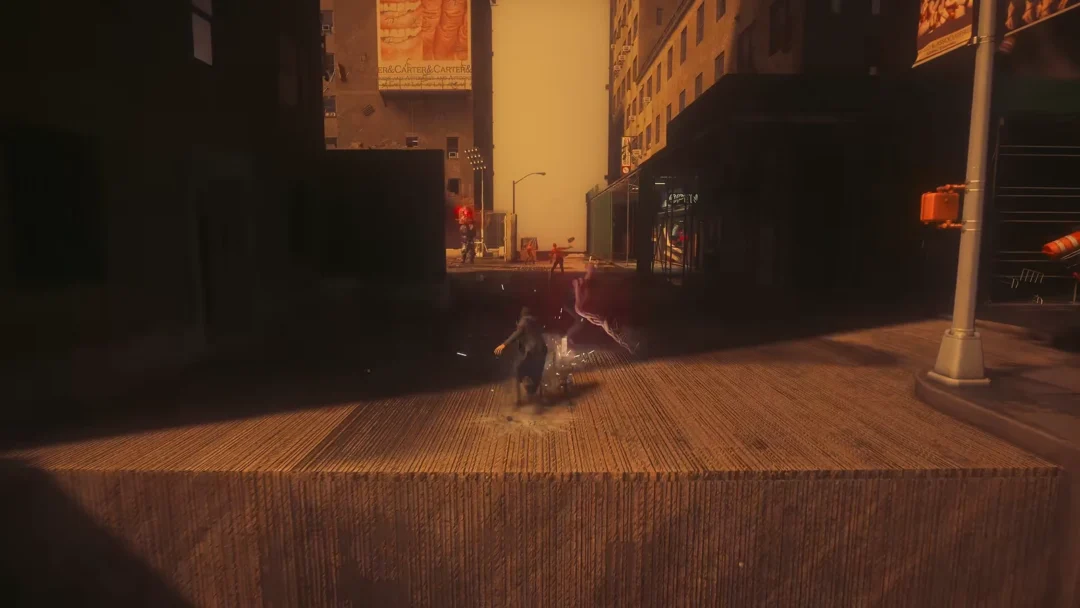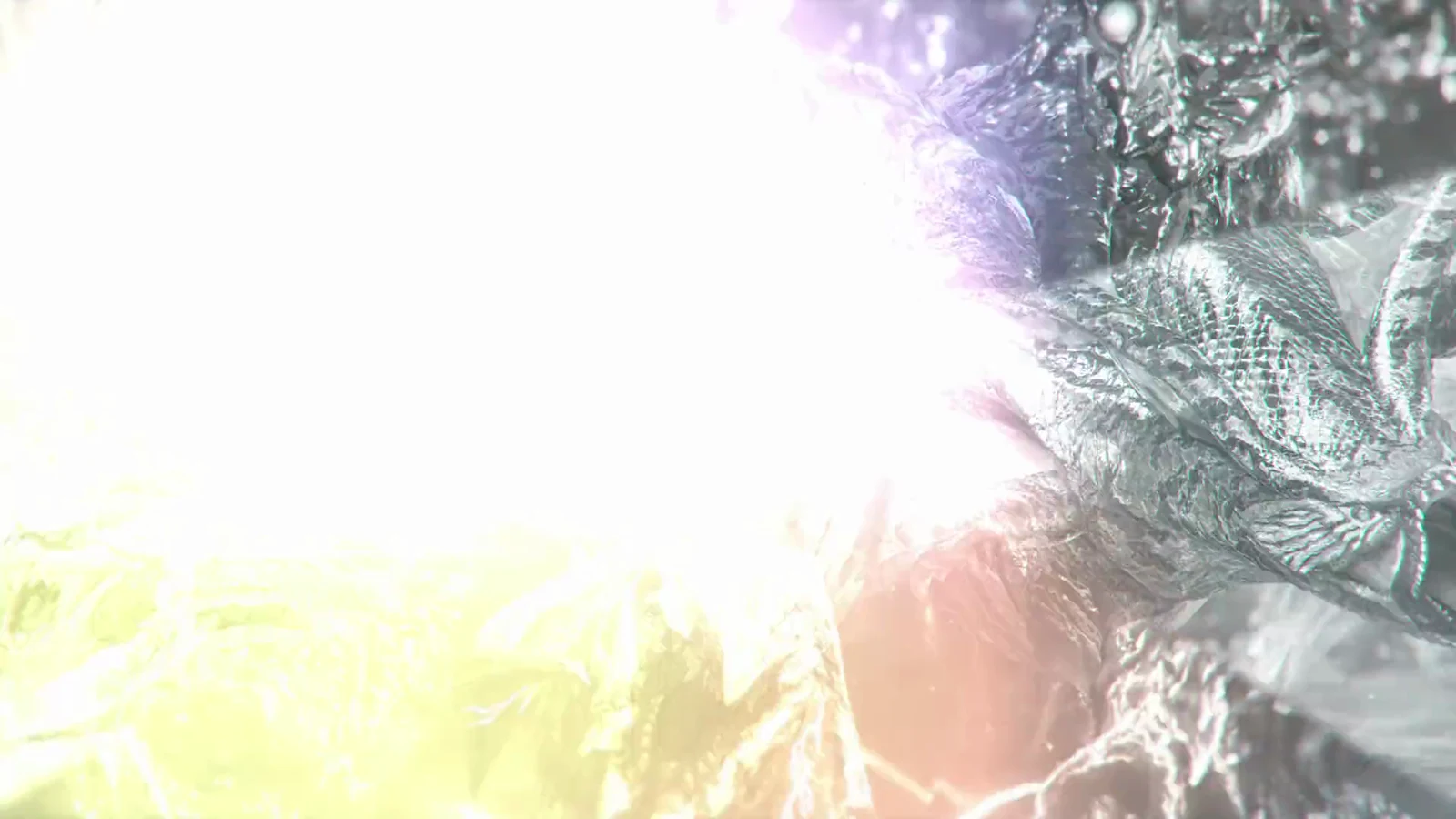
Kushala Daora is coming back yet again, and Monster Hunter Wilds: Ascendance has a reason that goes beyond nostalgia. Series producer Ryozo Tsujimoto has framed the Steel Dragon’s return as a deliberate storytelling choice, not a routine roster refill.
Quick answer: Kushala Daora returns because Ascendance centers on the Forbidden Lands’ Elder Dragons and Wyverians — themes the base game skipped — and Kushala has stood in for Elder Dragons since Monster Hunter 2.
Why Kushala Daora is back in Ascendance
Tsujimoto addressed the muted fan reaction directly during Tokyo Game Show. His explanation ties the monster to the expansion’s core theme rather than treating it as a familiar face brought back for its own sake.
Because the base game’s story left Elder Dragons and Wyverians unexplored, Elder Dragons felt like the right path. First introduced in Monster Hunter 2, Kushala Daora has since stood as the defining example of an Elder Dragon, embodying the idea itself. It is the original, making it a natural fit for Ascendance’s themes.
In short: , Kushala Daora is the shorthand for what an Elder Dragon is. If the expansion wanted to open up that side of the setting, the Steel Dragon was the natural starting point.
How Ascendance shifts toward the Forbidden Lands’ lore
Ascendance leans away from the personal arc of the base game’s main cast and toward the wider mythology of the Forbidden Lands. Tsujimoto felt the base game told a strong story but left the setting’s deeper lore mostly untouched, and the expansion is meant to correct that.
That framing matters for Kushala Daora. The monster is not just another hunt on the schedule; it is being used to unlock parts of the world that the campaign never had time to explore. The Forbidden Lands’ Elder Dragons and its ancient Wyverians are the focus, and Kushala anchors that theme. You can track the expansion’s details on the official Monster Hunter Wilds: Ascendance page.
The monsters joining Ascendance’s roster
Kushala Daora is part of a lineup that has taken shape around Tokyo Game Show and earlier reveals. The Elder Dragons carry the lore theme, while returning wyverns and new creatures fill out the hunts in the sky-bound region.
| Monster | Type | Status |
|---|---|---|
| Kushala Daora | Elder Dragon | Returning |
| Lao Shan Lung | Elder Dragon | Returning |
| Teostra | Elder Dragon | Returning, huntable |
| Khezu | Flying Wyvern | Returning |
Khezu comes back with its paralysis attacks and its unsettling extendable neck. Lao Shan Lung returns as one of the series’ colossal Elder Dragons, seen in an updated siege-style hunt where hunters defend a fortress from its path.
Kushala Daora, meanwhile, keeps the trait that made it a talking point in the first place. Its command of wind lets it toss packs of smaller monsters aside, which is exactly the kind of ecosystem-warping presence that defines Elder Dragons in the fiction.
How to reach Ascendance’s content
The expansion adds Master Rank and takes hunters to the Skybound Eyrie, a region of floating islands. Before you can access that content, you need to meet two gates in the base game.
- Reach Hunter Rank 40.
- Clear the seven-star Awaking From a Dream assignment.
Capcom is targeting a 2027 launch for Monster Hunter Wilds: Ascendance on PC, PlayStation 5, Xbox Series X and Series S, but the company has yet to announce the specific date or time.
Kushala Daora’s latest comeback landed with a shrug from part of the community, worn down by how often the Steel Dragon shows up. Tsujimoto’s explanation reframes that return as the entry point into the Elder Dragon lore Ascendance is built around, which may soften some of the fatigue once hunters see how it fits the Forbidden Lands’ larger story.