
Enemy health in Neverness to Everness has become the loudest talking point in the game’s endgame, and the argument is centered on one mode: Beyond the Rails. Bosses that used to fold in half a minute now take real time to kill, and the numbers behind that shift have turned into a running debate about whether the game is balancing itself or quietly ramping up difficulty.
Quick answer: Beyond the Rails enemy HP has been raised across patches, climbing from roughly 1.5 million to over 4.3 million on the tracked curve, so bosses no longer die in the first 30 seconds of a run.
What Beyond the Rails is
Beyond the Rails is the combat-focused endgame in Neverness to Everness. You bring teams into a series of timed chambers, clear the enemies inside, and earn Platform Seals for hitting each stage’s conditions. Every three Seals pays out rewards such as Annulith and Train Logs, the latter spent in the Otherworld Salvage Station mode shop.
The mode is split into two halves. The All-Day (permanent) route runs ten stops that do not reset, while the rotating Special route adds tougher stops that refresh with each cycle. Most stops are divided into Inbound and Outbound fights, each using a different team. You unlock the whole thing at Hunter Level 12 after completing the Norms on the Anomaly Express quest.
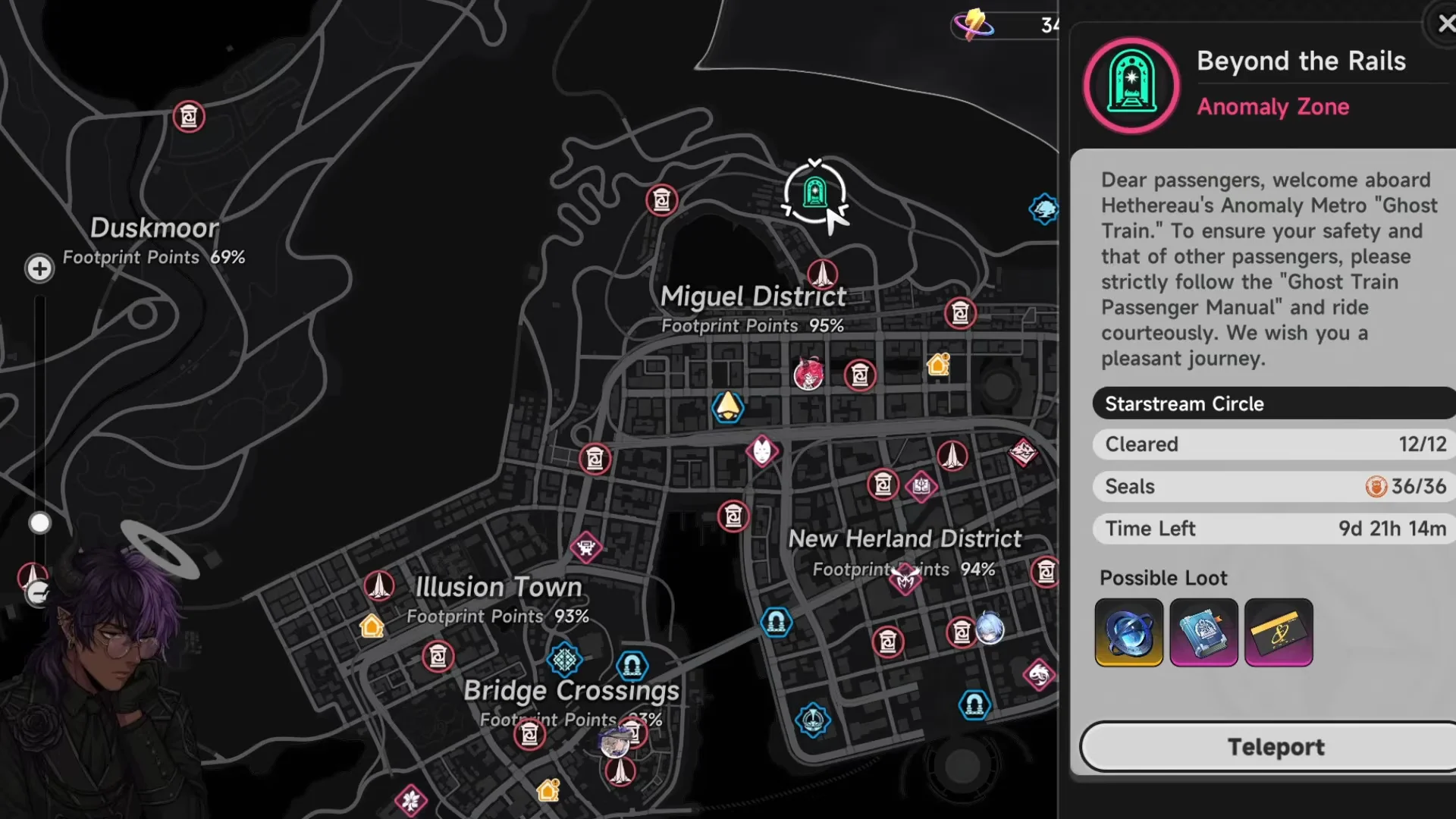
The key detail for the HP debate is the clock. Each side of a fight gives you 300 seconds to clear it, and the best Platform Seal rewards require finishing with big chunks of time to spare. That timer is what made the original health values look so low.
How far enemy HP has scaled
At launch, the numbers barely mattered. Well-built teams were clearing floors in roughly 30 to 37 seconds, which left more than four minutes on a five-minute clock. That gap is the whole reason the developer started pushing health up.
A community-tracked curve, shared widely on X, plots that growth from patch to patch. It shows boss health rising from around 1.5 million to more than 4.3 million across the update cycle. On paper that is roughly a doubling and then some, which is where the “doubled the HP” framing comes from.
| Metric | At launch | After scaling |
|---|---|---|
| Typical clear time | ~30–37 seconds | Higher, with less spare time |
| Tracked boss HP | ~1.5 million | Over 4.3 million |
| Timer per side | 300 seconds | 300 seconds (unchanged) |
The timer itself did not change. Only the enemies’ health pools did, which is why the same 300-second window now feels tighter even though the rules on paper look identical.
Why the developer raised the numbers
The case for the change is straightforward. When a boss can be burst down almost instantly, the fight stops being a fight. Higher health forces bosses to actually live long enough for their mechanics to matter, rather than dying before they act.
There is a reasonable argument that this is a correction rather than aggressive powercreep. Player builds outpaced what the mode was tuned for, so the health increases pull the endgame back toward being a challenge instead of a formality. That framing treats the launch values as the mistake, not the current ones.
Why players are frustrated
The pushback is less about difficulty and more about the type of difficulty. A steadily rising health bar does not make a fight more interesting; it just makes it longer. That is the core complaint circulating on X, where a common refrain is that the endgame needs genuinely challenging mechanics rather than bigger sponge enemies.
Accounts including @Redelexe and @Scryptor have weighed in on clear speeds and health inflation, and a graph from @John_Ceadle tracking the curve from the first patch onward has been passed around as shorthand for the whole issue. The friction is that HP-only tuning reads as the laziest lever a developer can pull, even when the underlying goal is defensible.
The Spotted Butterfly and Floor 11
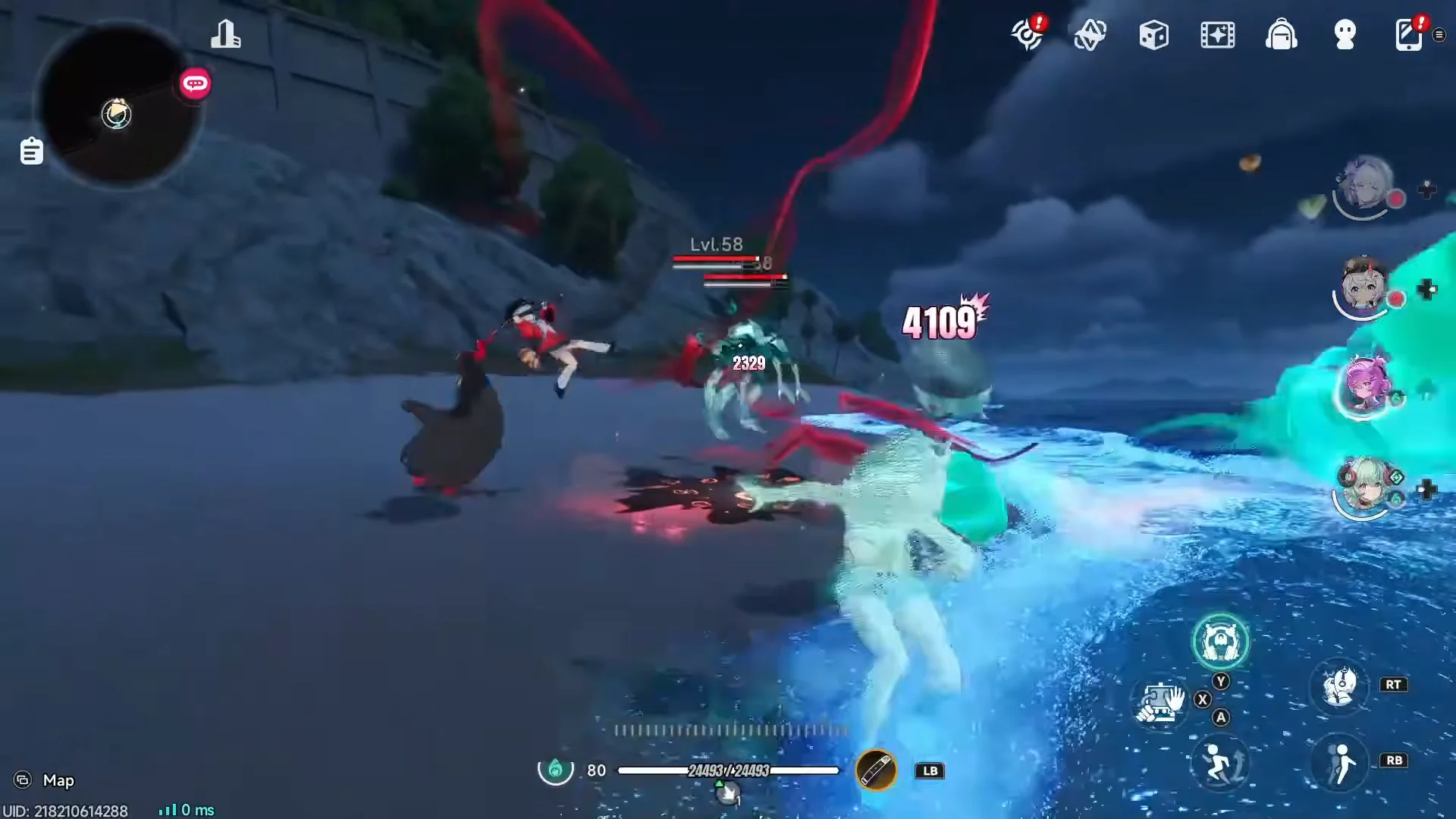
One fight anchors a lot of the complaints. The eleventh-stop boss, Spotted Butterfly (the Swallowtail, at Level 80), has an airborne and underground phase where it becomes invulnerable. During that window it also stalls the timer’s usefulness, because you cannot damage it unless you parry or stun it out of the phase.
That is the interaction players actually want more of: a mechanic that demands a response, not just a larger health bar. When health rises but the invulnerability windows stay the same, the run drags without becoming more skillful.
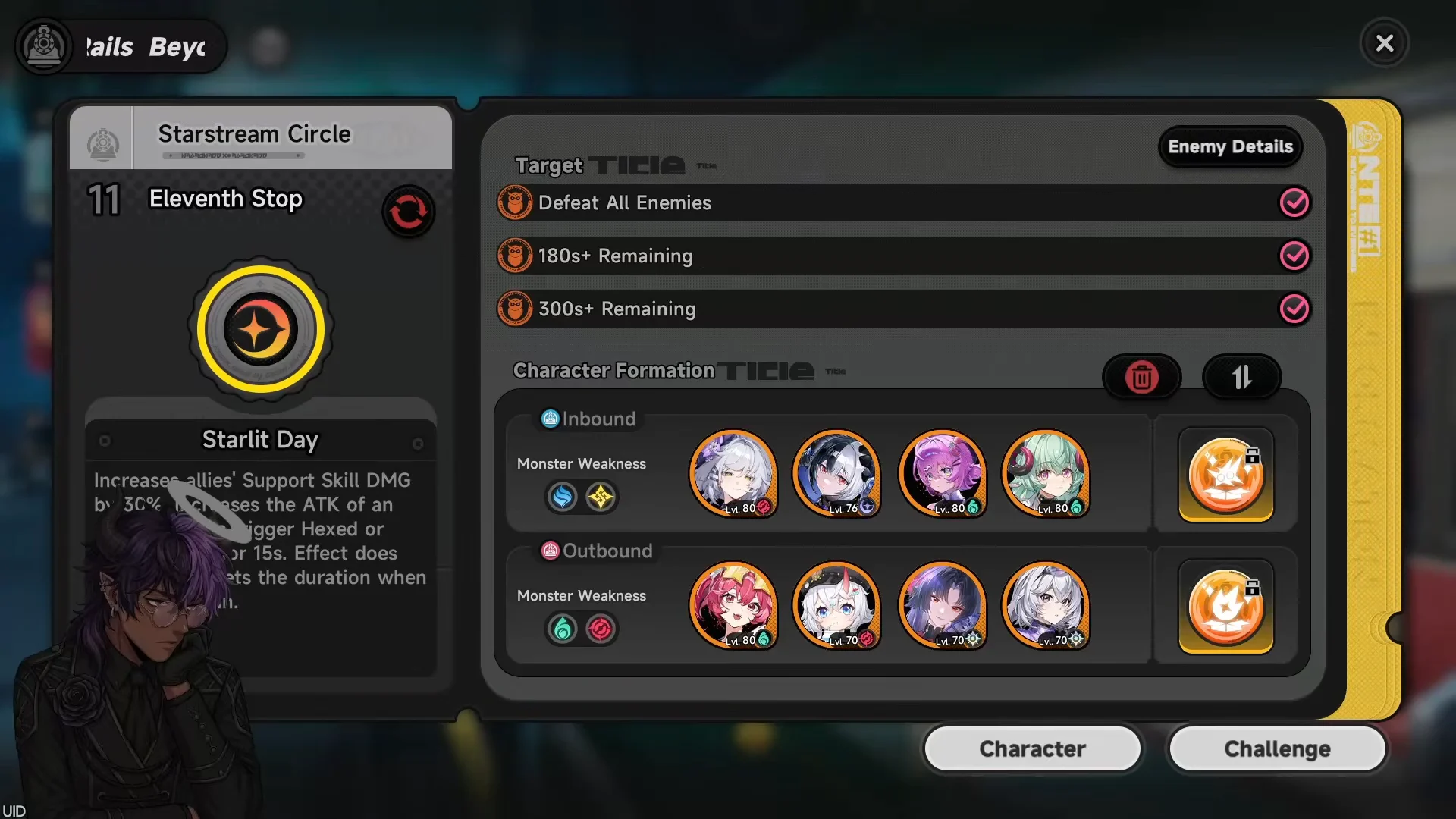
The eleventh stop pairs the Swallowtail with a Debt Collector, both at Level 80, under the Starlit Day stage buff that boosts allies’ Support Skill damage and ties into the Hexed and Scorch Esper cycles. Its Platform Seal thresholds ask for finishes with 180 and 300 or more seconds remaining, which is where the raised health starts to bite.
Elements and the banner system soften the blow
Two things keep the current tuning from feeling punishing. First, team composition still does not require matching an enemy’s elemental weakness. Off-element teams can clear every timer threshold in the endgame right now, so you are not forced to build a specialized roster for each stop.
Second, the gacha is unusually generous. Neverness to Everness uses a 100% guaranteed banner with no 50/50, meaning you always get the featured character rather than risking a loss. That reliability is the strongest counterargument to the powercreep worry: if getting the units you want is dependable, rising enemy health is easier to keep pace with.
The Prydwen tier list reflects that generosity too, with nearly the entire roster landing between T0 and T1.5. When almost everything performs, the pressure to chase a single meta unit drops, and higher HP becomes a shared hurdle rather than a paywall.
Where the game actually stands
Some of the louder claims around the controversy have not held up. Community Notes have pushed back on assertions that the Asian player base is collapsing, pointing to a Steam concurrent count sitting stable at around 3,000 with roughly 83% positive reviews. Revenue comparisons against other titles have also been floated, but the health debate has not translated into a measurable player exodus.
What comes next is where the real test lands. A major update, Hukaland, is planned for version 1.4, and how it handles endgame difficulty will decide whether the studio keeps leaning on health values or finally adds the mechanical depth players keep asking for. For now, the numbers are up, the timer is the same, and the community is watching to see which direction the balancing goes.