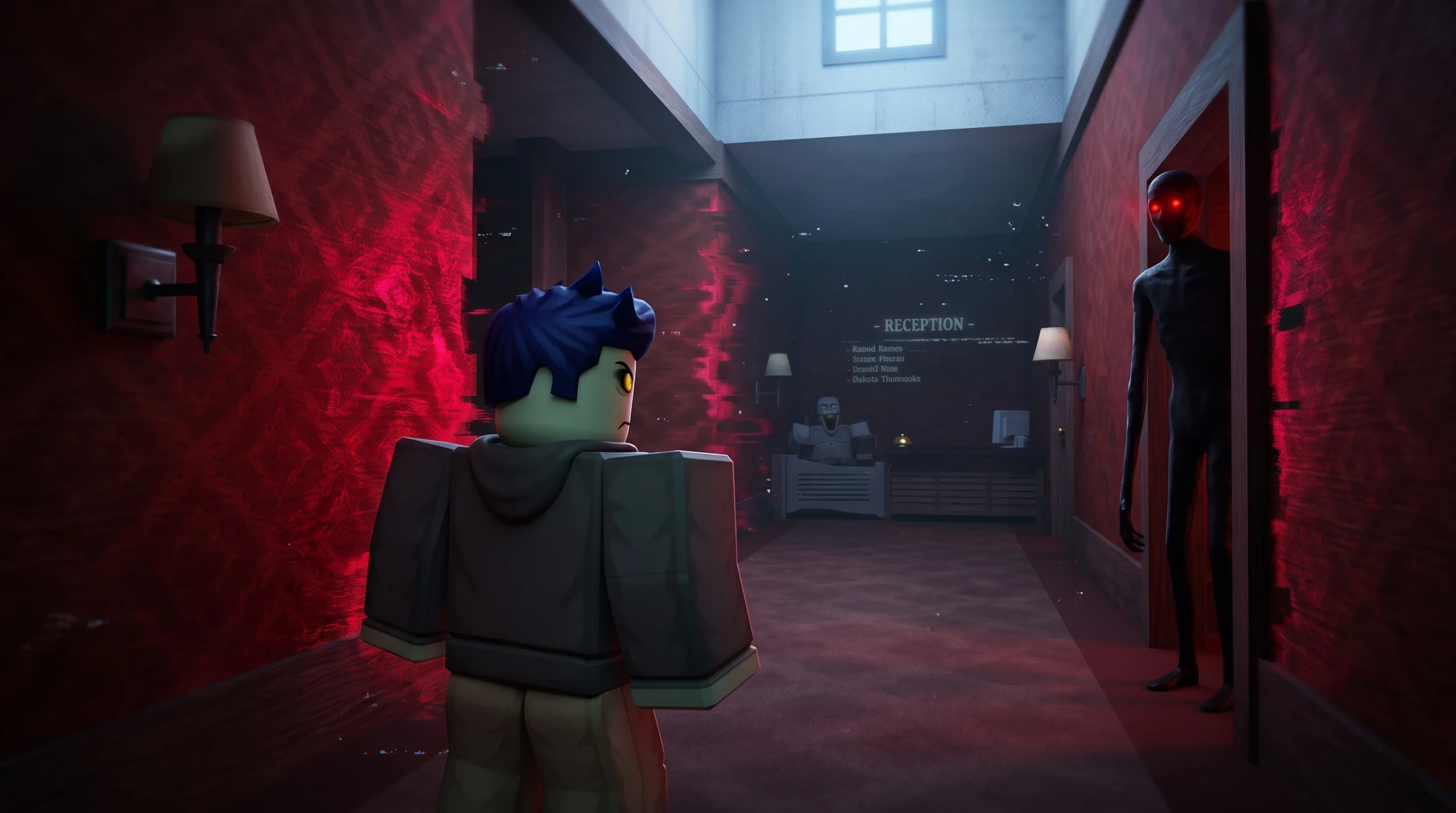
Night At The Infirmary does not send monsters chasing you down a corridor. The threats are the patients themselves. You work a solitary night shift at a reception desk, and figures arrive one by one asking to be admitted. Most are ordinary. Some are anomalies wearing a normal appearance, and admitting one is what ends your run. Your job is to tell them apart before the door opens.
Quick answer: The “enemies” are anomaly patients. You identify one by checking the same visitor across three layers — the live window, a printed photo, and the CCTV feed — and rejecting anyone whose details fail to match by closing the security shutter instead of admitting them.
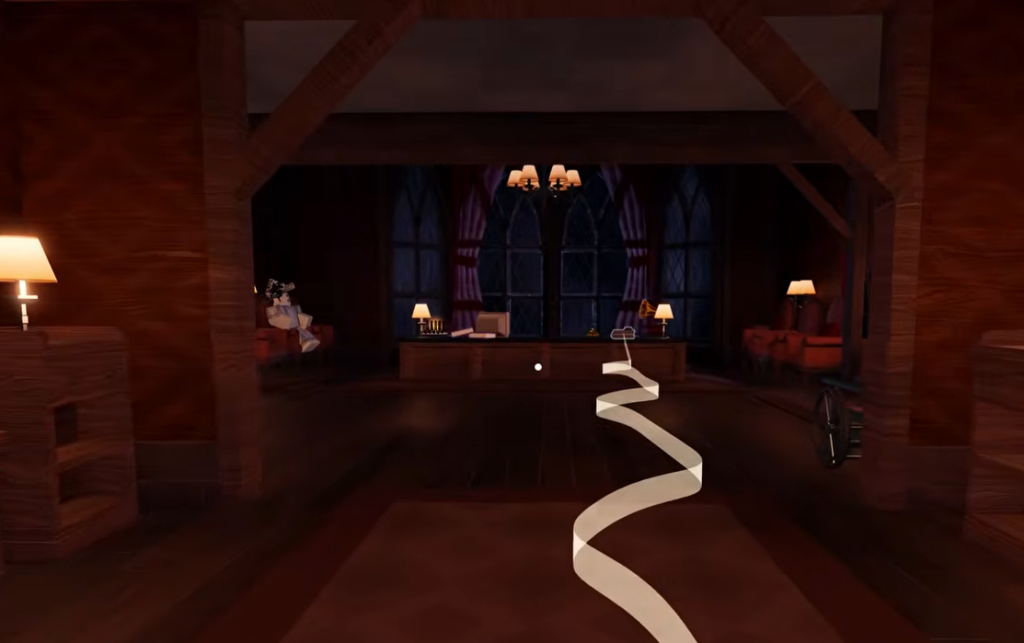
What counts as an enemy in Night At The Infirmary
There is no roster of named creatures to memorize. Every hostile encounter in the game is a patient that is not what it appears to be. The developer, A.D. Games, describes the loop plainly. Patients arrive throughout the night, you examine each one carefully, and some of them are hiding something. An anomaly is simply a visitor whose live view, photo, or camera feed contains a detail that should not be there.
Because the danger is disguised as routine, the pressure comes from doubt rather than speed. A patient that looks fine at the window can still be an imposter that only reveals itself on a second layer. That is the whole point of the inspection system, and it is why treating any single glance as proof gets runs ended early.
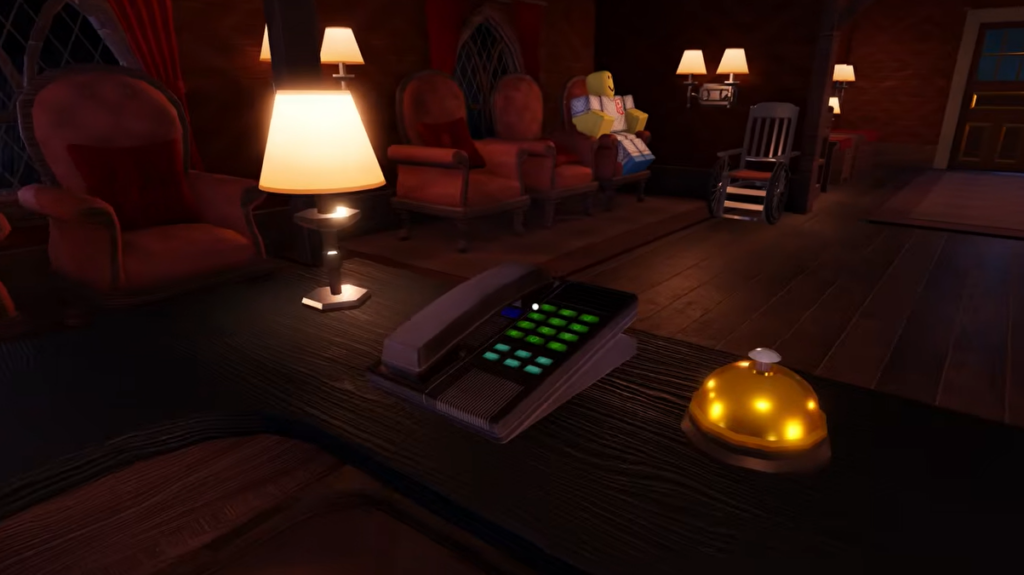
The three verification layers that expose an anomaly
Every patient must be checked through three separate stations at your desk. An anomaly can slip past one or two layers, so the safe habit is to run the full sequence on every arrival before deciding.
| Layer | Station | What it shows |
|---|---|---|
| Live view | Reception window | The patient in person, in real time |
| Printed photo | Photo printer nook / tray | A still reference image to compare against the window |
| Camera feed | CCTV monitor bank | The same visitor seen through the security cameras |
An anomaly is the patient whose three layers disagree. If the person at the window does not line up with the printed photo, or the CCTV feed reveals something the window hid, you are looking at an enemy. A clean patient matches across all three.
The photo tray is easy to treat as decoration. Skipping it is a common mistake, because some anomalies look correct at the window and only break the match on the photo or the camera.
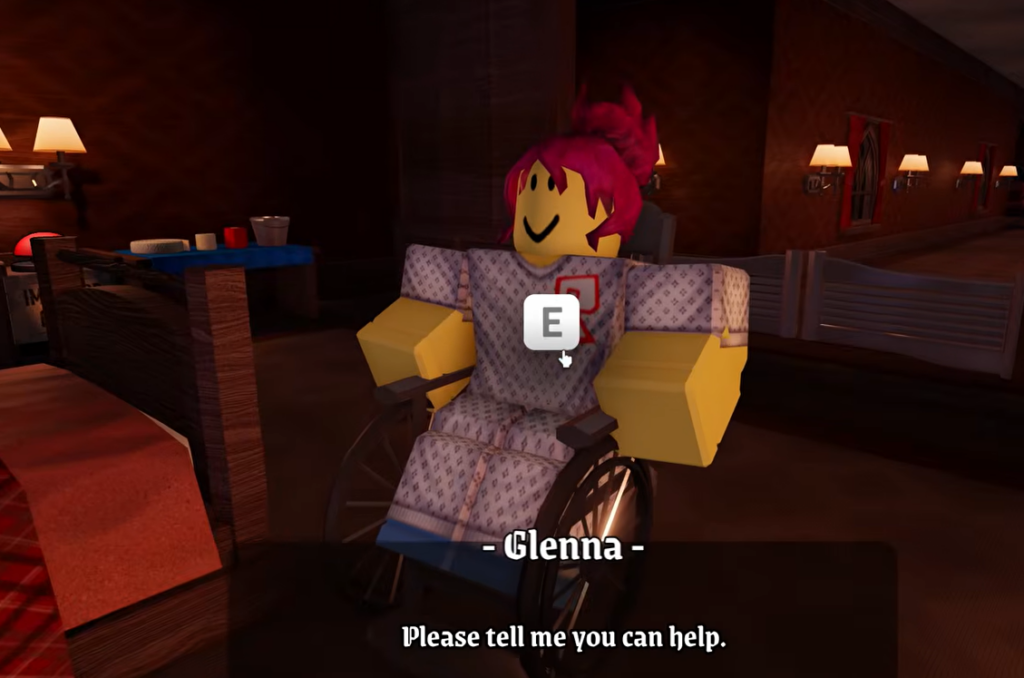
How to reject an anomaly and admit a normal patient
Once you have decided, the desk gives you two outcomes. Controls stay minimal so your attention stays on observation, not inputs. Movement is WASD, E interacts with stations, and mouse look handles window and photo inspection. Mobile and controller layouts mirror the same stations with tap prompts.
Running this as a fixed route — window, photo tray, CCTV, then the shutter decision — is what keeps you from fumbling in the dark under queue pressure on later nights. Muscle memory on that path matters more than moving quickly.
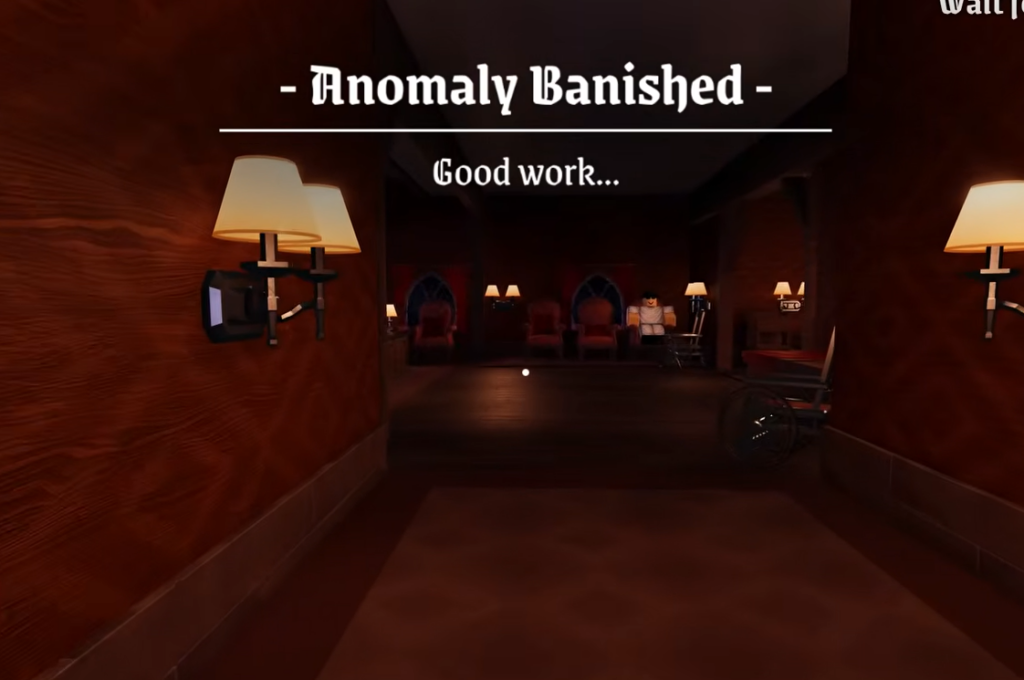
Sanity and how you know a decision worked
Correctly rejecting an anomaly or admitting a clean patient advances the queue and moves you toward the end of the night. A wrong call — admitting a disguised enemy — is what triggers the jumpscare and ends the shift. Flashing lights and jumpscares are part of the experience, so headphones and higher graphics settings make the tells easier to read.
The game also tracks Sanity. Secondary desk objects such as coffee can help recover Sanity between arrivals when the beta allows you to interact with them. These comforts do not replace the verification loop, but they ease the strain between patients as the night wears on.
Events that change how enemies behave
Special nights can alter the rules you rely on. Modified lighting, holiday experiments, and changes to queue pacing all shift how patients arrive and how easily an anomaly hides. Because these modifiers can invalidate habits built on standard nights, it is worth re-checking your inspection rhythm whenever an event is active rather than assuming your usual reads still hold.
The game runs as a free beta under the UPD 1 build, developed by A.D. Games on Roblox place ID 101610294550592. Anomaly frequency and desk feedback are tuned regularly during active development, so a shift that suddenly feels different is often a patch change rather than a mistake on your part. You can start a shift directly from the official Roblox listing.
The takeaway is simple. There is no fixed list of enemies to learn here, because the enemy is always the patient whose three layers do not agree. Run the window, the photo, and the CCTV on every arrival, trust the mismatch, and reach for the shutter the moment one layer breaks.