
Songkeeper’s Grove is where every run begins in SCROOMS, and it’s stocked with mushroom creatures you tame by playing music at them. The starting woods hold a handful of species, and the same Scroom can turn up on a different frequency each time you find it. Here’s exactly what you can pull out of the Grove, and how to do it.

What to bring before catching Scrooms

Your Chimes count sits in the bottom right with a music-note icon, and every catch gets stamped into the Index in slot 3. Keep that in mind — it’s how you’ll confirm a Scroom actually registered.

How catching works in Songkeeper’s Grove
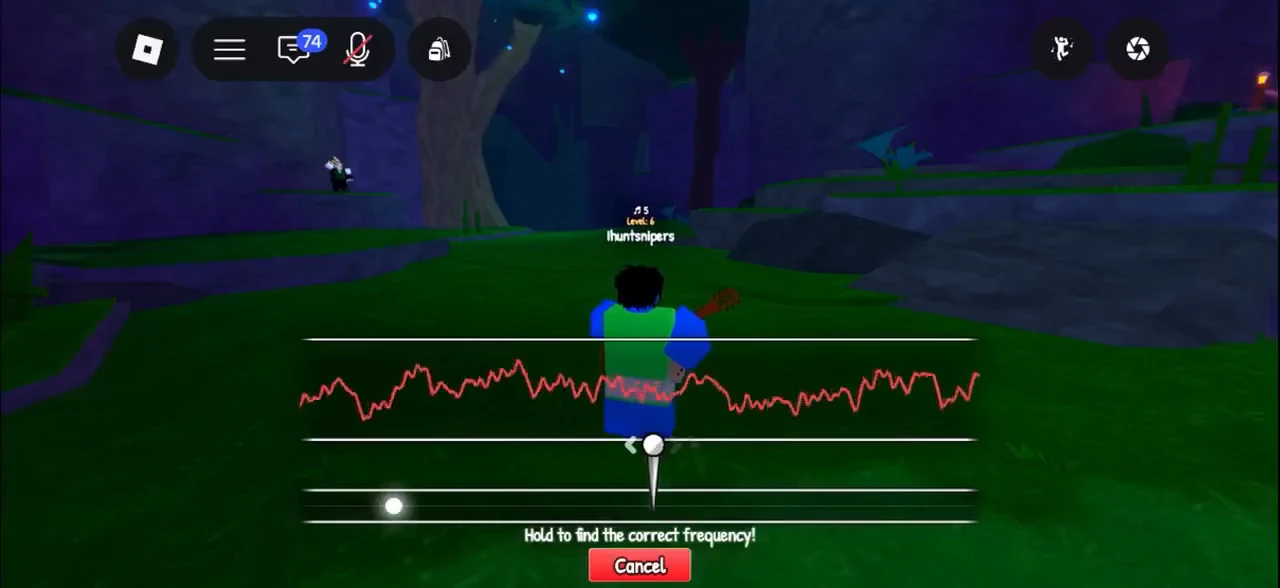
Every catch is logged in the Index. Equip your instrument and play it near Scrooms to draw one in, then work through three steps: tuning, frequency and catching.
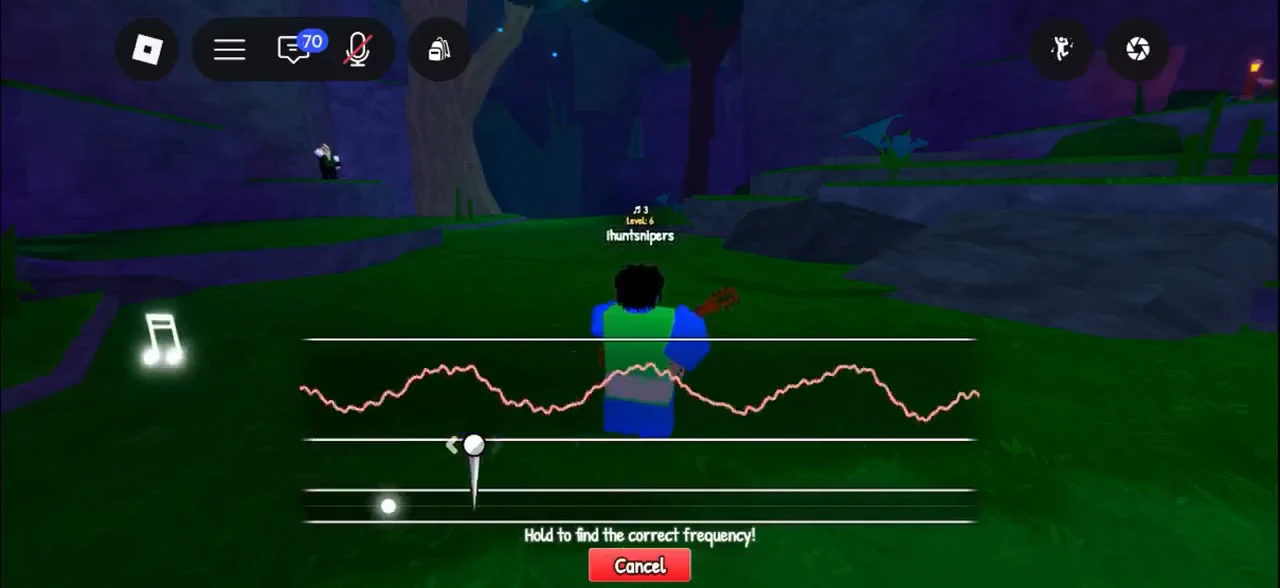

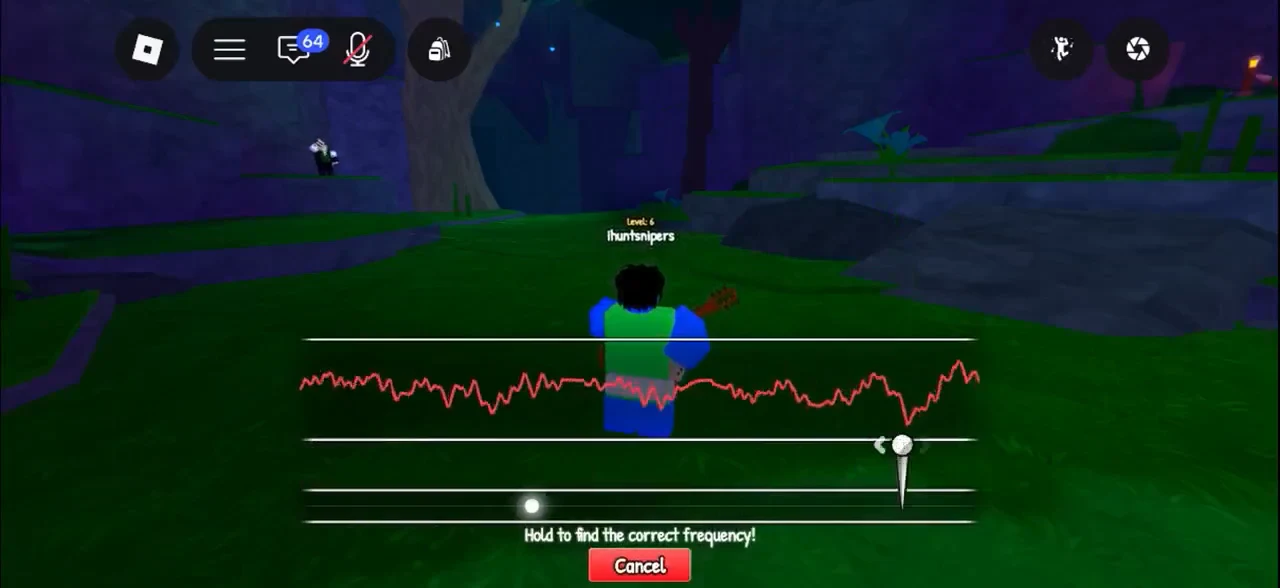
The frequency shown on a catch isn’t fixed per species. The same Scroom appears on different frequencies on different catches, so don’t treat the numbers below as a code to dial in — they’re what the game displayed when each one was caught.
When a Scroom gets away
Not every encounter ends in a catch. While the Scroom sits outside the catch zone, the zone turns red and progress drains, and if it drains away the screen reads “Your Scroom got away…”

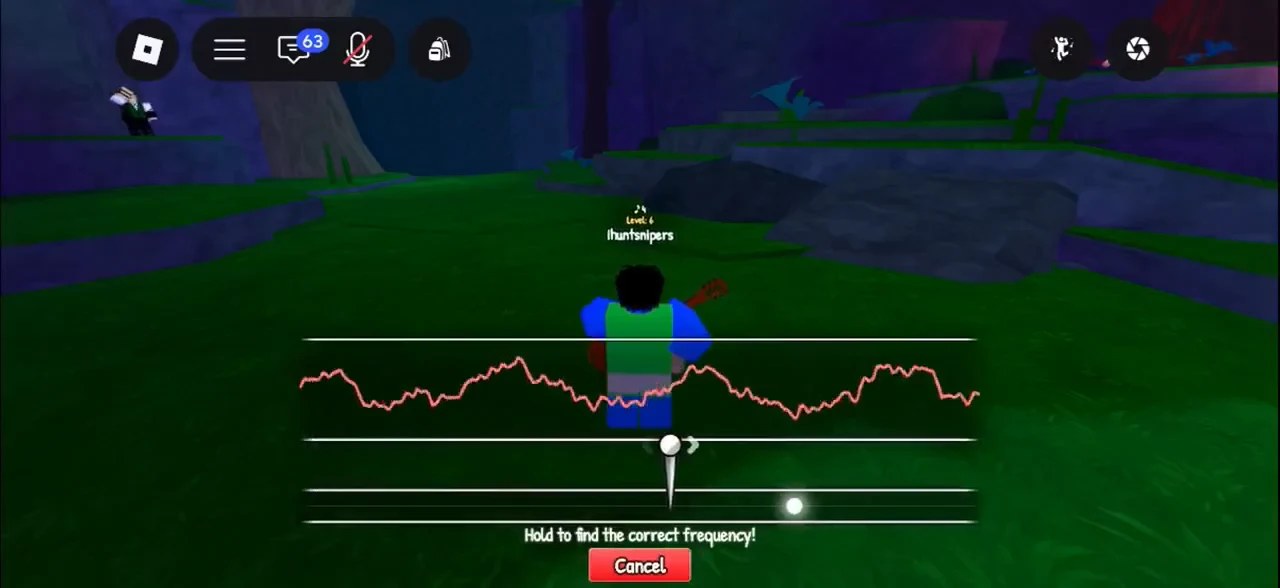
When that happens, you can simply try again.
Scrooms caught in Songkeeper’s Grove
These are the Scrooms caught in the grove, with the frequencies shown on their catch screens.
| Scroom | Frequencies seen | Variants |
|---|---|---|
| Bluebell | 70.8, 58.2, 66 Hz | — |
| Toastbud | 29.7, 36.9 Hz | Harmonic (23.1 Hz) |
| Redcap | 23, 28.8 Hz | — |
| Gloombell | 46.4, 47.2 Hz | — |
| Acornub | 49.5 Hz | — |
| Burlcap | — | Melodic (100 Hz) |
Bluebell
Bluebell showed up three separate times across a spread of frequencies — 70.8 Hz, 58.2 Hz and 66 Hz — which is a clean way to see how the tuning number shifts from one encounter to the next.



Toastbud
Toastbud came in at 29.7 Hz and 36.9 Hz on separate encounters. A Harmonic Toastbud also turned up at 23.1 Hz, and catching it awards the Harmonic Ear badge.


Redcap
Redcap is one of the common Scrooms, with catches recorded at 23 Hz and 28.8 Hz.

Gloombell
Gloombell turned up twice at 46.4 Hz and 47.2 Hz, close enough together that the two catches land on almost the same number.

Acornub
Acornub was caught at 49.5 Hz. Like every other catch, it’s logged in the Index so you know it’s recorded.


Burlcap (Melodic)
In the Grove, Burlcap showed up as a Melodic Burlcap caught at 100 Hz — the highest frequency of any catch here. “Melodic” is a variant word that sits in front of the name, the same way “Harmonic” does, and the catch is logged in the Index like any other.
Harmonic Toastbud and the Harmonic Ear badge
A Harmonic variant is the one to chase if you want something to show for your time. Catching a Harmonic Toastbud at 23.1 Hz awards the Harmonic Ear badge, described in-game as “Catch a Harmonic scroom.”

Any Harmonic Scroom works for the badge, not just Toastbud, so grab the first one you see wearing the Harmonic tag.
How to confirm a catch registered
Two things tell you a Scroom is yours. First, the on-screen banner — “You caught: [name]! Frequency: [X] Hz” — appears the moment the catch bar fills. Second, every catch is logged in the Index in hotbar slot 3. If you see “Your Scroom got away…” instead, the Scroom escaped and you can try again.
The grove holds more than these six species (completing its Index earns the Grovewalker badge), and the path out of Songkeeper’s Grove winds toward Bluestone Approach and the cold stone of the caverns beyond.