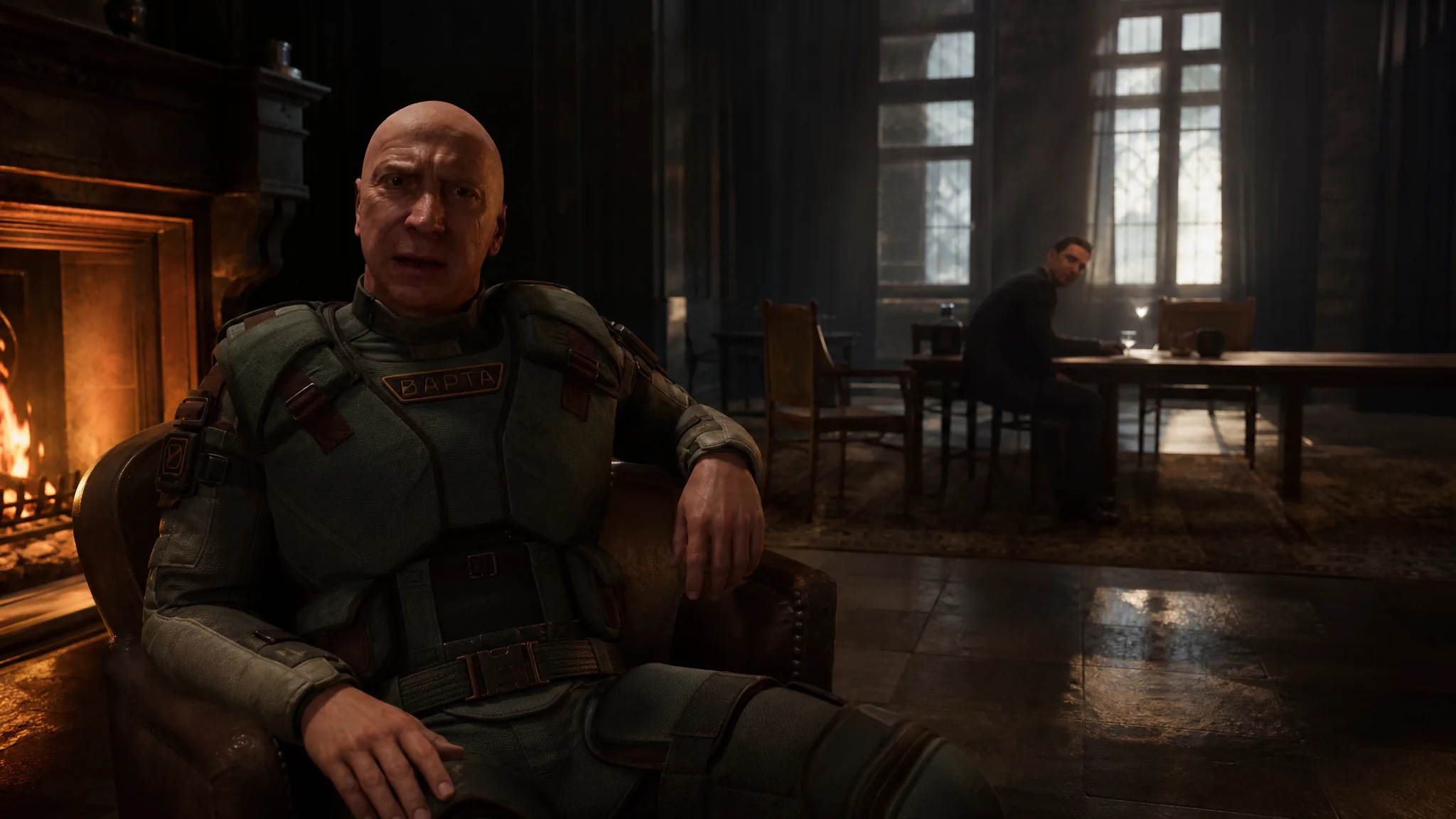
The central branch in STALKER 2: Heart of Chornobyl asks Skif to line up behind one of two forces. The Ward is a government-backed paramilitary group tied to SIRCAA, while Spark is a collective of free stalkers chasing the idea of a Shining Zone. Picking a side changes who fights you on sight, which vendors you can reach, and which main quests stay open.
Quick answer: Choose Ward for shorter, easier missions and access to STC Malachite and the Chemical Plant, but you lose Rostok and Ragman. Choose Spark for deeper lore and to keep Rostok and Ragman, but Ward soldiers turn hostile, and you lose STC Malachite, the Chemical Plant, and Camp Icarus.

When the choice actually locks in
The moment you meet Ward or Spark forces during the Extreme Simplicity mission is not the permanent commitment. In that mission you decide whether to gun down the Ward soldiers or the Sparkers, and either option pays out 8,000 Coupons depending on difficulty. The story continues the same way afterward, and the Ward will still welcome Skif into SIRCAA regardless of who you fought there.
The binding decision comes later, during Wishful Thinking, where the game makes it obvious that you are committing to a side. Before that point, you can move between both factions and even correct course if you change your mind.
Because Extreme Simplicity does not lock anything permanent, use it as a chance to help the faction you already lean toward and keep building Skif’s story before the real split.
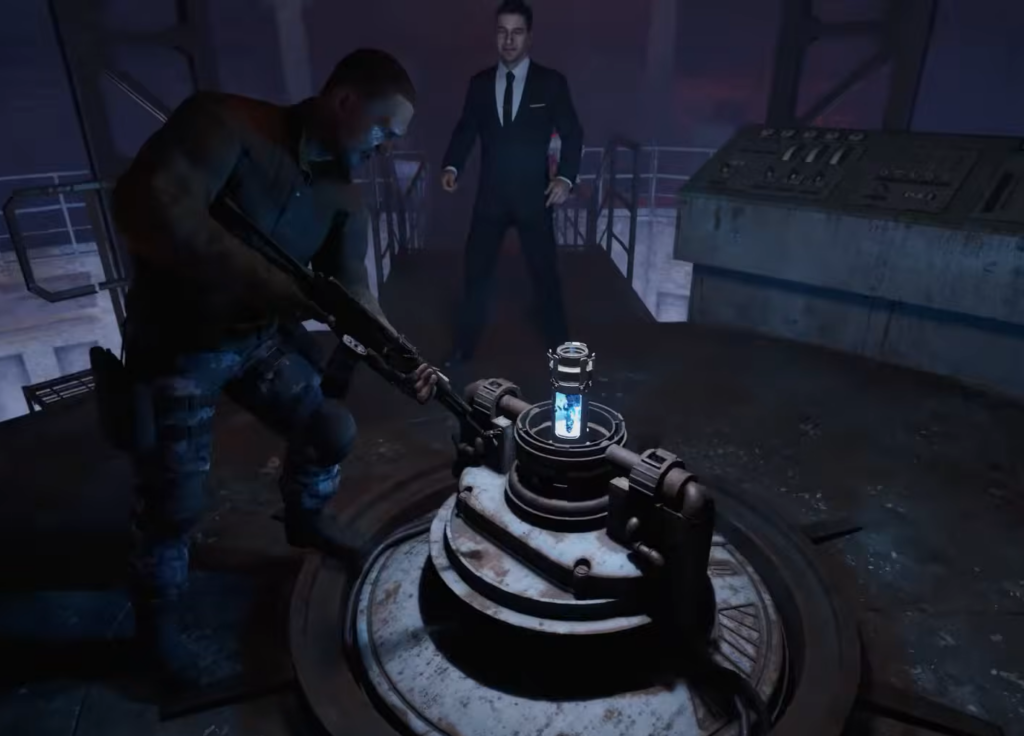
Ward vs Spark: what each side gives and takes
| Factor | Ward | Spark |
|---|---|---|
| Mission difficulty | Shorter, more streamlined, fewer quest steps | Longer, more punishing, more quest steps |
| Bases kept | Chemical Plant, STC Malachite, Camp Icarus | Rostok |
| Bases lost | Rostok (and the Arena) | Chemical Plant, STC Malachite, Camp Icarus |
| Key vendor lost | Ragman (buys broken/red weapons) | Viktoria Dorozhnyuk (pays for mutant parts) |
| Who turns hostile | Sparkers | Ward soldiers |
| Story focus | Cohesive, tighter plot with Ward support | Deeper Zone lore, Scar and Strider |
Vendors and bases you lose on each path
Siding with the Ward closes off Rostok, which holds the Arena and a group of gear vendors. That includes Ragman, the only trader who buys broken (red) weapons for Coupons. If you go Ward, offload any red weapons and buy the gear you want from Rostok before you commit.
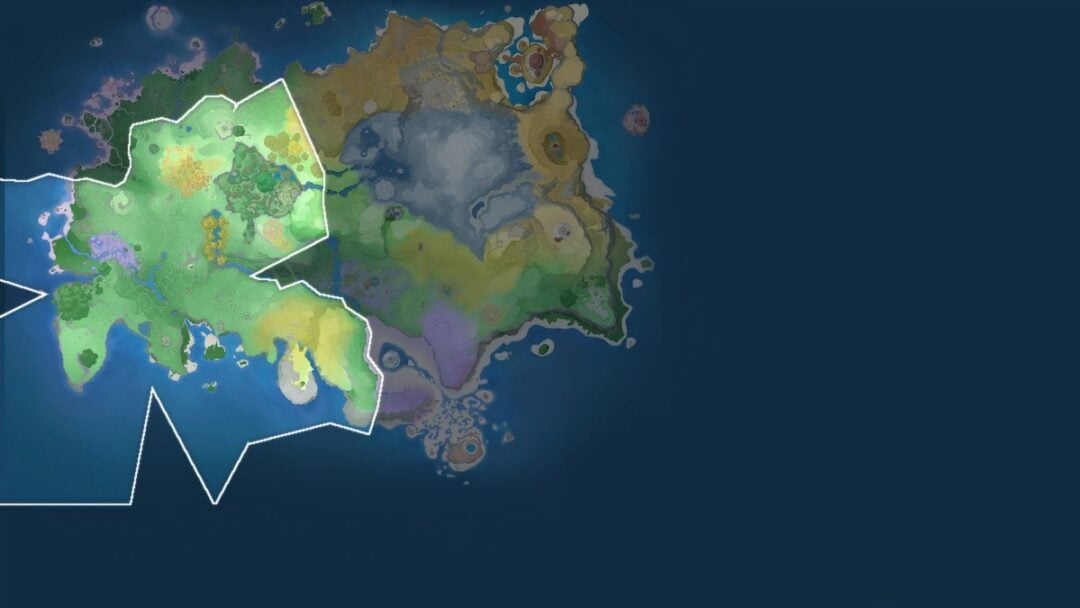
Siding with Spark locks you out of STC Malachite and Viktoria Dorozhnyuk, the scientist who pays large sums of Coupons for mutant parts. You also lose the Chemical Plant and Camp Icarus bases. One workaround exists for Malachite on a Spark run: you can still reach it through the sewer entrance. Travel is generally harder on a Spark run because the Chemical Plant and Malachite sit on the southwest part of the map, which the Ward keeps open.
On a Spark playthrough you keep Rostok, so Ragman and his broken-weapon buying stay available to you the entire game.
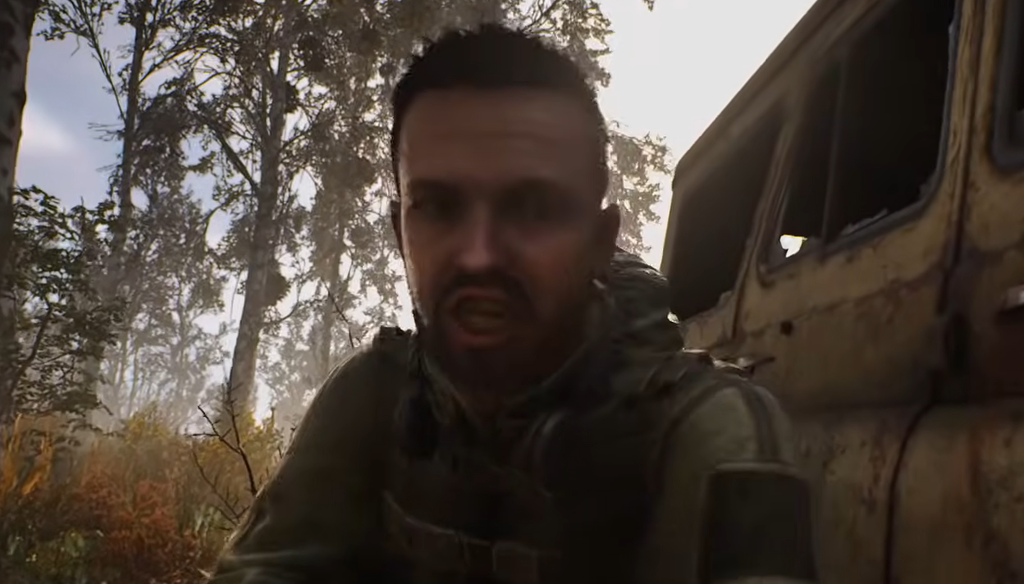
How the choice shapes the ending
Faction allegiance feeds directly into which ending you can reach, and several later dialogue choices act as gates. During the Subtle Matter mission, answering “Eternal Spring” pushes you toward the Spark ending, while “Life is for the living” keeps the other endings open. In Dangerous Liaisons, telling Korshunov you are “not an enemy” of the Ward locks you into the Ward ending, whereas choosing to escape keeps other paths available.
Smaller choices reinforce your lean. Handing the Ward sensors to Richter supports the Spark side, while giving them to Captain Zotov moves you closer to the Ward.
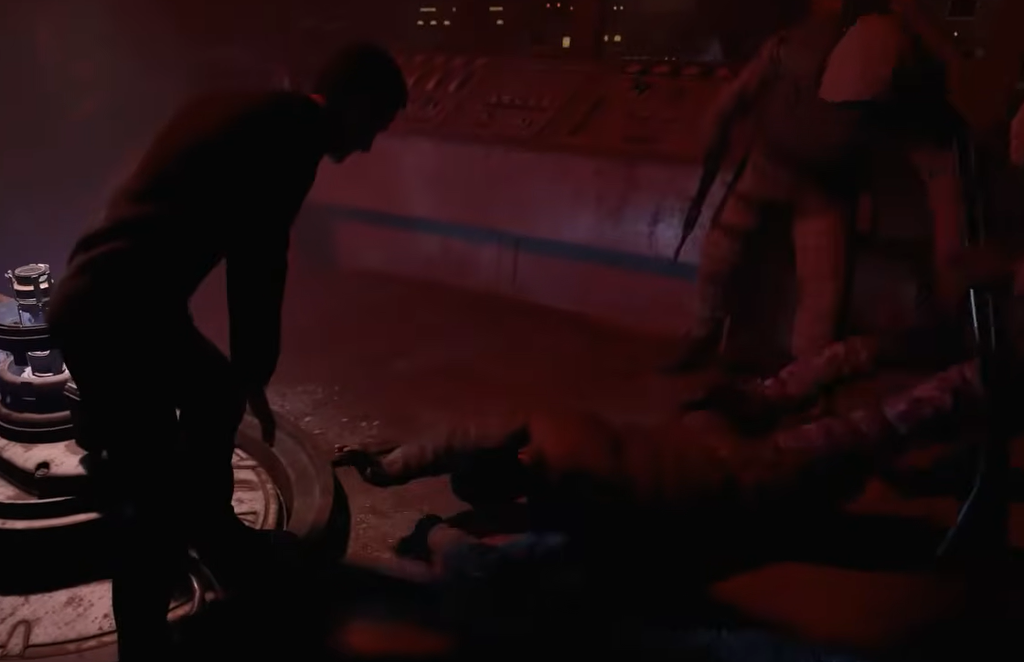
Which side is the “right” one
Neither faction is clean. The Ward wants to contain the Zone and stop anomalies and mutants from spreading beyond Chornobyl, which reads as the more responsible goal. The catch is its close tie to SIRCAA, the research body pursuing progress inside the Zone. The Zone itself was born from human overreach, and there is a real risk SIRCAA repeats that pattern, potentially ending up with mind-control technology or weaponized anomalies.
Spark wants everyone to embrace the Zone and rejects the Ward’s authority over Chornobyl. It follows the Shining Zone that Scar preaches, but it downplays the genuine dangers of the Zone. Freedom on its own sounds appealing, yet ignoring the consequences of leaving the Zone unchecked cancels out much of that idealism.
Spark’s story leans heavily on returning characters. Scar was the protagonist of Clear Sky, and Strider was a former Monolith soldier in Call of Pripyat, and both are central to Spark’s missions. If you want that connection to the older games, Spark rewards it. If you want a smoother, more cohesive run with combat support in key missions, the Ward is the easier line to walk.
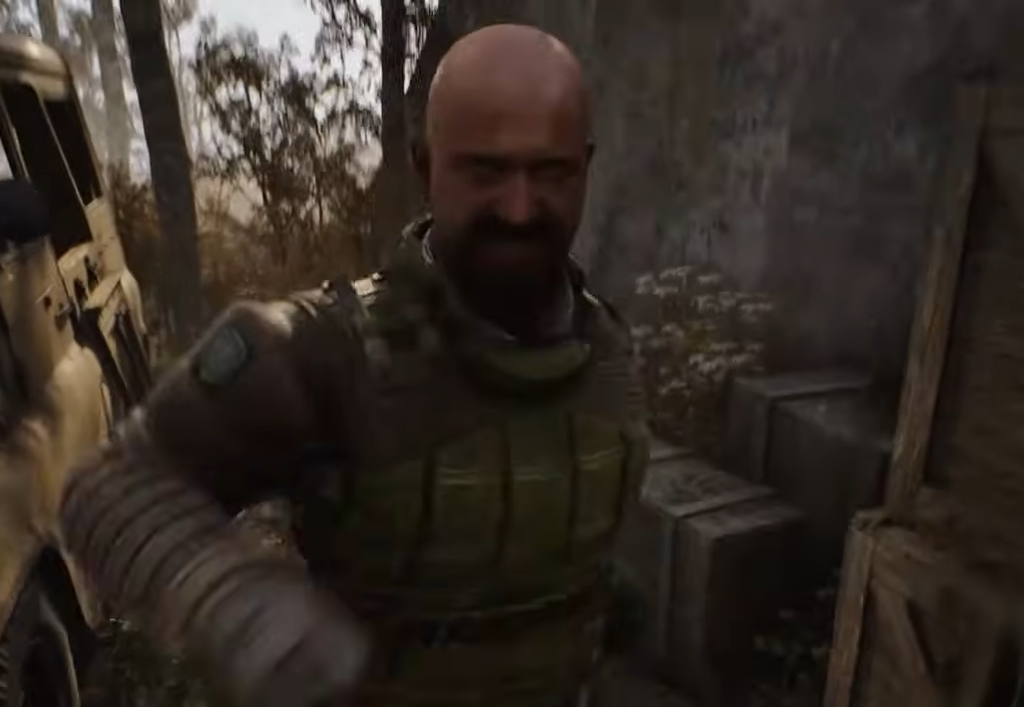
Since the game leans on RPG-style freedom, the best pick comes down to the Skif you want to play. Order and discipline point to the Ward; curiosity about the Zone’s stranger side points to Spark. Whichever you choose, sell your red weapons and stock up at Rostok before the split if you are going Ward, and expect harder travel and hostile Ward patrols if you are going Spark.