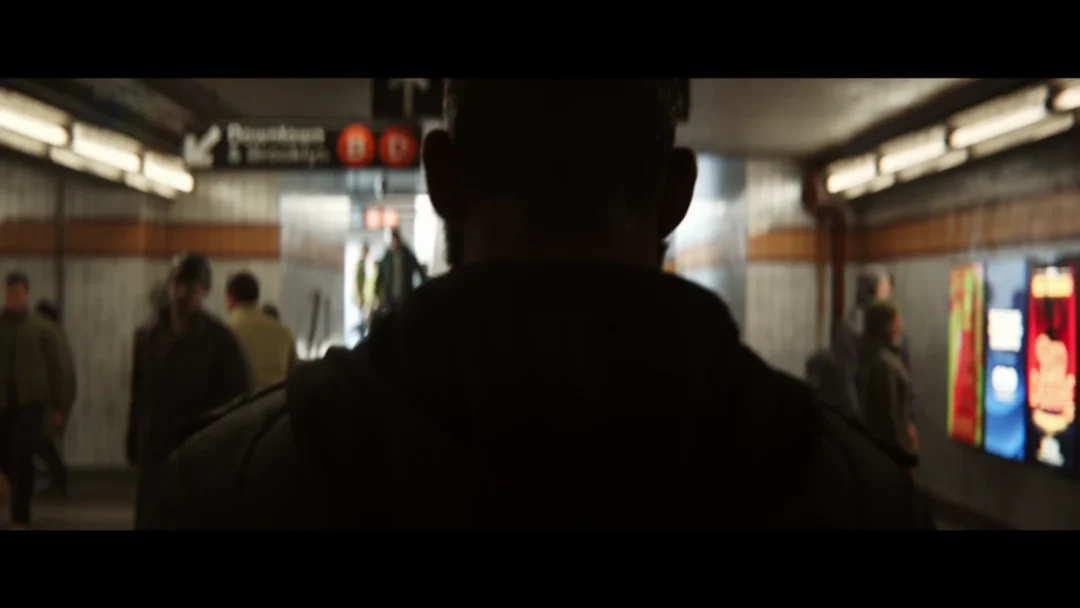
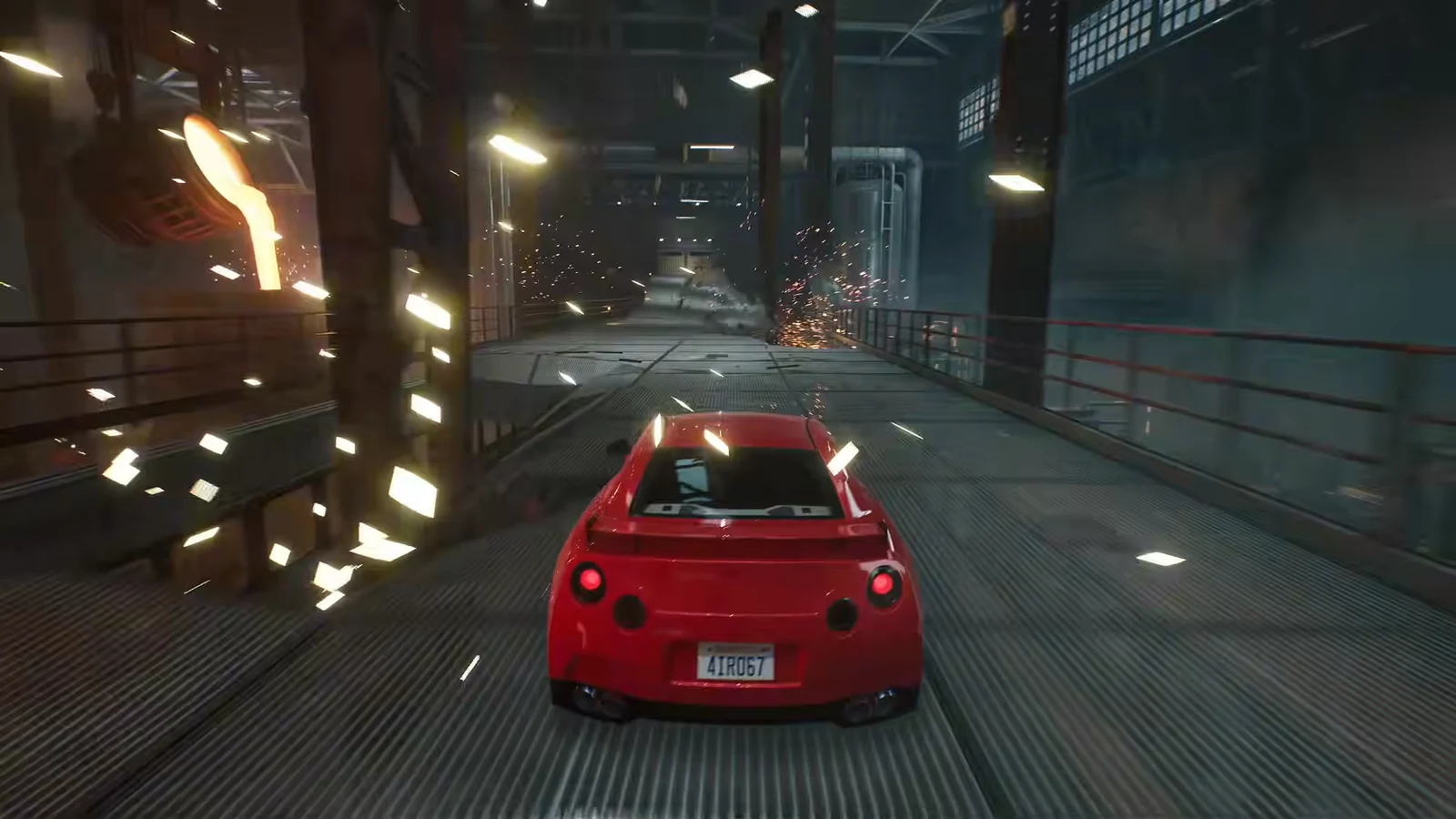
Stuntman: Hollywood puts you in the driver’s seat of a movie stunt shoot, where the job is not to win a race but to hit every mark a director calls out over your earpiece. It is the first entry in the series in almost two decades, built by Saber Interactive in partnership with Universal Pictures, and the structure is tighter than a typical arcade racer. Levels are short, the scoring is strict, and every mistake costs you something concrete.
Quick answer: Each level gives you a limited number of takes that drop by one every time you crash or miss a cue. Run out and the whole level restarts from the beginning. Clearing it with clean stunts earns stars, up to a maximum of 10.
Takes are your lives, and difficulty decides how many you get
A take is one attempt at a piece of the sequence. Miss a mark, clip a wall, or fail a stunt, and the take counter goes down. The level does not end there. You keep filming until the counter hits zero, at which point you are off the job and start the entire level over.
Difficulty settings change how many takes each level hands you. Lower difficulty means a wider margin for error on the same course, not a different course. That makes the setting the main lever for how punishing a stage feels, since the stunt choreography itself does not change.
How the 10-star score is earned
Stars come from the quality of the stunts you perform, not from finishing quickly. Required actions include drifting through corners, smashing through set pieces, launching off ramps, and passing through time gates before they close. Extra stunts pulled off during a run add to the total, which tops out at 10 stars.
Points are lost for crashing, missing a mark, or botching a drift. Near misses against other vehicles are treated leniently, so brushing past traffic is part of the performance rather than a failure. That leniency is what makes replaying a stage for a higher star count practical instead of luck-driven.
| Element | How it works |
|---|---|
| Takes | Limited per level, reduced by each mistake; zero forces a full restart |
| Stars | Awarded for stunt quality, maximum of 10 per level |
| Extra stunts | Optional actions during a run that raise the star total |
| Near misses | Forgiving; passing close to traffic is not penalised |
| Penalties | Crashes, missed marks, and failed drifts cost points |
| Difficulty | Scales the number of takes available per level |
The director cue system, explained
A director talks in your ear for the length of every level. The calls arrive just before each action is needed, telling you when to accelerate, which direction to take, when to drift, and what set piece is about to fire. There is also a general driving line to follow on screen.
The cues exist because the levels get busy fast. Explosions, collapsing structures, police cars, and falling debris can fill the screen at once, and without a voice naming the next mark it would be guesswork. Treat the audio as the primary instruction channel and the visuals as confirmation, not the other way round.
Driving model: Arcade handling with real momentum
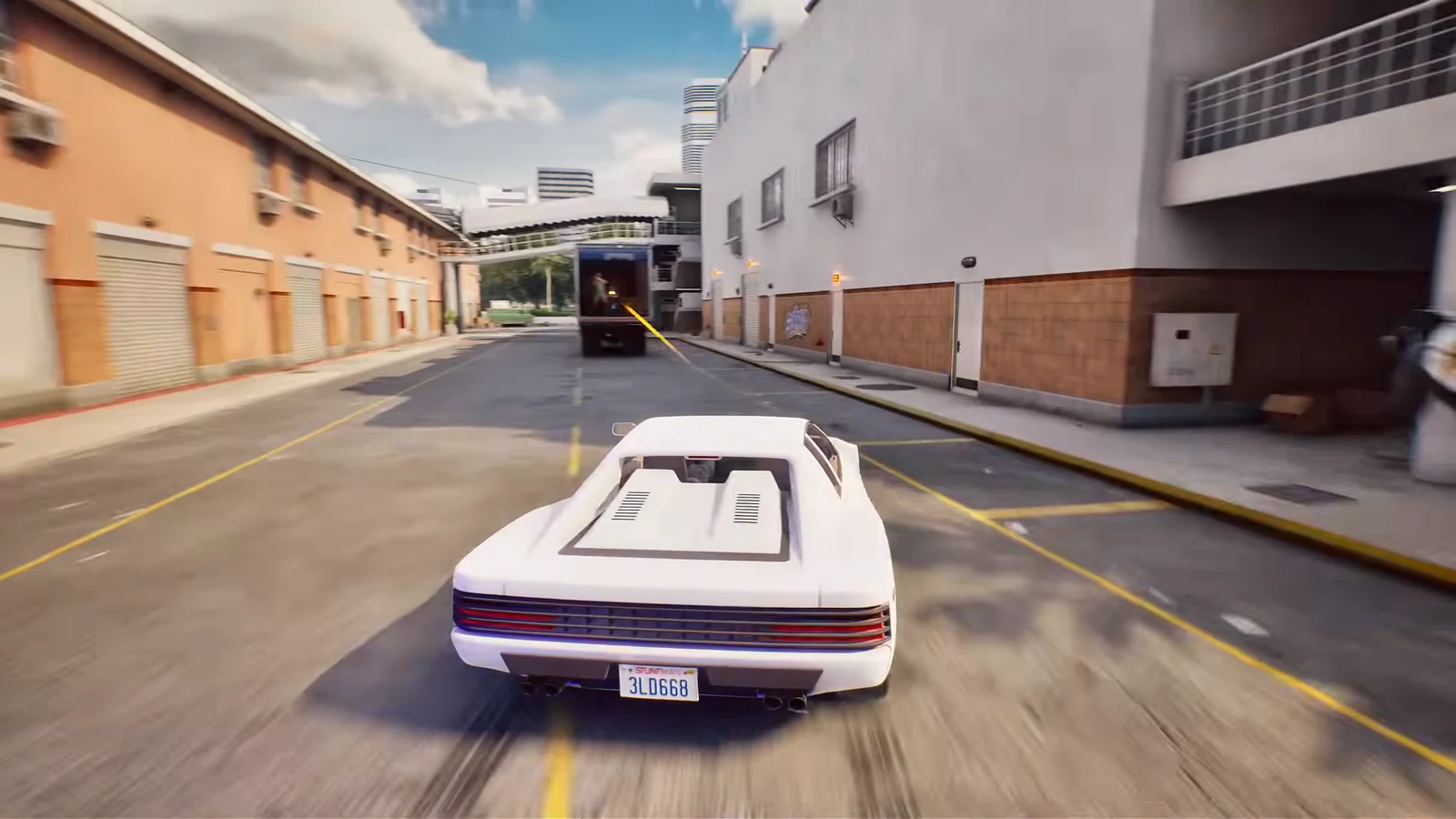
Cars respond immediately to steering input, which leaves room for last-second corrections mid-stunt. Vehicles still carry visible weight and momentum, so a drift has to be set up rather than flicked into. A boost button covers the moments where a jump or gate demands extra speed.
Drifting is the skill that separates a passable take from a high-scoring one. The system is tighter than the drift assists common in kart racers, and holding speed through the whole arc requires precise inputs rather than a single button press. Expect a couple of practice runs on any new stage before the timing settles.
Note: the game is still in development and marked as work in progress, so handling and scoring balance can shift before release.
Confirmed Universal film sets and their vehicles
Levels are built around Universal properties, and each one supplies its own environment and car. Vehicles are locked to the franchise they belong to, so an iconic car cannot be carried into a different film’s set. That keeps the choreography of each stage fixed around a specific machine.
| Film property | What the set involves |
|---|---|
| The Fast and the Furious | Street and dock driving with traffic weaving and tight walls |
| 2 Fast 2 Furious | High-speed pursuit sequences |
| Back to the Future | DeLorean stunts building to the 88 mph run, scored to the film’s theme |
| Earthquake | Collapsing roads, falling debris, and burning obstacles mid-run |
| Miami Vice | Ferrari Testarossa set piece |
| Knight Rider | K.I.T.T. appears among the confirmed vehicles |
| Death Race | Confirmed as a featured franchise |
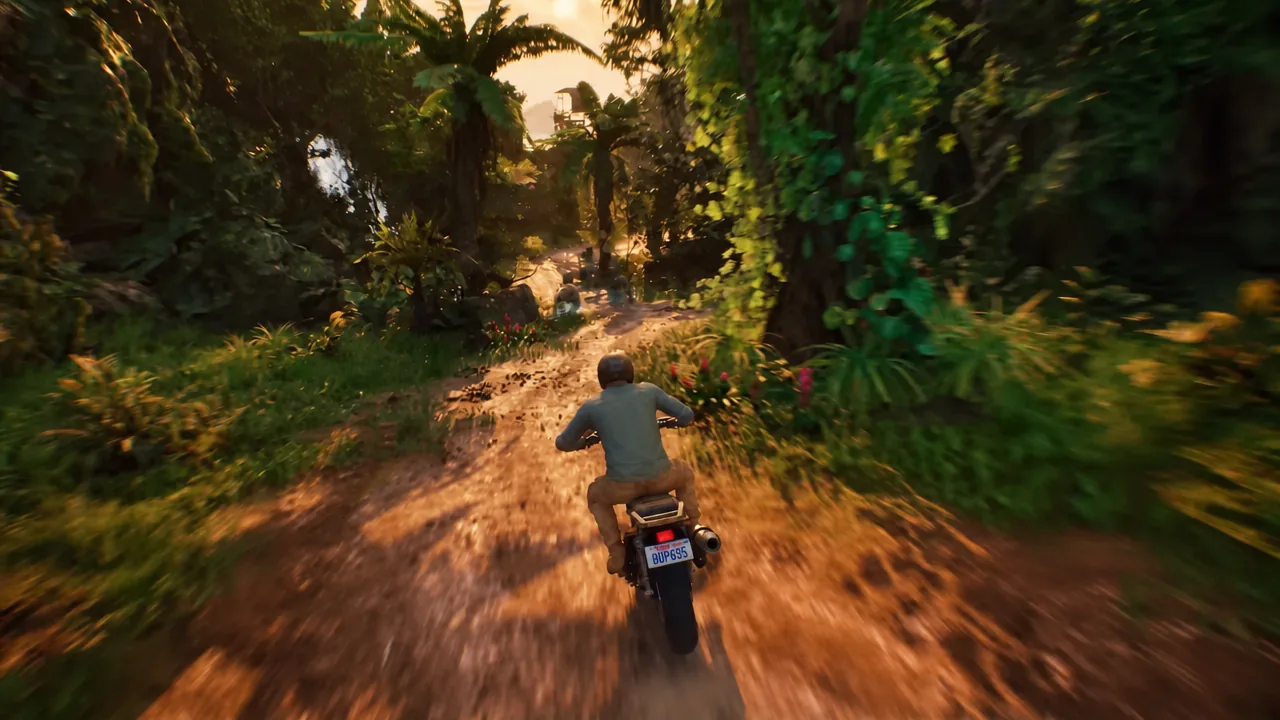
| Jurassic World | Jungle motorcycle run with a T-Rex chase |
Motorbikes are in the game alongside cars, which the Jurassic World set demonstrates directly. The Earthquake stage is the outlier in the lineup, since the source film is not a car movie at all. Its whole gimmick is the environment tearing itself apart around you while the driving line stays the same.
Level length and Odd Jobs
Main levels are short by design. Individual stages run somewhere between roughly 90 seconds and four minutes, dropping you straight into the middle of an action beat with no downtime before or after. The intent is that you only ever film the exciting part of the scene.
Odd Jobs sit alongside the main missions as an even shorter, more compact mission type set within other film properties. They give you something to attempt when a main stage is proving stubborn, without committing to a long run.
Platforms and release status
Stuntman: Hollywood is a single-player action racing game developed and published by Saber Interactive, and it follows Stuntman: Ignition in the series. It is coming to PlayStation 5, Xbox Series X and S, and PC via Steam. No release window has been confirmed.
Wishlisting is open on the Steam store page, and the game also has a listing on the PlayStation Store.
The open question is what holds these stages together. It is not yet known whether the game has a full campaign following a single stunt driver’s career, or whether it is a collection of standalone stunt sequences with progression left loose. Saber has not detailed how main mission progression works, and that structural detail will decide how the short, self-contained levels read across a full playthrough.