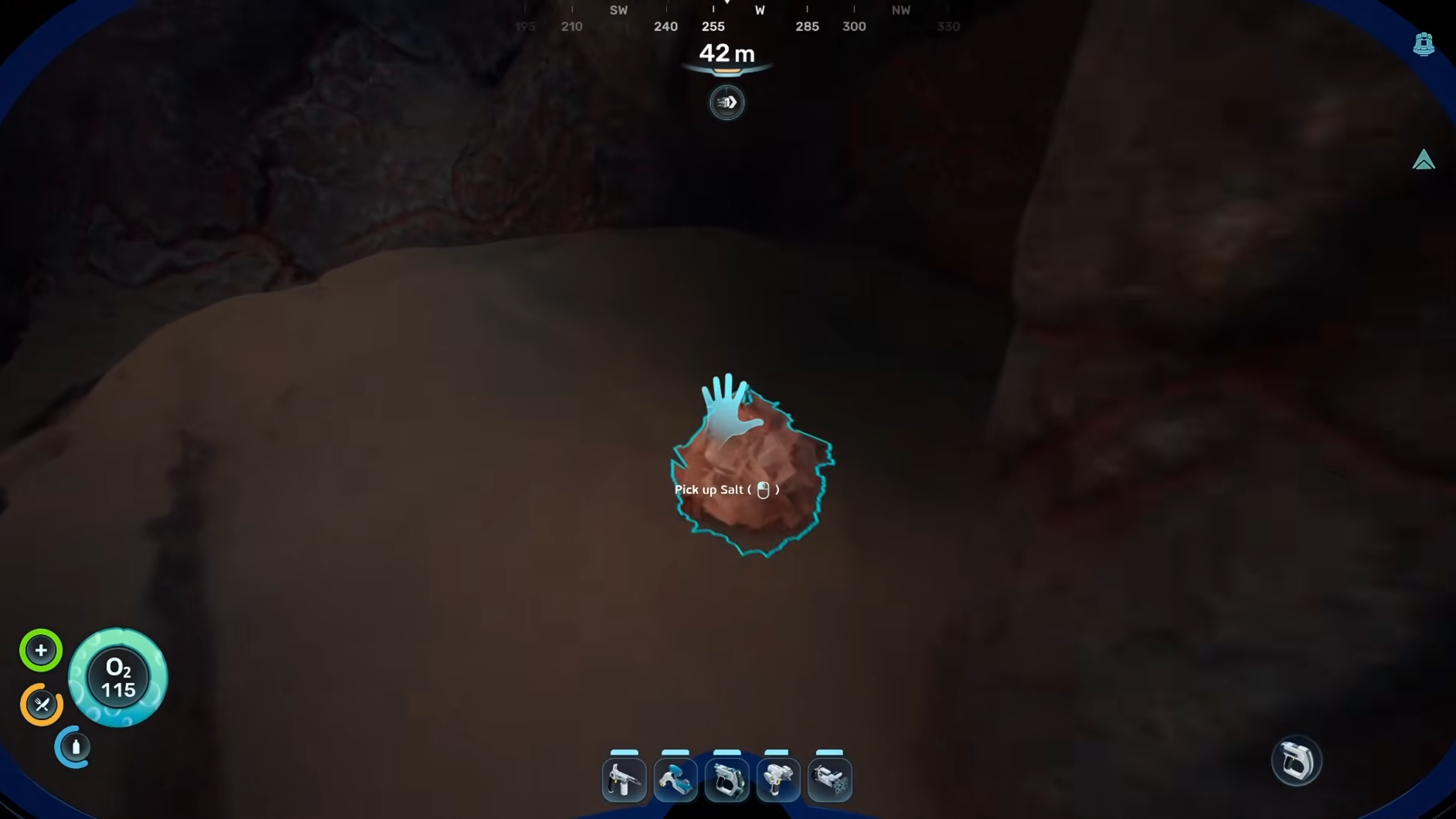
Salt is one of the first crafting staples you will hunt for in Subnautica 2. It is used for power cells, bleach for clean water, cured fish meals, and several base components, so a steady supply matters from your first hour onward.
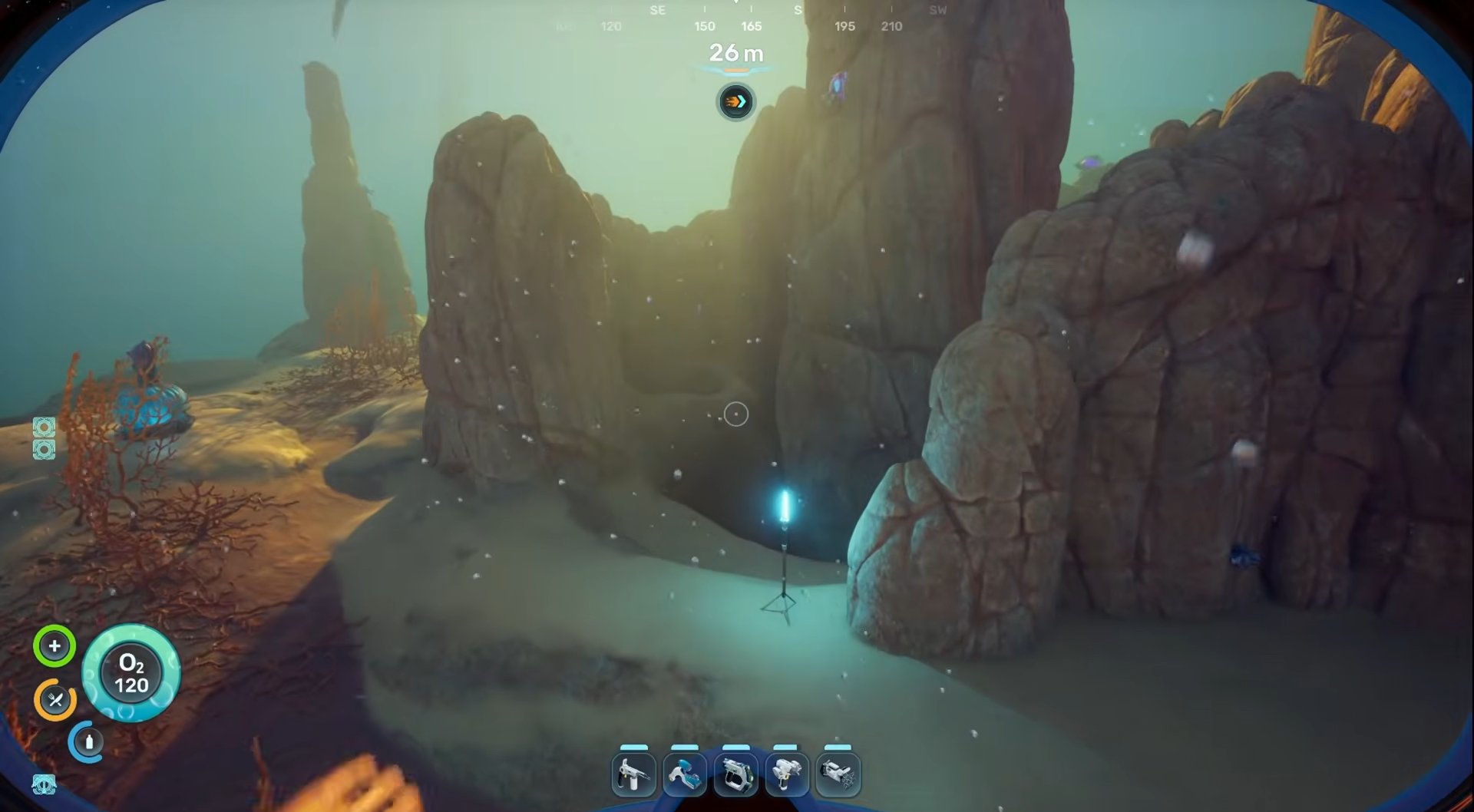
Quick answer: Salt deposits are small fuzzy pink crystals scattered across the seabed in the shallow biomes around the Lifepod. The closest reliable clusters sit in the cave near Chap’s habitat (north of the starting area) and on the rocky pillar roughly 200 meters southeast of the Lifepod near the Welcome Centre.
What salt looks like in Subnautica 2
Salt nodes appear as small pinkish crystal clumps growing directly on rock and sand. They sit low to the ground and are easy to confuse with quartz at a glance, but quartz is clear and angular while salt has a softer, rounded pink shape. You pick them up by hand. No tool is required, which makes salt one of the first resources a fresh runner can stockpile without crafting anything beforehand.
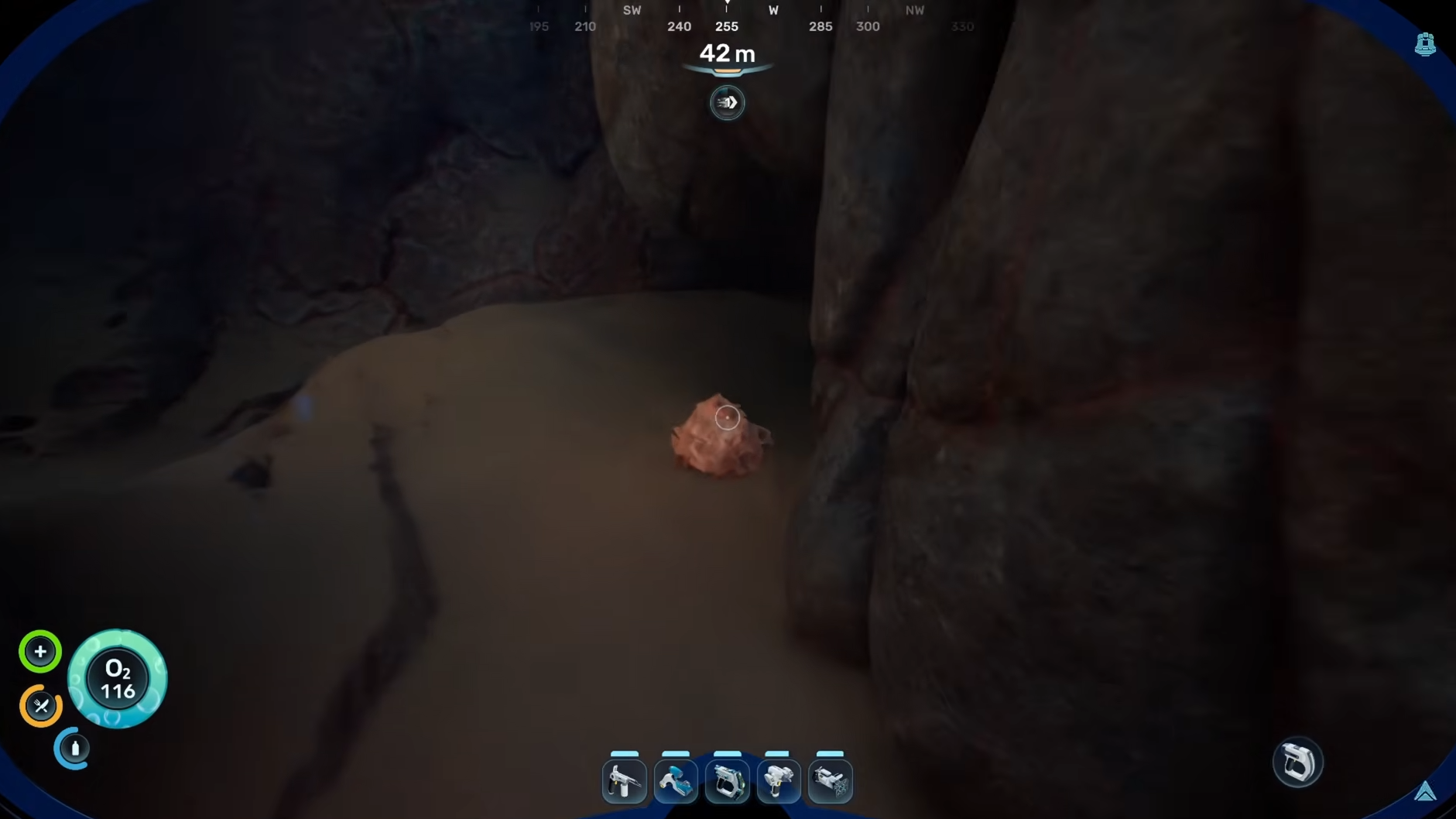
Each node yields a single salt unit and does not respawn at the same point, so plan routes rather than camping one spot.
Where to find salt near the Lifepod
The starting region around the Lifepod has several reliable salt pockets within a short swim. You do not need the Tadpole, the Sonic Resonator, or any depth upgrade to reach them.
What salt is used for
Salt is required for far more than survival meals. It appears in early electronics, base power storage, and several alternate recipes. Keep at least five to ten units in storage at all times once you are building seriously.
| Recipe | Category | Salt needed |
|---|---|---|
| Power Cell | Electronics | 1 |
| Power Storage | Base module | 2 |
| Glass (alternate) | Basic material | 2 |
| Tailing Jar | Utility | 1 |
| Sugar of Saturn | Prepared meal | 1 |
| Halfmoon Jerky | Cured food | 1 |
| Hoverthorn Souvlaki | Prepared meal | 1 |
| Nutrient Block | Food | 1 |
| Isotonic Water | Water | 1 |
The Power Cell is the most pressing early use. Building the Tadpole submersible requires one Power Cell, which in turn needs a basic battery, strong acid, and a salt unit. Without salt you cannot leave the starting depth on a vehicle.
Salt for water and food
Salt is the bottleneck for two of the cleanest survival loops in the early game. Combined with a Coral Tube Sample it produces Bleach, which then converts into Disinfected Water at the Fabricator. This is a stronger hydration return than catching Bladderfish one by one. Salt also turns Halfmoons and Hoverthorns into cured meals that do not spoil, letting you carry food on long dives without losing nutrition to decay.
Note: Cured food typically drains hydration faster than raw cooked fish, so pair jerky runs with extra water bottles.
Failure points and verification
If a salt node will not pick up, you are almost certainly looking at quartz or a small coral fragment. Salt is matte pink and fuzzy, quartz is glassy and translucent. Pickup is instant on interaction. Your PDA logs the resource with a soft chime, and the inventory count for Salt increases by one in the Resources tab. If the count does not move, the node was a different material.
Salt does not respawn on a fixed timer at the exact same coordinates. If a route feels dry, expand the search radius rather than waiting at a depleted spot. The deeper Sparse Plains edges hold more nodes than the immediate Lifepod bowl once the surface clusters are picked clean.