Tenebris: Terra Incognita drops a crashed colony crew onto a hostile planet and then asks you to fight your way out of the wreck one turn at a time. It is a single-player tactical RPG with horror and science fiction themes, built around a small squad, deep career trees, and a battered ship that doubles as your base. The mix of grim art, four-hero formations, and permanent squad management is why it keeps getting compared to Darkest Dungeon.
Quick answer: Tenebris: Terra Incognita is a single-player, turn-based tactical RPG for PC, released on September 30, 2024 and priced from €19.99. You run a four-hero squad and upgrade a crashed ship between missions.
Where to buy Tenebris: Terra Incognita and what it costs
The game is Windows-only and single-player, with no co-op or multiplayer mode. It launched in Early Access from Tenebris_developer and currently sits at an 87% user score across 82 reviews, with a median play time of around 25 hours. The base price is €19.99.
A second storefront listing exists on itch.io under the developer’s own page if you prefer to buy outside Steam. Both sell the same PC build.
Difficulty settings before the campaign starts
Starting a new campaign asks for a profile name first, then a difficulty. The selection screen also surfaces hardcore mode details, so read the tooltips before committing — this is the setting that defines how punishing wounds and fatigue become.
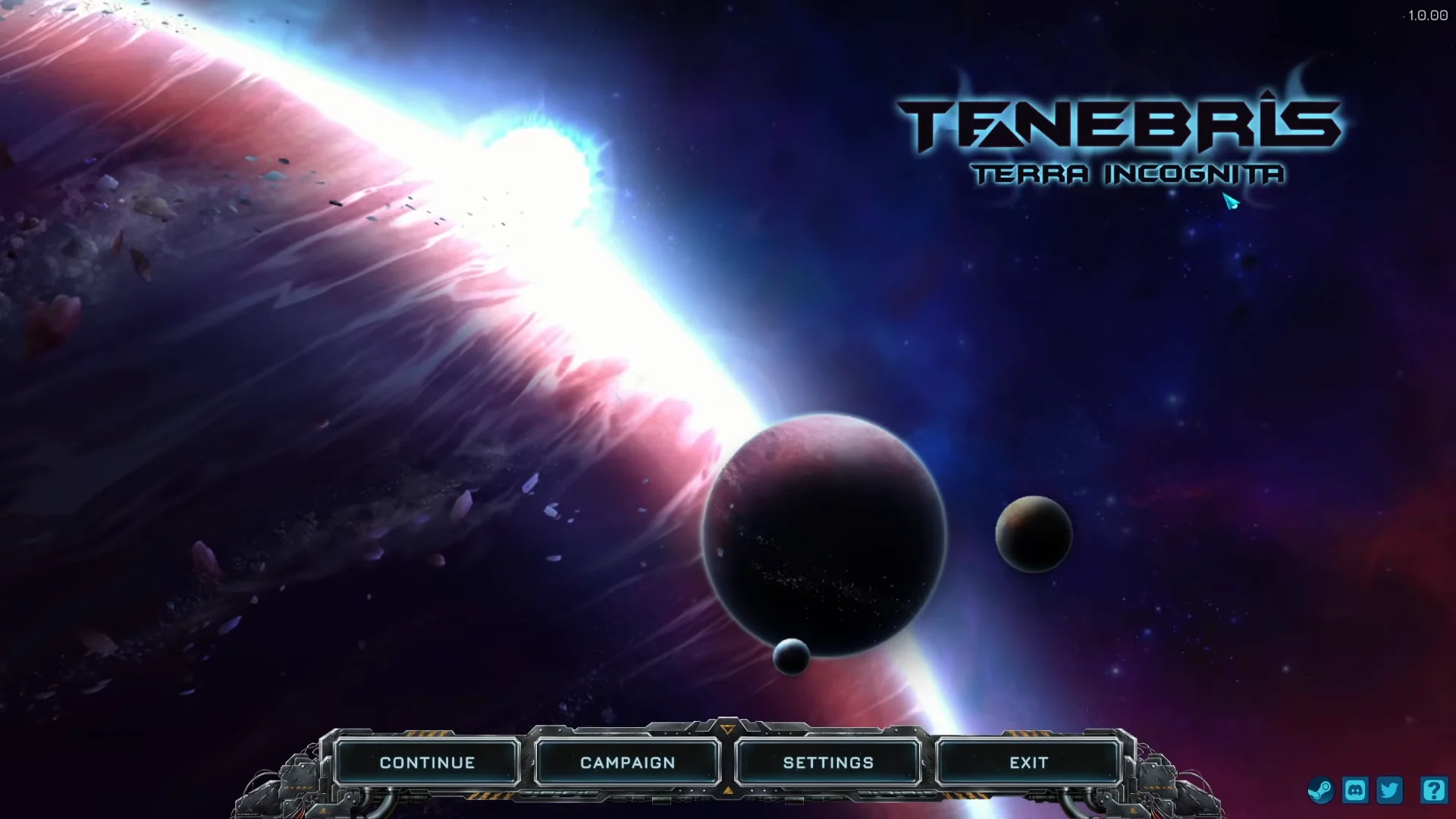
- Easy Walk — the lightest setting, aimed at story and systems.
- Serious Challenge — the middle option most runs use.
- Horror Movie — the high-pressure tier.
- Operations Planning Center — the fourth listed mode on the same screen.
Opening mission: controls and the first boss fight
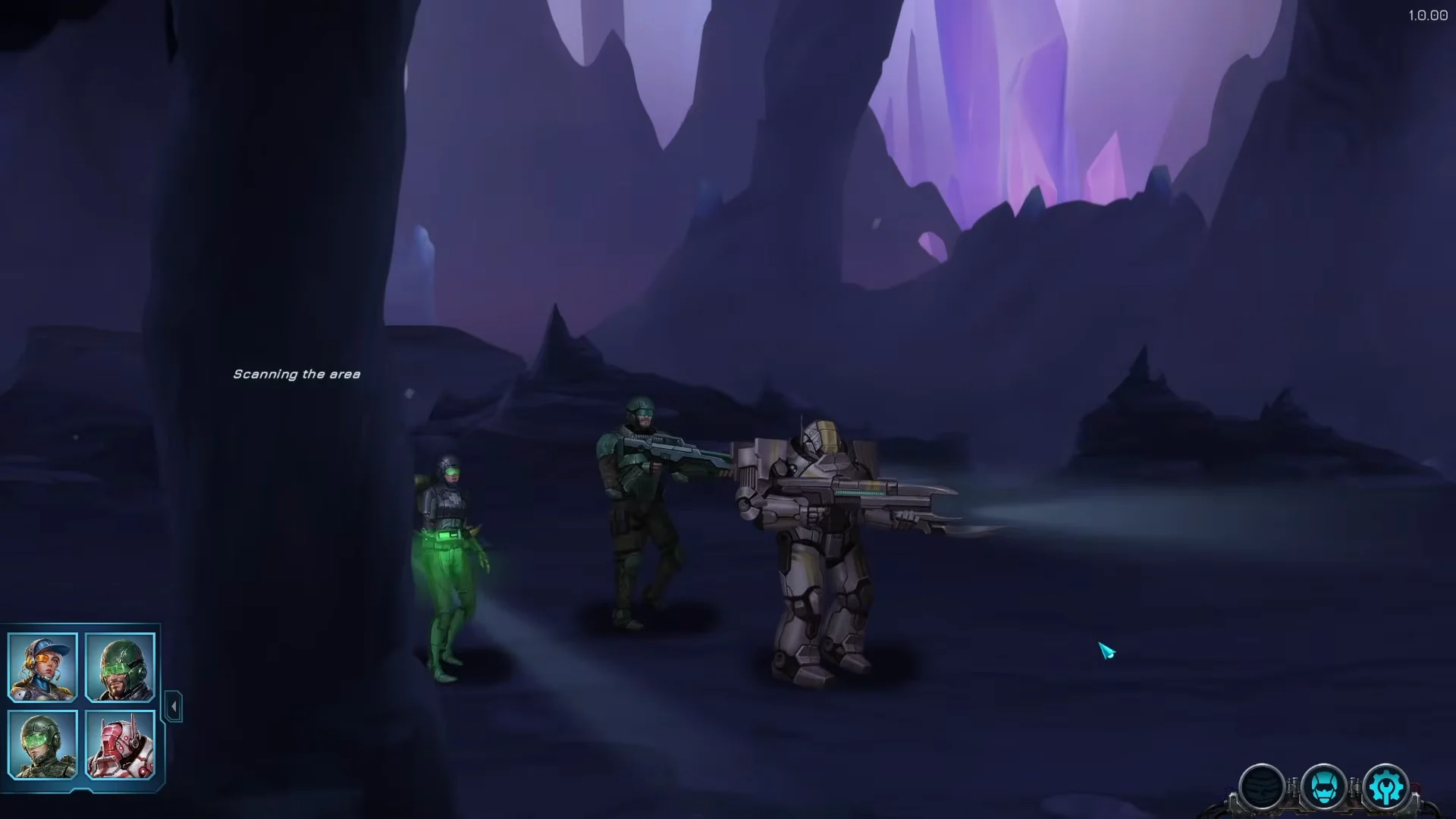
The prologue sets up Earth wrecked by war in 2456, the giant orbital station Nebula, and the colony ship Solaris, which crash-lands on an unexplored world. You wake in a damaged cryo chamber, get briefed by officer Aurora, and report to Colonel Grom on the command bridge while alien bugs pour in through the hull breach.
Movement in missions is side-on and simple. Tutorial popups teach the A and D keys for moving the squad, plus quick-access hotkeys for the map (M), inventory (I), journal (J), and menu (Esc). Party order matters, so the formation you set decides who eats the first hit.
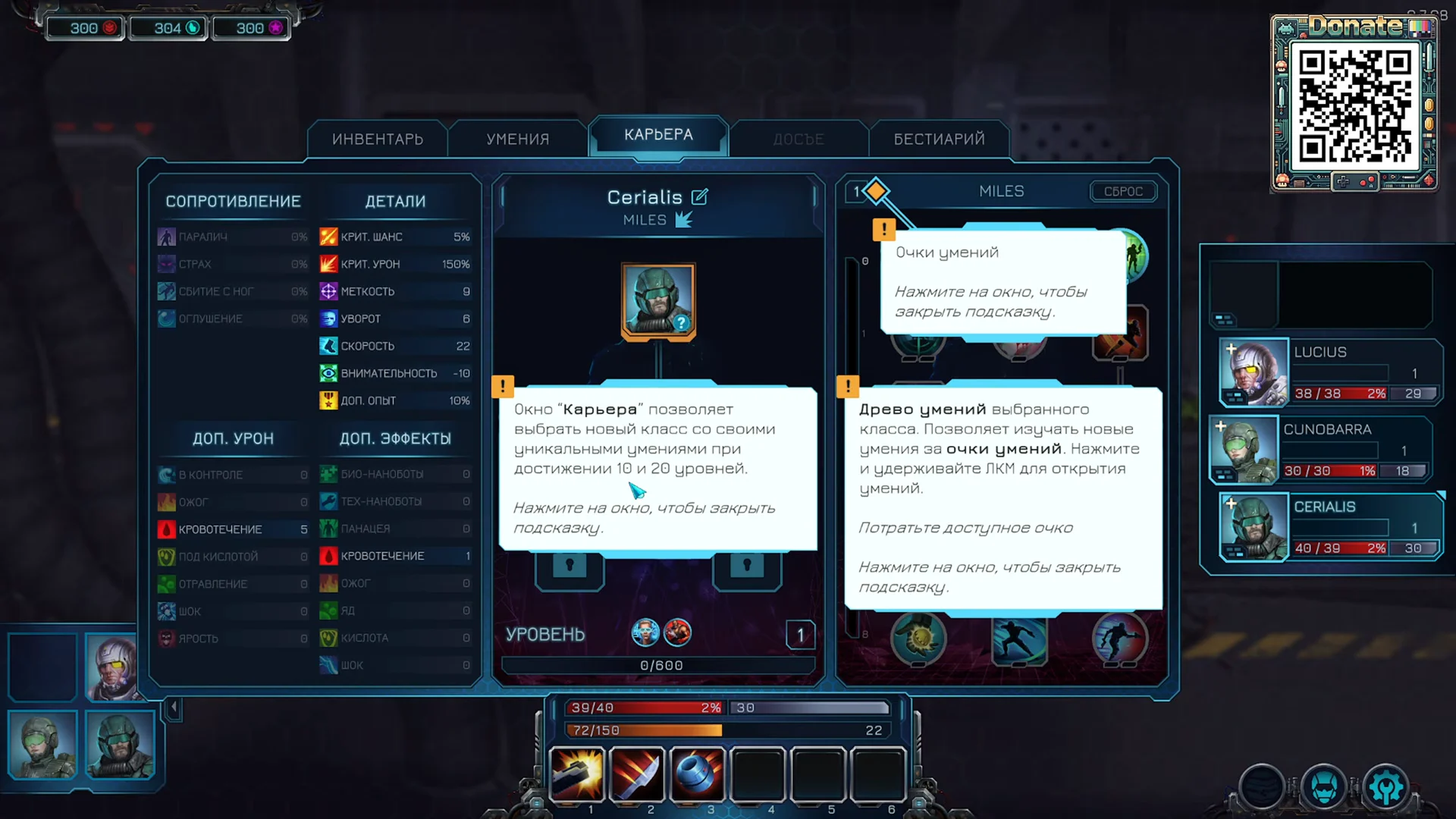
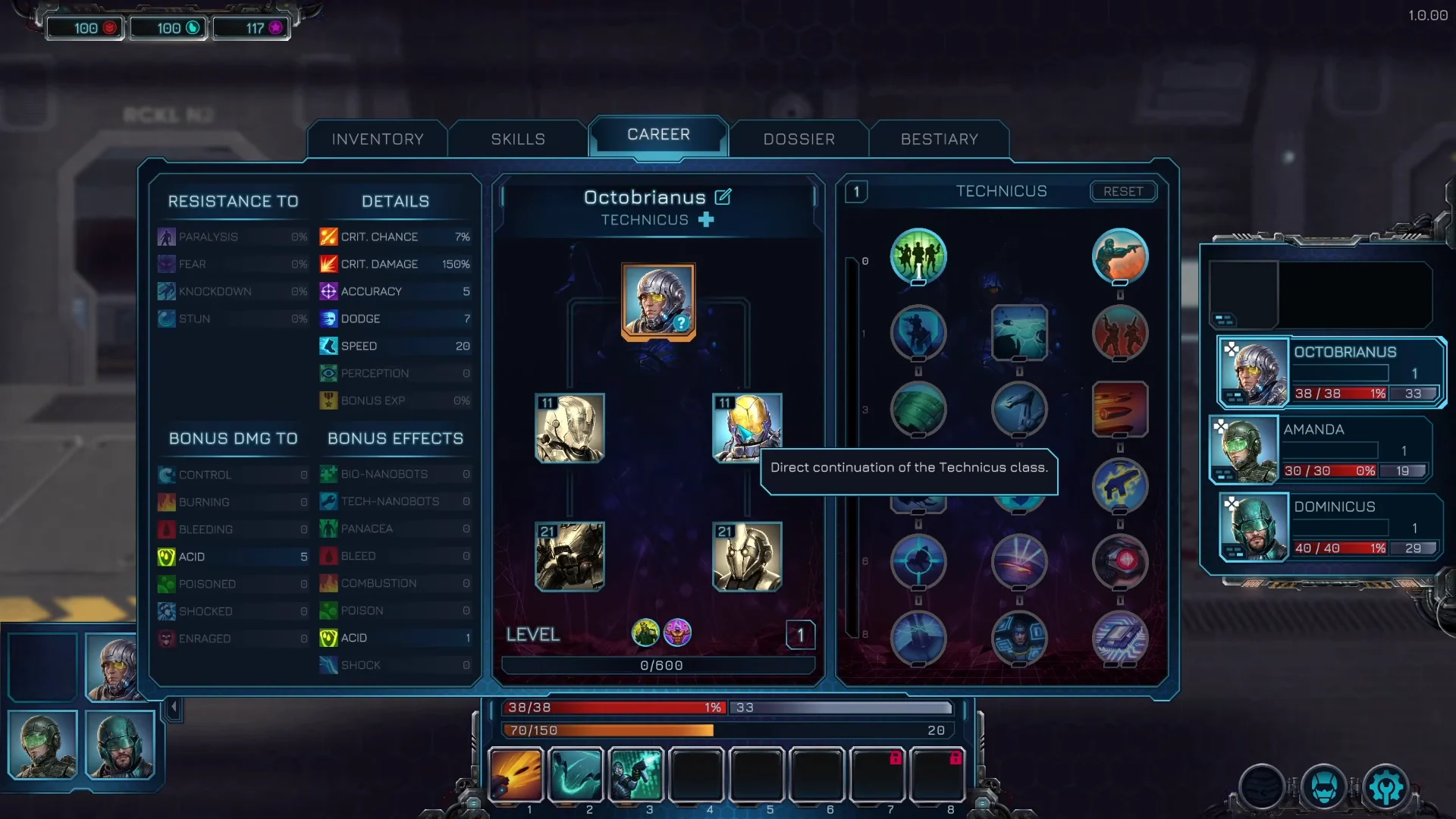
From there the tutorial run is a chain of corridor fights. You clear a first bug encounter, pick up a medic who introduces poison and healing mechanics, loot supply containers, and then find a heavy-armored defender holding a breach. Skill points arrive almost immediately, and the Career screen is where you spend them.
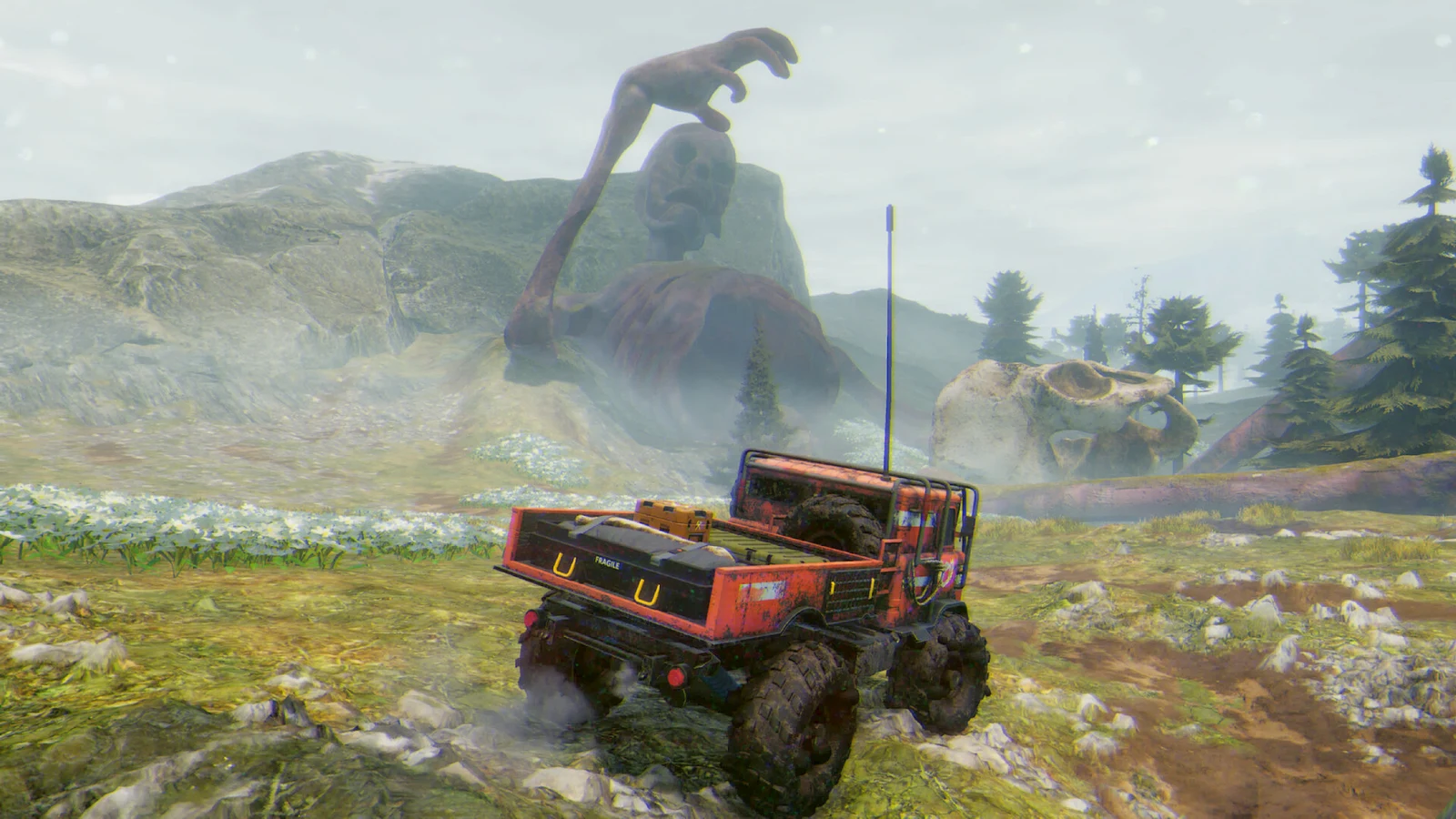
The prologue ends outside the hull on the planet surface, against a large multi-limbed boss backed by smaller adds. Beating it produces a victory summary listing XP earned, enemies destroyed, and every piece of loot collected — that screen is your confirmation the mission actually closed out. Afterwards, the crew debriefs on the bridge and the world map opens up.
Hero names differ between playthroughs because the roster is generated and dossiers can be renamed, so the soldier you rescue in the corridor may not share a name with anyone else’s run.
Hero classes and career trees
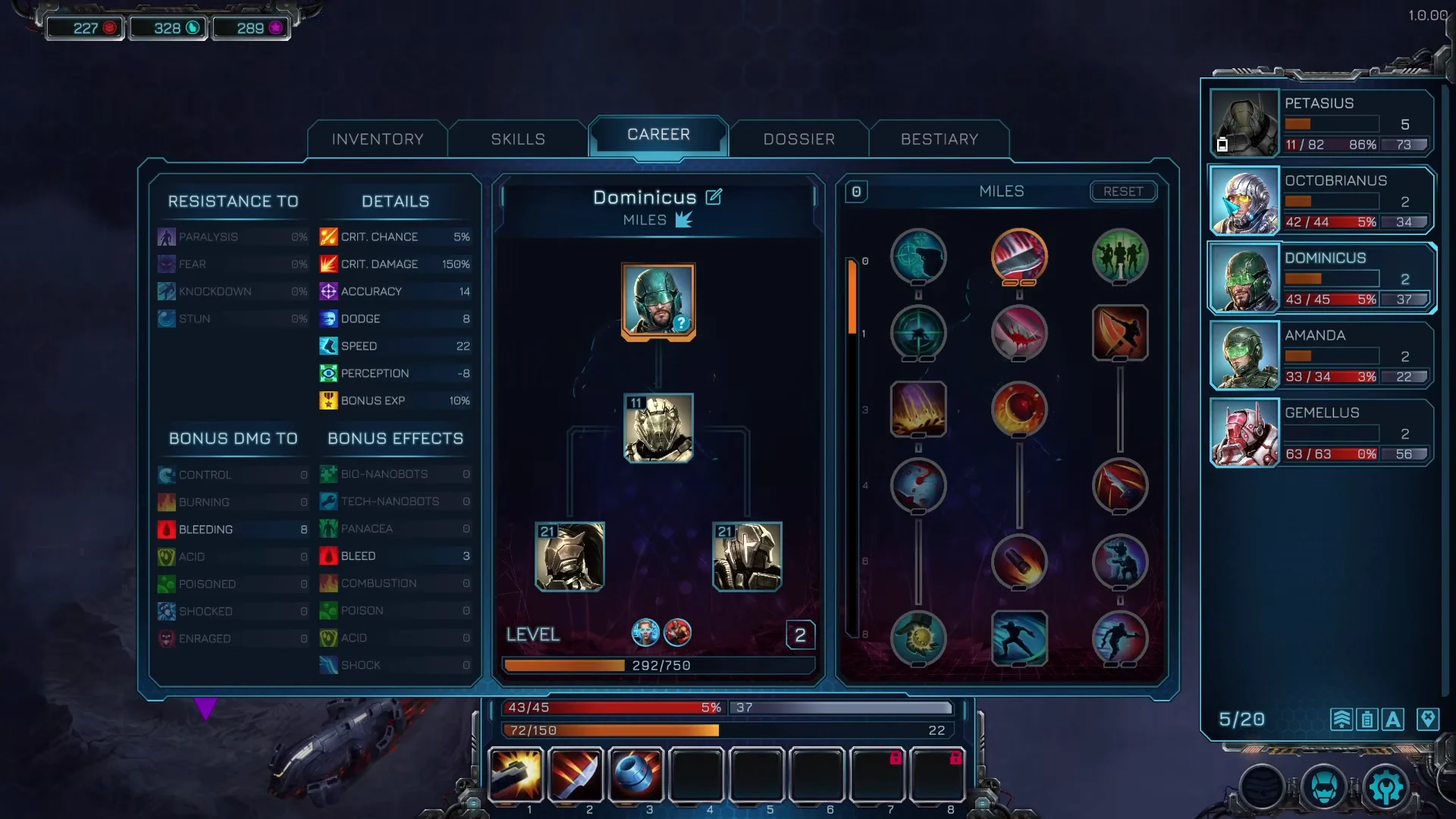
There are 23 heroes in total, split across base and advanced classes. Each one carries its own career tree, equipment slots for armor, primary and secondary weapons, and a set of resistances shown on the hero sheet.
| Class | Squad role | Example skills |
|---|---|---|
| Technicus | Tech support, ranged | Tech Shooter, nanobots, laser targeting |
| Miles | Frontline soldier | Blade Strike, Short Burst, Deep Cuts |
| Medicus | Healing and poison | Bioinjector, Toxic Shot, Endotoxin |
| Defencor | Armored tank | Shotgun, taunts, damage soak |
| Pellentes | Sniper | Piercing shots, High-Explosive Grenade |
A Mechanicus also appears as a high-level guest unit on certain missions, which is a useful preview of what the later tree unlocks look like. Beyond the class trees, heroes carry personal traits — some purely negative, like obesity on a heavy defender — that shift their stats.
Combat rules: initiative queue, armor, and status effects
Fights are turn-based with a visible initiative queue, so you always know who acts next on both sides. Damage is calculated against armor values, and heavily shelled enemies absorb a large share of incoming hits until that armor is stripped or bypassed. Your own armor can be repaired mid-fight with tech nanobots.
Most of the depth comes from stacking effects between characters rather than raw damage. Common statuses include:
- Poison and corrosive acid, applied by medics and enemy spitters alike
- Bleed stacks from blades and precision shots
- Combustion, triggered by grenades and incendiary hits
- Paralysis and knockdown, used to skip a dangerous enemy turn
- Taunt and aggro control, which forces attacks onto an armored defender
Boss encounters are named and tracked in a Bestiary you can open mid-fight to check resistances. The early ones include the Eviscerator outside the ship breach, the giant scorpion Androctonus in the tunnels, the heavily armored Goliath, and Sonicus the Rolling Giant, which has to be cracked out of its shell before it retreats.
Ship facilities between missions
The crashed Solaris is the hub. New sections unlock as the campaign progresses, each run by a named officer and each upgraded from the Command Center grid using credits and bio-materials.
| Facility | What it does |
|---|---|
| Command Center | Buys facility upgrades and expands tactical reserve |
| MedBay | Treats fatigue and wounds in integration capsules |
| CryoCenter | Wakes new soldiers from stasis to grow the roster |
| Arsenal | Buys and sells weapons, armor, and drones |
| Operations HQ | Sends idle heroes on background resource tasks |
MedBay upgrades are split into Capacity, Gene Stimulation, and Effectiveness. Gene Stimulation is where you apply stimulants: Palet grants +25% bonus experience, while Sanus slows fatigue accumulation. In the CryoCenter, Identification raises the level of heroes that appear in pods and Prioritization refreshes the available pool, with a level 5 recruit costing 300 bio-materials.
Tactical Reserve and Improved Logistics in the Arsenal are worth buying early, since they widen how much gear you can hold and move between missions.
World map and mission levels
Between deployments you sit on a planetary map dotted with mission nodes, each showing a recommended level range and a task description. Squad status cards on the same screen show fatigue and health, so a hero who just came back bloodied can be benched for the next run.
| Mission | Recommended level | Focus |
|---|---|---|
| Nightmare | 1–3 | Rescue operation on the surface and caves |
| General Cleanup | 1–3 | Clearing bugs inside the ship interior |
| Break Through at Any Cost | 4–8 | Deep tunnel push with reinforced waves |
| Hangar | 4 | Repeatable run for bio-materials and rare loot |
Missions deploy up to four heroes. Loot drops mid-run from crates, corpses, and resource nodes, and everything not equipped can be sold at the Arsenal for credits.
Early Access limitations to expect
Combat, art, and character progression draw the most praise. The complaints are consistent too: the story is thin and mostly confined to a handful of missions, mission objectives repeat, and the mid-game leans hard on replaying lower-level content for XP and gear. Inventory management is the other recurring gripe, with clunky sorting and item icons that read as placeholder.
The recommended level ranges on the map can understate what a mission actually demands — players report content marked for levels 4–6 realistically needing level 8 or higher squads.
Base building is also shallow at this stage. Most facility upgrades are numerical, adding shop slots, recovery capacity, or extra Operations assignments rather than new systems. If you are here for the turn-based fights and build experimentation across 23 heroes, that trade is easy to accept; if you want a narrative campaign, it is not there yet.