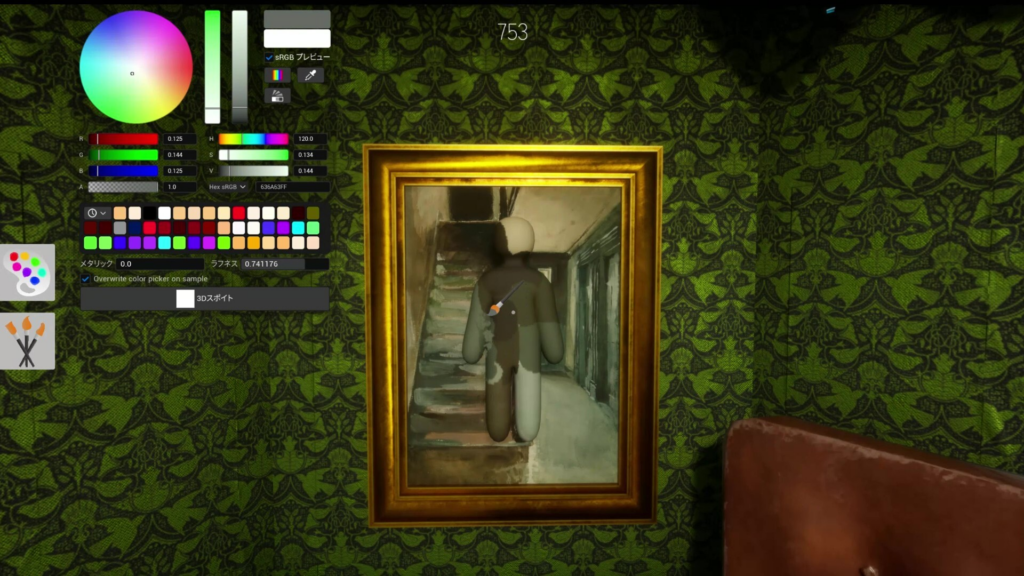
Meccha Chameleon turns hide-and-seek into a body-painting contest, and the Steam Workshop has pushed that idea into maps that can swallow a careless Hunter whole. The toughest community creations are not the ones with tricky puzzles. They are the sprawling, prop-dense layouts where a well-camouflaged Runner can sit untouched for an entire round while the Hunter sweeps the wrong room. Below are the seven maps that swing hardest toward the Runners, why each one is a challenge, and the lobby settings that pull the difficulty back to center.
Quick answer: The hardest maps to play as a Hunter are the large, cluttered builds — Restaurant Building, The Village, Mita’s Apartment, Maplestory Lacheln, Minecraft House, The Market, and Simpsons Family House. Run at least two Hunters and turn on Infection mode (and automatic taunting on the biggest maps) to keep rounds winnable.
What makes a Meccha Chameleon map hard
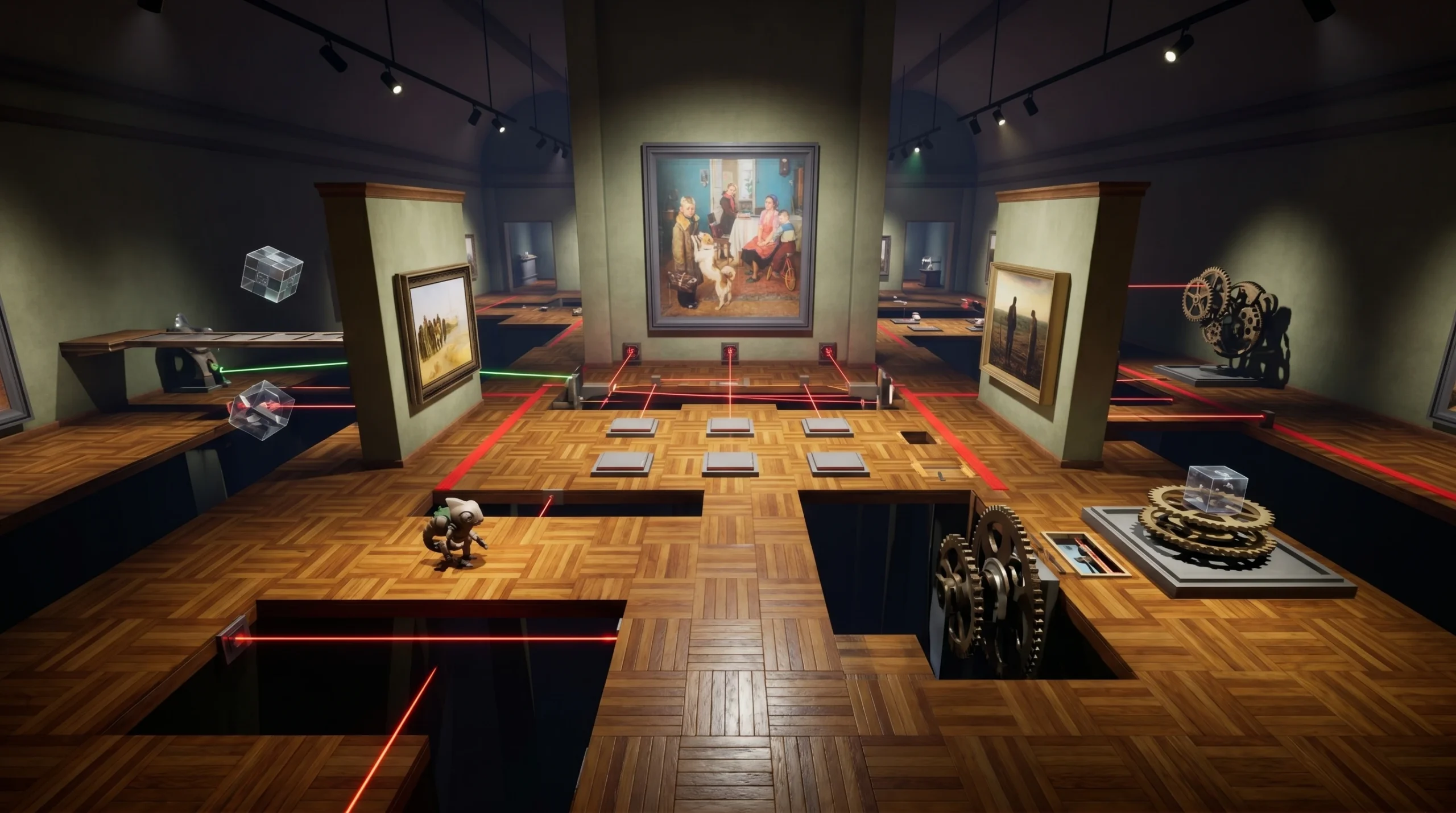
Difficulty in this game falls almost entirely on the Hunter. A map gets harder to clear when it stacks three things together. First, raw size, because more floor space means more ground to cover before the round ends. Second, prop density, since every sofa, crate, or produce stand is a place a Runner can match and disappear into. Third, varied surfaces and lighting, which let Runners blend their paint job into walls and shadows instead of sticking out.
Seekers also have no flashlight, so dark corners are a permanent advantage for hiders. Maps that combine big footprints with heavy clutter and shadowed rooms are the ones that reliably frustrate solo Hunters.
The 7 hardest workshop maps, ranked by Hunter difficulty
| Map | Why it’s tough | Recommended settings |
|---|---|---|
| Restaurant Building | One of the largest builds at 162 MB, with dining areas, storage, bathrooms, and clutter in every room | 2+ Hunters, Infection for big groups |
| The Village | A wide outdoor map of houses, roads, and props; matches drag without help | 2+ Hunters, Infection, automatic taunting |
| Mita’s Apartment | Looks small but adds a full underground basement and dense furniture | 2+ Hunters for larger lobbies |
| Maplestory Lacheln | Varied textures and building layouts make blending almost effortless | Infection or Double mode |
| Minecraft House | Blocky surfaces are hard to match, forcing creative camouflage that Hunters miss | 2+ Hunters, Infection; limit hiding to the interior for small groups |
| The Market | Tightly packed stalls, sheds, and pathways create dense hiding despite a modest size | At least 2 Hunters |
| Simpsons Family House | Cartoon look hides a surprising number of props and spots | Multiple Hunters, Infection for big groups |
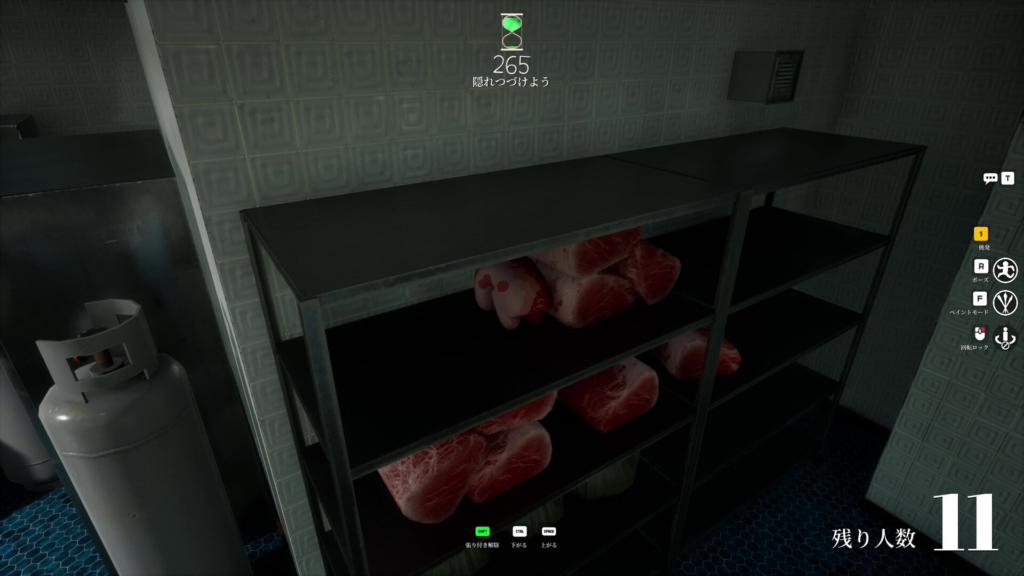
Restaurant Building
Built by Zeminah, this restaurant complex is one of the biggest files in the Workshop and it plays like it. Dining rooms, storage spaces, bathrooms, and delivery areas all carry their own clutter, so every room genuinely needs a second look. A handful of experienced Runners can keep cycling through spaces while a single Hunter checks the wrong wing.
The Village
The Village is Tunep’s larger follow-up to The Market, spreading houses, roads, and props across a much wider area. It is one of the most ambitious maps available, and without lobby tweaks, the Hunter side can feel hopeless. Two Hunters, Infection mode, and automatic taunting are the differences between a fun round and an endless search.
Mita’s Apartment
This MiSide-inspired build from “fujinn” and “NiKo x m0NESY” recreates the game’s apartment and tucks a full basement underneath it, so it is far larger than first impressions suggest. The many rooms and furniture pieces tilt strongly toward Runners, especially once a group has memorized the strongest spots. Add a second Hunter for bigger lobbies.
Maplestory Lacheln
Skolas rebuilt the MapleStory city in full 3D, with glowing lights, colorful buildings, and a mix of bright and shadowy corners. The visual variety is the catch — there are so many textures and props that matching the environment is easy for hiders. Infection or Double mode is the recommended way to keep Hunters in the fight.
Minecraft House
IAmChris_’s blocky home and yard add a different kind of difficulty. Because the game currently can’t paint perfect square pixels, Runners have to improvise their camouflage in ways that often slip past a Hunter’s eye. Larger groups should run Infection and two Hunters; smaller groups can keep it fair by limiting hiding to the inside of the house.
The Market
The Market proves a map doesn’t need to be huge to punish a lone Hunter. Tunep packs houses, sheds, storefronts, produce stands, and narrow paths into a compact space, creating a dense hide-and-seek playground. The creator’s own advice is to bring at least two Hunters, and once Runners learn the layout, you’ll understand why.
Simpsons Family House
Nico’s take on the Simpsons’ home looks like a cartoon, but the clean style hides a long list of props and hiding spots. It rewards Infection mode and multiple Hunters with bigger groups, since the bright surfaces give Runners plenty of color to copy.
How to subscribe and load a workshop map

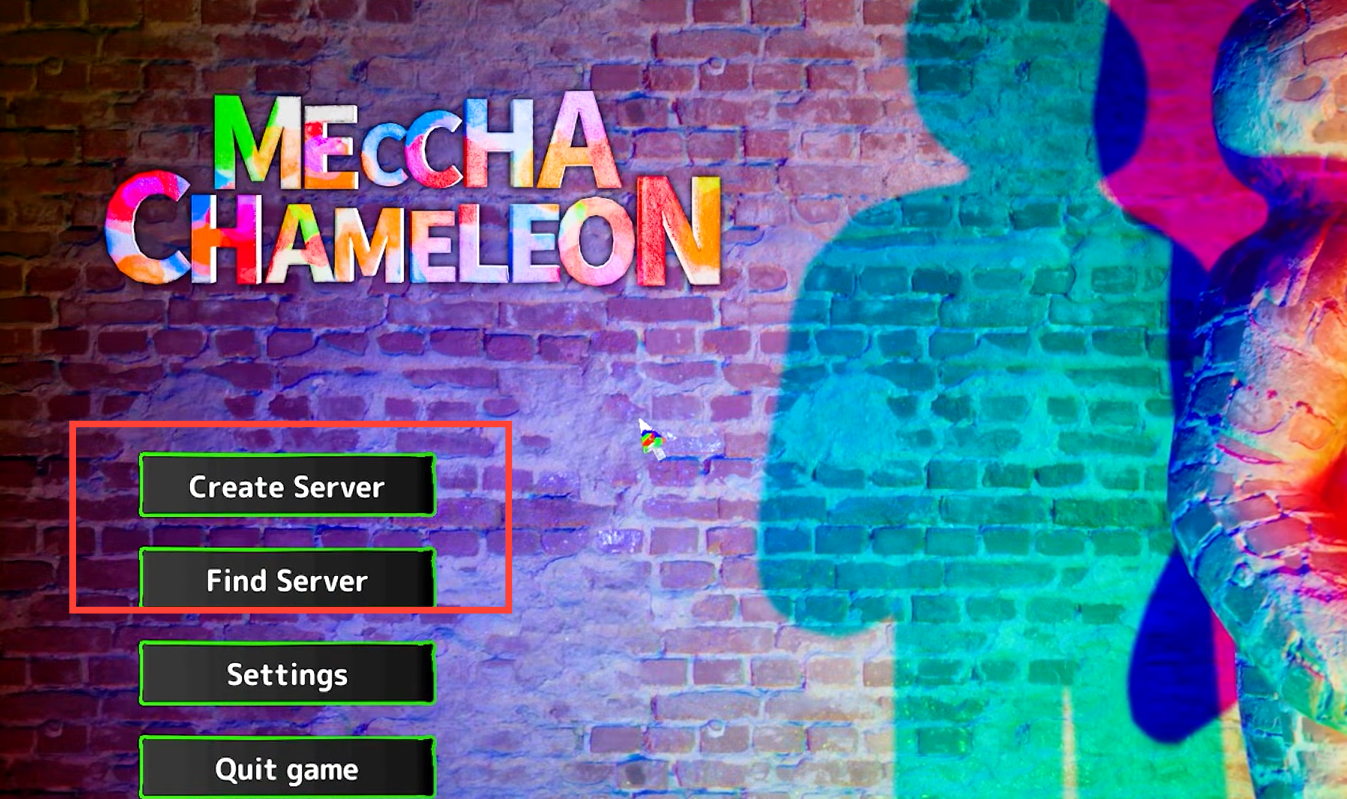
If a map never shows up, unsubscribe and resubscribe, restart Steam, then load back in. Checking the map’s Workshop comments can also tell you whether other players are seeing the same sync problem.
Settings that keep hard maps fair
The bigger the map, the more the lobby needs to lean on the Hunter side. A few adjustments fix nearly every “no one can be found” round.
- Run at least two Hunters on any large or prop-heavy map so the floor gets covered before time runs out.
- Enable Infection mode for big groups, which converts caught Runners into Hunters and snowballs the search.
- Turn on automatic taunting on the widest maps like The Village to flush out players who are otherwise impossible to spot.
- For small lobbies, set house rules such as limiting hiding to a building’s interior to shrink the search area.
Match the mode to the map, and the difficulty stops working against you. With two Hunters and Infection switched on, even Restaurant Building and The Village become tense, fast rounds instead of slow sweeps — which is exactly where these maps are at their most fun.