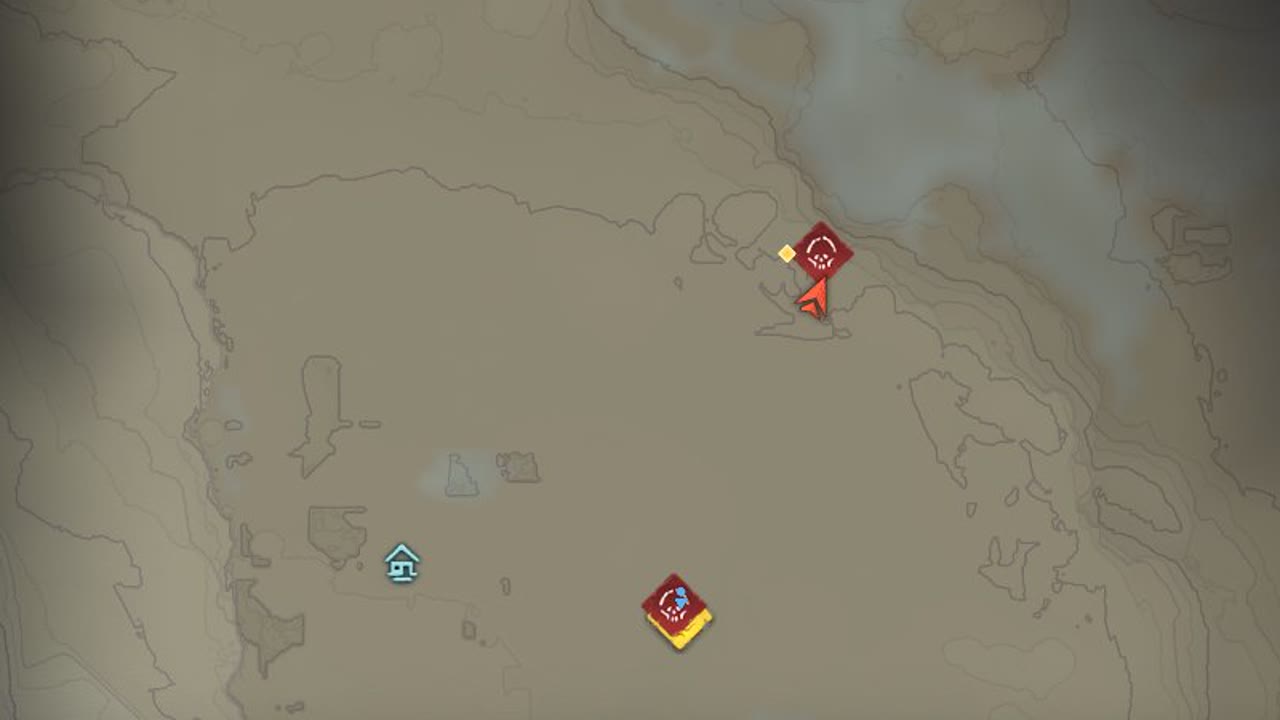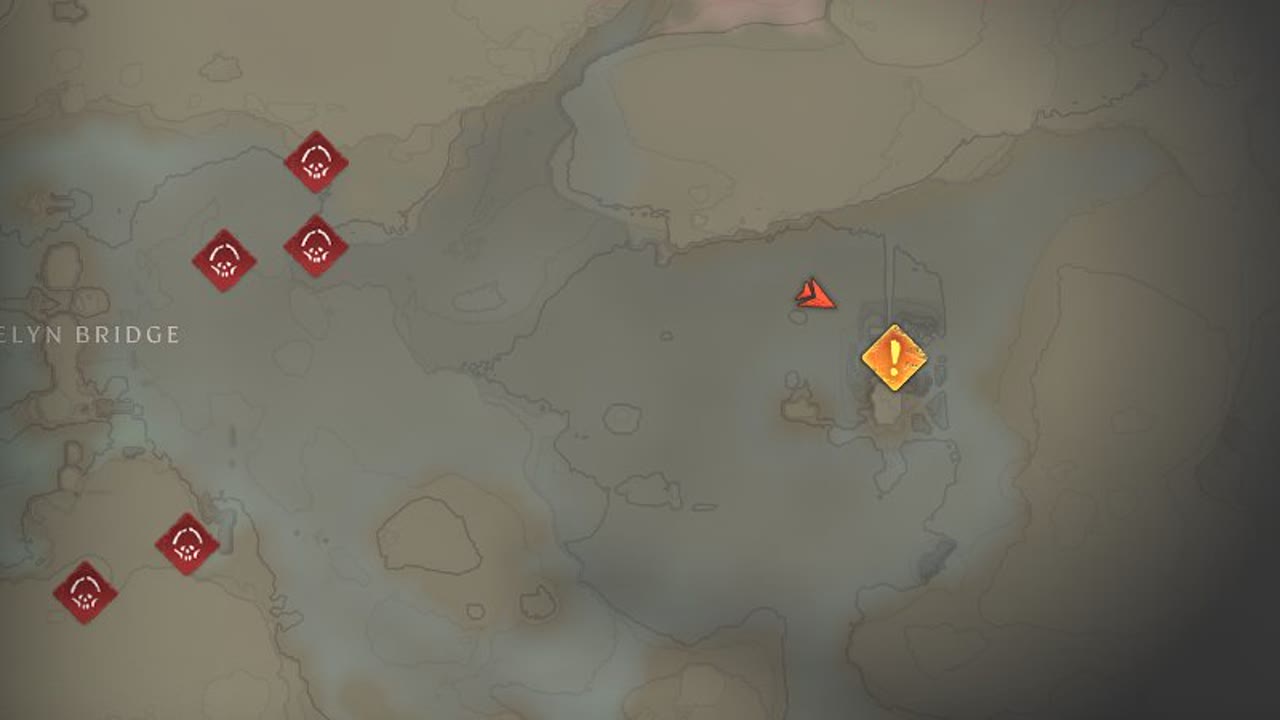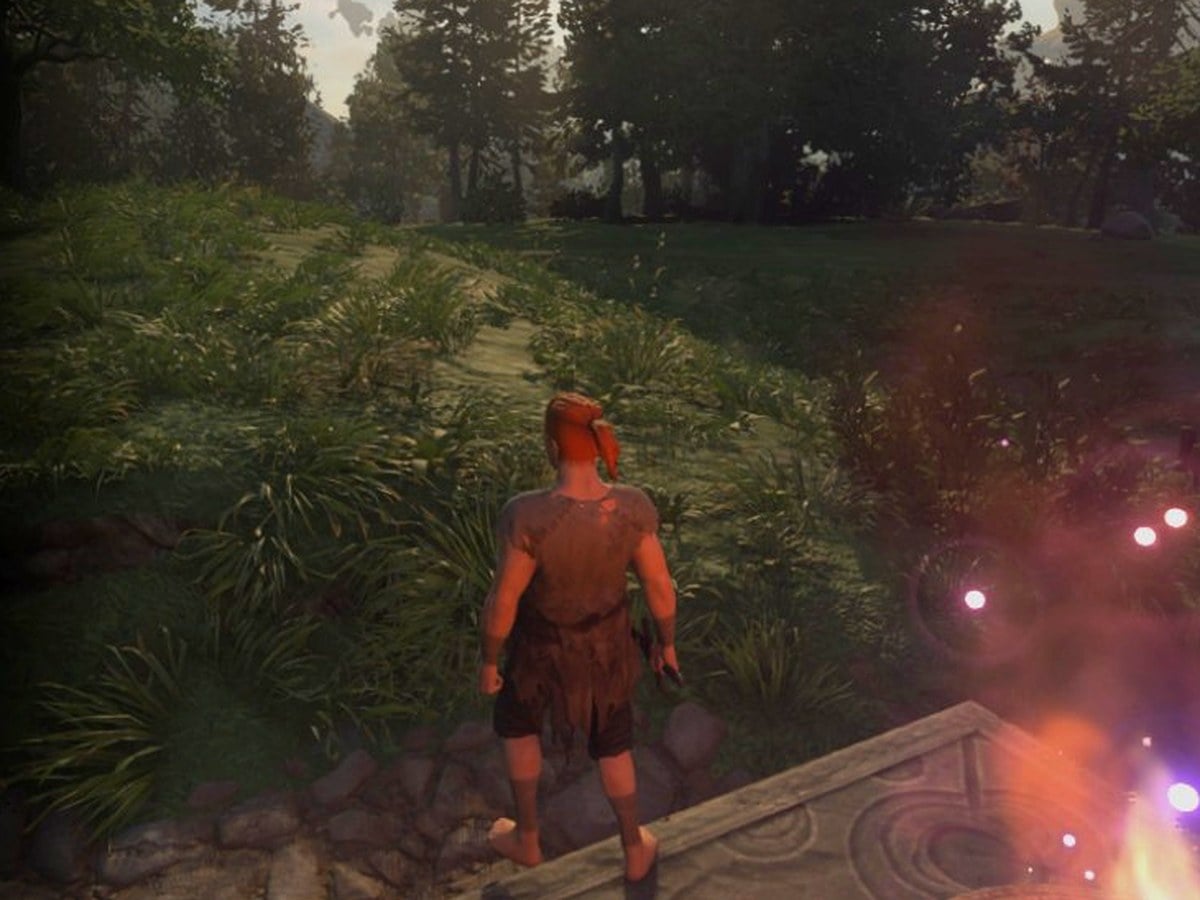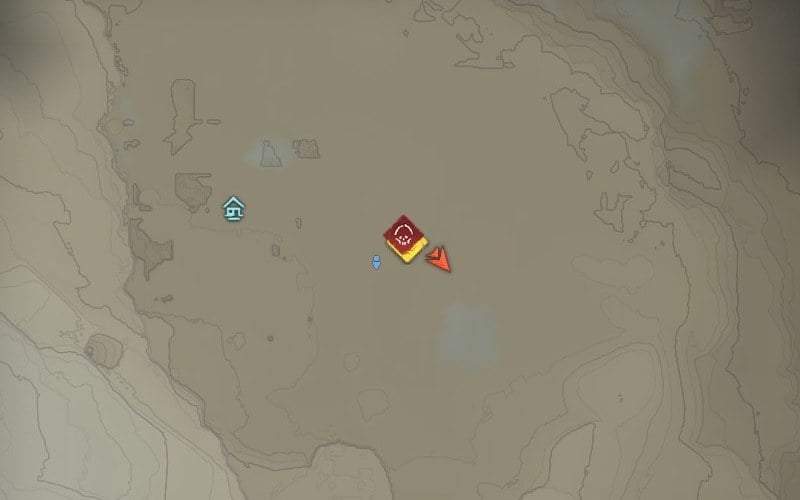

Flint is the resource that ends your stone age in Valheim. It is the gate between punching trees with a flimsy stone axe and running a proper workbench, and the game never tells you where it is. The answer is narrower than most new players expect: flint does not come out of rocks, it does not spawn in the woods, and it does not scale with how deep you explore.
Quick answer: Walk to the nearest river, lake, or ocean shore in the Meadows during daylight and press E on the flat, light-grey stones lying in the sand or shallow water. The pickup message reads “Added Flint x3”.
Where flint spawns in Valheim
Flint generates naturally on the shorelines of the Meadows biome and nowhere else in the world’s terrain. That means the edge of the ocean, the banks of rivers cutting through the grass, and the rims of the small ponds and lakes scattered across the starting biome. It clusters at the waterline itself, sitting partly in the sand and partly in the shallows.
The one exception to the shoreline rule is Fuling Villages in the Plains, where destroying a tanning rack drops flint. That is a very late option for a very early material, so treat the Meadows coast as your only realistic supply.
| Location | Worth searching? |
|---|---|
| Ocean beaches in the Meadows | Best option — long, open, uninterrupted coastline |
| River banks in the Meadows | Very good, and usually close to your first base |
| Lake and pond edges in the Meadows | Good, and easy to circle completely in one pass |
| Wooded interior of the Meadows | No — flint does not spawn away from water |
| Ordinary stone deposits and boulders | No — mining them yields stone, never flint |
| Fuling Village tanning racks (Plains) | Drops flint, but far too dangerous to farm early |
How to identify flint on the ground
Flint and stone spawn side by side on beaches, and the difference is entirely visual. Regular stone is dark grey to near-black and roughly spherical. Flint is a pale grey or almost white, flatter, smoother oval that sits low against the sand. Once you have picked up a few, your eye locks onto the colour difference instantly.
Note: this is why the forest is a bad place to hunt for it. Under tree canopy, the pale colour is swallowed by shadow, bushes, and ground clutter, and you will walk straight past it. Open sand and damp shoreline soil make the same stone obvious from ten metres away.
How to collect flint


What the first piece of flint unlocks
You do not need to research anything or talk to anyone. The moment a single piece of flint enters your inventory, the recipes appear in your crafting and building menus at the workbench.
| Unlock | What it does |
|---|---|
| Flint Axe | Chops trees faster and lasts longer than the stone axe |
| Flint Knife | Fast, light melee weapon for hunting and weak enemies |
| Flint Spear | Melee reach plus a throwable ranged option |
| Flinthead Arrow | Higher damage than wooden arrows |
| Chopping Block | Workbench upgrade that raises its crafting level |
| Tanning Rack | Second workbench upgrade, taking it to level 3 |
| Flint Pile | Storage build piece for stacking flint |
The workbench upgrades are the real reason to prioritise flint. A higher-level workbench unlocks better crafting and lets you upgrade the gear you already own, so the Chopping Block and Tanning Rack usually deserve your flint before the weapons do.
Farming flint repeatedly on the same shoreline
Flint picked up from the terrain respawns roughly four hours later, which turns a single good beach into a renewable supply. Mark productive stretches of coast with a map marker and rotate between two or three of them instead of wandering further out each time.
The fastest loop is to build a small shelter with a bed and a fire on a flint-heavy shore. Clear the beach, sleep through the night, and by morning the nodes have repopulated — which also keeps you off the coast during the hours when tougher mobs spawn and the Cold debuff cuts your health and stamina regeneration.

Why you are not finding any flint
- You are mining rocks. Breaking stone deposits or boulders never produces flint. It is a ground pickup only.
- You are searching inland. If you cannot see water from where you are standing, you are in the wrong place.
- You are searching in the forest. Pale flint disappears against shaded undergrowth. Move to open sand or grass at the water’s edge.
- You are searching at night. Visibility drops, more and stronger enemies spawn, and the Cold debuff slows your regeneration.
- You already cleared that beach. Nodes need time to come back. Move to another marked shore and return later.
- You drifted toward the Black Forest. Greydwarves spawn near the border and hit far harder than Meadows enemies, which turns a gathering run into a fight.
One caution before you wade in: swimming drains stamina fast, and drowning early on means losing your gear and skill levels. Stick to the shallows you can walk in, leave the deeper pieces alone unless you are certain you can reach them, and watch for Necks patrolling the same water you are combing. A single loop of one decent shoreline is usually enough flint for a knife, an axe, and both workbench upgrades.