The Mi-28 Havoc is the dedicated attack helicopter in WARDOGS, and it runs as a two-person crew. The pilot handles the airframe and rocket fire while a second player takes the gunner seat and works the nose cannon. Getting real value out of that gunner seat depends on three things: unlocking the aircraft, arming it properly, and knowing what will shoot you out of the sky.
Quick answer: The Havoc unlocks at Pilot Level 35 and costs $500,000 to buy. A full kit of countermeasures, cannon ammo, and rockets runs about $25,000. Its biggest hard counter right now is the player-built CIWS (C-RAM), which can delete the helicopter, tanks, and fortifications with no overheat.
How to unlock the Mi-28 Havoc
The Havoc sits at the top of the Pilot progression track. You need to reach Pilot Level 35 before you can purchase it, and the purchase itself costs $500,000. That is a heavy commitment compared with lighter airframes, so most players build up the Little Bird and Huey first before touching the attack helicopter.
| Requirement | Value |
|---|---|
| Pilot level to unlock | Level 35 |
| Purchase cost | $500,000 |
| Full ammo and countermeasure kit | ~$25,000 |
| Crew seats | 2/2 (pilot + gunner) |
Because the aircraft is a rotary-wing attack platform rather than a taxi, both seats matter. The gunner is not a passenger. That second player is the one putting rounds on infantry, vehicles, and structures while the pilot keeps the airframe steady.
Arming the Havoc at the Garage Vendor
You buy ammunition and countermeasures from the Garage Vendor menu in the Safe Zone before takeoff. Opening the vendor lets you stock flares, cannon ammunition, and rockets against your earned cash. Skimping here is how a crew ends up flying into a hot zone with no defensive options left.
| Item | Role | Cost |
|---|---|---|
| Flares | Anti-air countermeasure, deploys 3x bursts | $750 |
| 30MM HE Cannon | High-explosive cannon rounds, small area of effect | $500 |
| 122MM HE Rocket | High-explosive unguided rocket, large area of effect | $150 each |
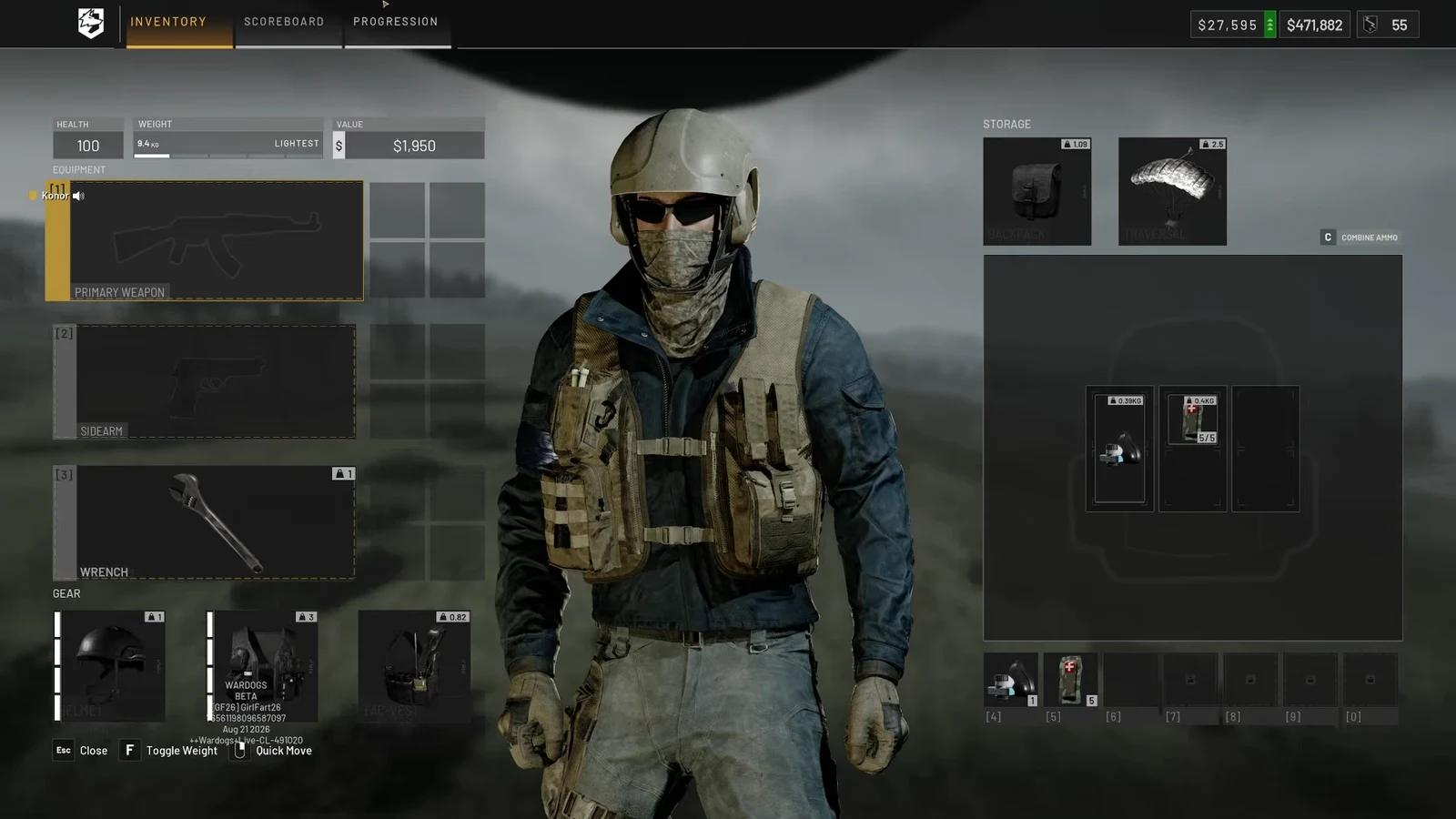
You can check your full kit from the inventory screen, which lists your equipment, storage, character loadout, health, weight, and total item value. Confirm the flare count and cannon ammo before you lift off rather than after you take the first lock warning.
Havoc gunner seat: thermal camera and 30mm cannon
The gunner works from a thermal camera that now includes a zoom function, which was not present in the pre-alpha build. That zoom makes it far easier to pick out infantry and spawn vehicles as the aircraft passes over a town, and to keep tracking targets at range.
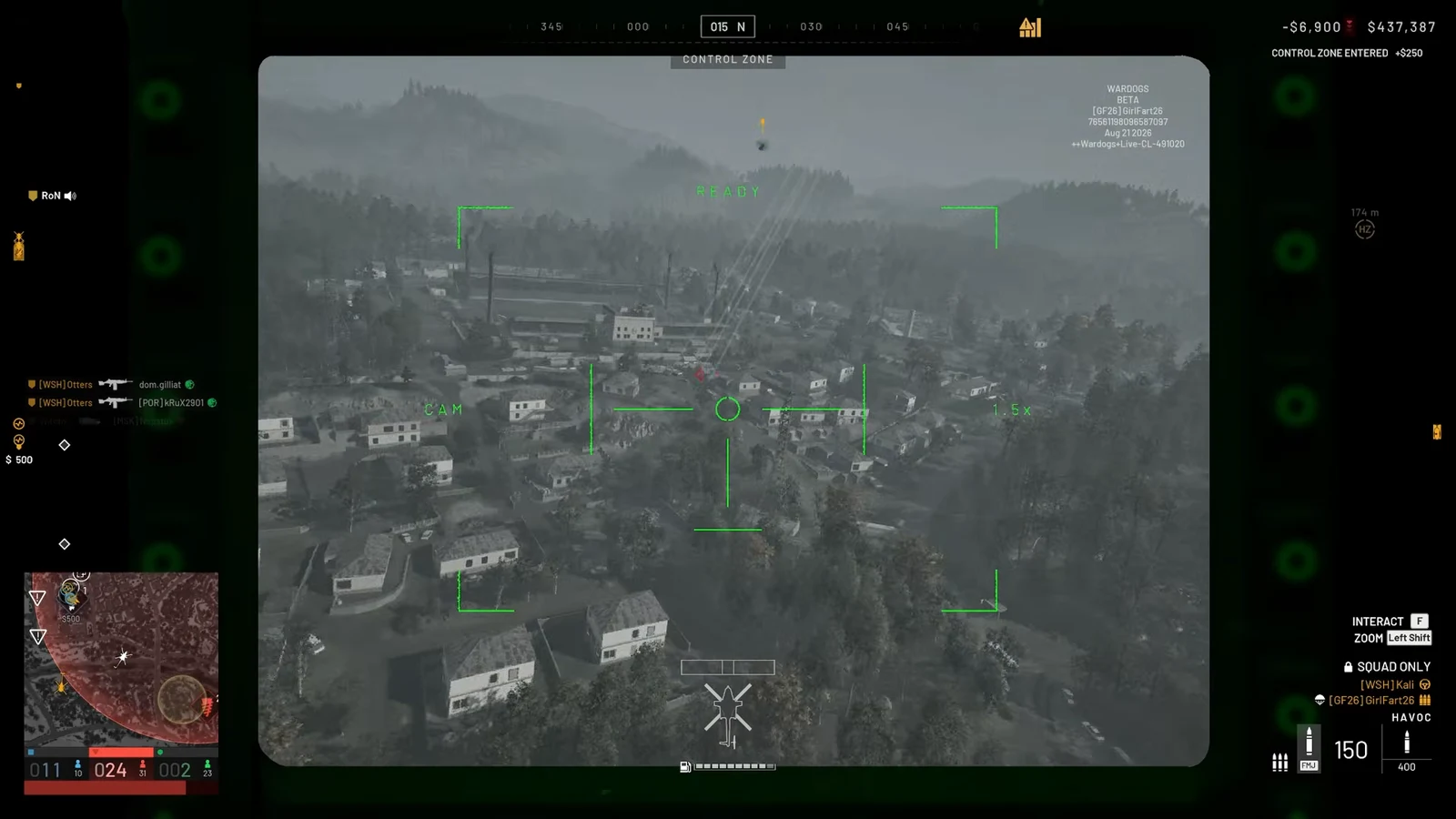
One thing to account for is shell travel time. The 30mm cannon rounds move relatively slowly, so you need to lead moving targets and factor in the aircraft’s own motion. Rockets, meanwhile, were nerfed against aircraft. Destroying a Little Bird used to take a single rocket and now takes three, which pushes the Havoc’s rockets more toward ground targets and fortified positions.
Flying the Havoc: crew roles and flight model
The Havoc’s flight model sits between a Little Bird and a Huey. It is heavier than the nimble Little Bird but more maneuverable than the Huey, and it rewards a hovering, positioning-focused style rather than high-speed passes. A skilled pilot holds a stable platform so the gunner can line up shots, and repositions between engagements instead of orbiting one spot.
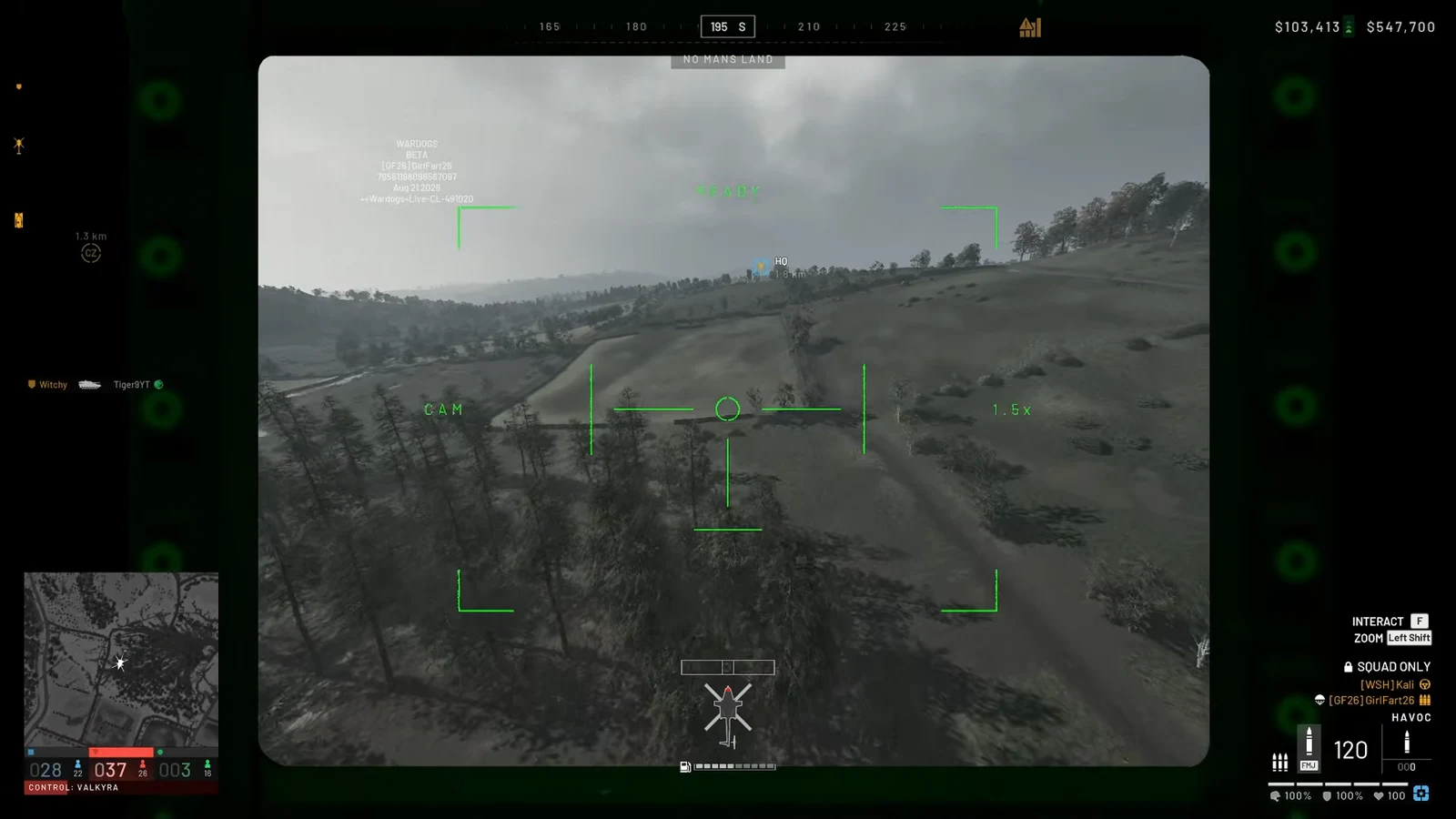
Terrain flying is part of that discipline. Experienced pilots thread the Havoc under railway bridges and low concrete overpasses along rivers to break line of sight. That kind of maneuvering keeps the crew alive when anti-air is active, but it only works if pilot and gunner communicate constantly. A poorly coordinated crew simply advertises its position to every AA weapon on the map.
The CIWS (C-RAM) threat and other anti-air
The single biggest danger to a Havoc crew is the player-built CIWS, also called the C-RAM. It is extremely effective right now, with a 5-second reload time and no overheat mechanic. It can shred Hesco barriers, dismantle forward operating bases in seconds, and destroy tanks, all while covering an effective range of about 1 km.
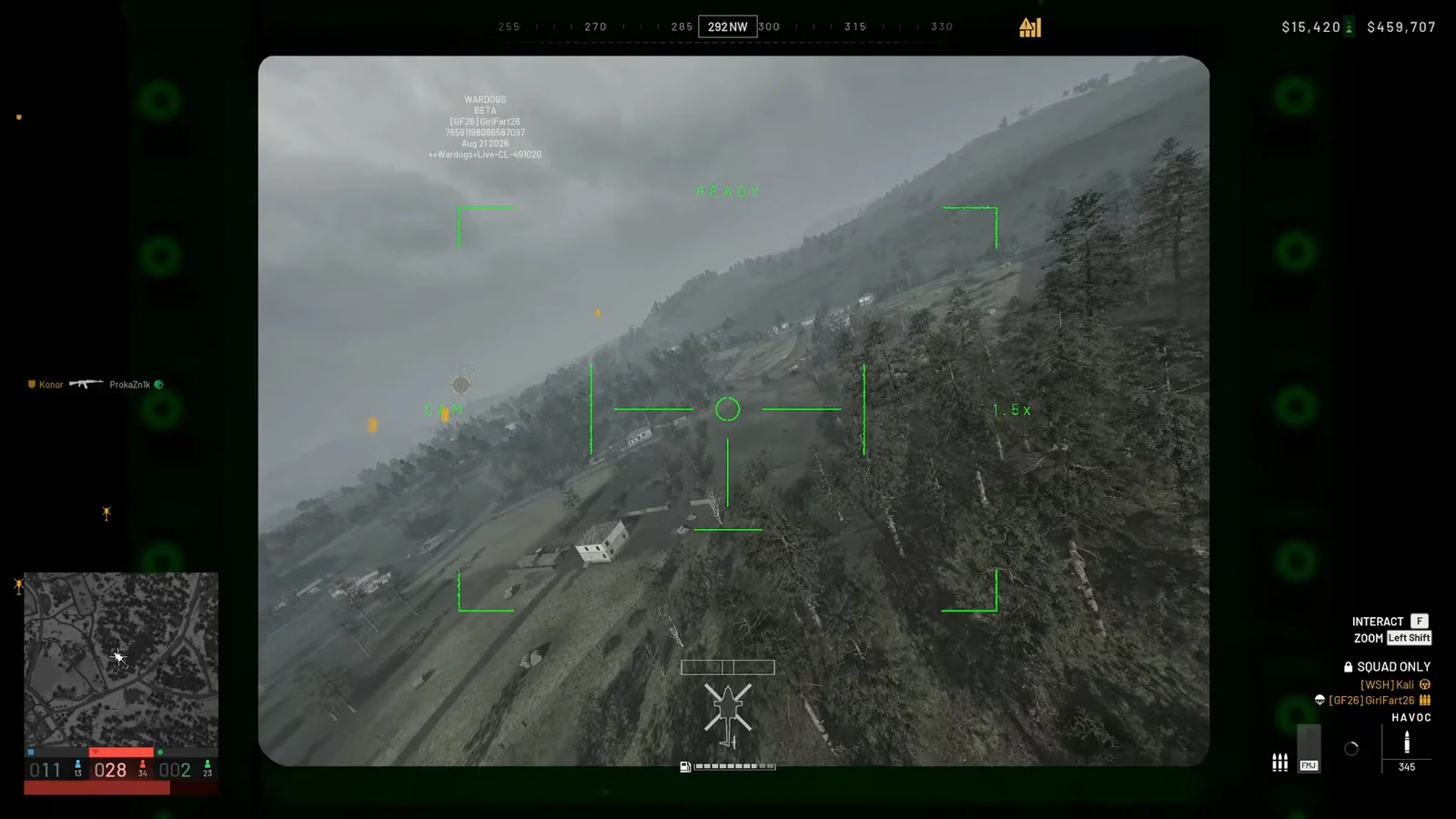
Because a CIWS being built near the objective changes the whole threat picture, the gunner should prioritize destroying one before it can fire. Spotting a CIWS under construction on open ground and removing it early is far cheaper than losing a $500,000 helicopter to it later.
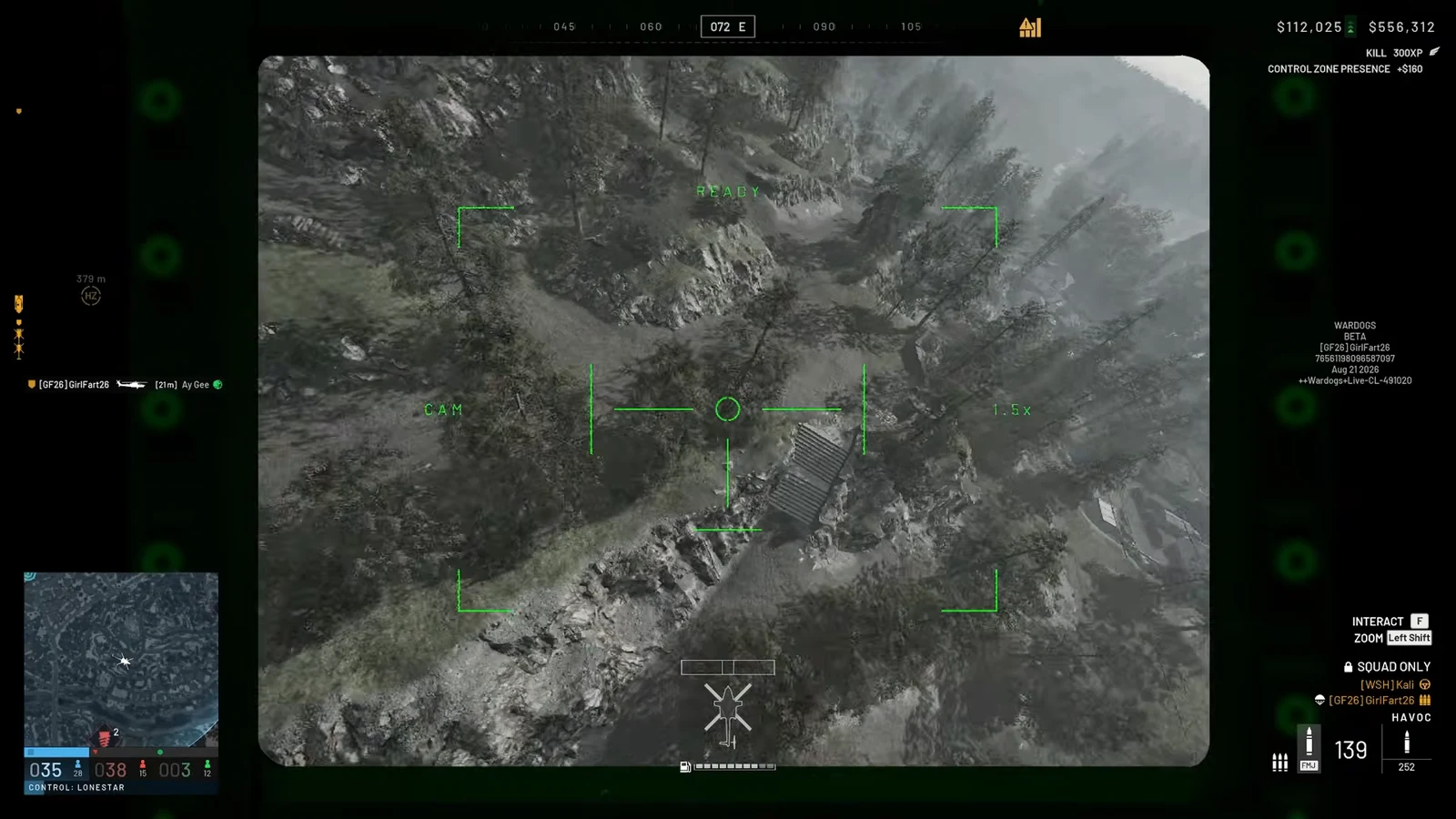
Proposed balance fixes for the CIWS include adding an overheat mechanic, reducing its 1 km effective range, or restricting where it can be placed so it cannot sit at high elevations. None of those changes are confirmed. For context on how the developer approaches balance, Bulkhead previously removed the Flakpanzer vehicle entirely because of its own balance problems, so the AA picture can shift between updates.
Major updates can reset progression and cash, so a Havoc unlock and bankroll are not guaranteed to carry across wipes. Spend deliberately before any announced reset.
Havoc gunner targets: FOBs and armor
When the anti-air picture is clear, the gunner earns its keep against structures and vehicles. High-value targets include enemy forward operating bases, including ones built on top of stadium stands, plus tanks caught on roads and infantry holed up in buildings. The 122mm rockets and 30mm cannon can strip walls off a residential building to clear defenders inside.
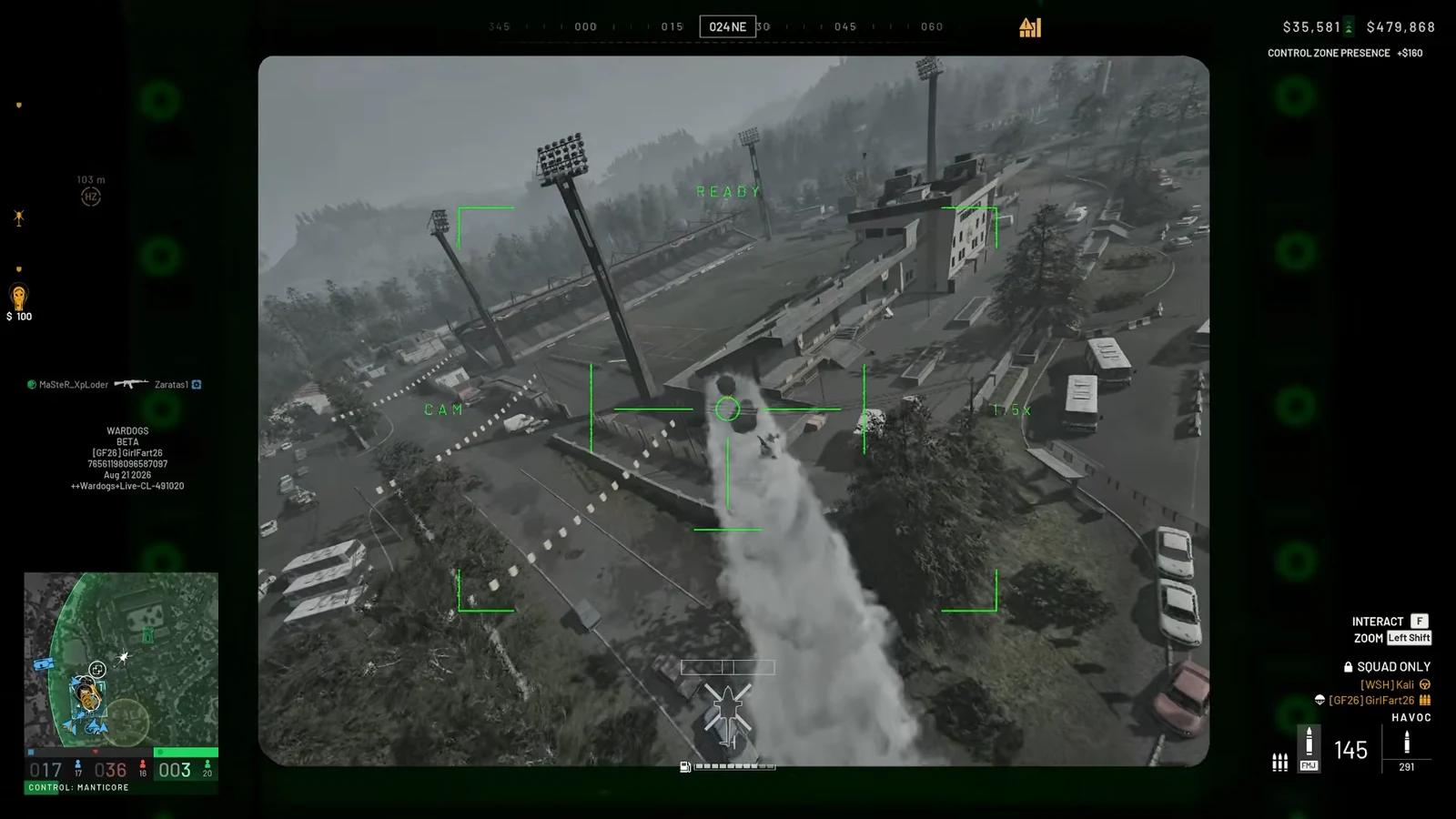
The financial reality still favors caution. A tank is a more consistent, safer investment than a Havoc, since a downed helicopter costs both the airframe and its kit. That means a gunner should treat every sortie as a resource to protect, hitting FOBs, armor, and clustered infantry, then returning to the Safe Zone to rearm rather than loitering until the CIWS finds you. Fly deliberately, remove the anti-air first, and the Havoc becomes one of the strongest support platforms on the map.