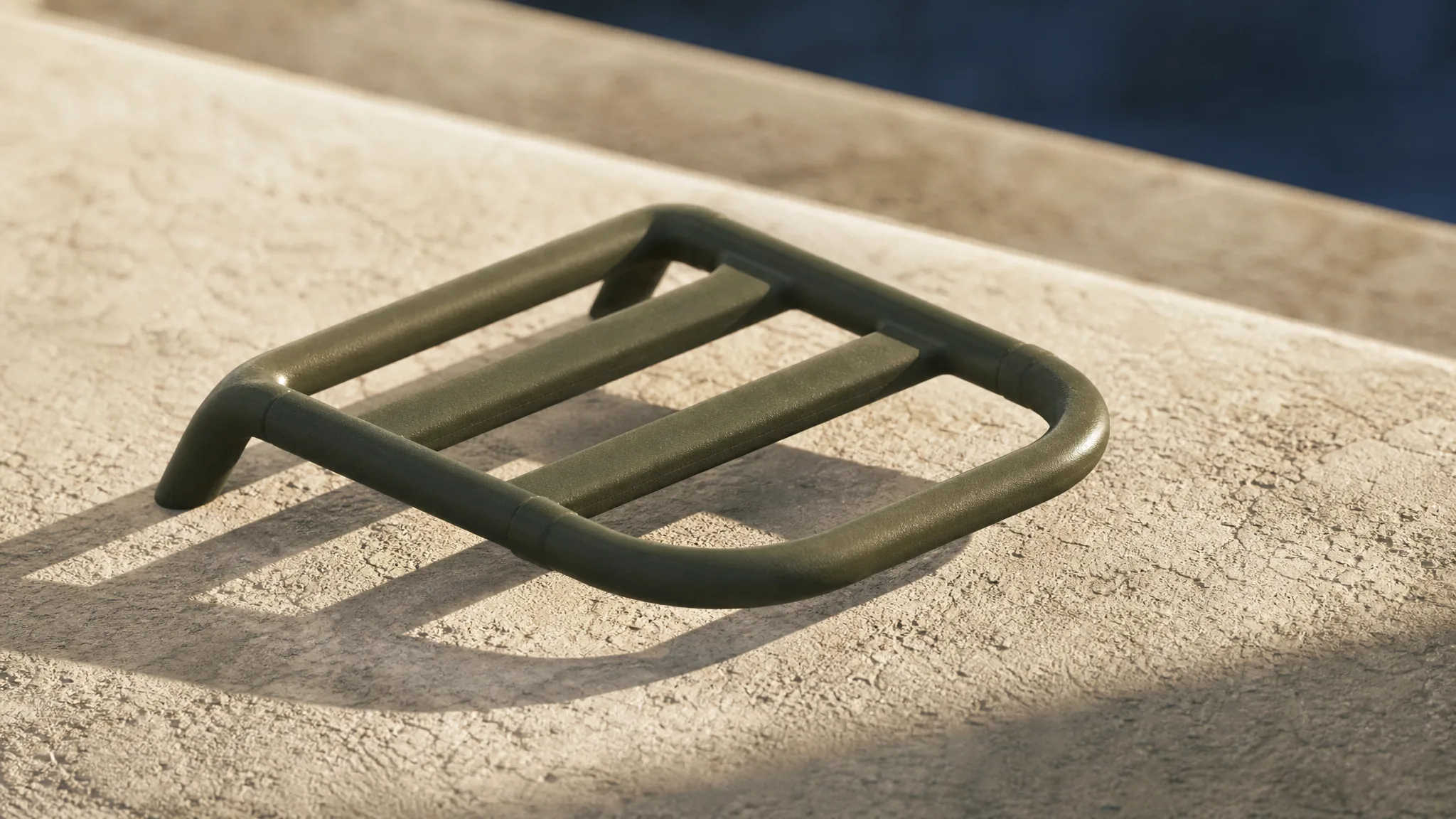
Big Walk drops your whole group onto one giant shared island, and instead of a menu you pull up, it hands you real physical props to carry, drop, and throw. There is a catch that shapes everything else. By default you can only hold one thing at a time, so every pickup is a small decision about what you actually need right now.
Quick answer: Grab a Backpack, a Walkie-Talkie, and the Foldable Map first. The Backpack removes the one-item limit, the Walkie-Talkie keeps you talking at any distance once the group spreads out, and the Foldable Map lets you check puzzle locations wherever you are.
Carrying gear that beats the one-item limit
The single-item carry rule is the first thing to solve, because it decides how much your group can move across the island in one trip. Two wearable accessories loosen that limit, and they work differently.
| Item | Image | What it does |
|---|---|---|
| Backpack | 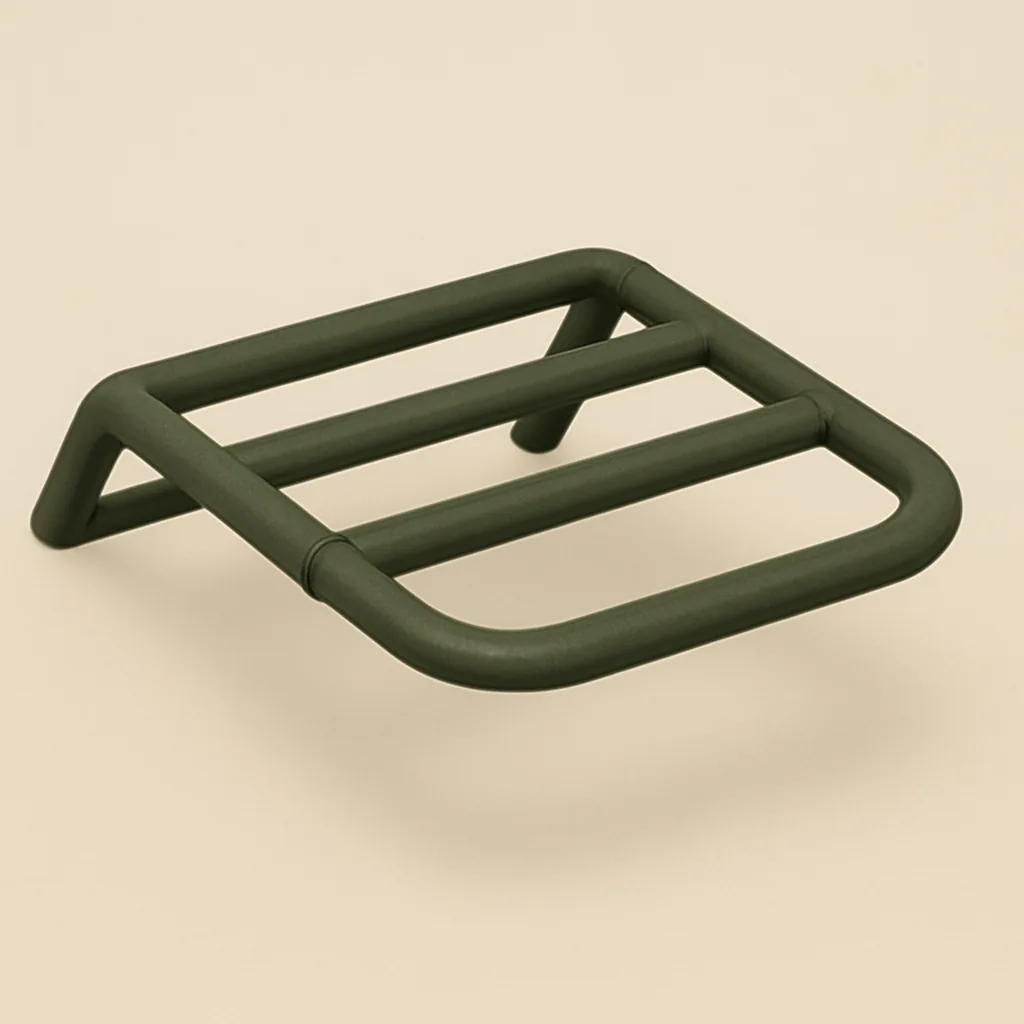 | Adds a full extra slot with no size limit, so you can carry two items of any shape. A teammate can pull the item off your back and use it. |
| Holster | 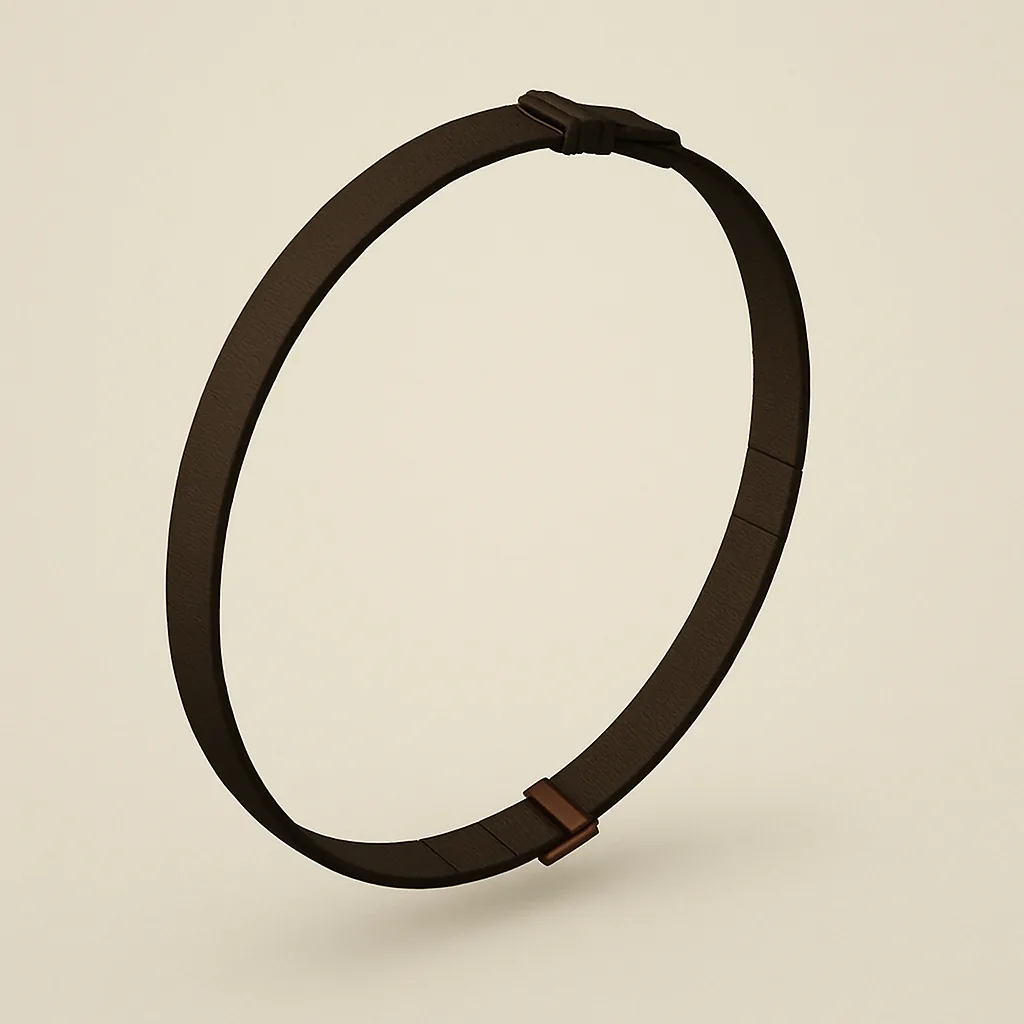 | Belt-worn accessory with a quick-eject. It holds smaller gear like a walkie-talkie or radio, so it is a partial fix rather than a full second slot. |
The Backpack is the bigger prize. Once you have one, you can hold two tools at once regardless of their size, which changes how far your group can range before someone has to double back. You can find these inside the large blue basket-shaped buildings dotted around the map, so it is worth making an early trip to one.
Communication tools for a group that keeps splitting up
Voices in Big Walk fade with distance, echo down corridors, and muffle through walls, so a party of eight or ten will lose contact the moment it fans out across puzzle zones. These tools are how you stay in touch when plain talking stops working.
| Tool | Image | What it does |
|---|---|---|
| Walkie-Talkie | 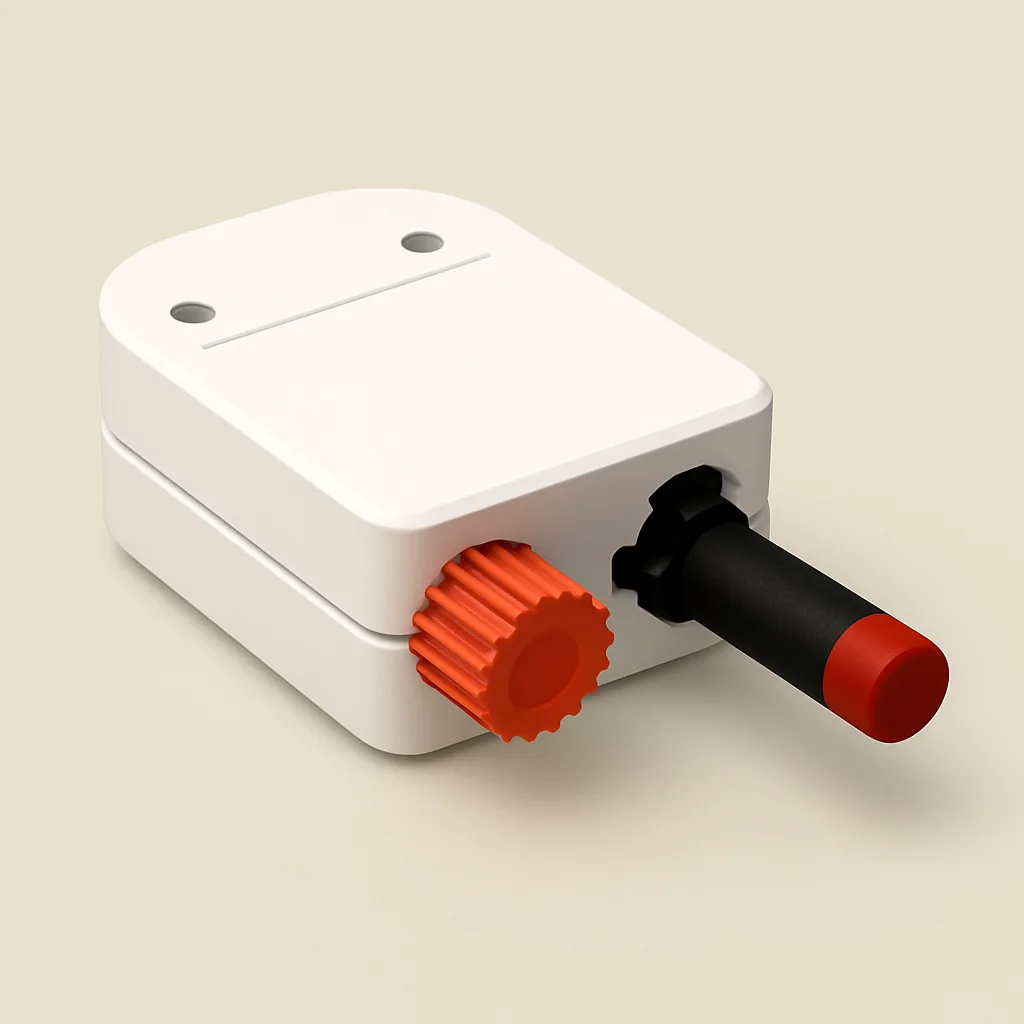 | Carries both voice and text through a crackling radio effect, and works at any distance across the map. |
| Megaphone | 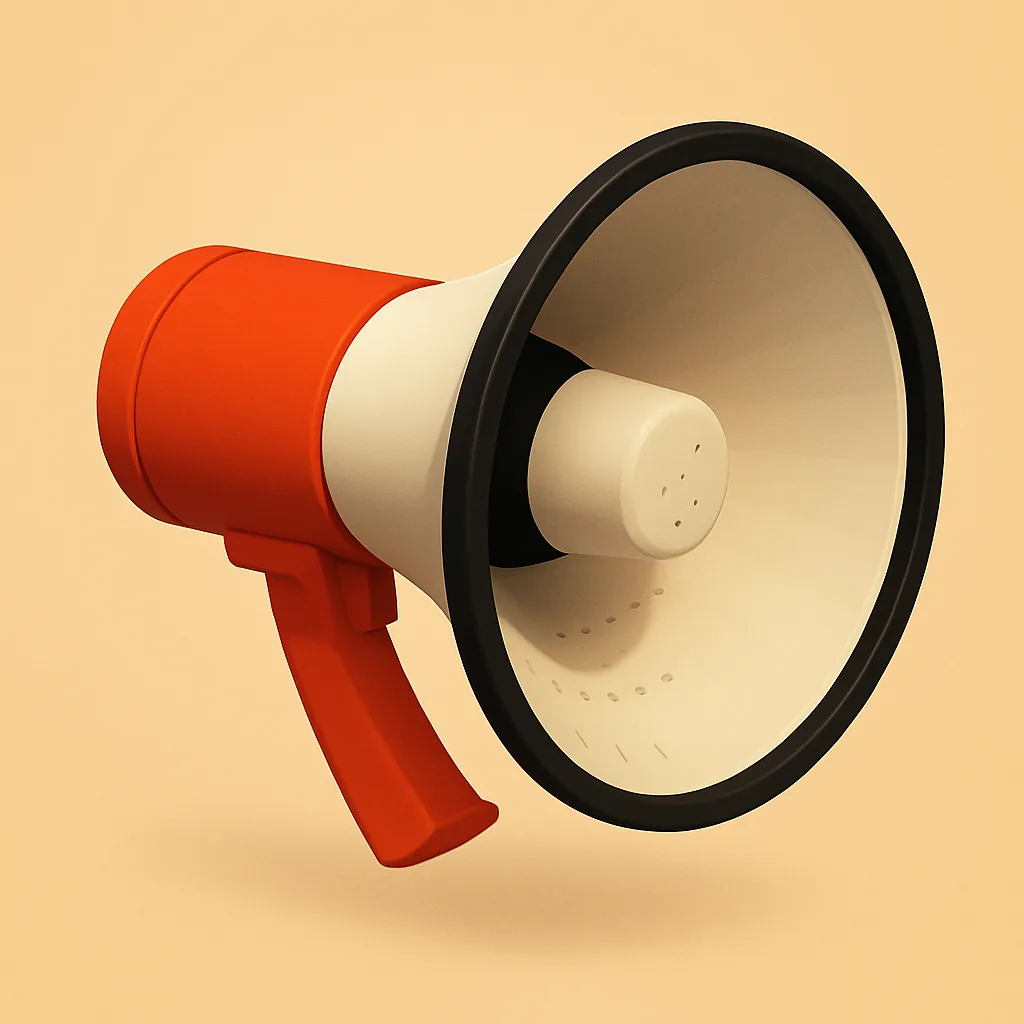 | Broadcasts your voice across a wide area so nearby players hear you clearly. |
| Whiteboard | 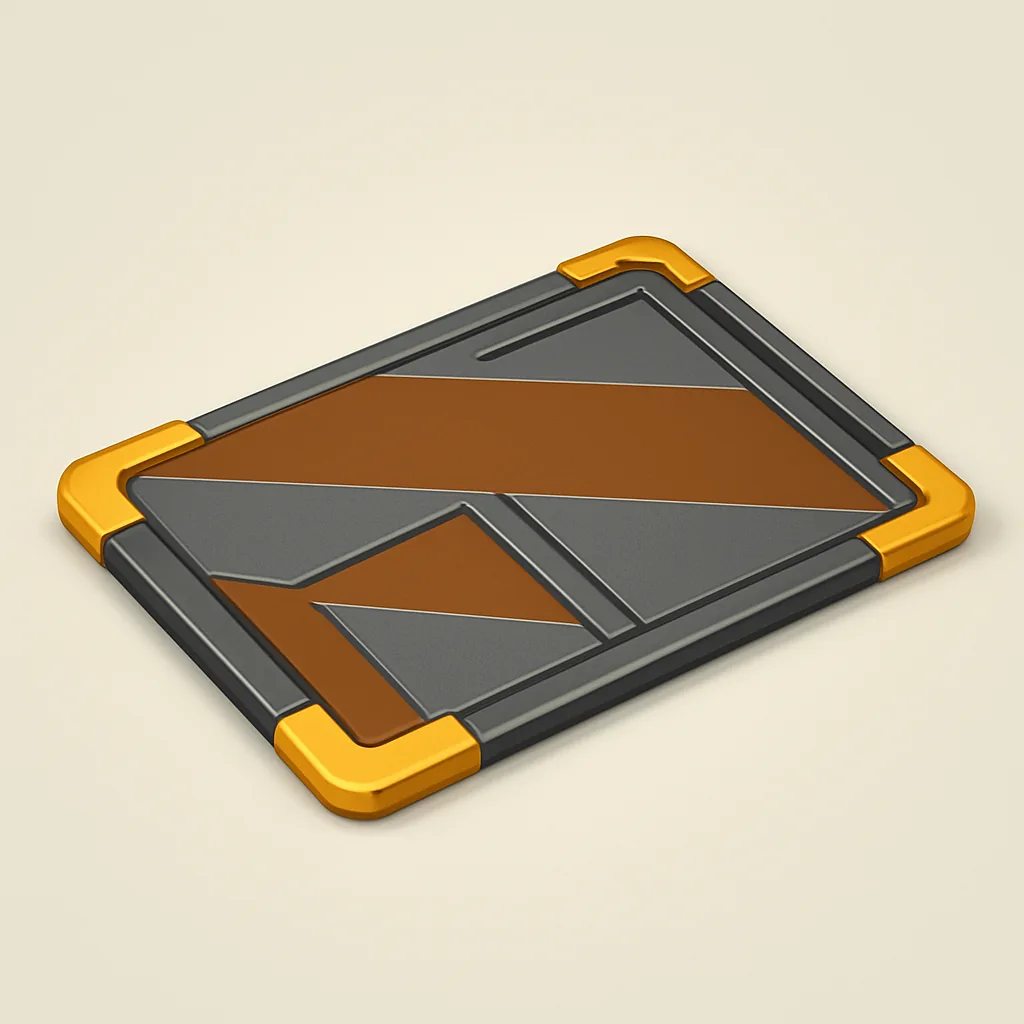 | A writable board where you leave messages for teammates who arrive later. |
| Paintbrush | 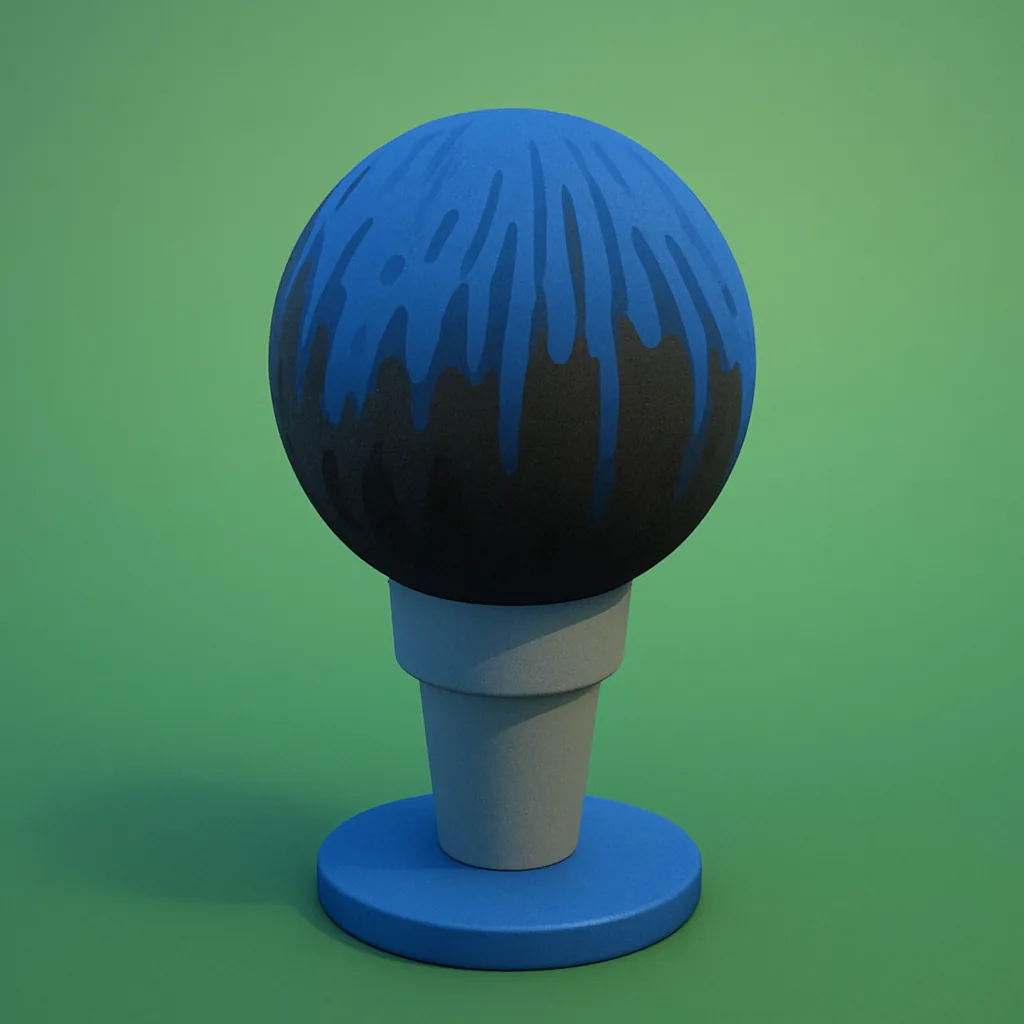 | Paint arrows and notes on the ground and surfaces to leave directions behind. |
| Laser Pointer | 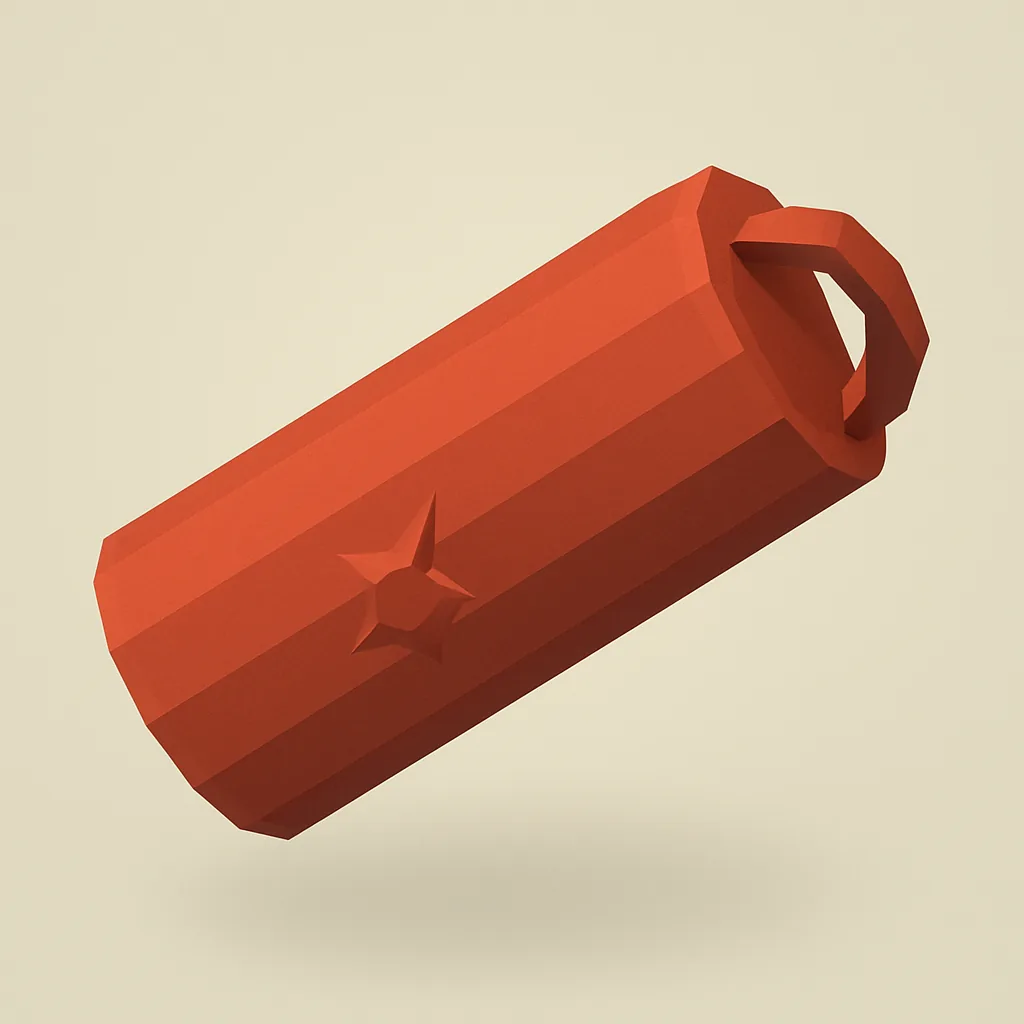 | Points at something nearby so teammates know exactly where to look. |
| Flare / Flare Gun | 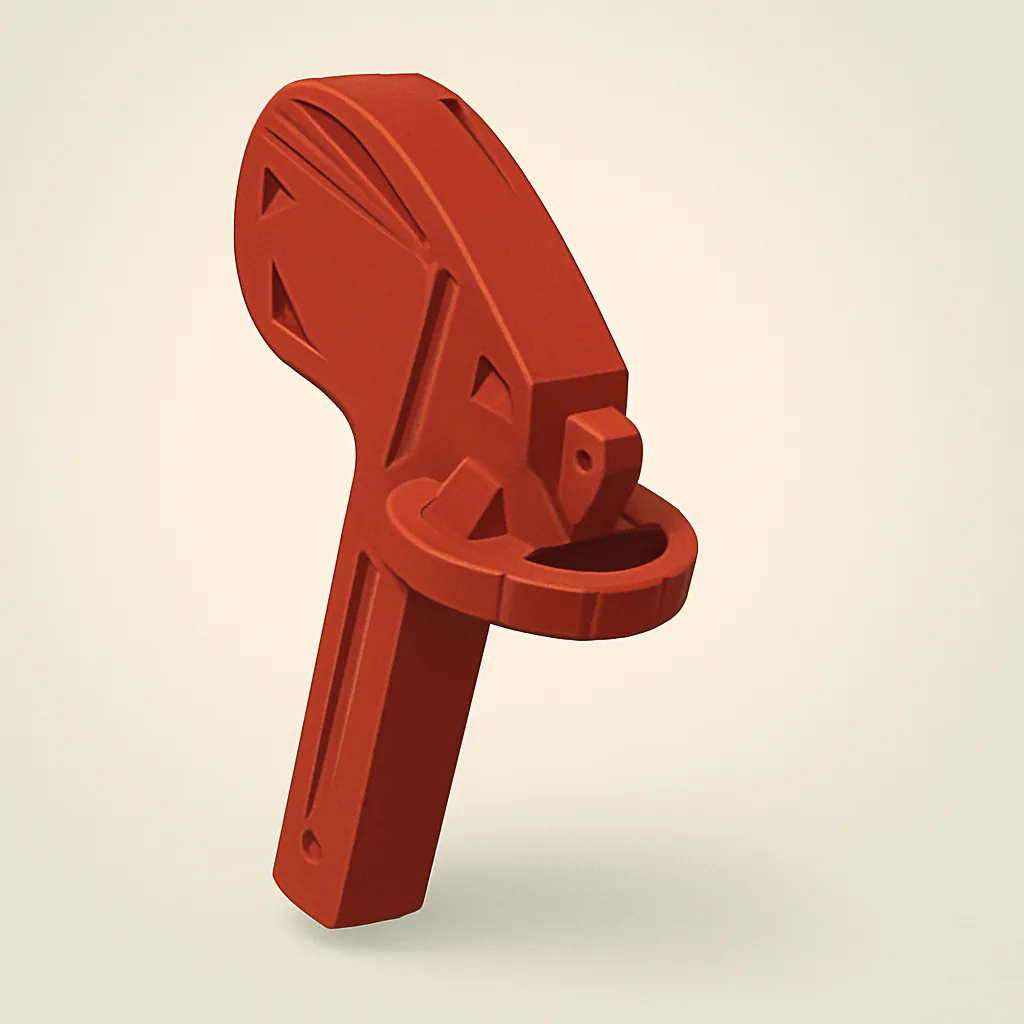 | Fires a signal that marks your position on the map for the whole group. |
| Cowbell | 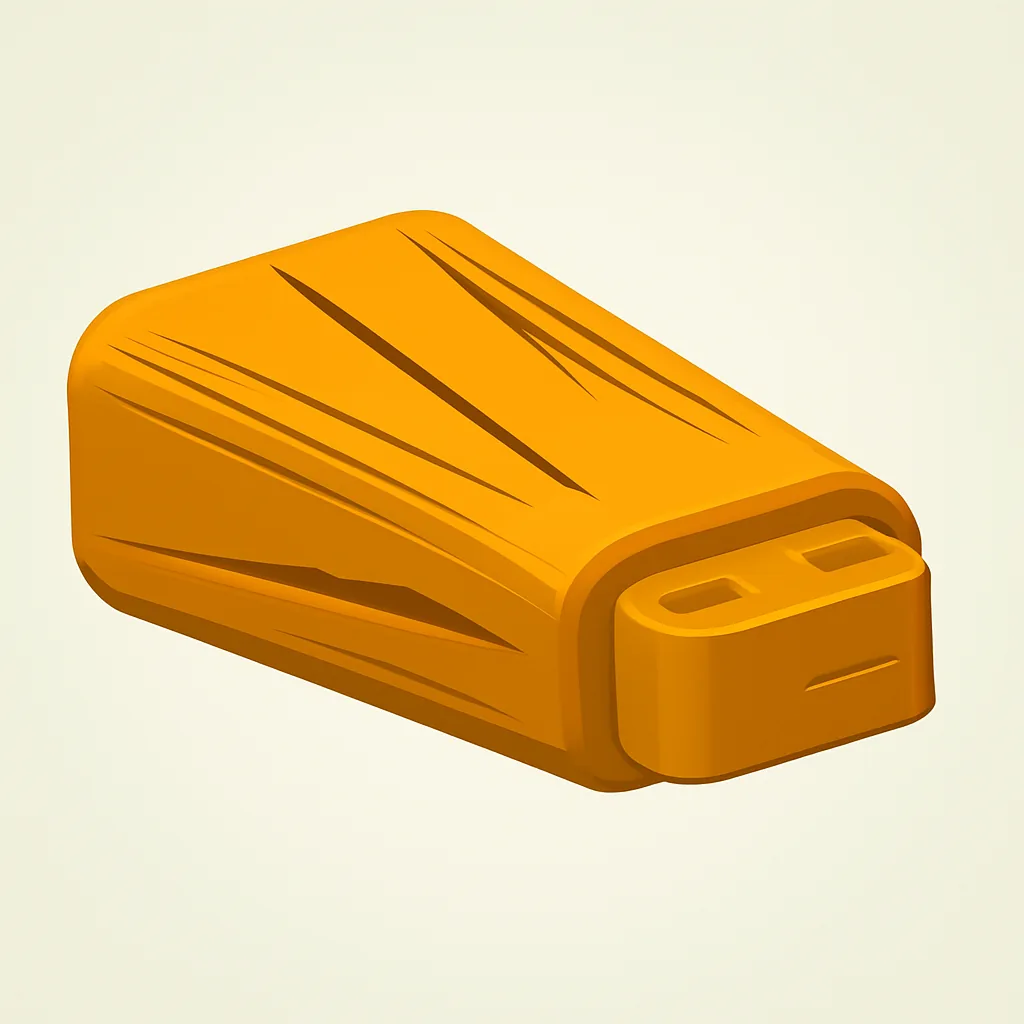 | A noisemaker that comes in small, medium, and large sizes. |
The Walkie-Talkie is the one to prioritize. It moves both voice and text at any range, which makes it the single most reliable way to coordinate once players scatter. The Whiteboard and Paintbrush trade speed for permanence. Leave a note or paint an arrow at a puzzle location and whoever shows up after you already knows which way to go, which matters most in larger groups where you cannot wait around to explain in person.
A holster lets a teammate strap a walkie-talkie to your belt so they can switch it on for you while your hands stay free.
Navigation tools for reading the island
The map is large enough to lose your bearings in, and there is no persistent on-screen minimap. These tools handle direction, scouting, and locating puzzles from a distance.
| Tool | Image | What it does |
|---|---|---|
| Foldable Map | 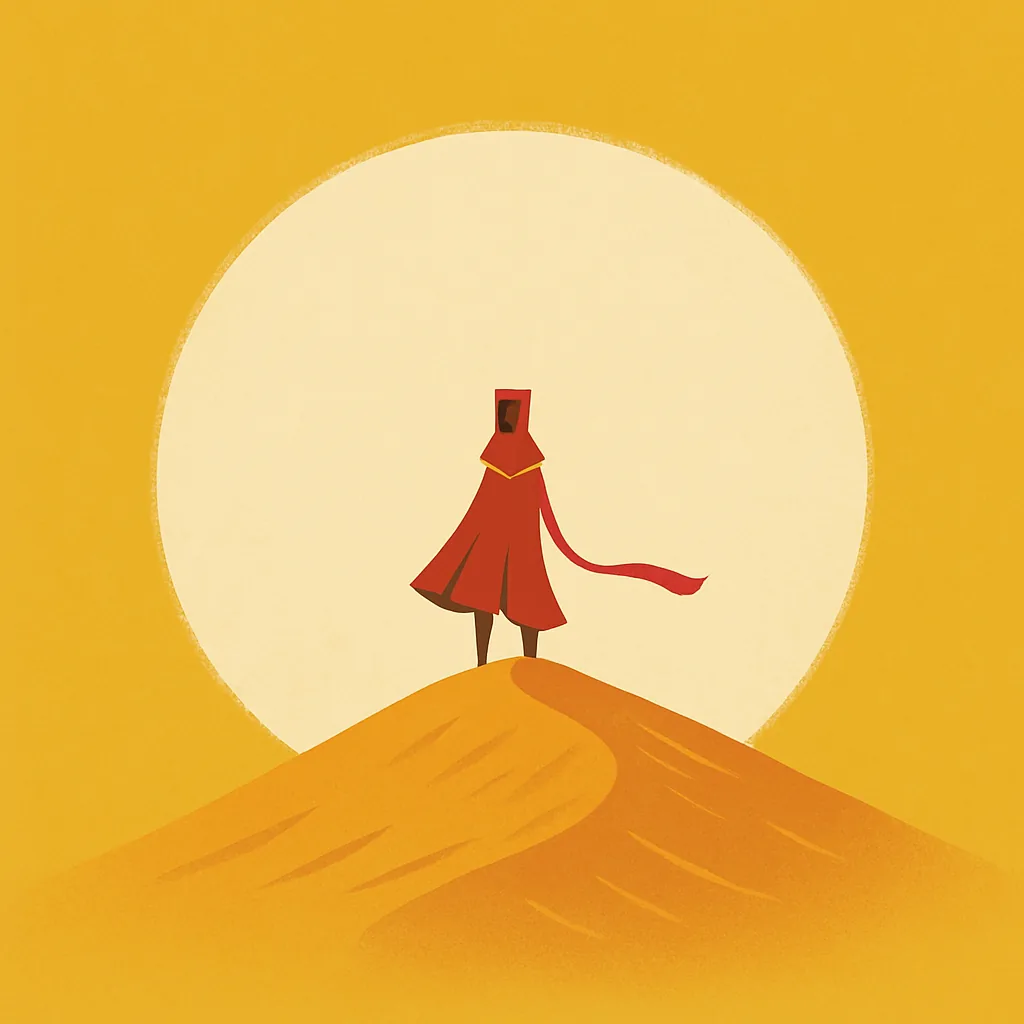 | Portable map that shows puzzle locations from anywhere in the field. It comes from the Red Tower puzzle. |
| Static Map | 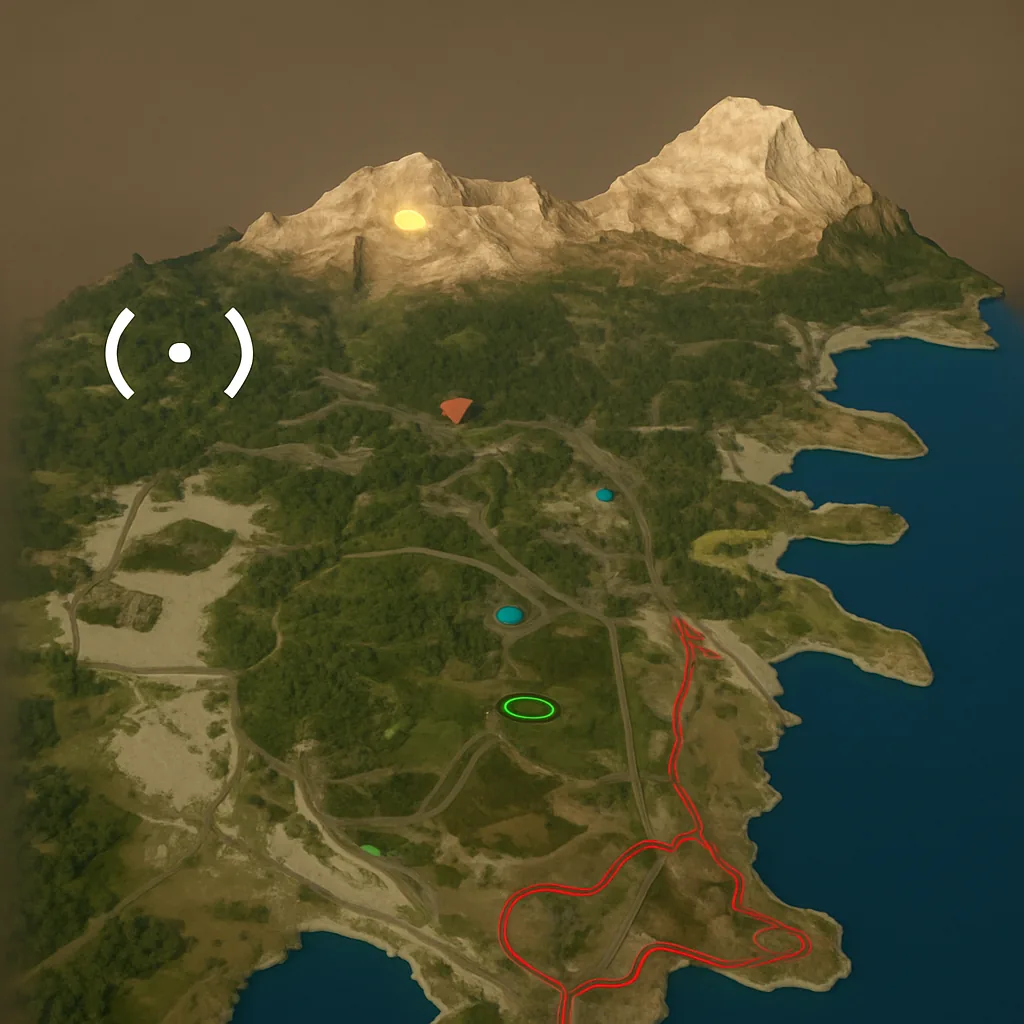 | Large fixed reference map kept in the map room. |
| Compass | 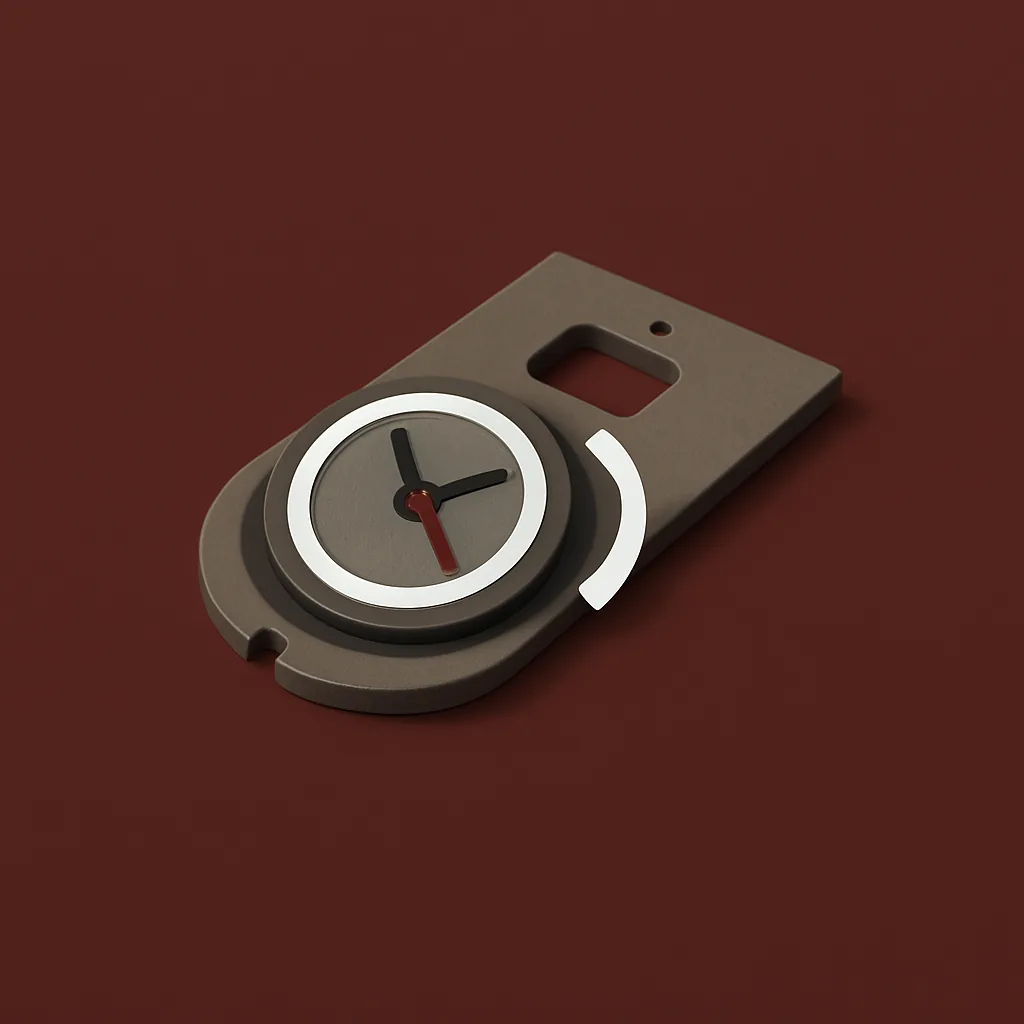 | Shows North, South, East, and West as you move so you can call out directions. |
| Binoculars | 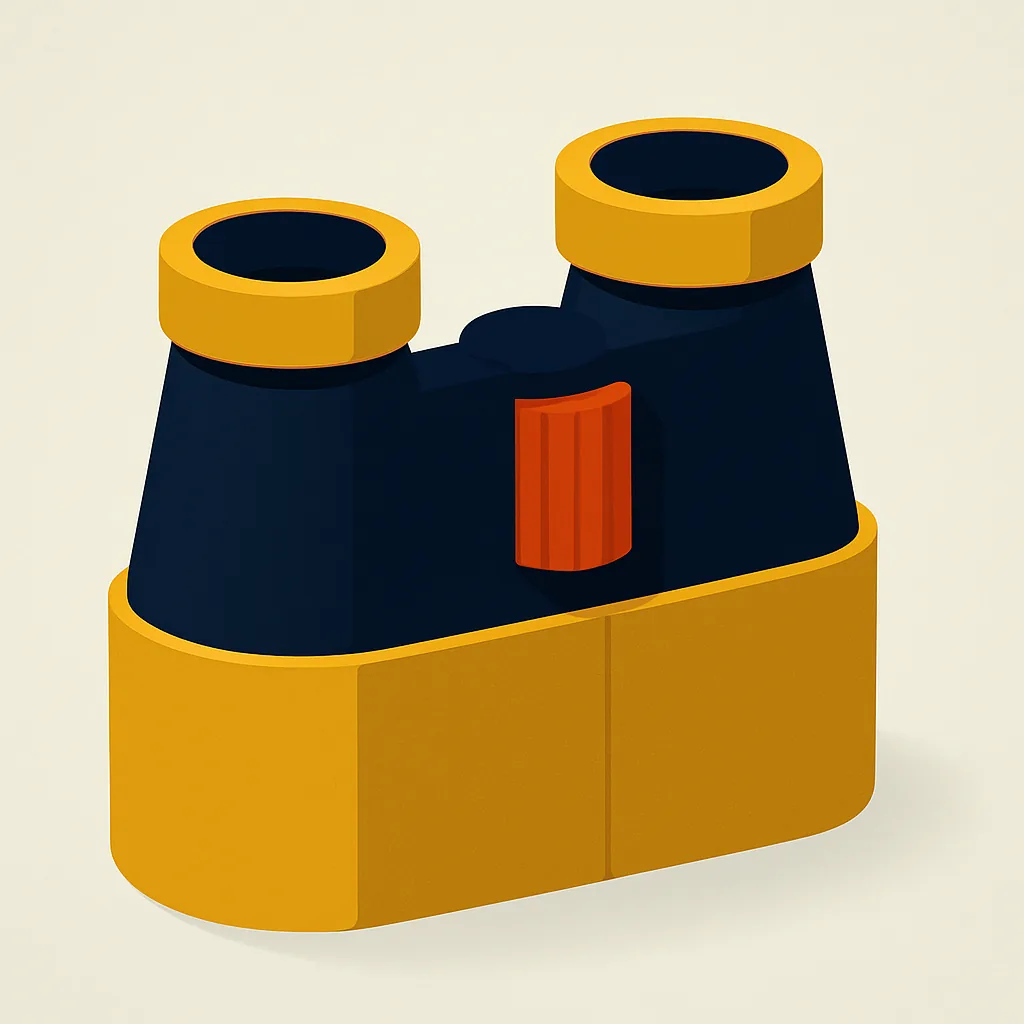 | Zoom in on distant areas to scout before committing to the walk. |
| Telescope |  | Similar to binoculars, but also lights up distant puzzle targets so they stand out. |
The Foldable Map is the workhorse here because you can carry it anywhere and check puzzle locations on the move, which is exactly what you need for hunts like the 4166 1899 puzzle. Pair it with the Compass and you can keep a spread-out group heading the same way without anyone getting lost.
Puzzle tools and light sources
A few items exist only for specific puzzle systems or for seeing in the dark. You will not use them constantly, but when a puzzle calls for one, nothing else stands in.
| Tool | Image | What it does |
|---|---|---|
| Key Cutter | 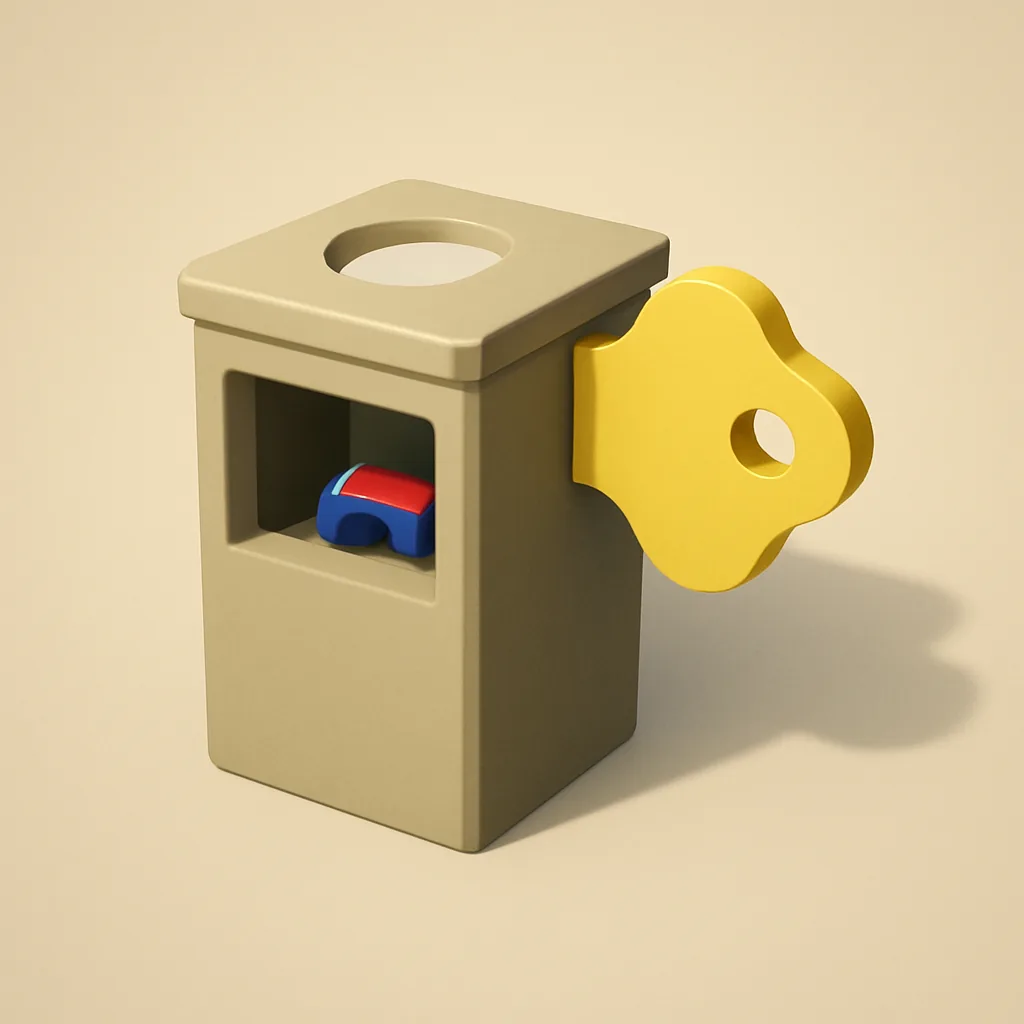 | Shapes raw keys into the correct form for the Tower Challenges. |
| Ball Lamp | 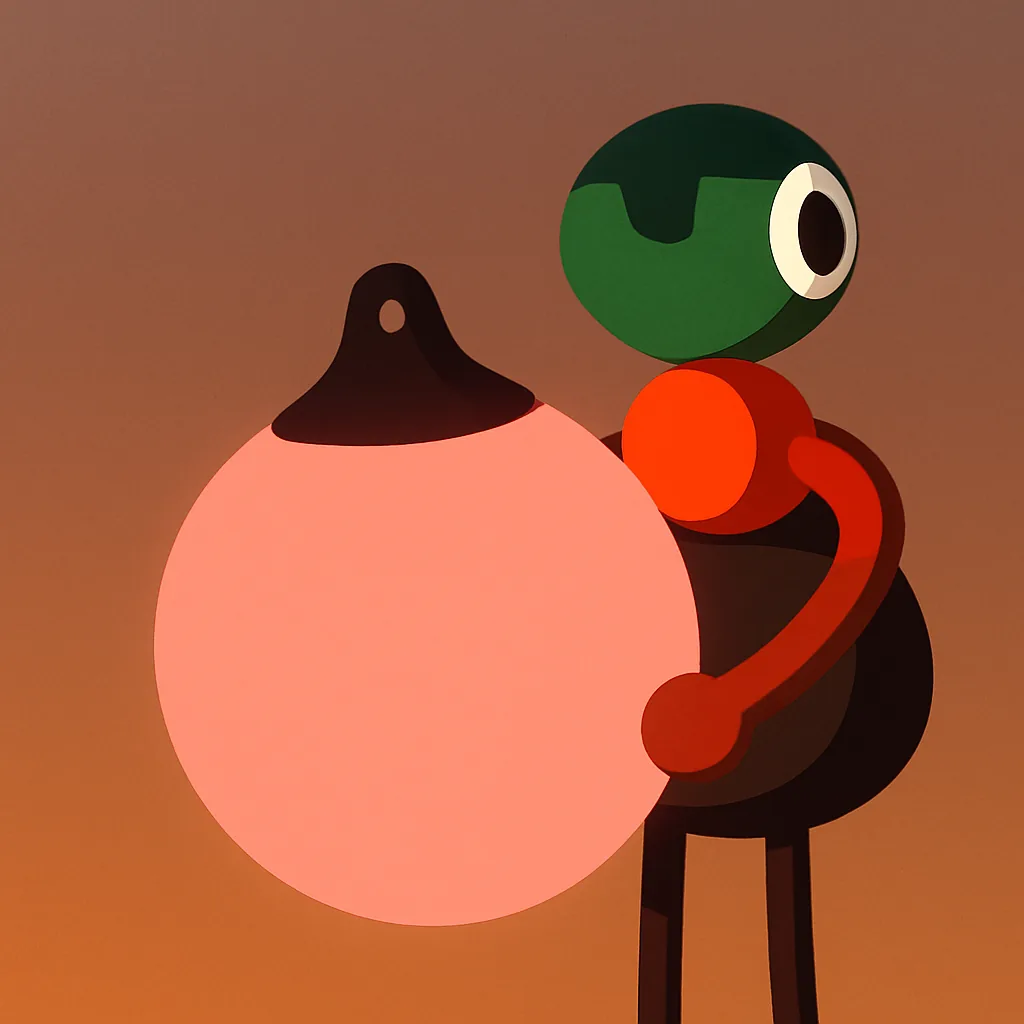 | Lights the area around you in dark sections. You can roll it down paths to light a route ahead. |
| Flashlight | 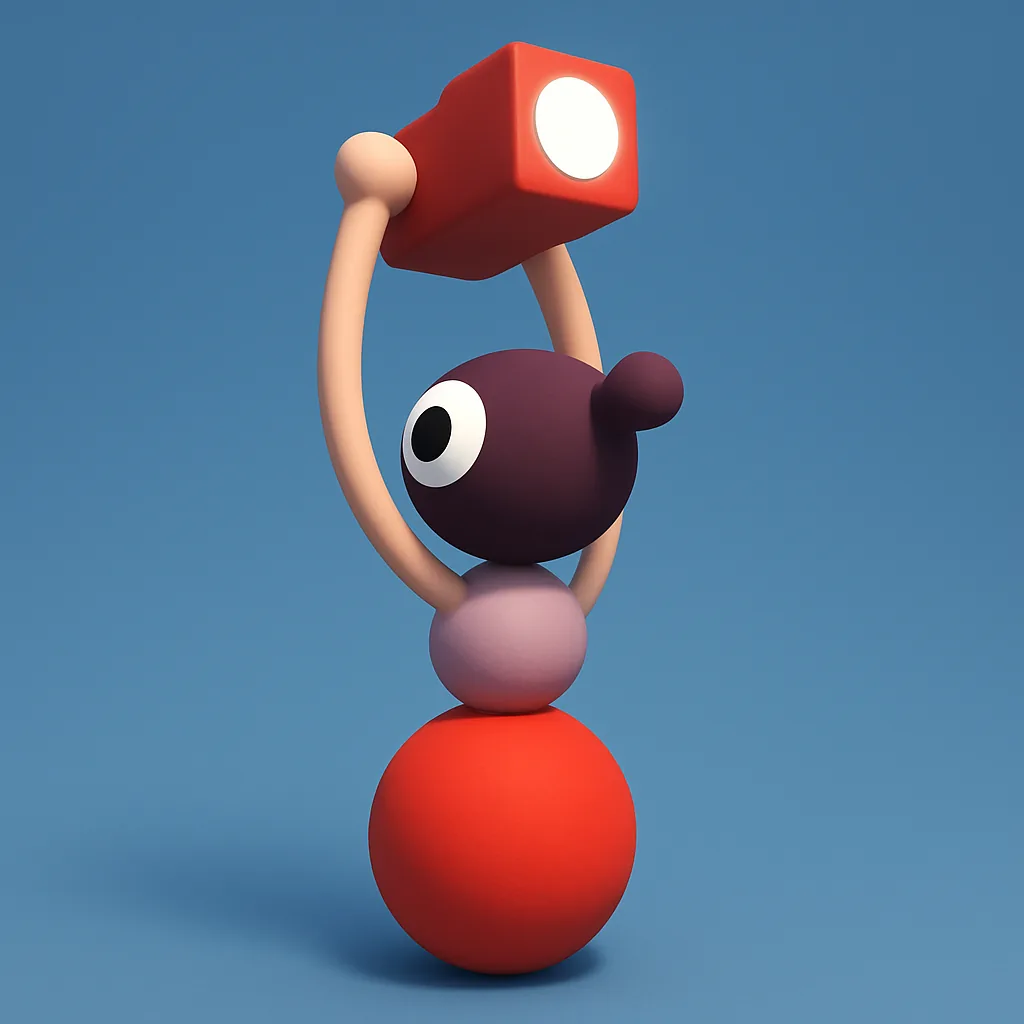 | Handheld light for low-visibility areas. |
The Key Cutter is mandatory if you want to finish the Tower Challenges. There are four towers, Red, Yellow, Blue, and Drawbridge, and each one needs a key cut to the right shape. Follow the clues on the nearby colored pillars, cut the blank key to match, and place it to open the gate. If a tower will not accept your key, the cut shape is wrong for that tower, so re-check the matching pillar before trying again.
The starting loadout worth splitting up your group for
If you want a loadout that covers the three things you constantly need, take the Backpack, the Walkie-Talkie, and the Foldable Map. Together they solve carry capacity, communication, and navigation, which are the problems that slow a group down the most. In a larger party, hand these responsibilities out early so one person carries the map, another keeps a radio on, and the rest can commit to puzzles without everyone bunching up.
Big Walk supports 2 to 12 players with crossplay, and it launched on August 4, 2026 for PC and Mac through Steam, the Mac App Store, PlayStation 5, and Nintendo Switch 2. You can see the full platform details on the official Steam store page. However you split the gear, the tools reward a group that plans a little before it wanders, and the physicality of carrying, dropping, and handing things off is a big part of why the island stays fun.