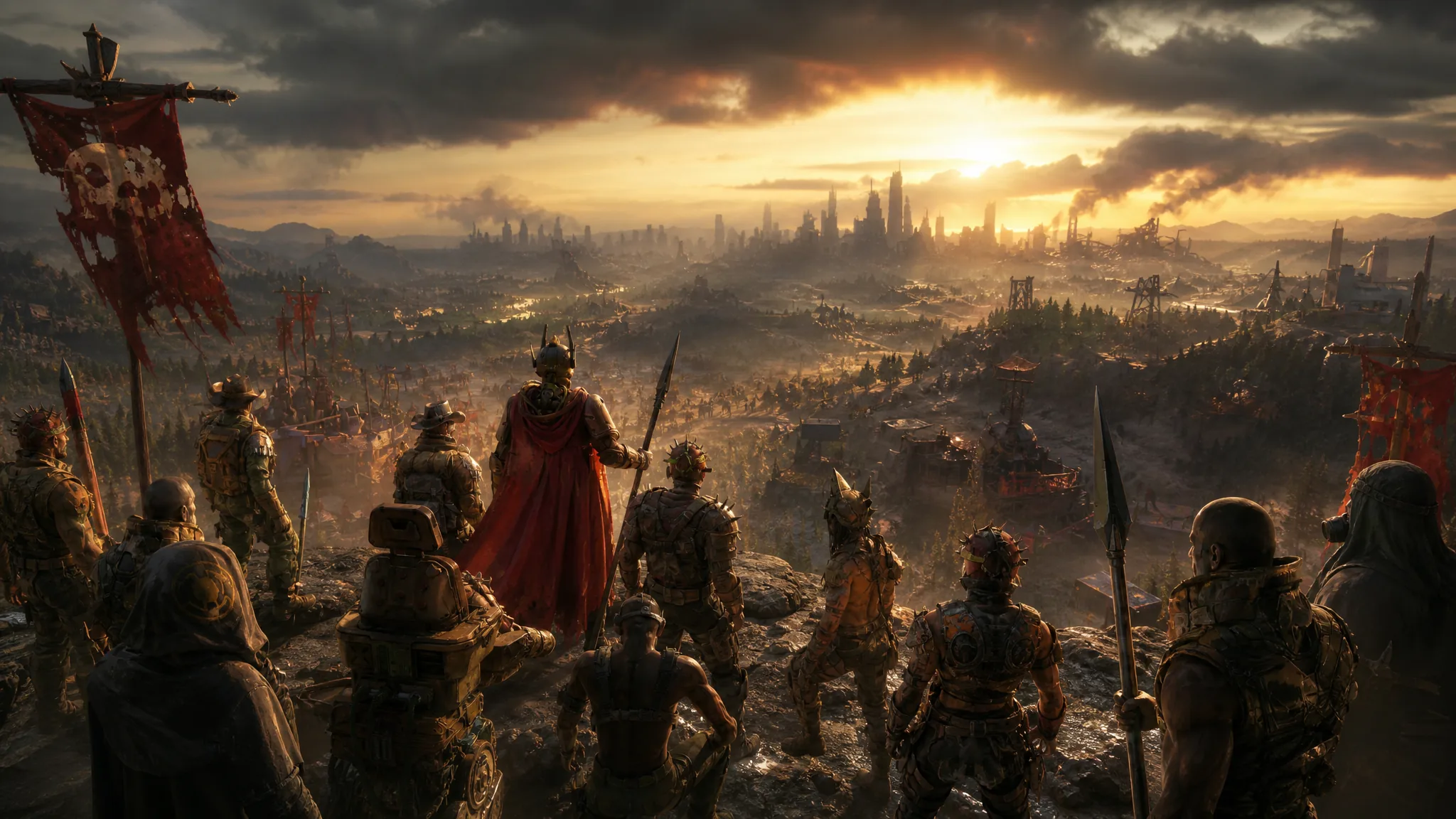
Afterworld is a new grand strategy game from Paradox Interactive, trading the historical courts and diplomatic marriages of its earlier titles for a hostile post-apocalyptic wasteland. It is the studio’s first grand strategy game built on an original setting in more than a decade, and it puts survival at the center of a genre that usually rewards constant expansion.
Quick answer: Afterworld is an original post-apocalyptic survival grand strategy game set in a procedurally generated North America. You lead a small tribe of survivors, scavenge for food, water, and shelter, rediscover lost technology, and grow into a continent-spanning empire. It was officially announced on August 25, 2026, at Gamescom Opening Night Live and is confirmed for PC via Steam, with no release date announced yet.
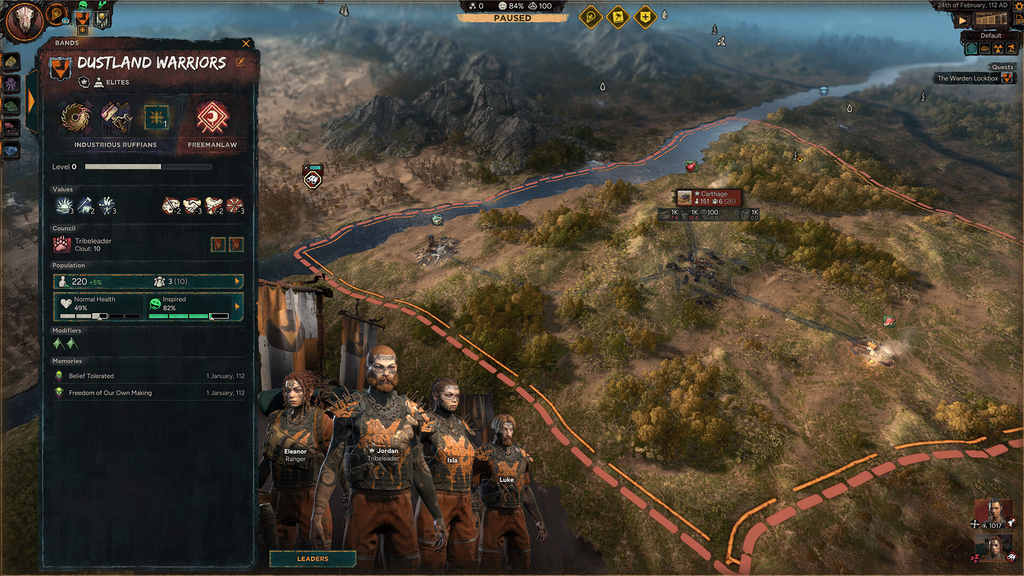
The setting: a ruined North America
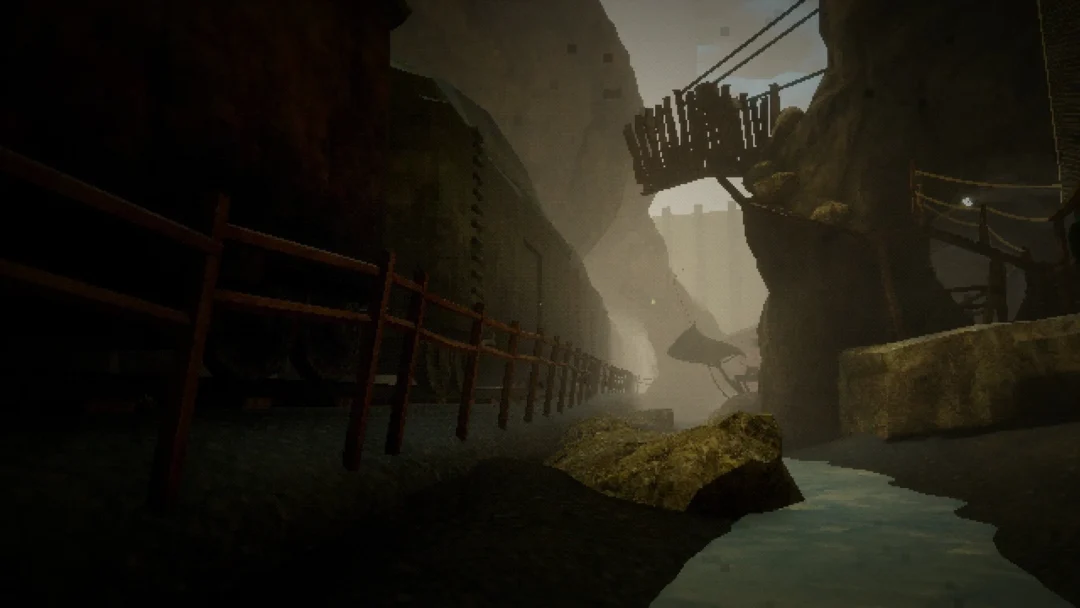
Afterworld takes place in a post-apocalyptic North America filled with hazardous terrain, dangerous old-world ruins, and the scattered remnants of humanity. The landscape is procedurally generated, so the map shifts between playthroughs rather than following a fixed layout.
The tone leans into the harsher end of the apocalypse. Motorized vehicles serve as both the main way to move across the wasteland and as its most dangerous predators, drawing clear comparisons to the barren, gasoline-fueled world of Mad Max and the irradiated ruins of Fallout.
Paradox frames the stakes bluntly. In its words, “a second collapse is always one bad decision away,” which sets the survival-first mood that separates Afterworld from empire builders like Europa Universalis or Crusader Kings.
How you play: survival before expansion
You begin with a small group of survivors and grow it slowly. Early on, the priority is basic survival, meaning you scavenge food, water, and shelter before rediscovering the fundamentals of civilization and building outward from there.
Technology returns through exploration rather than a fixed research tree. Skills and technologies unlock dynamically based on what your group finds in the wasteland, so progression is tied to what you discover instead of a preset order.
As your settlement expands, you set up convoys and supply lines, encounter rival groups, negotiate trades, and fight wars when needed. The game also lets you shape your community’s identity, choosing whether religion, hard labor, or an iron-fisted rule holds your people together.
Like other grand strategy titles, Afterworld gives you control at different scales. A top-down map view lets you plan on the widest level, while a zoomed-in terrain view shows close combat between squads of heavily armed vehicles.
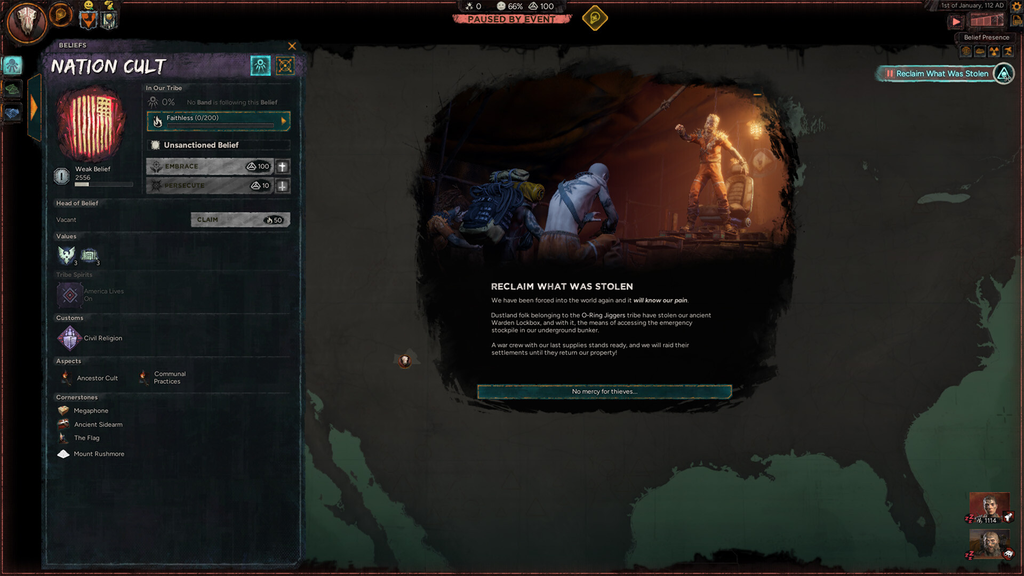
Story, origins, and moral crises
Paradox describes Afterworld as a “story rich” strategy game. Each playthrough starts with an origin story for your group that frames why they are out in the wasteland in the first place.
| Feature | What it means |
|---|---|
| Origin stories | Choose a starting scenario, such as fleeing a failed nuclear bunker or playing “wayward zealots looking for their goddess in the dustlands.” |
| Generational choices | Decisions “echo through generations,” including how you ration crucial resources. |
| New religions | You navigate the rise of new faiths within your growing society. |
| The changed | You decide how to respond to “the mutated and the augmented.” |
| Immortal leaders | You may discover leaders who survived from before the Fall, each with their own vision for rule, and “they will not step aside quietly.” |
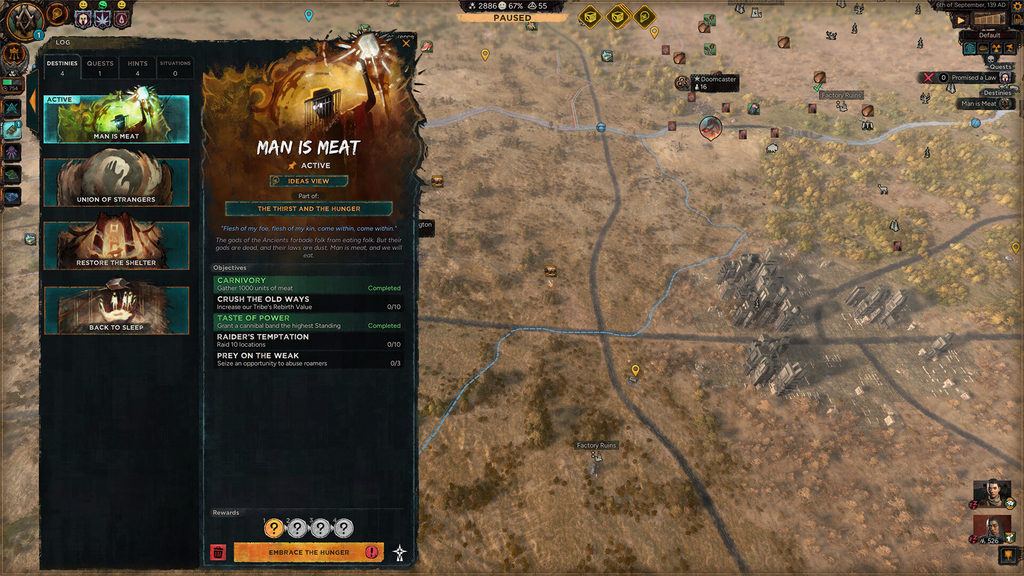
These strategic challenges and moral crises are built to force hard trade-offs. The consequences carry forward rather than resetting, which keeps early decisions relevant long after you make them.
Platform, multiplayer, and release status
Afterworld is confirmed for PC through Steam. Beyond single-player, it will support both co-op and competitive multiplayer, letting groups team up or fight over the wastes.
No release date, window, or price has been confirmed. Anyone tracking the launch can follow the game’s official Steam listing for updates rather than relying on estimates.
The reveal and what came before it
Paradox officially unveiled Afterworld on August 25, 2026, during Gamescom Opening Night Live, alongside a story trailer. The reveal followed a short teaser campaign that used apocalyptic scenes from existing Paradox games, including a ruined castle from Crusader Kings 3 and an exploding spaceship from Stellaris.
The game’s name slipped out early through Paradox’s own forum, where “Afterworld” appeared under an unreleased-games filter, and through a community Discord that briefly shared its description. That blurb summed up the pitch as leading “a tribe of survivors, rediscover ancient technology, manage wasteland settlements and wage wars of conquest and political struggle.”
The project marks a notable move for Paradox, which is best known for historical franchises like Europa Universalis, Victoria, Hearts of Iron, and Crusader Kings, plus the sci-fi strategy of Stellaris. Afterworld pushes that grand strategy formula into wholly new territory, keeping the studio’s signature systems while replacing spreadsheets of dynasties with the raw fight to survive.