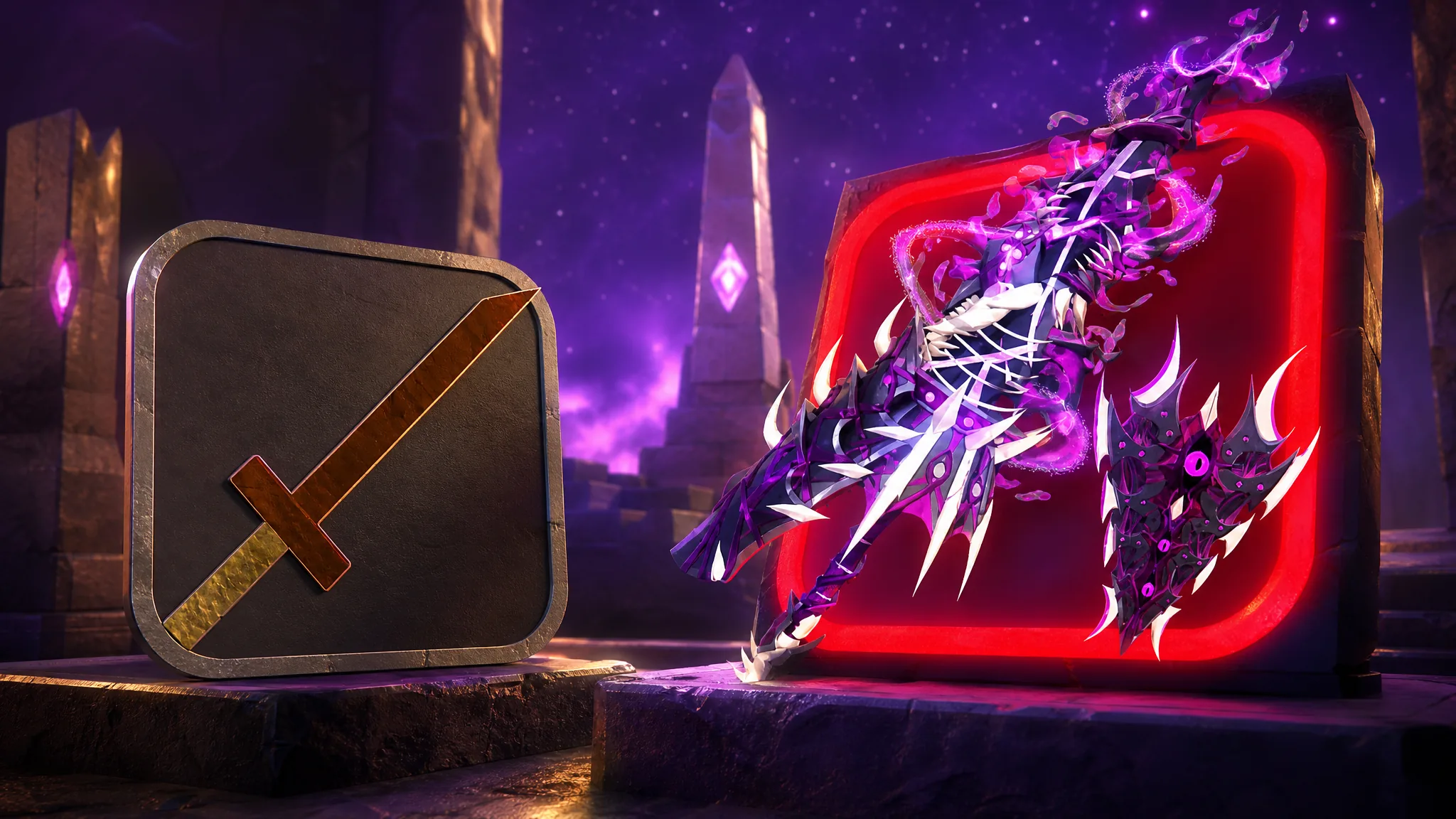
Trading in Dungeon Quest moves gear between players without any middleman, any escrow, or any way to undo a mistake. The system itself is simple. The hard part is knowing what your items are worth before you press accept, because pricing lives entirely in community consensus rather than in a shop menu.
Quick answer: Open the player list with the Show Players button, click a name, send the trade request, then price-check the item in the official Dungeon Quest Discord before you accept — there is no rollback for a bad or scammed trade.
How the Dungeon Quest trade window works
Each side can place up to 21 items into a single trade. Equipped gear cannot be placed at all, so anything you plan to give away has to be unequipped first. Neither player can browse the other’s inventory. Only what sits in the Offer panel on the left can be seen and inspected.
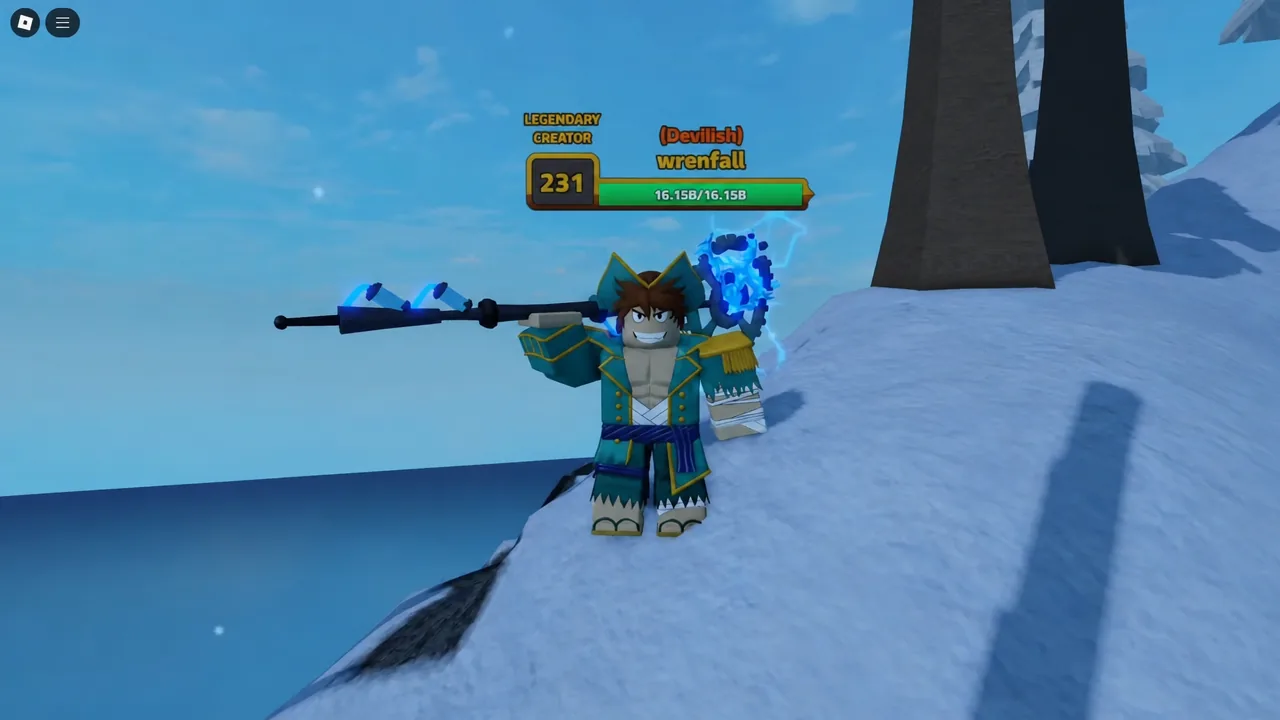
Both players must accept, and a five-second window follows in which either side can still back out. Adding an item after someone has accepted resets the process, and both players have to accept again before the countdown restarts. Closing the trade menu or starting a dungeon cancels everything.
| Rule | What it means in practice |
|---|---|
| 21-item limit per side | Large bundles may need to be split across multiple trades |
| Duplicates blocked | Two items or abilities with identical stats cannot go in the same trade |
| Level requirements | You can receive gear above your level but cannot equip it until you reach it |
| Gold is not tradable | “Selling for gold” means the sell value of the items being handed over |
| Trading toggle | Settings can block all requests; it re-enables when you change lobby or enter a dungeon |
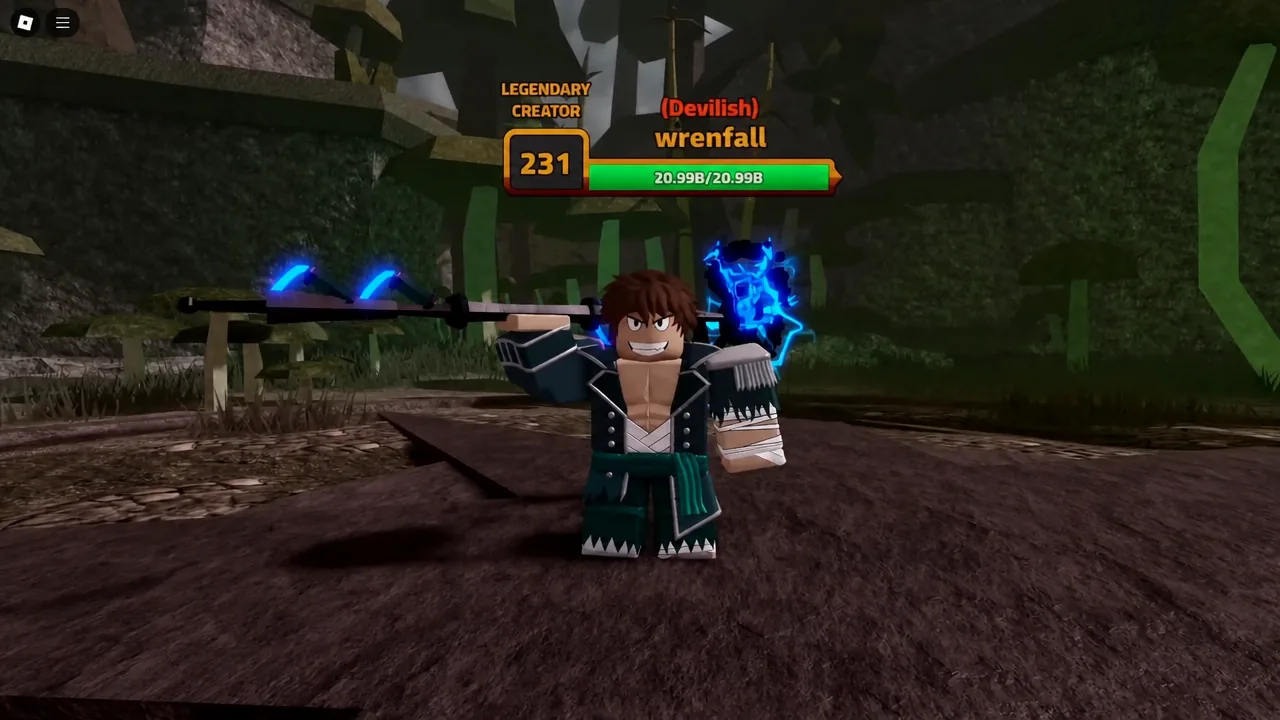
Sending a trade request in the lobby
What Dungeon Quest items are worth in trades
Value tracks two things above all else: how recently the item’s dungeon was added, and how rare the drop is. Gear from the newest dungeons carries a premium because demand is highest while people are still gearing for it. Ultimates sit at the top because supply is tiny. Older dungeon legendaries fall the other way. An inventory stuffed with them can be worth effectively nothing, no matter how strong those weapons once were.
Common collectibles follow the same curve. They circulate widely, so their trade value erodes quickly after release even when the stats look attractive on paper.
Potential is the biggest multiplier
Every weapon and armor piece rolls within a range, shown as a potential bar that runs from low ratings up to Insane Potential. Two copies of the same item can be worlds apart in price purely because of that roll. A god pot — a roll at or near the community-recognised ceiling — can multiply an item’s worth several times over. Reverse god pots, rolled at the very bottom of the range, exist as a curiosity and trade on rarity rather than power.
Desert Fury illustrates the spread clearly. Its minimum potential sits at 295, the average lands around 326, and the community-accepted maximum is 358. Check the number on the item card before you value anything, especially on Voidborn and ultimate weapons where the gap between an average roll and a god pot is enormous.
| Factor | Effect on value |
|---|---|
| Newest dungeon gear | Highest demand, strongest pricing |
| Ultimate rarity | Extremely low supply, top of the market |
| God pot roll | Multiplies the base value of the same item |
| Old dungeon legendaries | Little to no trade value |
| Common collectibles | Value drops quickly as supply builds |
Price-check before you accept
There is no in-game price list, so values are set by the community and shift with each new dungeon. The official Dungeon Quest Discord server is where that consensus lives. The help channel handles value questions, and the trading channels are organised by content tier, so a Voidborn piece gets checked in its own channel rather than in general chat.
Note: ask before you offer, not after. Once both sides accept and the five seconds elapse, the items are gone.
How to structure an offer
Players consistently overvalue what they already own. Recognising that in yourself keeps you from pricing your inventory above the market, and recognising it in the other player explains why so many offers come in absurdly high. The counter is to let the other side name their offer first whenever you can. Target players who are visibly missing a piece you hold, and they will usually open higher than you would have asked for.
Offer shape matters too. Several decent items sitting in the trade panel often read as more generous than one high-tier piece of equal or greater worth, because a full window looks like a bigger deal than a single icon. Use that when you are clearing stock, and watch for it when you are on the receiving end.
Trading platinum and cosmetics for gear
Platinum and cosmetics are a legitimate route to gear when you would rather not grind a dungeon for hours. Platinum accumulates through daily and weekly quests and buys cosmetics, boosts and bundles without spending Robux, which makes both it and the cosmetics it unlocks useful currency in negotiations.
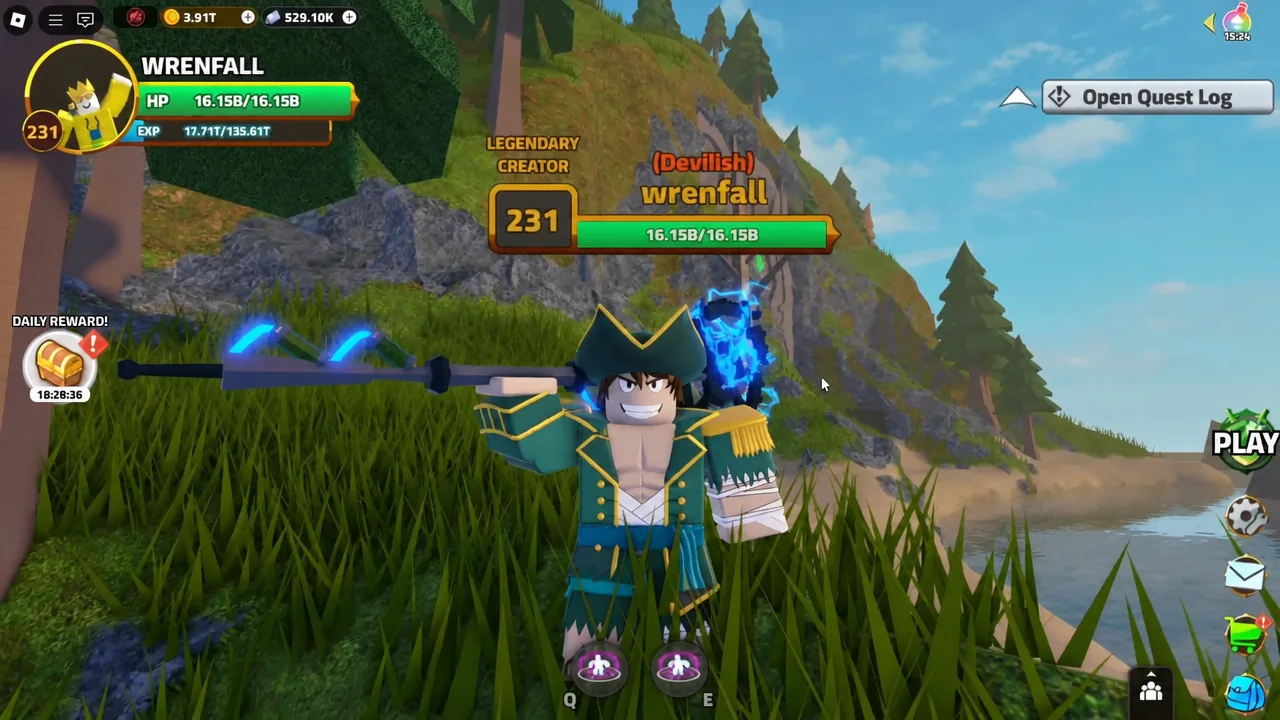
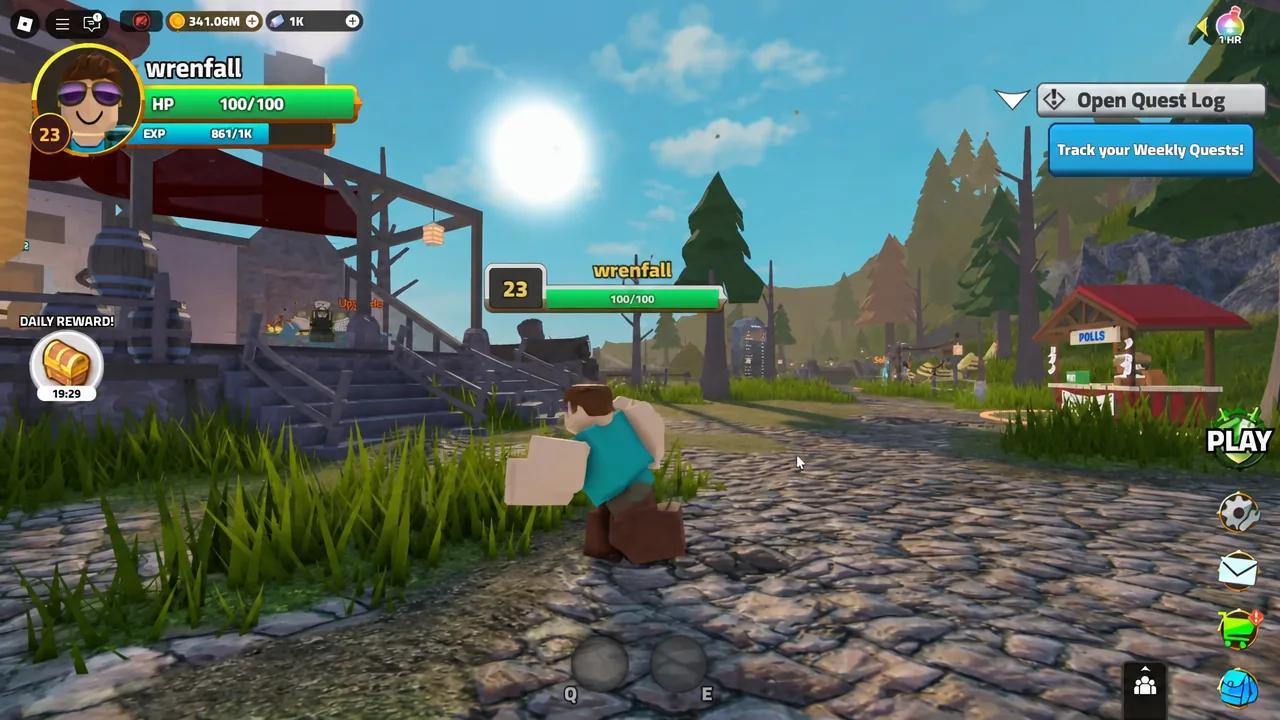
Keeping weekly quests tracked is the low-effort way to build that balance while you play normally.
Scams you cannot undo
Items lost to a scam are not recoverable. There is no restoration process in Dungeon Quest, which is why the refusal list matters more than any pricing knowledge.
The two recurring setups both work by getting you to hand over an equipped legendary or armour piece up front. One is a promised carry in exchange for the item. The other is an offer to upgrade the item for you. Refuse the upgrade offer outright, since there is no legitimate version of it. If you do agree to pay for carries with gear, do not hand anything over until the runs are finished and you have a replacement in hand.
If you want to shut down requests entirely while you sort your inventory, the Settings menu in the bottom-right corner has a toggle that blocks all incoming trade requests. It also stops you from initiating trades, and it switches itself back on when you leave for a dungeon or another lobby.
Where fair trades actually happen
Lobby 2, the level 100+ hub, holds the concentration of endgame players and endgame gear, so the player list there is the most productive place to browse in-game. The Discord trading channels cover the rest, since they let you find someone who specifically wants your item instead of pitching to whoever happens to be standing nearby.
Set a limit on how long you spend hunting a deal. Hours of unanswered offers cost more than the gap between a fair trade and a slightly better one, and running the dungeon yourself is often the faster path to the same item.