The Hatchet is the first real alternative to Michael Myers’ default knife in Halloween The Game, and it changes how a match plays because it is the only starting weapon you can throw. Everything about it — when it becomes available, how far it goes, how many swings it survives — is fixed, so once you know the rules there is very little guesswork left.
Quick answer: Reach profile level 20 to unlock the Hatchet, equip it in the Starting Weapon menu, then throw it at a survivor and walk over the hatchet on the ground or in the body to pick it back up before it breaks.
Unlock requirement: Profile level 20
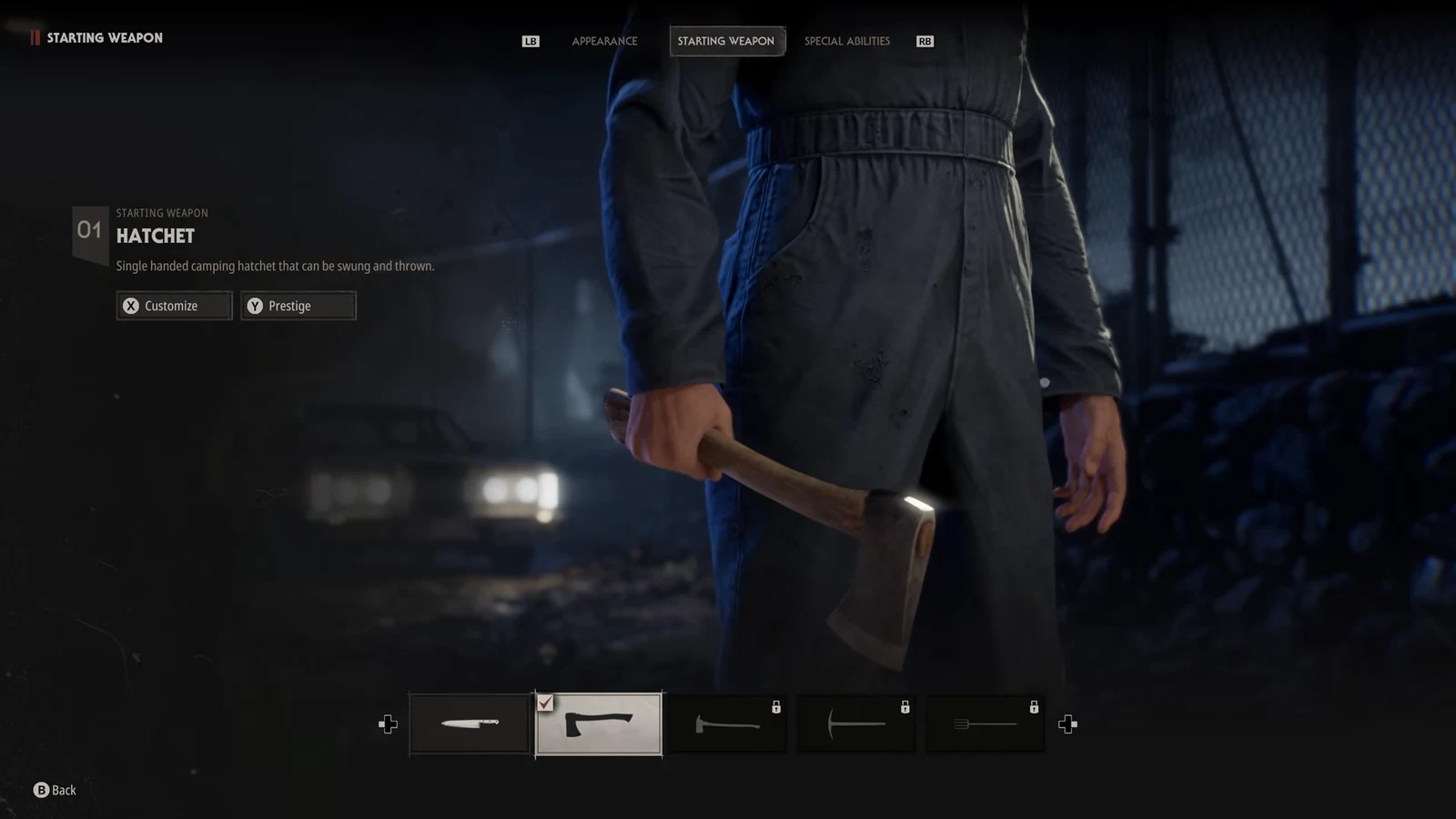
The Hatchet is tied to your account progression, not to a challenge or a match-specific pickup. Play until your profile hits level 20 and it appears in the starting weapon list, described in-game as a single handed camping hatchet that can be swung and thrown.
Once it is unlocked, open the Starting Weapon menu and select the Hatchet in slot 01. From that screen you also get the Customize and Prestige options, which is where tints and executions live.
How throwing and retrieving the Hatchet works
The knife only swings. The Hatchet swings and throws, which gives Michael a ranged option against survivors who are already sprinting away or standing on the far side of a fence. It also means you can carry the Hatchet alongside the default knife, so you always have something in hand.
A thrown hatchet does not come back on its own. It either drops to the ground where it lands or sticks in whatever it hit, and you have to walk over and collect it manually before you can throw again. Missing a throw in an open street is the main risk, because retrieving it costs you the seconds a survivor needs to break line of sight.
Hatchet durability and what happens when it breaks
The Hatchet has a durability limit. Use it long enough across a match and it will break, and the moment it does, Michael reverts to the basic knife. The same fallback applies if you drop the Hatchet and leave it behind.
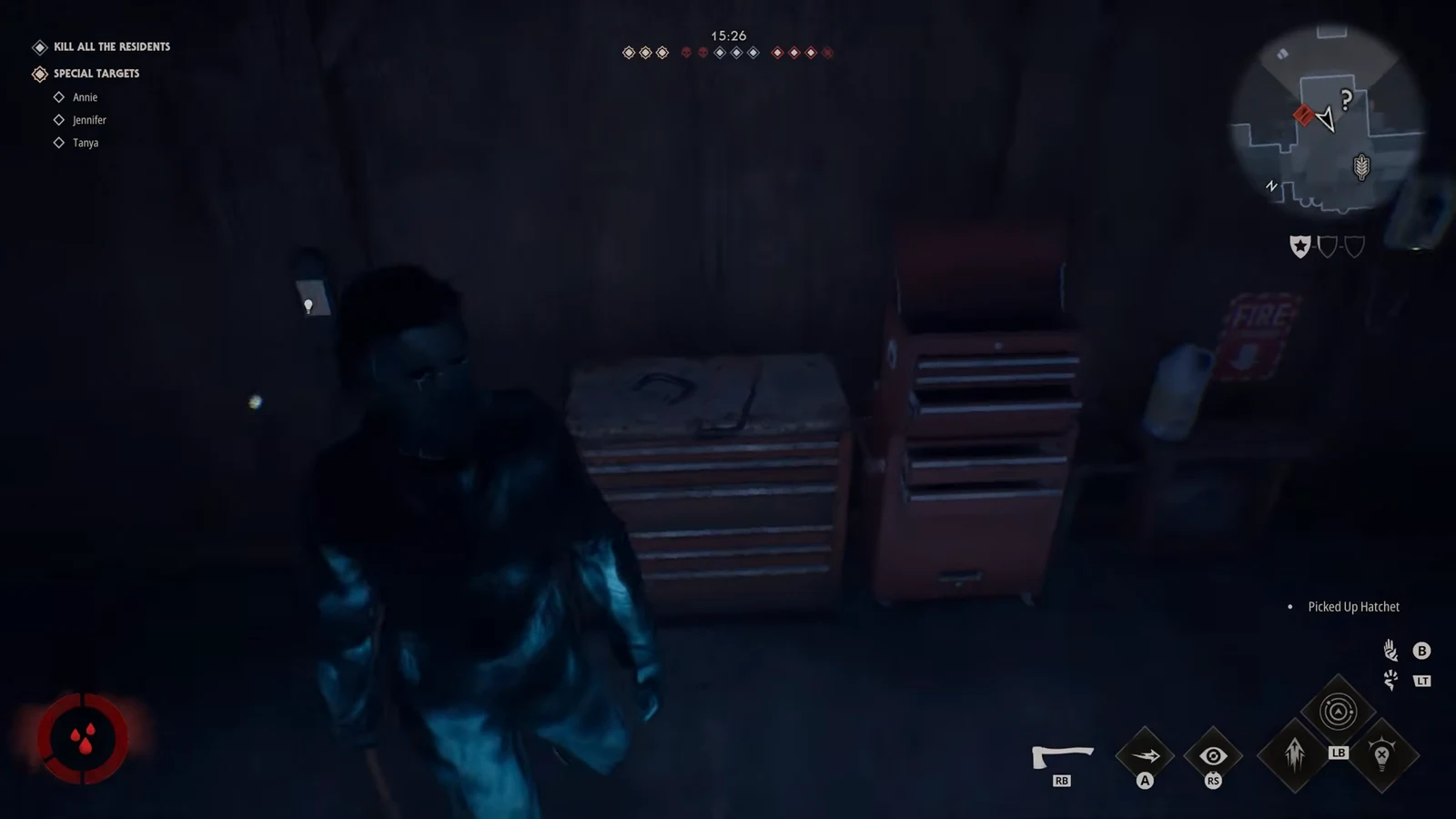
Replacements exist in the world. Hatchets can be found sitting on toolboxes and around tool cabinets in garages and work areas, so a broken weapon is not necessarily the end of your ranged game. Watch for the “Picked Up Hatchet” prompt to confirm you are armed again.
Why a Tier 3 bloodlust throw is so strong
Stalking survivors builds Michael’s bloodlust, which climbs up to Tier 3. Each tier increases his movement speed and his damage, and the damage bonus applies to the thrown hatchet as well as the swing.
At Tier 3, a connecting throw usually downs or outright kills a survivor on the spot. That is the core of the weapon: stalk first, build the tier, then commit to the throw when you have a clean line. Throwing at Tier 1 mostly just costs you your weapon.
Destroying CB radios and home telephones stops survivors from calling Dr. Loomis or the police, which buys you the uninterrupted stalking time that Tier 3 requires.
Hatchet tints and how to unlock each one
Tints are cosmetic only and do not change throw distance, damage, or durability. Stainless Steel is the base finish; the rest come from the Hatchet Progressive Challenge Collection or from weapon levelling.
| Tint | Unlock condition |
|---|---|
| Stainless Steel | Default finish |
| Rusty | Complete “Deep Cleaver” in the Hatchet Progressive Challenge Collection |
| Bronze | Complete “Splintered Terror” in the Hatchet Progressive Challenge Collection |
| Silver Chrome | Complete “Clear Cut” in the Hatchet Progressive Challenge Collection |
| Gold Plated | Reach Hatchet Level 10 |
| Shapeshifted | Reach Hatchet Prestige Level 3 |
Hatchet weapon executions
The Hatchet has its own set of executions that play when you finish a survivor in melee. Four are available on the weapon: Done Check, Exsanguination, Head Splitter, and Jaw Drop. They are selected from the Customize menu on the Hatchet itself, so equipping a different starting weapon swaps the execution list with it.
Using the Hatchet on special targets and investigating police
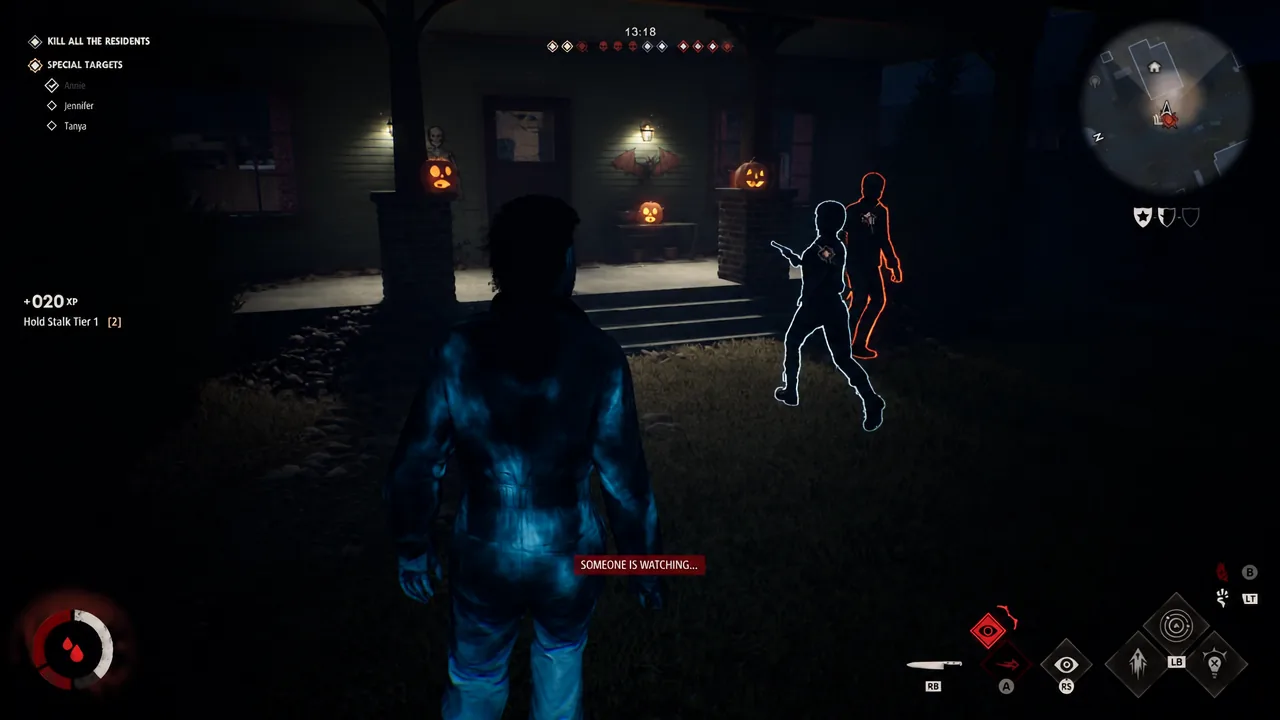
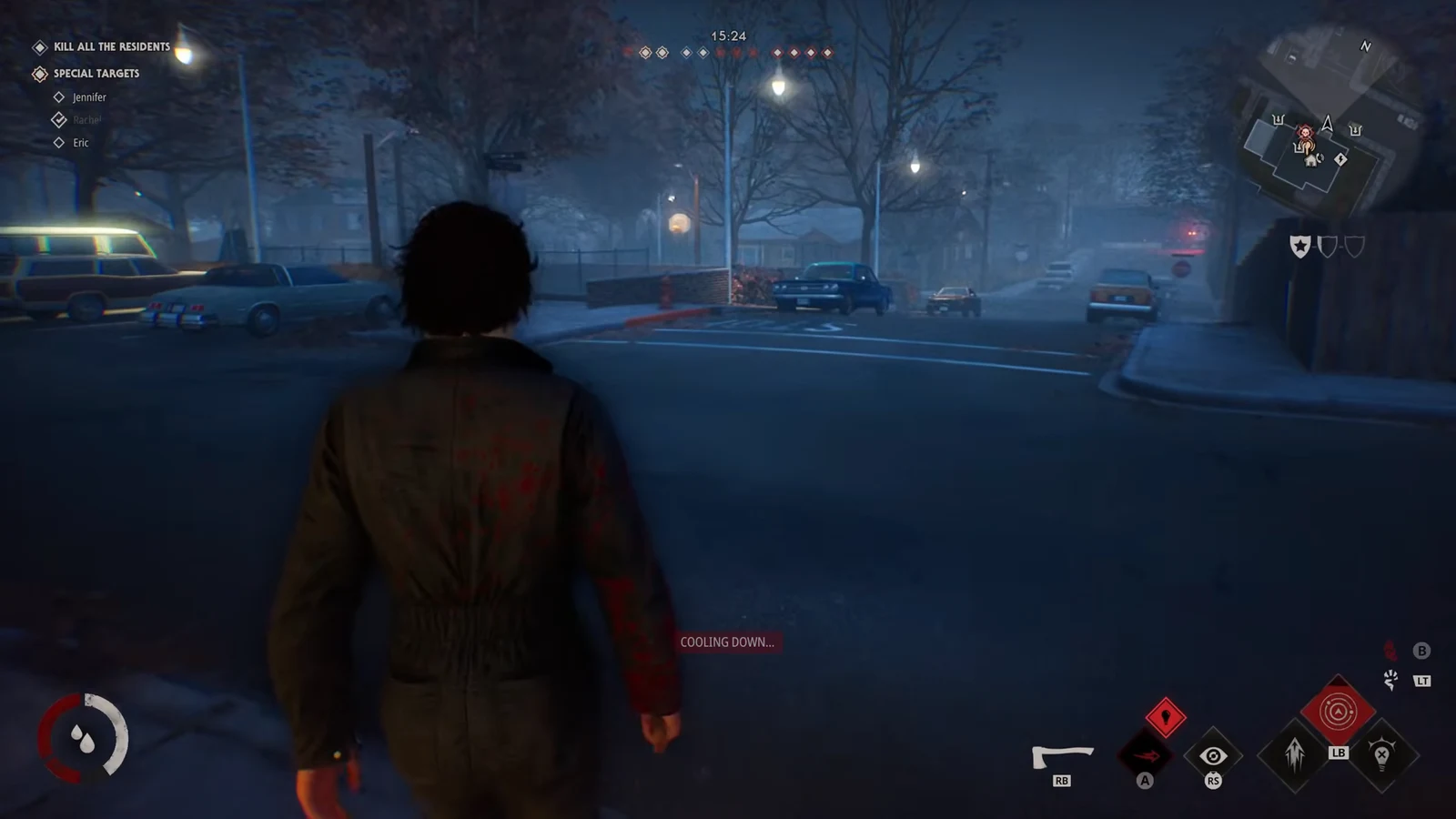
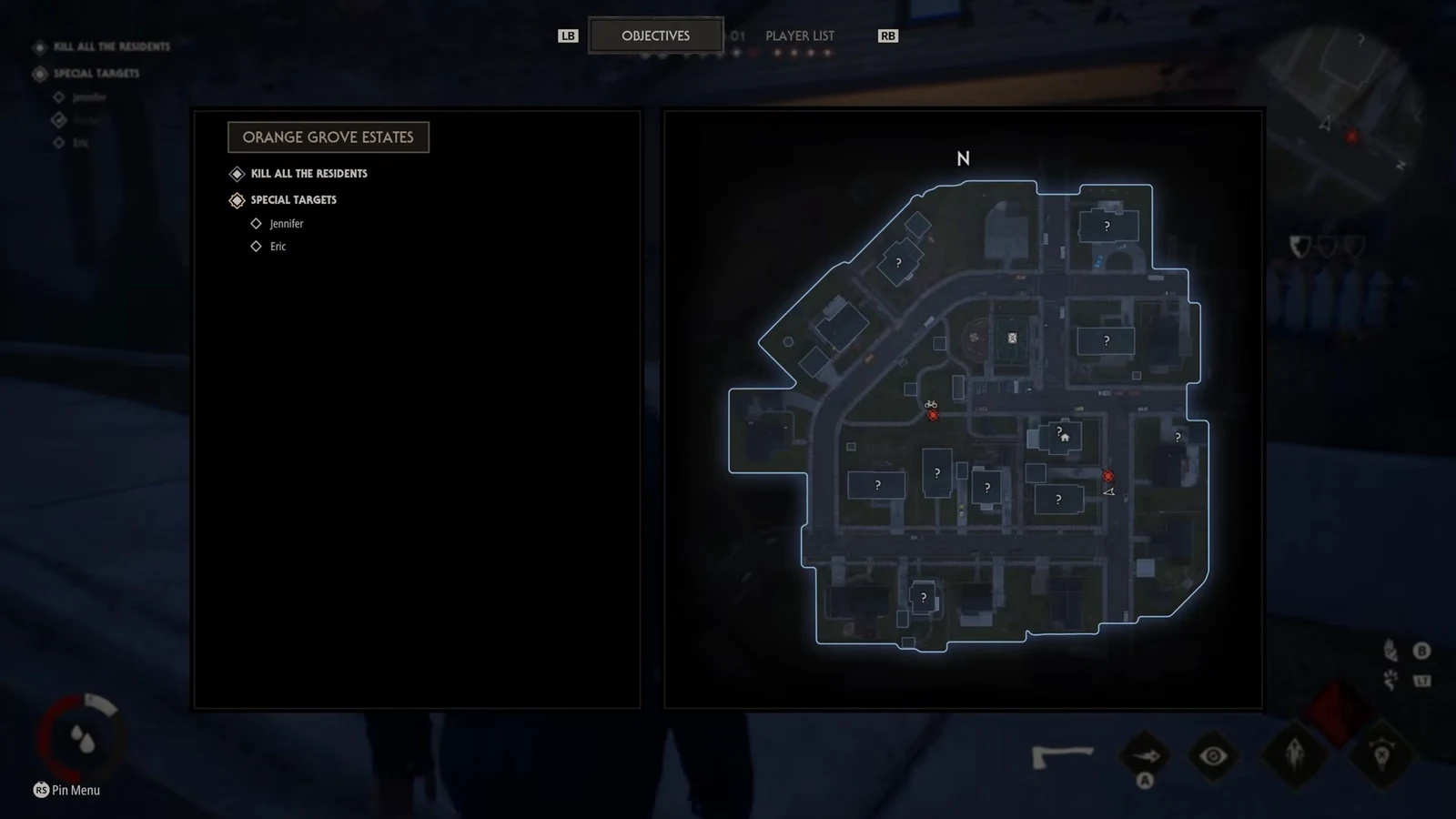
Each area gives you an objective to kill all the residents, plus a named list of special targets — Jennifer, Rachel, Eric, Richard, Bob, Annie, and Tanya among them. These names are tracked separately on the objectives screen, so it is worth checking which ones are still alive before you commit a throw and leave your weapon on the floor across the map.
A cop can arrive to investigate mid-match, and an on-screen warning tells you when someone is watching. Officers are armed, so the safer play is the same as with survivors: stalk to Tier 3 first and take the fight in melee or with a single decisive throw rather than trading shots while your hatchet is lying somewhere else.
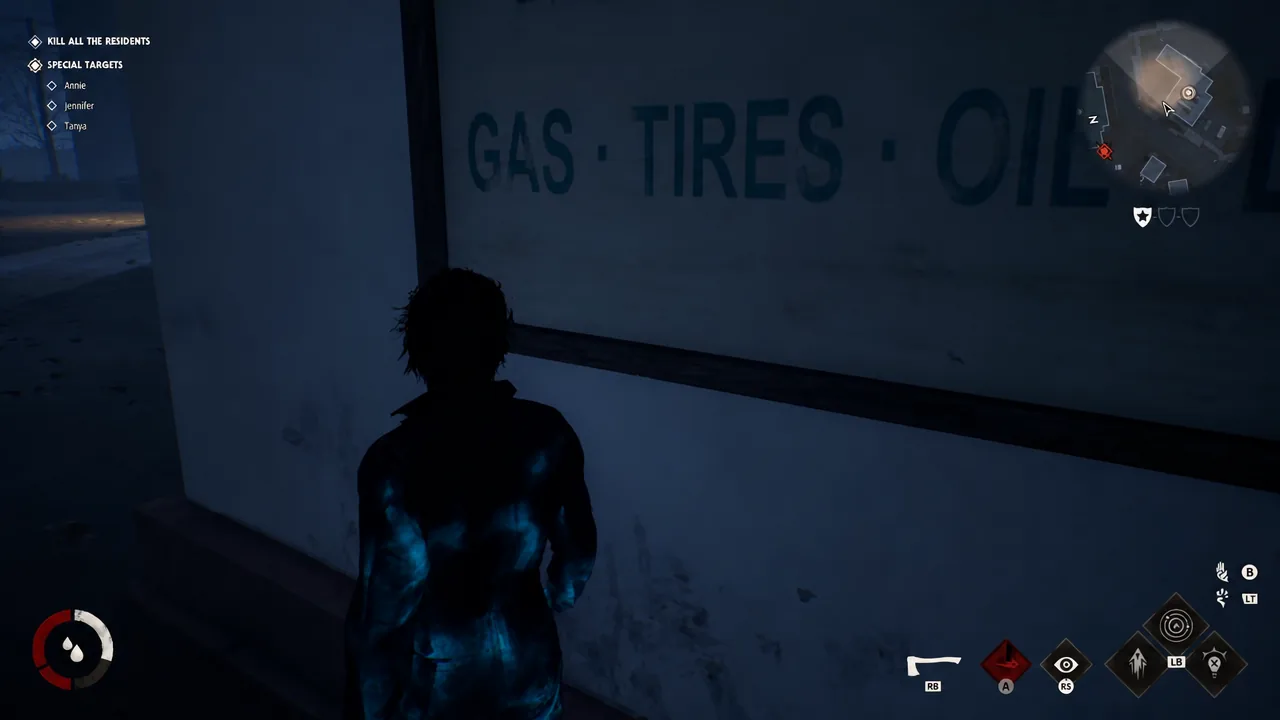
Clear the residents and the game switches you to an escape objective, ending with the “Michael Escaped!” result if you get out in time. Run out the clock instead and you get “Time’s Up”, which is the most common way a strong Hatchet run falls apart — chasing one last throw across the neighbourhood rather than picking the weapon up and moving on.