Sea of Remnants has been circling players for over a year now, and the reaction keeps splitting the same way. The art is striking, the combat has more going on than it first appears, and almost everything around it still feels unfinished. Hands-on sessions from playtests, Summer Game Fest, and Gamescom 2026 all land on the same broad shape.
Quick answer: It is a free-to-play, turn-based pirate RPG with a genuinely interesting dice combat layer, held back right now by heavy bugs, poor English translation, and a 92GB install in closed testing.
What Sea of Remnants is
You play an amnesiac sailor who washes up at Orbtopia, the game’s central hub island, after finding a strange rudder at sea. From there the story pushes you out into magenta-colored waters said to be formed from the memories of lost sailors, chasing the cursed Sea of Remnants itself. The trade is baked into the fiction: riches out there, but every failure costs you a piece of who you are.
| Detail | Current status |
|---|---|
| Developer | Joker Studio |
| Publisher | NetEase Games |
| Platforms | PC, PS5, Android, iOS |
| Price | Free-to-play |
| Genre | Turn-based RPG with sailing and roguelike runs |
| Release date | No specific date confirmed; targeted for 2026 |
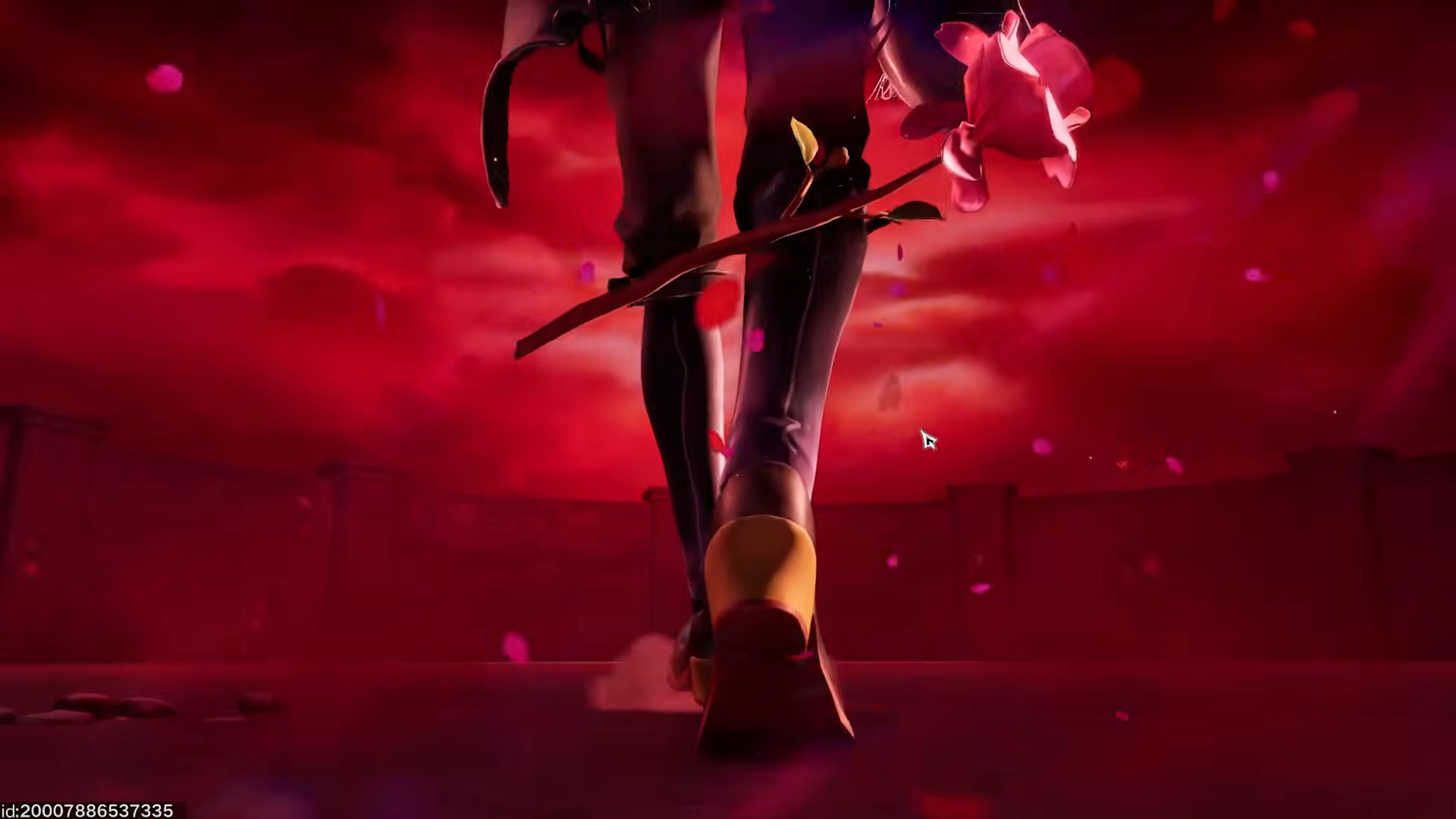
The look is the part nobody argues about. Characters are built like carved wooden puppets, closer to paper-mâché and marionette design than anime, layered over Age of Sail settings and graffiti-style tag art. Animations are exaggerated and bouncy, with characters hanging in the air mid-spin, and combat cut-ins are heavily stylized. The Steam store page labels it an MMO, though the multiplayer side has stayed mostly out of reach in test builds.
Combat: Turn-based battles, dice rolls, and weaknesses
Land combat is turn-based and built on familiar parts. Every ability carries a damage type, enemies have weaknesses that make those types stronger or weaker, and moves split between single-target hits and attacks that spread damage across the whole enemy line. Skills, ultimates, and status effects sit on top, and turn order decides how much a status move actually swings a fight.
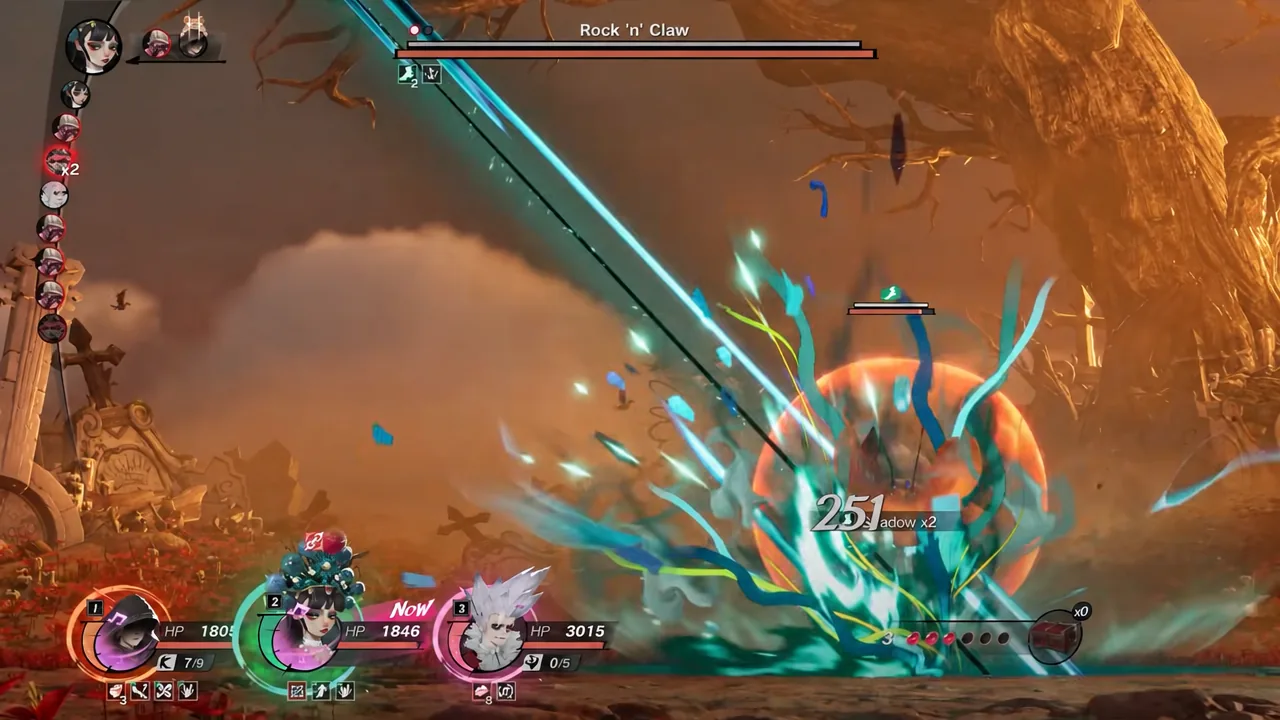
You can also open fights on your own terms. Running around the world, you swing a sword in real time, and hitting an enemy before the encounter starts earns you an advantage. There is even a light stealth layer with a basic combo system, though a clean opening strike sometimes deletes weaker enemies outright before any turn-based fight begins.
Dice rolls and weakness numbers
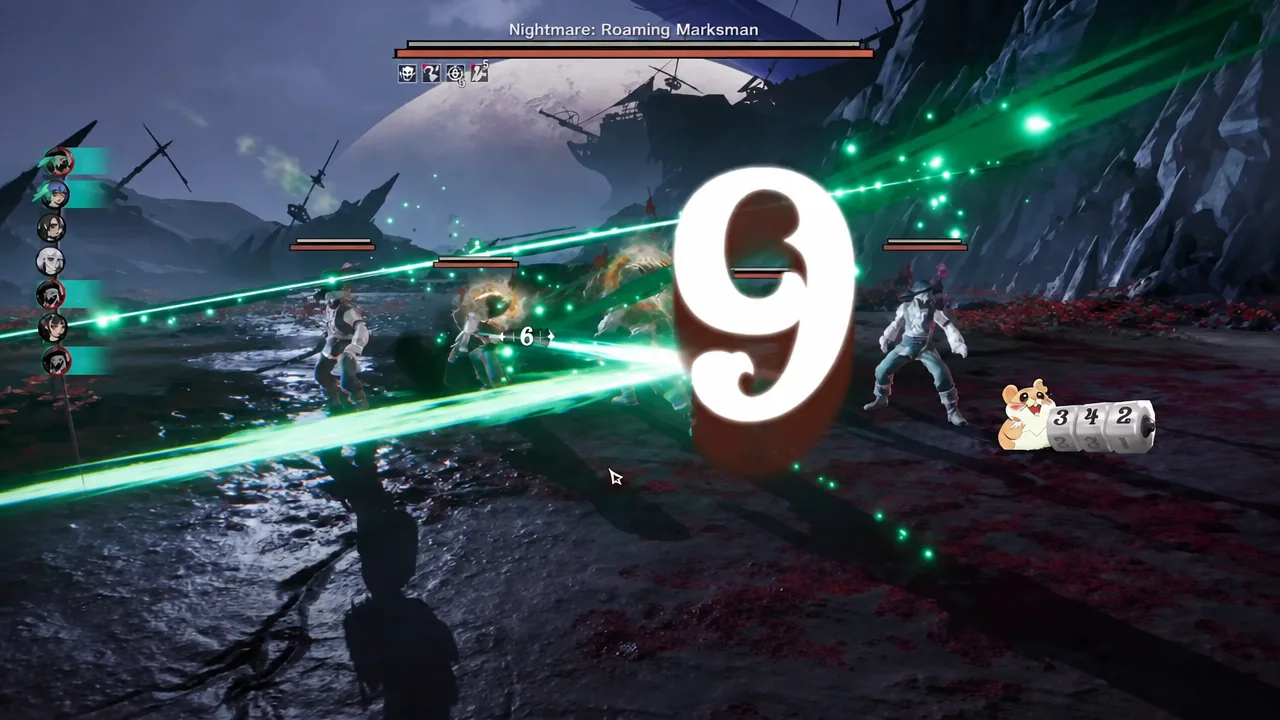
The dice are what separate this from other turn-based free-to-play RPGs. When a sneak attack fails to kill, a dice roll decides initiative. Beat the number assigned to the enemy and your whole party enters ready, landing a heavy opening hit first. Miss it and you keep the turn order advantage but lose the free damage.
Dice keep working inside the fight too. You earn them as the battle runs, then spend them to power up basic attacks and chain extra hits after good rolls. Enemies also expose weakness numbers, and matching them with a three-dice roll grants bonus damage or an extra turn.
Classes, buffs, and campfire progression
Every character has class progression, plus two-stage skills and effects pulled from gear and learned abilities. That lets you build a unit as a specialist or leave it flexible. Support and self-buff moves matter more than they look, since stacking the right effect before a big turn is often the difference between clearing a fight and stalling out.
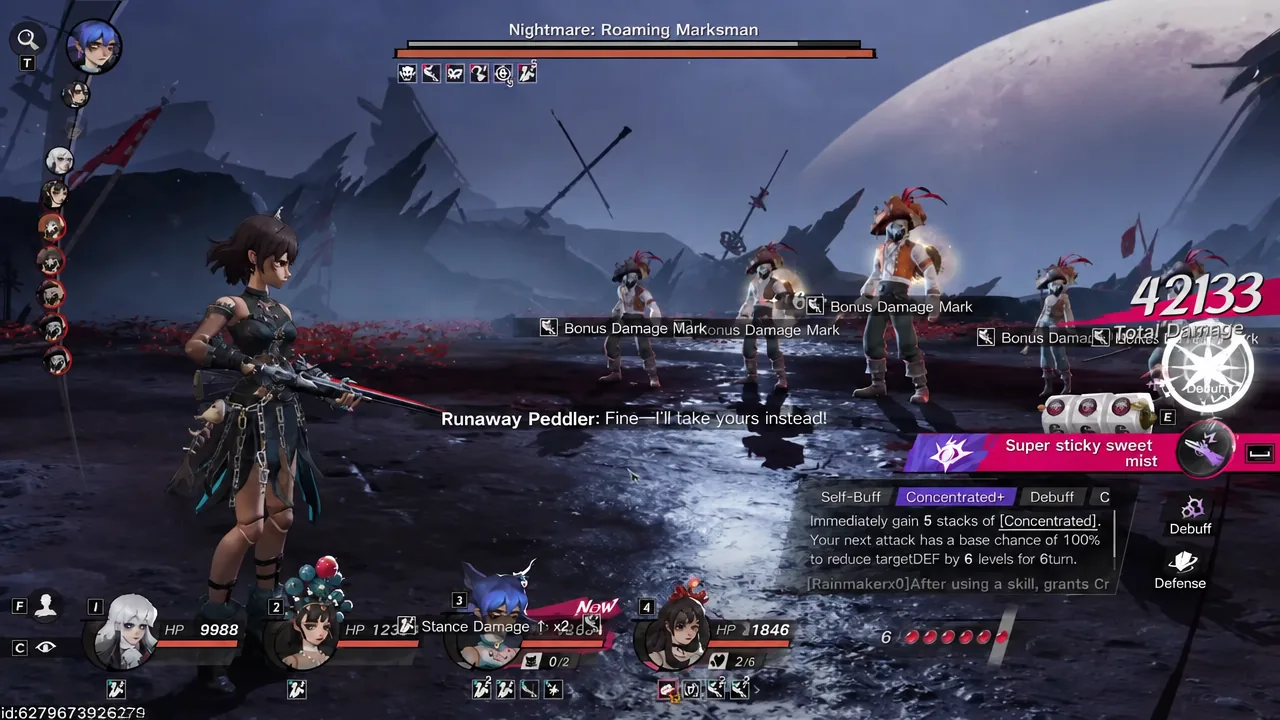
Progression is where it gets fussy. Past a certain level, characters stop advancing until you complete smaller objectives or learn sea shanties at campfires, which is also how advanced classes unlock. Testers have described farming a single class-unlocking material as a 20-minute run, and healing means cooking skewers at a campfire and resting rather than using an item.
Sailing, islands, and the Orbtopia hub
Ship combat is the weakest pillar so far. You steer with WASD, aim cannons with the mouse, and fire. It is arcade-style rather than tactical, closer to a stripped-back version of ship-to-ship fighting in Skull and Bones than to the timing-heavy naval battles people remember from Assassin’s Creed IV: Black Flag. On a controller at Gamescom, it came down to lining up a reticle and holding a trigger.
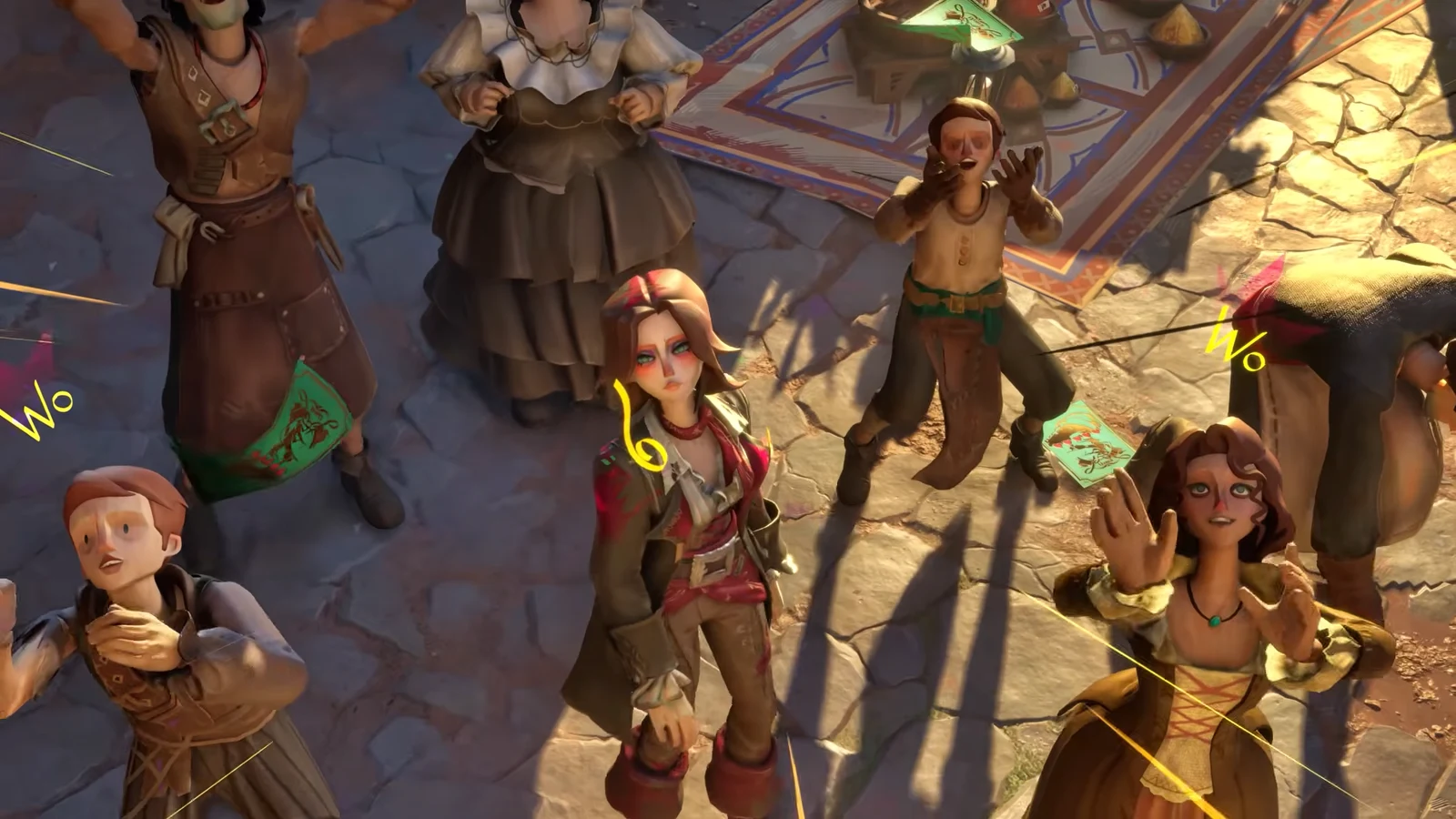
Exploration fares better. You move between hub cities, wilderness islands, caves and dungeons with puzzles and treasure, weather systems, and random encounters, with chests and pickups scattered densely enough to keep the pace up. Orbtopia is the anchor point, and it visibly changes as the story advances. Story choices can also shape how a city ends up, and there are lighter distractions like a crowd-clapping rhythm minigame and a hamster slot-reel.
Roguelike loot risk and run carryover
The roguelike layer sits mostly in exploration and loot. If your party wipes or your ship sinks, anything not stored in a waterproof bag is gone and the ship needs repairs. To protect a haul, you send materials and currency back to Orbtopia through a courier NPC, or finish the stage. Another NPC converts odds and ends collected on islands into extra rewards.
- Gear comes off defeated enemies, so equipment upgrades are tied to what you kill
- Ability paths and skill synergies are randomized during runs
- World development upgrades persist between runs
- Loot in the waterproof bag survives a wipe; everything else does not
Send valuables back by courier the moment health starts dropping in a deep run. The loss rule only bites when you are still carrying the haul.
Nightmare Descent and endgame fights
Nightmare Descent is the endgame challenge mode shown at Gamescom 2026, structured as a three-floor gauntlet. The Surface Dream tier throws Roaming Marksman enemies at your party before handing off to a high-level boss. Fights run fast, and an auto-battle toggle is available for the parts you have already cleared.
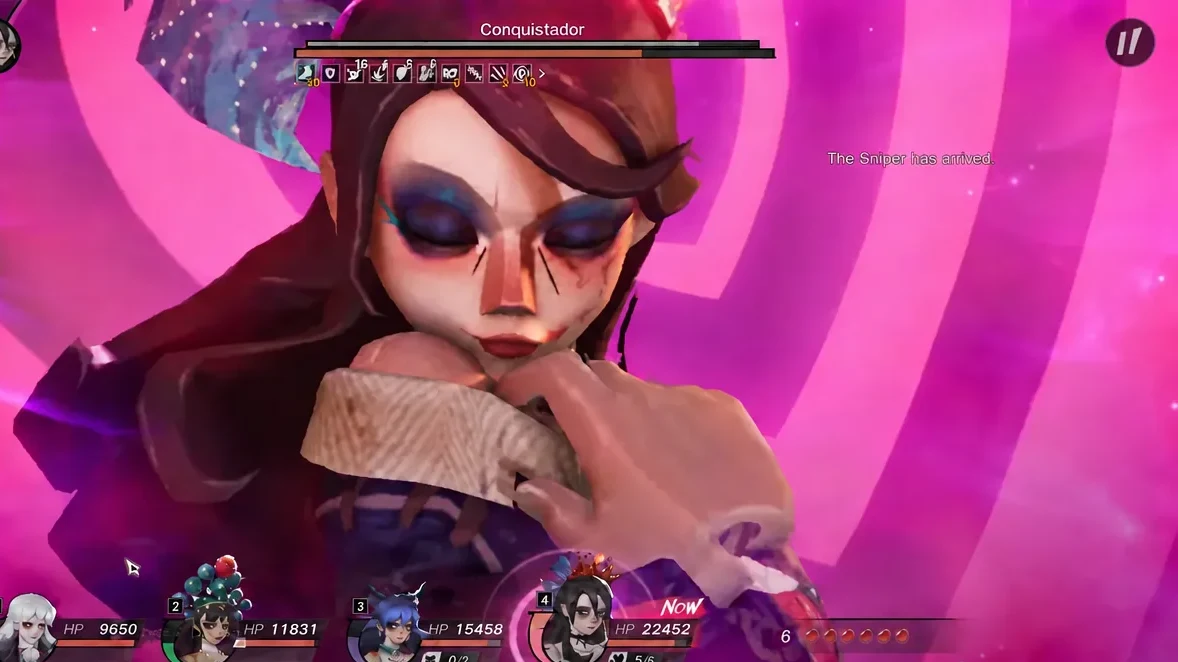
The boss at the end, Conquistador, runs across multiple phases and is clearly tuned to punish undergeared parties. Losing drops you to a defeat screen with a Try Again prompt rather than costing you the run outright.
Free-to-play model, gacha, and battle pass
The game is free-to-play, with optional cosmetic skins and a battle pass. Character acquisition runs through a gacha system: the Bounty pull screen hands out Lost Echoes, and early test builds already gave players several characters before the first voyage without an obvious banner interface. Expect the usual free-to-play economy around characters, skins, and seasonal passes rather than an upfront price.
Rough edges in current builds
The problems are consistent across every hands-on period, and most of them are technical rather than design. The closed playtest build weighed 92GB on PC, roughly double Arknights Endfield and close to Wuthering Waves after nearly two years of updates. That is before a mobile release.
- English translation quality is poor, with typos, missing words, and instructions that name the wrong key
- Voice acting has been inconsistent, with Chinese audio and gaps in coverage in test builds
- Characters T-posing, quest interactables vanishing, and loads stalling on half-loaded assets
- Cutscenes dropping frames, and ship sails appearing between gameplay and cutscenes
- Controller support reads only eight directions from the analog stick
- Healing and material farming lean on repetitive cooking and grinding loops
Installing on an SSD reduced but did not eliminate the loading and asset-streaming issues in testing.
Release date and platforms
No specific release date has been confirmed. The game is targeted for 2026 across PC, PS5, Android, and iOS, and Metacritic currently lists PlayStation 5, PC, and iOS with no critic or user scores yet. Until launch builds land, everything above reflects closed tests and event demos rather than a shipped product.
If you are deciding whether to keep an eye on it, the combat and art direction are the reasons to. The dice layer gives turn-based fights a real identity, and the puppet aesthetic looks like nothing else in the free-to-play RPG space. The question is whether the translation, the bugs, and that install size get fixed before release, because none of them are small jobs, and all of them are the first things a new player will run into.