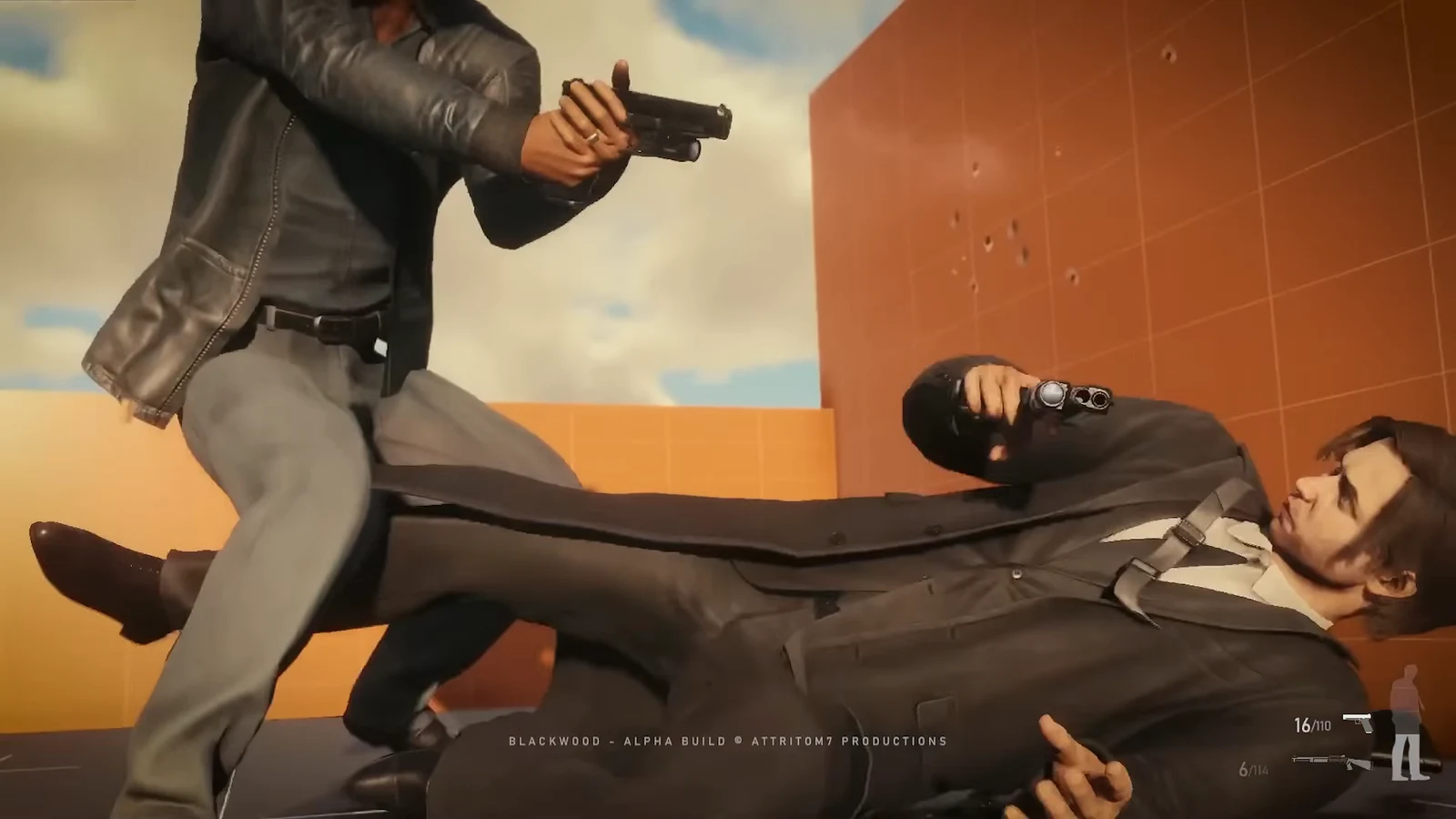
BLACKWOOD drops you into a recreation of New York in 2012 as Anton, a man who sells DVDs during the day and kills people for money at night. It’s a third-person shooter with grounded melee, but several of its systems behave differently from what the genre has trained you to expect. Ammo is finite and honestly tracked, health only partly comes back, and your progress does not save unless you go to bed.
In short: every round is counted, including the one already in the chamber; takedowns are the only reliable way to get both a weapon and health back mid-fight; and the day is written to the save only when Anton goes to bed, so a session that ends any other way is gone.
Ammo tracking, chambered rounds, and weapon swaps
Reloading counts the round sitting in the chamber. If you reload while a round is still loaded, you get that extra shot on top of the fresh magazine, so topping off before a magazine runs dry is quietly worth more than it looks.
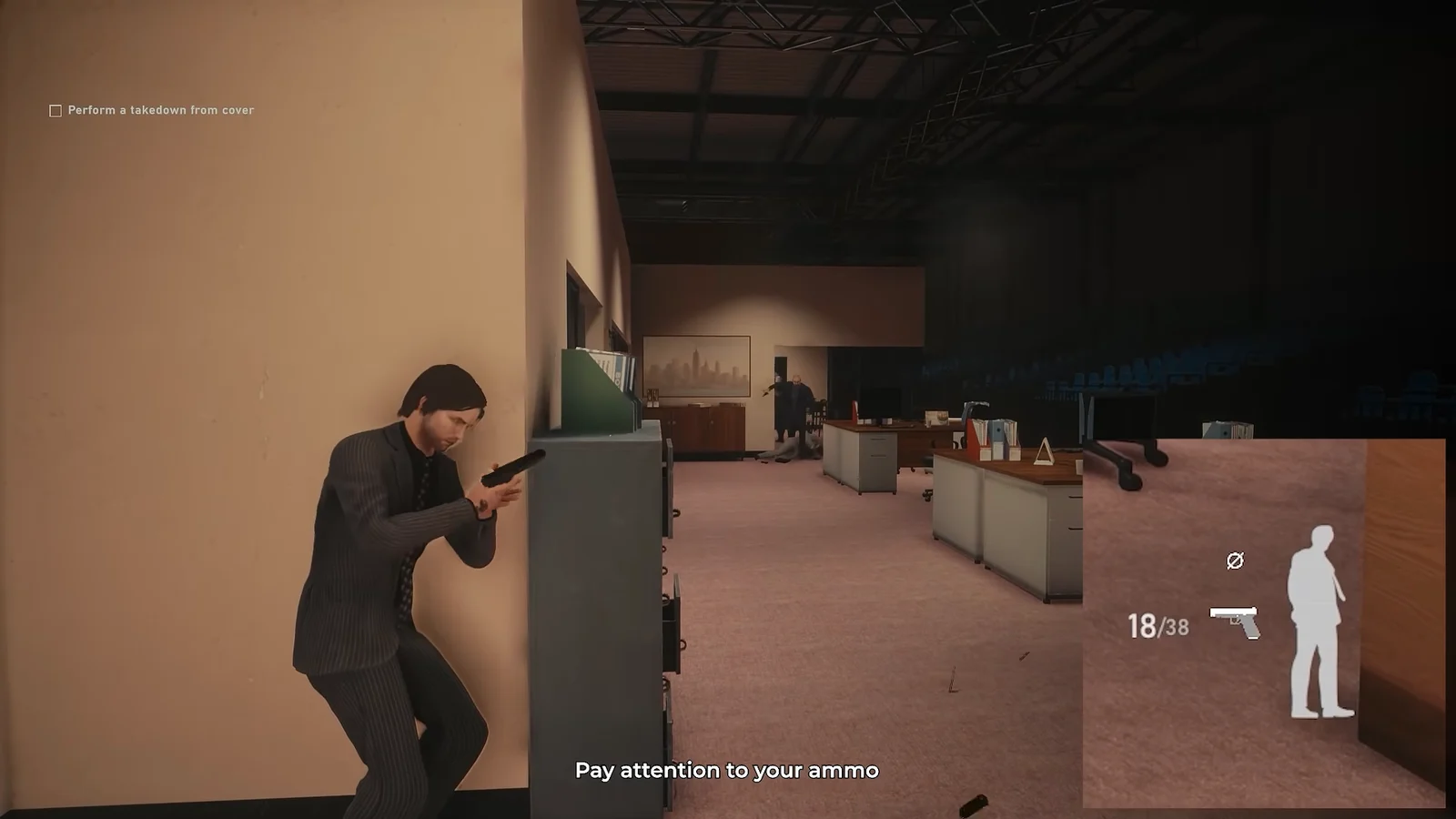
The magazine can also be checked at any time, bound to a held R. That matters most on the hardest difficulty, where the on-screen ammo count is switched off entirely and the manual check is your only reliable read.
When a gun is completely empty, Anton throws it away on his own. Before that happens, switching weapons is faster than reloading, and he can keep a spent rifle in one hand while drawing a pistol with the other.
Takedowns, environmental kills, and the health they give back
Takedowns are the signature mechanic, and they do two jobs at once. Beating an enemy down hand-to-hand lets you take their weapon, which is the intended answer to running dry mid-fight. Each takedown also restores a portion of Anton’s health, which is why pushing forward often beats sitting behind one wall.
Contextual variants fire automatically when something useful is nearby, such as a car door or a wall. Holding F overrides that and Anton performs a normal takedown instead.
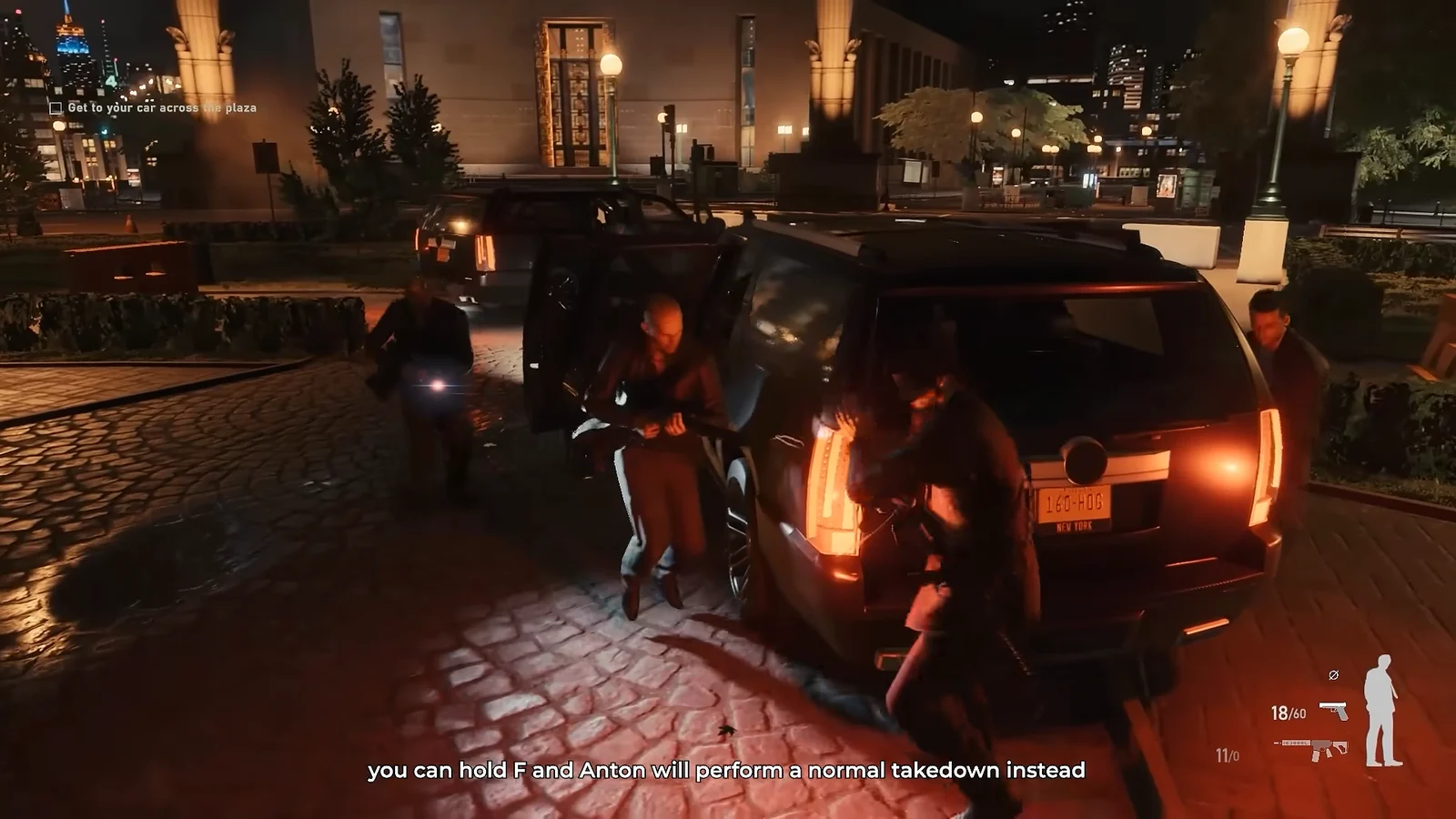
Dives, bullet time, and fighting with the room
Movement includes dives, rolls, and slides. Dive distance is tied to momentum, so a standing dive covers far less ground than one you launch out of a sprint. Aiming your weapon while airborne triggers slow motion, which is the window for lining up a shot mid-dive.
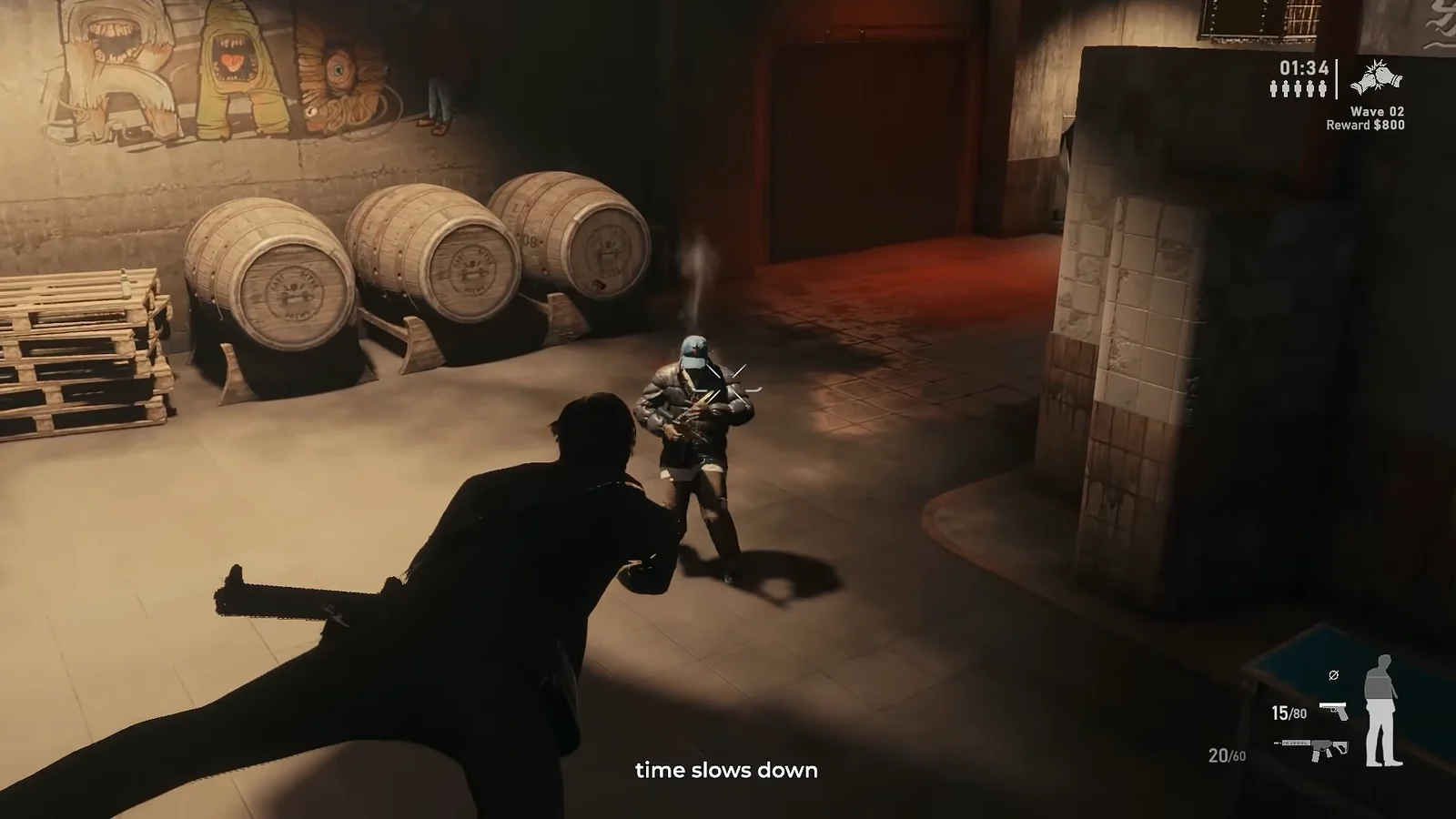
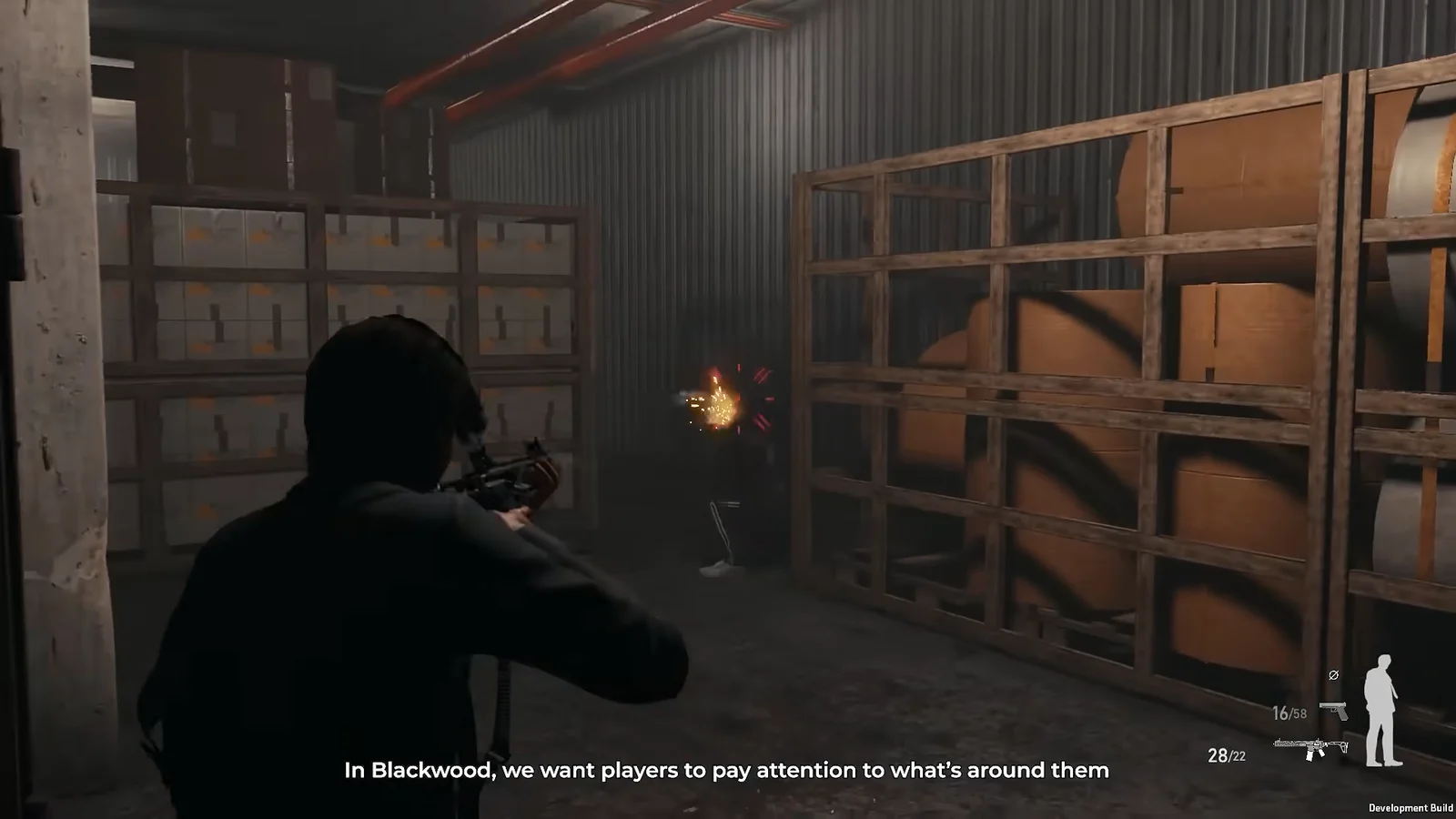
Environments are load-bearing in a fight rather than decorative. You can shoot objects to open up a line on someone behind them, drop heavy items onto enemies below, or pick up loose items such as bottles and throw them.
Health stages: What comes back on its own
Health is split into stages rather than one continuous bar, and it does not refill by itself. After a fight, it climbs back only to the nearest stage boundary. Anything below that line stays gone until you heal another way, so a bad encounter carries a real cost into the next one.
Because regeneration stops at a stage boundary and takedowns do not, a close-range kill is often the only health a mission gives back.
Buying weapons: Liberty Defense Supply vs Clean Road Open Market
Guns are bought, not looted, and there are two storefronts with very different inventories. The legal one is safe and limited. The illegal one is where full-auto fire and banned modifications live.
Liberty Defense Supply (civilian)
| Item | Price |
|---|---|
| Alaskan .454 | $799.99 |
| Spectre 300 | $1,499.99 |
| M4 Tactical | $2,799.99 |
Everything ordered here is a civilian model, which in practice means single-fire only. Grenades show up in the catalog too, including frag and stun types. The Spectre 300 is a compact 9mm sidearm pitched at close quarters, with fast target acquisition and controllable recoil.
Clean Road Open Market (black market)
| Item | Price |
|---|---|
| AR7 Rifle | $1,150.00 |
| VX Virtue (Stripped) | $1,350.00 |
| SP14 Vanguard | $1,410.00 |
| DV15S (Stripped) | $1,410.00 |
| SRP3-L ADV | $1,420.00 |
| Spectre 300 (Modded) | $2,450.00 |
| VX Virtue (Modded) | $2,650.00 |
Listings split into stripped and modded versions of the same platform, and the modded ones cost roughly twice as much. This is also where military variants and fully automatic fire come from, so the price gap between a Spectre 300 bought legally and the modded version reflects what the modifications add.
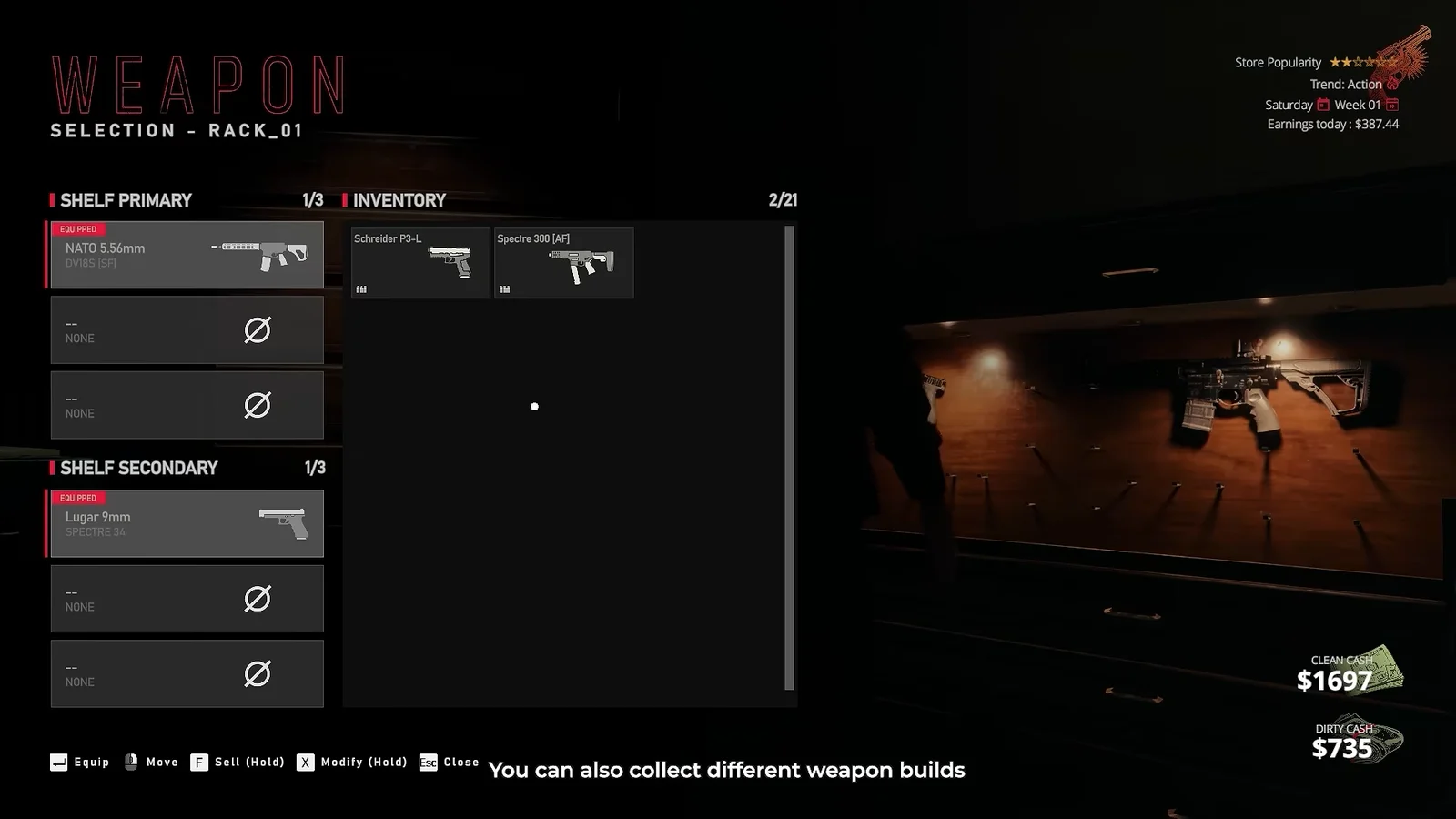
Builds you assemble are kept, not consumed. The weapon selection screen organizes them by rack, and the collection is displayed physically in Anton’s basement. A shooting range with timed target waves gives you somewhere to test a build before taking it out on a contract.
Where online orders get delivered
Orders placed from the computer do not land in one shared inbox. Each category goes to the place it belongs, and you have to physically go there to collect it.
| Order type | Delivered to |
|---|---|
| Clothes and outfits | Anton’s home |
| DVDs | The DVD store |
| Weapons | The basement |
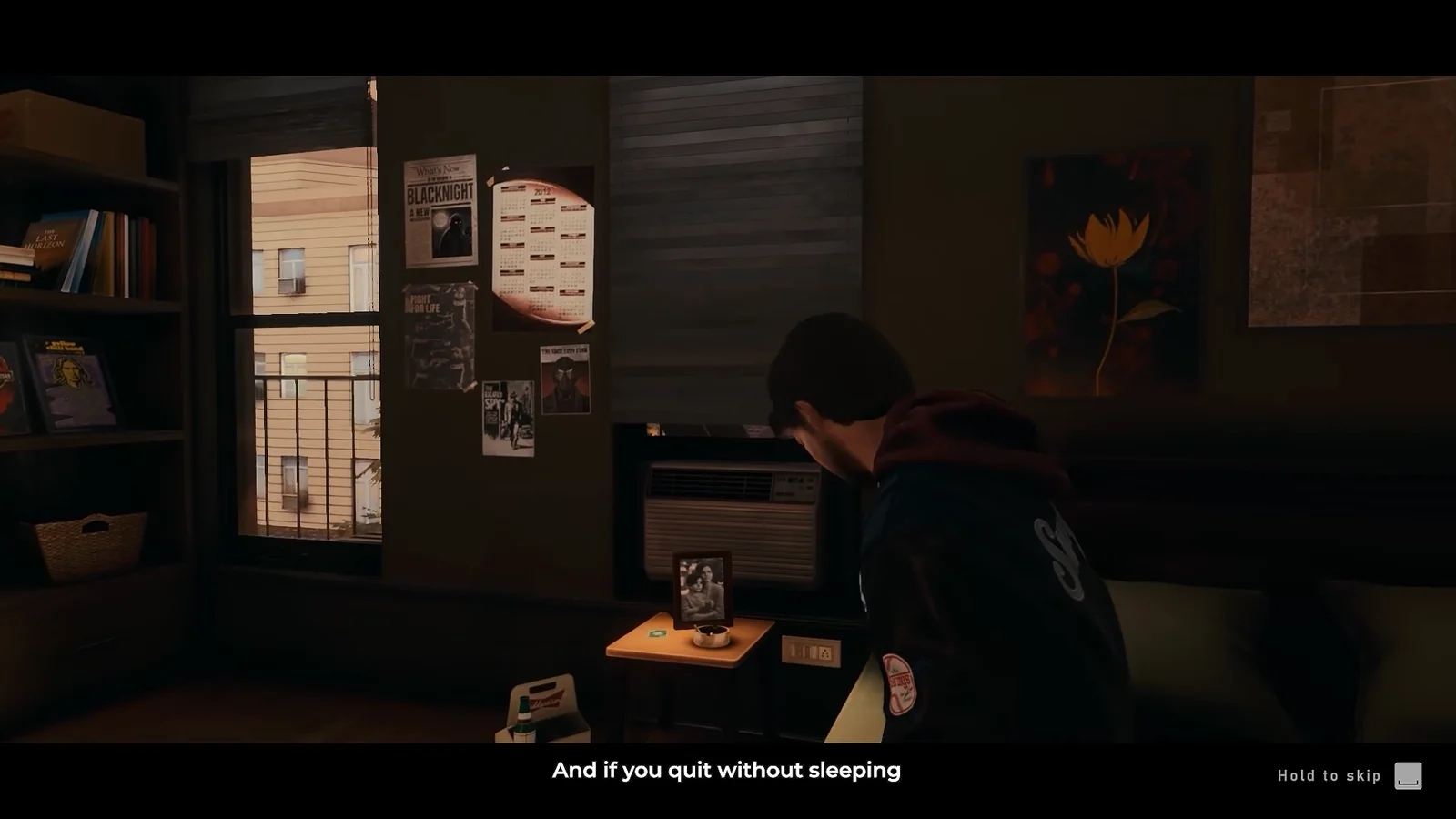
Saving progress: Sleep in Anton’s apartment
Time runs on a weekly calendar, shown on screen as entries like WEEK 1 • TUESDAY. The apartment is the hub for the day-side half of the game, where you swap outfits, put on music, and sort your collection. It is also the only place you save.
Sleeping is what writes the save. A session that ends before Anton goes to bed discards that day.
The calendar is where it shows: if the day label has not moved on, nothing from that session was kept.
The DVD store, the other half of the day
The shop, Swings, is a functioning business rather than set dressing. You restock racks, organize inventory, set prices, and can work the counter yourself. Objectives are tied to it too, covering things like a store star rating, filling a percentage of racks with DVDs, and sourcing a specific title for a customer. Left alone it ticks over; managed well it becomes a real income stream, tracked by store popularity, the current genre trend, and daily earnings.
Anton’s story runs across three acts with missions added between them, and buying the game once covers all of them — the release dates and pricing are set out here.