Difficulty has been the loudest argument around Monster Hunter Wilds since launch, and the Ascendance expansion is where Capcom is answering it. Expansion director Takuro Hiraoka has laid out a split approach: the main story stays beatable for players who are not series veterans, while the hardest fights are pushed into the content that comes after it.
Quick answer: The Ascendance main story is tuned so you can reach the end without hitting a hard progress wall. The steep challenge lives in the Master Rank endgame loop after the campaign.
Ascendance story difficulty: designed so you can finish it
Capcom’s stated priority for the campaign is completion. If you buy the expansion, the assumption is that you want to see the whole story, so the team is avoiding the kind of monster that stops a run cold. Hiraoka has called balancing this one of the hardest things to get right in a game, and the target for Wilds was a curve that does not spike before the credits.
That thinking traces back to Monster Hunter: World, where a noticeable share of players stopped before finishing because the difficulty climbed too fast. Wilds kept more of its audience through the story by comparison, and Ascendance is being built on the same principle rather than reversing it.
Master Rank monsters still hit harder and have larger health pools than High Rank. “No wall” means no hard stop, not that the campaign is easy.
Where the hard content actually sits in Ascendance
The expansion is not one flat difficulty setting. Capcom is separating the two audiences by placing them at different points in the progression.
| Stage | Who it targets | Difficulty goal |
|---|---|---|
| Master Rank campaign | All owners of the expansion | Challenging, no hard progress wall |
| Post-story endgame loop | Veteran hunters | The toughest fights in the expansion |
| Base game High Rank | New and returning players | Unchanged, still the on-ramp |
Hiraoka has been direct about the trade-off. Players who want the steepest fights are expected to find them in the endgame loop, not in the story missions, and the team is still tuning that balance.
Why Capcom is retuning difficulty standards
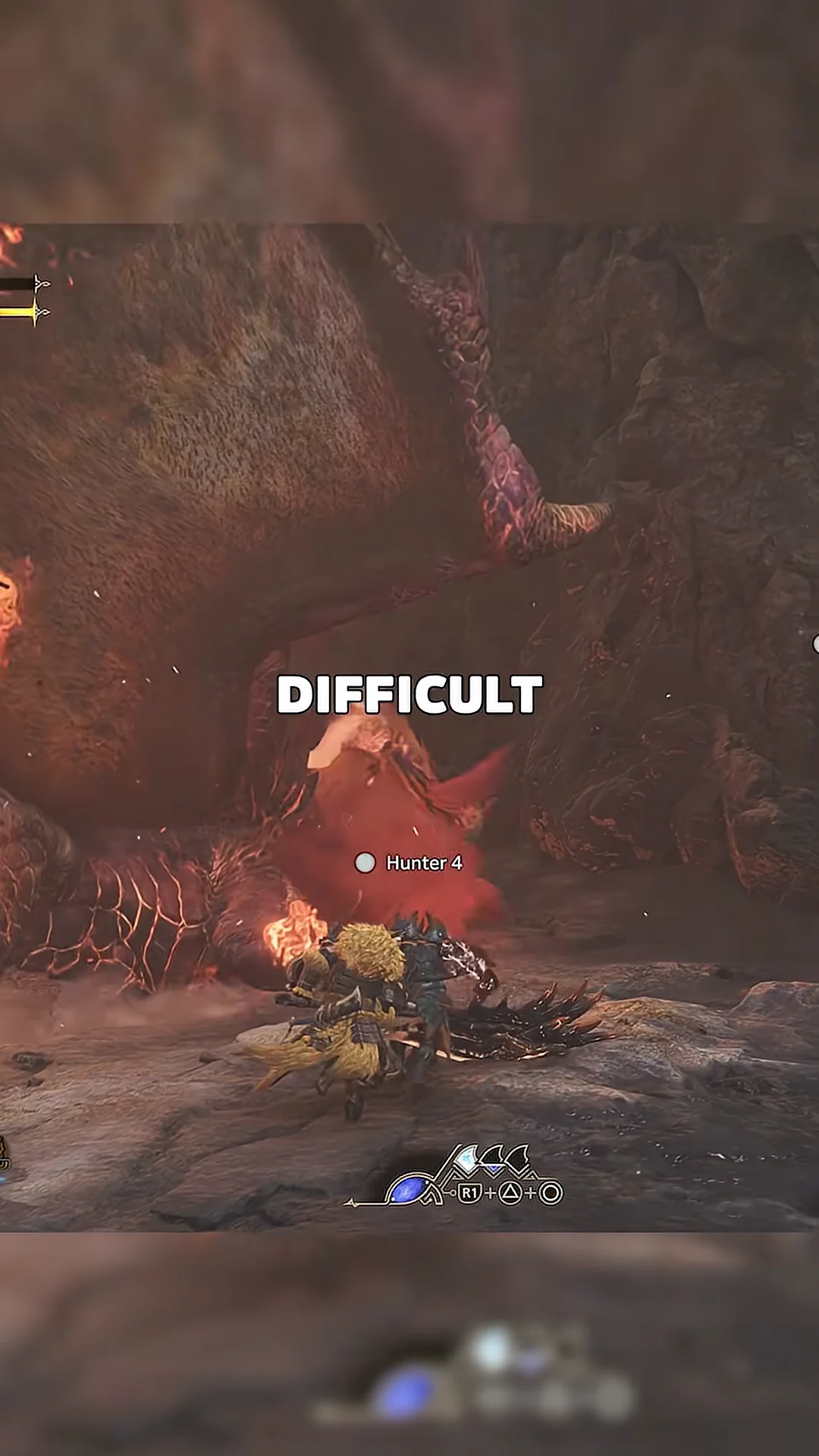
The short version: is that the player base outpaced the design assumptions. Capcom built the base game around a curve it believed was right, then watched hunters clear it far faster and far more cleanly than expected. Hiraoka described the result as a gap in expectations between the team and the people playing.
I believe Wilds reached the intended difficulty, but the audience turned out to be exceptionally capable, revealing a mismatch in our expectations. Players may have improved more than we anticipated during the intervening years.
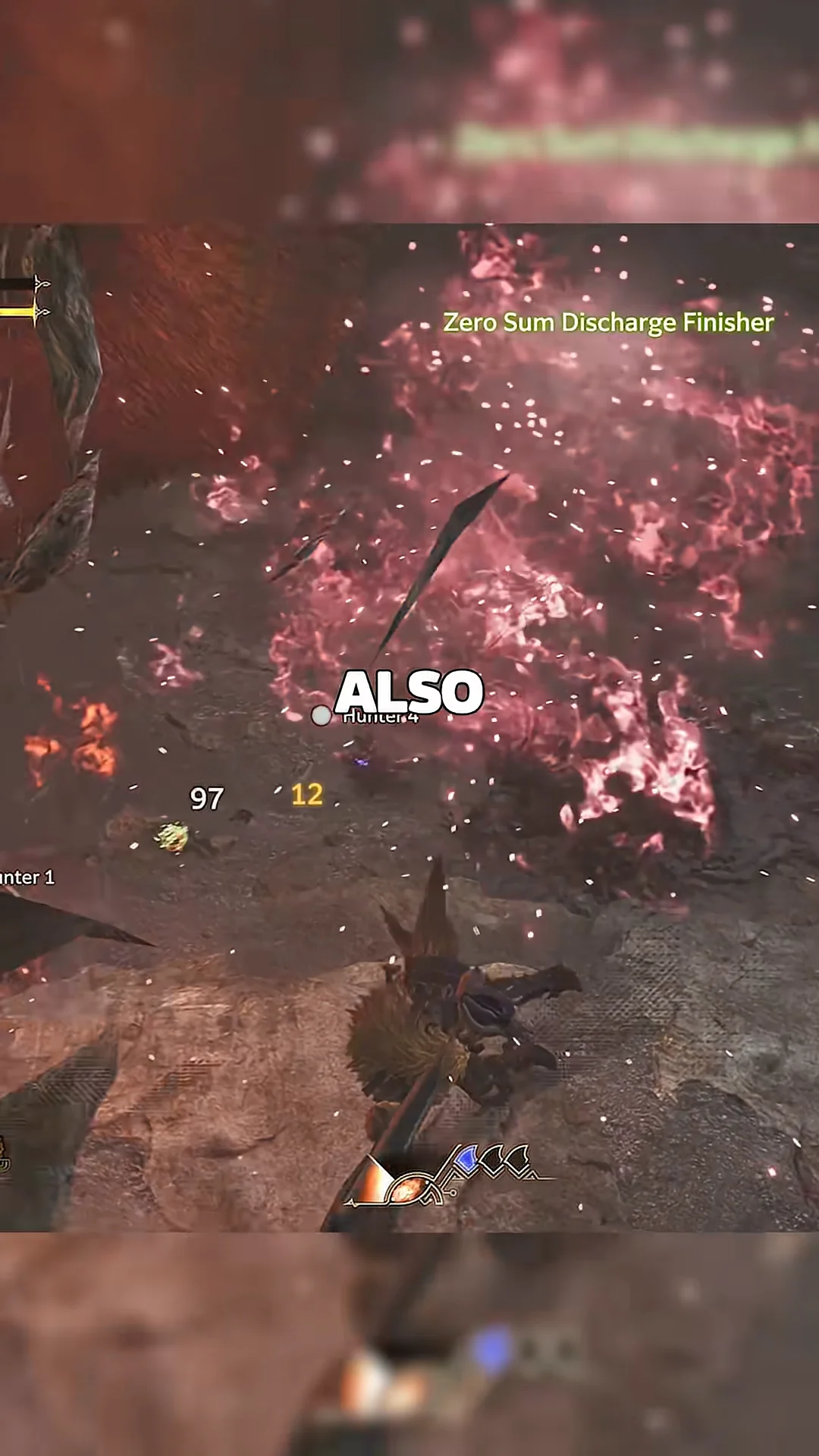
Post-launch updates already pushed in the other direction, with some encounters criticised for leaning on raw damage numbers instead of better fight design. Ascendance is the correction, and Capcom’s line is that it wants to serve both groups rather than only the hardest of the hardcore.
Does the Boost Bracer make Ascendance easier?
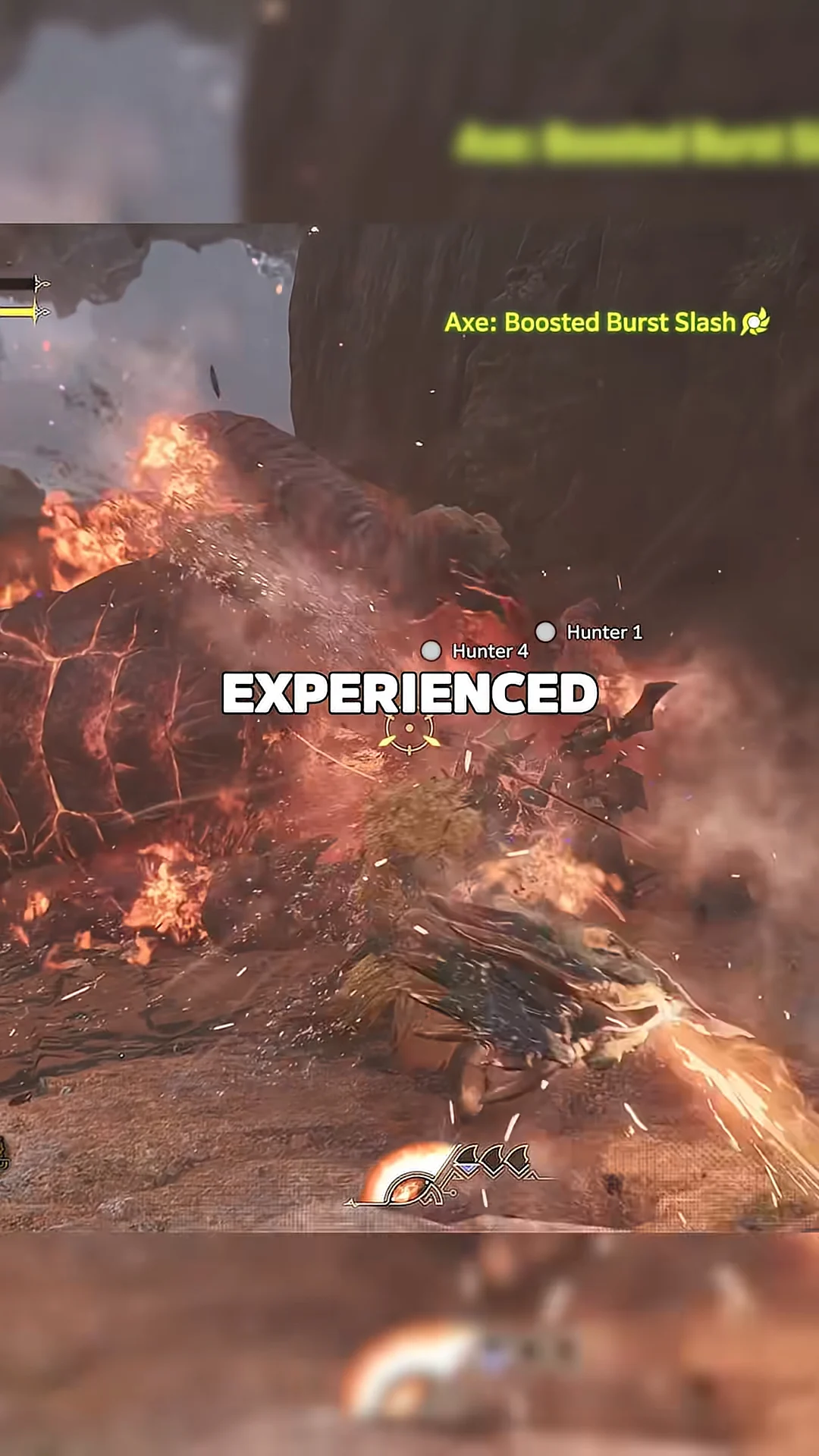
The Boost Bracer is the expansion’s new slinger-mounted mechanic, and trailers make it look overwhelming. In practice it is a timed power spike, not a permanent state. You build a gauge, manage charges, and decide when to trigger a limited-duration boost mode that enhances attacks, combos and guarding for your weapon type.
Hiraoka makes clear that the system will not make hunts trivial. Monster tuning and player capabilities are being designed alongside it, so the added choices provide depth without eliminating the danger posed by tougher foes. Every one of the 14 weapon types is also receiving attacks and combos usable without the Bracer.
What new players need before the Ascendance story unlocks
Ascendance is not standalone, and its Master Rank content is gated behind base-game progress. If you are starting fresh, the campaign is the work you need to do first.
- Own Monster Hunter Wilds on the same platform as the expansion
- Reach Hunter Rank 40
- Clear the ★7 assignment “Awaking From a Dream”
- Purchase Ascendance when it releases on your platform’s store
Once that quest is cleared, Master Rank opens and the expansion’s story becomes available. Newcomers can also try the free Monster Hunter Wilds prologue demo first, which covers hunter and Palico creation, the opening of the story and all 14 weapon types, with save data carrying into the full game.
Release window and what is still unconfirmed
Monster Hunter Wilds: Ascendance is planned for 2027 on PC, PlayStation 5, Xbox Series X|S and Nintendo Switch 2, though its exact launch date remains unannounced.
Difficulty tuning is also still in progress, which is worth keeping in mind before treating any of this as final numbers. The direction, though, is settled: play through the story without expecting a run-ending wall, then treat the endgame as the part that is meant to test you.