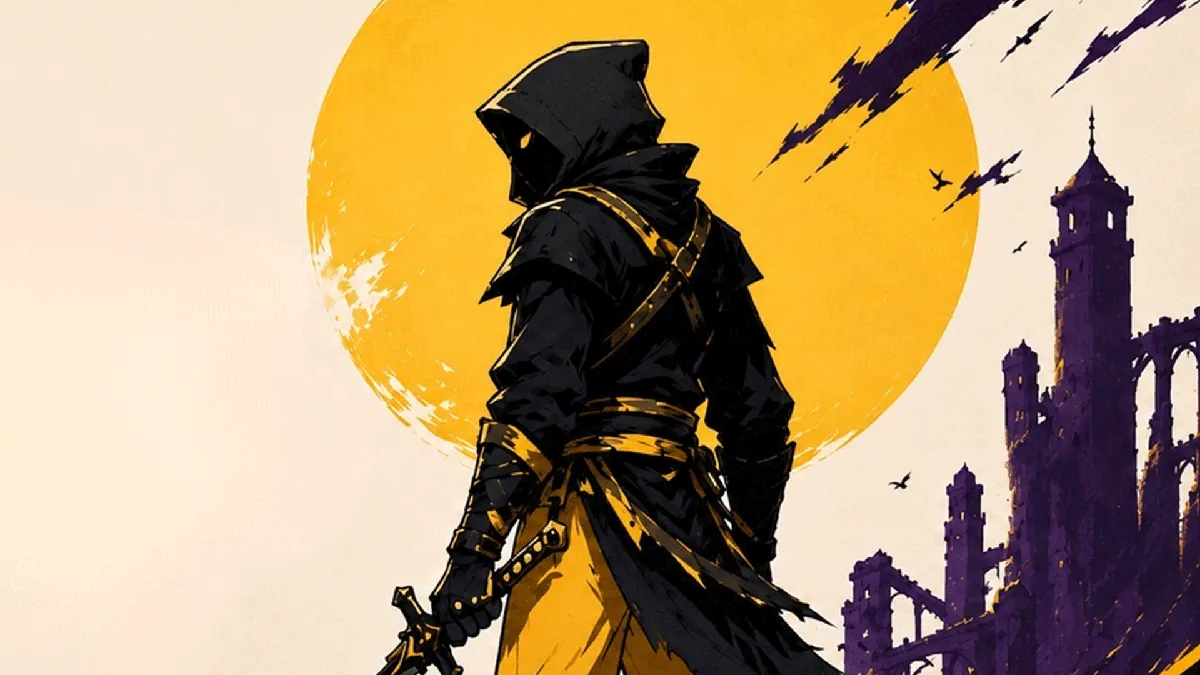
Undying Soul is a 2D action roguelite built around fast melee and ranged combat, swapping between a pair of heroes, and stacking items into aggressive builds. The premise ties the runs together: your soul has been shattered, and each chapter ends with a guardian holding a fragment you need to reclaim. A playable demo is out now on Steam, and its launch trailer lays out most of the systems you will meet in a run.
Quick answer: The Undying Soul demo is available on Steam now. It is a single-player 2D action roguelite where you carry two characters at once, swap between them in combat, build around passive and usable items, and fight a guardian at the end of each chapter.
What Undying Soul is
The game is a side-scrolling, pixel-art roguelite from developer and publisher MipuDevs. Runs are procedurally structured, and the core loop mixes hack-and-slash combat with roguelite item drops and meta-progression between attempts. It is single-player, with Family Sharing supported, and ships with interface and subtitle support across nine languages including English, French, German, Simplified Chinese, Japanese, and Russian.
The pitch centers on three things: fluid combat, character swapping, and what the developer calls broken build crafting. You pick allies, combine their abilities, and adapt as new options appear during a run.
Playable characters and swapping
You take two heroes into each run, and each has distinct weapons, abilities, stats, and combat styles. Switch between them during a fight to use the right option for the moment and change the battle’s flow. As more heroes become available during a run, replace your current pair to try different combinations.
The demo footage shows several distinct archetypes in action:
- A bearded swordsman in a red and white tunic who fights with melee slashes and fire magic.
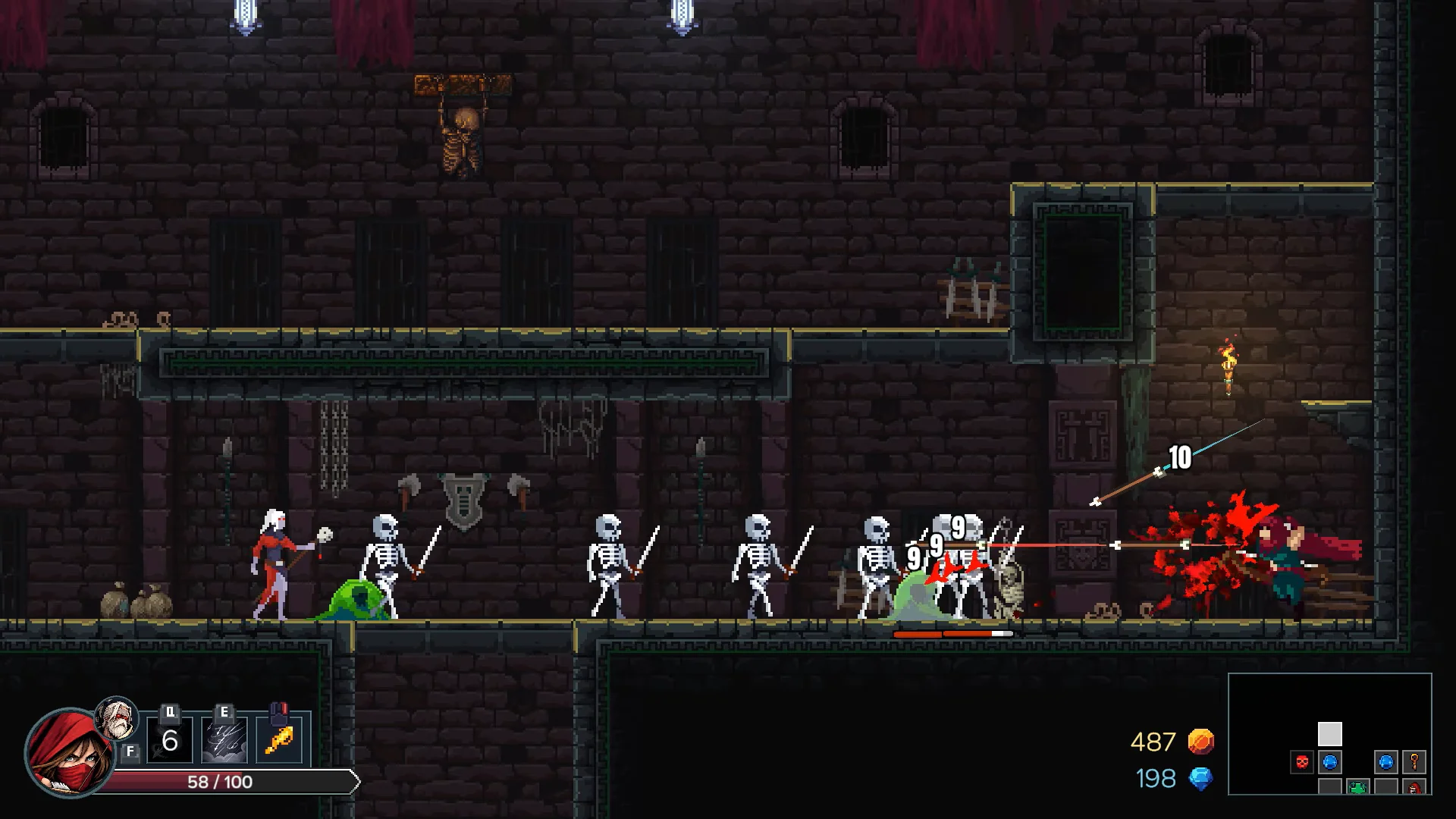
- A cloaked archer with a red hood who uses multi-arrow shots and ricocheting projectiles.
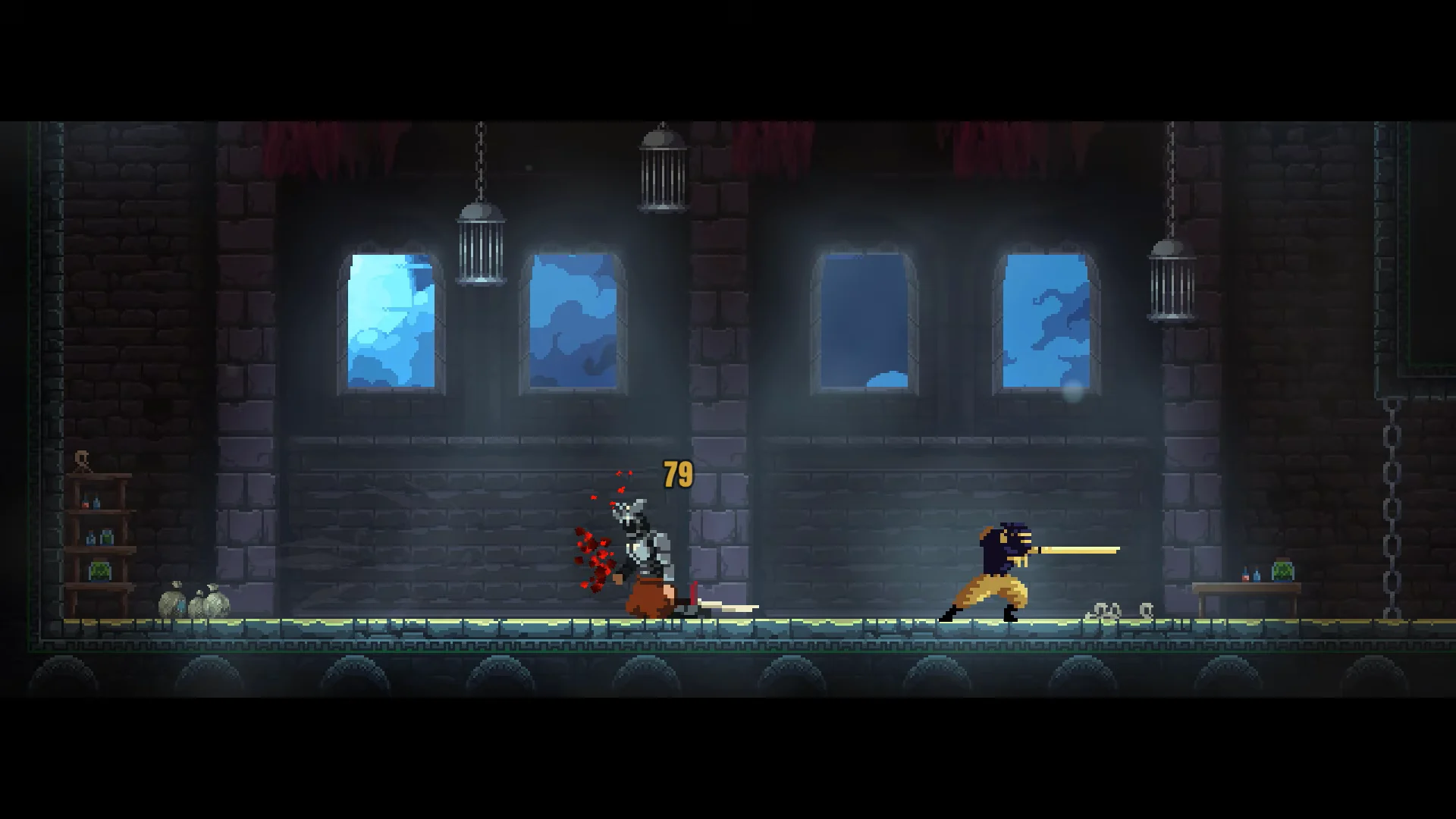
- A masked martial artist in yellow with a katana for fast, close-range strikes.
- A female mage in a blue and white robe who casts electric ground spells.
Some heroes you can recruit also appear as enemies. Certain characters show up as dangerous minibosses, and you have to beat their abilities and combat style before they can join you.
Combat and abilities
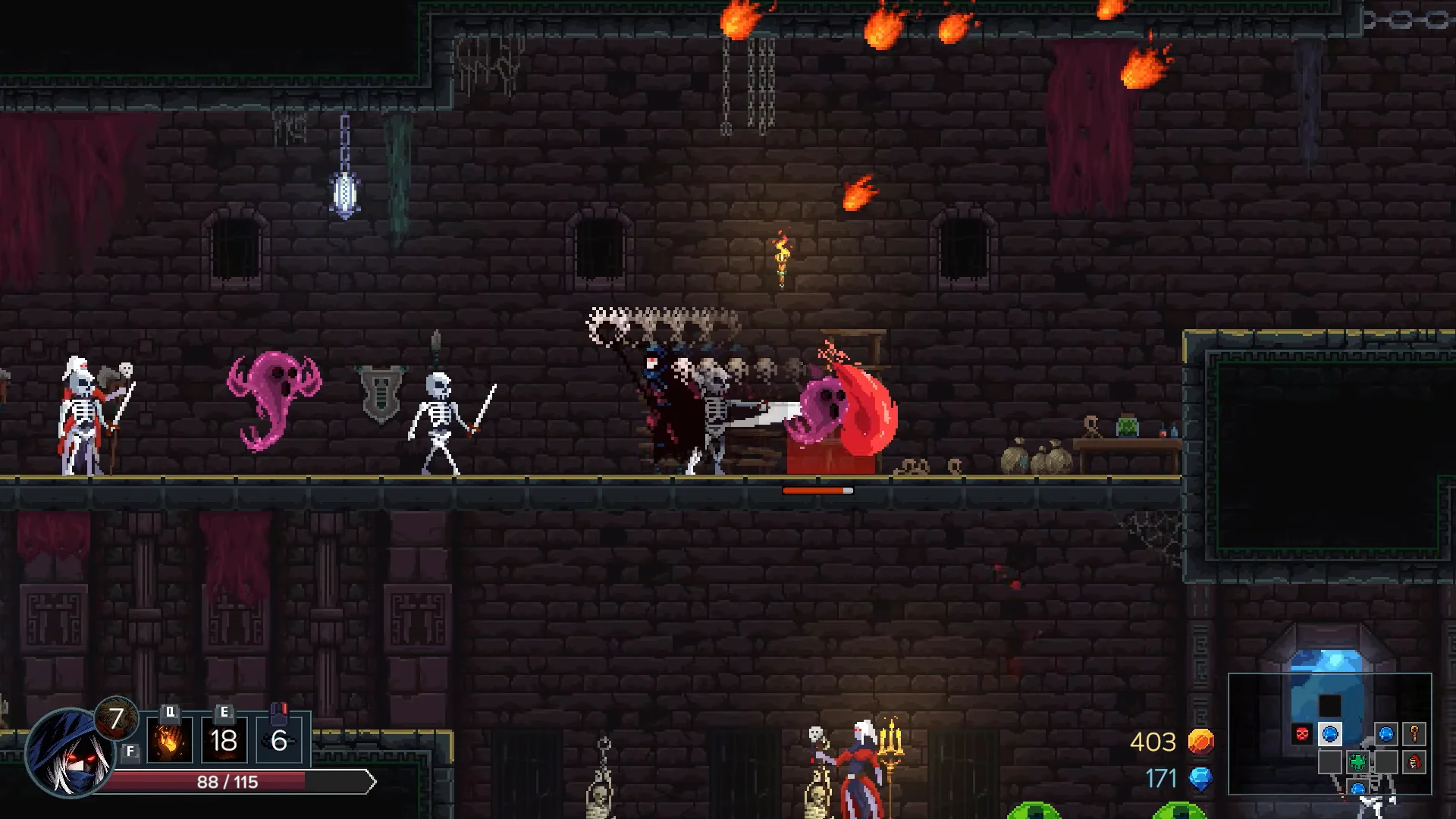
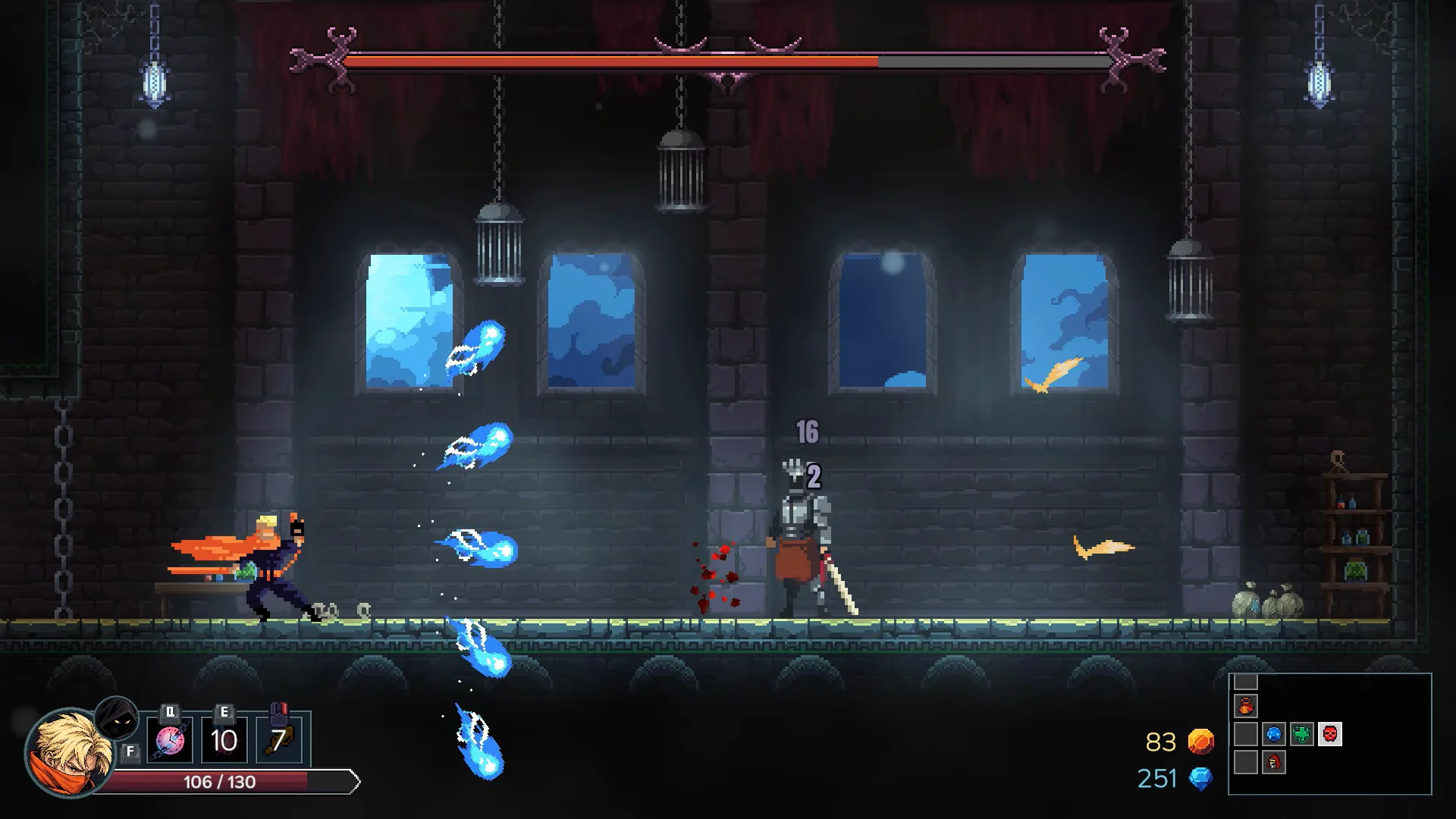
Moment-to-moment play combines standard melee strikes, ranged archery, directional dashes, and dodges with class-specific magic. The trailer shows fire rain, electric pillar surges, holy light crosses, and water surges among the special abilities, plus lightning kicks and a dash-slash used to finish off a boss. The on-screen HUD keeps health, mana, skill cooldowns, and the active class portrait in the bottom left, with currency counters and a minimap in the bottom right.
Items, shops, and builds
Items, upgrades, and relics combine with your heroes and abilities to shape each run. Passive items provide ongoing effects, while usable items are tools you activate once. Dungeon shops offer items in exchange for gold; select the die icon to reroll the available stock.
| Item | Type | Effect | Cost |
|---|---|---|---|
| Voltaic Core | Passive | Strike an enemy 3 times to apply Lightning Mark; your next hit summons Lightning. | 700 gold |
| Bloodied Fang | Passive | Critical hits inflict Bleed, making affected enemies take 10% more physical damage. | 610 gold |
| Poison Bomb | Usable | Throws a bomb that deals damage and applies Poison | Chest drop |
Usable items also come from treasure chests found during a run. The Poison Bomb, for example, is picked up from a glowing chest rather than bought from a vendor. Combining passives like these is where the game’s build-crafting comes from, since effects such as Lightning Mark and Bleed stack with each character’s own kit.
Meta-progression with the witch and souls
Between runs, a witch NPC manages permanent upgrades through a skill tree, paid for with a soul currency. The upgrade tiles carry over across attempts, so a failed run still moves your account forward. Each upgrade has ten tiers and a per-tier soul cost.
| Upgrade | Per-tier effect | Tiers | Cost |
|---|---|---|---|
| Physical damage | +5% physical damage | 0/10 | 30 souls |
| Magical damage | +5% magical damage | 2/10 | 10 souls (next tier) |
| Shop discount | Reduces shop prices by 3% | 0/10 | 30 souls |
Bosses and chapter guardians
Every chapter ends with a powerful guardian that protects a fragment of your shattered soul. Each one demands a different approach, and defeating them all is how you restore what was lost. Boss encounters use a dedicated health bar centered at the top of the screen.
The trailer highlights two of these fights. One pits the archer against an armored knight inside a grand chamber lined with hanging cages, where dodging explosions matters as much as dealing damage. Another sends the warrior against a floating dark mage boss.
AI content disclosure
MipuDevs states that generative AI was used only for the character portrait artwork included in the demo. The developer says no generative AI was used for gameplay, programming, game assets, localization, or other game content.
Release status and how to try it
The full game is listed as “Coming soon” on Steam, and no official release date is currently confirmed. The demo, however, is out and downloadable on the game’s Steam page, and you can wishlist the full release to be notified when it lands. On the technical side, the minimum requirements are modest: Windows 10 or later, a Core 2 Duo processor, 2 GB of RAM, a Shader Model 2.0 capable card, DirectX 10, and 1 GB of storage.
If the swapping-heroes hook and item stacking appeal to you, the demo is the most direct way to see how those systems feel before the full launch. It surfaces the character roster, the shop and upgrade loops, and the guardian bosses that frame each chapter, which is enough to judge whether the combat’s pace suits you.